 8:10
Tutorial/ demonstration on the filter efect on a DJ mixer
Contents of the video
0:00 You've got the boom, boom, boom
Alright folks, Jonathan here. In this tutorial we're going to be looking at a feature on some mixers called the filter. What the filter will do, it will actually take away certain frequencies of the music. What's frequency? Well, if you listen to a track, you've got bass, mid and treble. You've got the boom, boom, boom. You've got the actual guitar, the synthesizer, the vocals and then at the same time you've got the hand clap that's high frequency. Take away some of those sounds. So what I'll do, pause the camera and I will show you, I'll play a bit of a track without the filter, then I will play the same track using the filter and then after that I'll explain exactly what's happening. Hold tight. Right, first off, the track you're going to listen to is one of my all-time classics. It's Deja. It's entitled Is It All Over My Face? It's the south side, it's Green Velvet's Vodka.
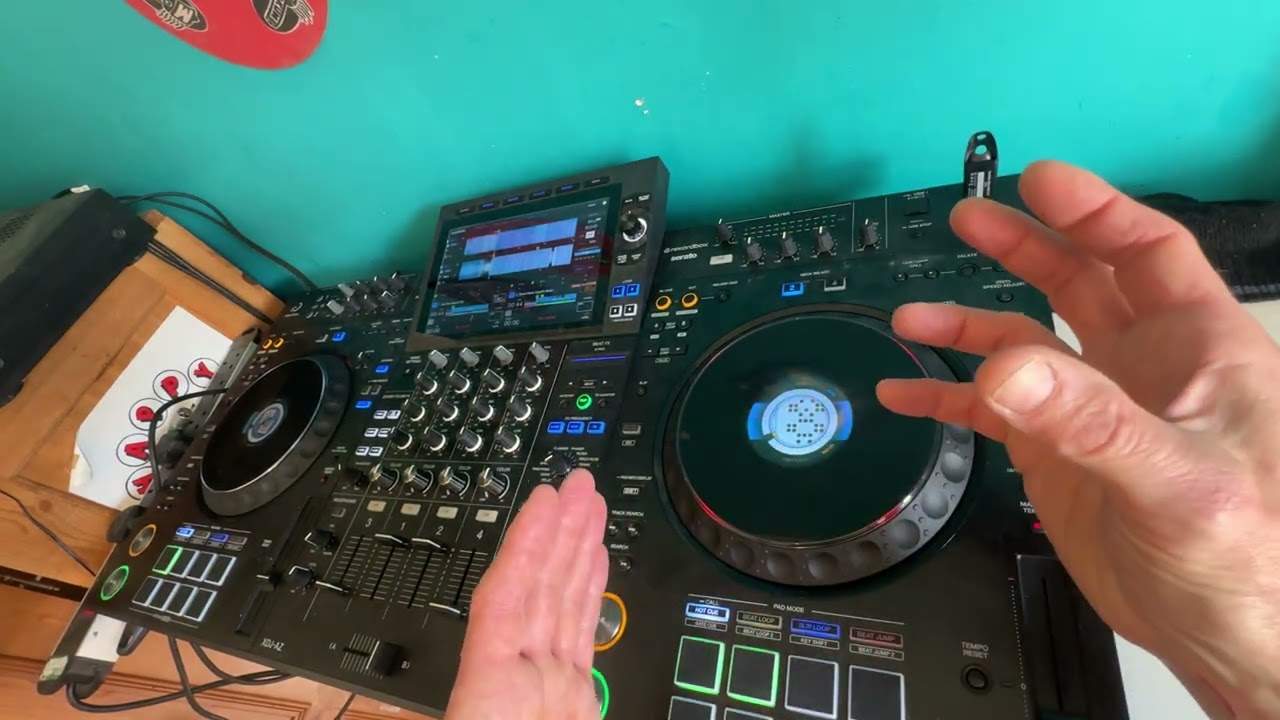
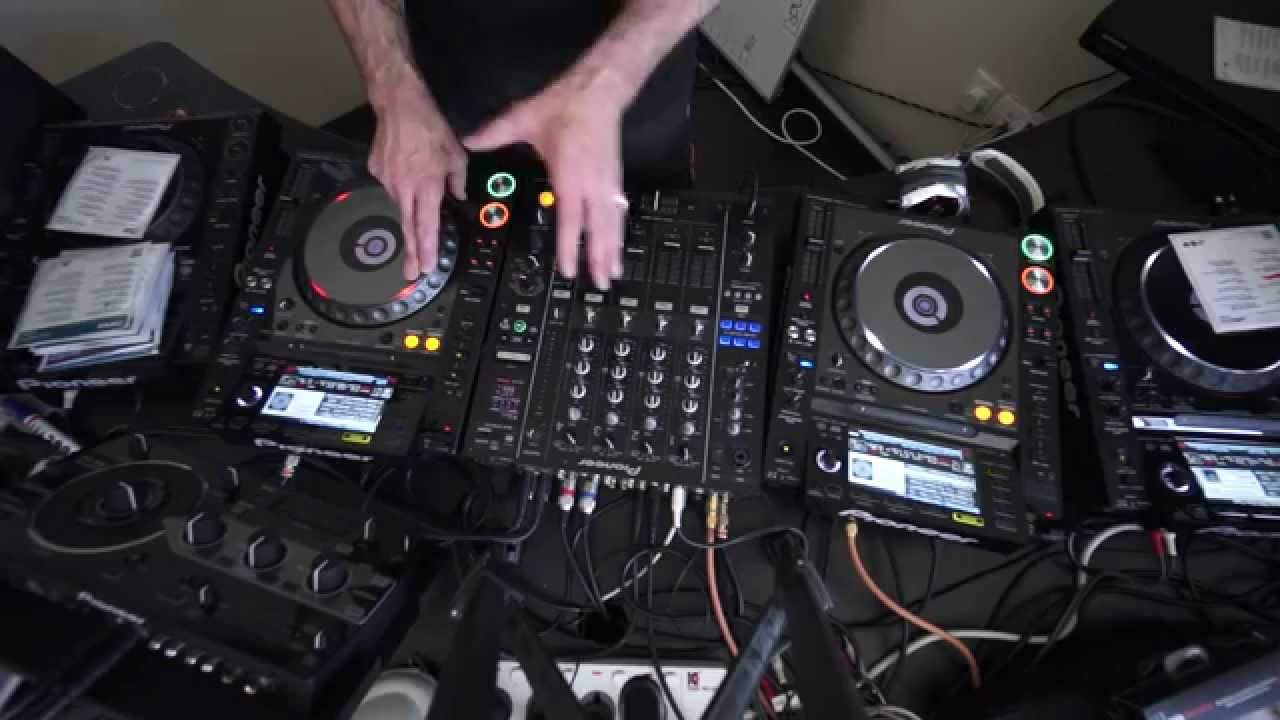
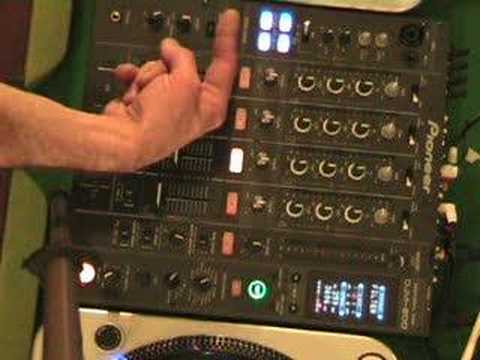
This is a classic track, it's on casual records. So now what we'll do, we'll listen to the track without the filter. What we'll do now, bring that down, we'll get a bit closer. Now this dial here is basically going to work this channel where the actual turntable's on and over here, there, that is the button for the filter. The mixer is the DJM800 mixer. You do get filters on other mixers as well. We'll press that With this dial at 12 o'clock, basically the filter won't be working. When this dial's at 12 o'clock, no matter which one of these buttons you press, you won't get any effect. There we are. As soon as you start moving this, you will start to get an effect. Now have a listen first of all and then I'll explain what's happening. Right now at 12 o'clock. In fact, no we won't, we'll put it there. Right, what you can hear, have you ever been to an outside rave? Or have you ever been standing outside a nightclub and you can hear the music inside?
2:45 We'll pause the camera and I'll give you a demo on how y
You will hear something like this. It'll be a very muffled sort of sound and that is because bass is known as omnidirectional, first of all. It will travel anywhere and everywhere. It literally travels sometimes through walls. So what happens is you will always hear bass frequencies but you won't hear any mid and top. Mid and top finds it very difficult to travel through walls, through glass, that kind of stuff. So that's why you hear that sound through... Let's say you're outside of an actual venue or let's say you're two miles away from a party. You know, you stop the car, you go for a pee and all you can hear is doom, doom, doom. Now what happens now with this particular effect here is as we move this dial to the 12 o'clock position, we are now getting the mid sounds like the vocals, the guitar, the melody. As we get to 12 o'clock, excuse me, we've got all the sounds.
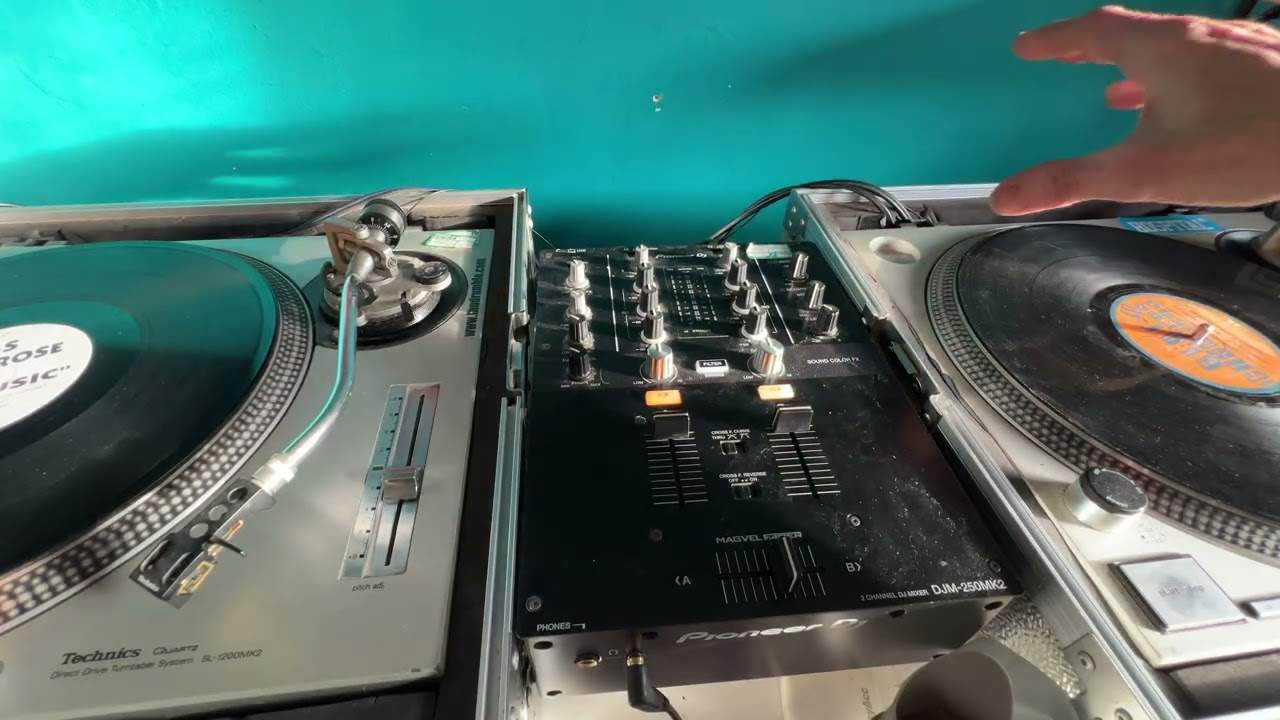
We're now getting rid of the bass, we're getting rid of the mid and now we're left with just the treble. Like so. Right, we'll pause the camera and I'll give you a demo on how you can actually use this in the mix. Alright guys, what I'm going to do is I'm going to do a very basic mix. We're not going to have any headphones, the beats might go off a little bit. I'm going to do a basic mix just without using the filter. We're just going to have both channels at crossfades in the middle so you might hear that track sort of coming in a little bit. This track over that side there is a track by Room 5 featuring Oliver Cheeknam. It's a track entitled Make Love. And then on that side is the DJ track. So first of all, we'll start the Room 5 off. Now this is without using the filter. All the frequencies from both sides. But also, you've almost got both over vocals. What I'm going to do now is we're going to have the filter actually on. That's flashing. So now we can theoretically use these dials and we're going to start to get an effect.
5:06 Think about it, you take away the bass, you've just got mid and treble
So we'll play the music again this side and I'll just get this one actually ready, hold on. Okay off we go. But it's a very good effect. It was out of bar and maybe the beats were off a little bit but it's an idea of what you can actually do. Now theoretically what the filter is doing is near enough exactly what you would be doing if you were messing around with the bass, mid and treble. Think about it, you take away the bass, you've just got mid and treble. You have bass on, treble on, you take away the mid, you've just got bass and top. The difference being with this particular unit here, the filter, what you can actually do, you can almost do a sweep. Now imagine this, there are a lot of tracks, the likes of say Daft Punk, what they'll do, they'll have this build in the background, and then you get the full effect of the music. That's near enough what you can actually do with something like this. So basically the possibilities are endless.
With doing a mix, in fact I guarantee you there's 20 people could do exactly the same mix but just by messing around with the bass, mid and treble or maybe if you've got the filter effect that little bit different your mix will sound totally different than anyone else's basically. So there's an idea. Bit of a tutorial but also mainly a demonstration. Practice and enjoy.
This transcript was produced automatically from the audio of the video and may contain mistakes.