 8:29
Tutorial on 3 Deck Mixing for the DJ.
Contents of the video
0:00 In a sense there's three things happening
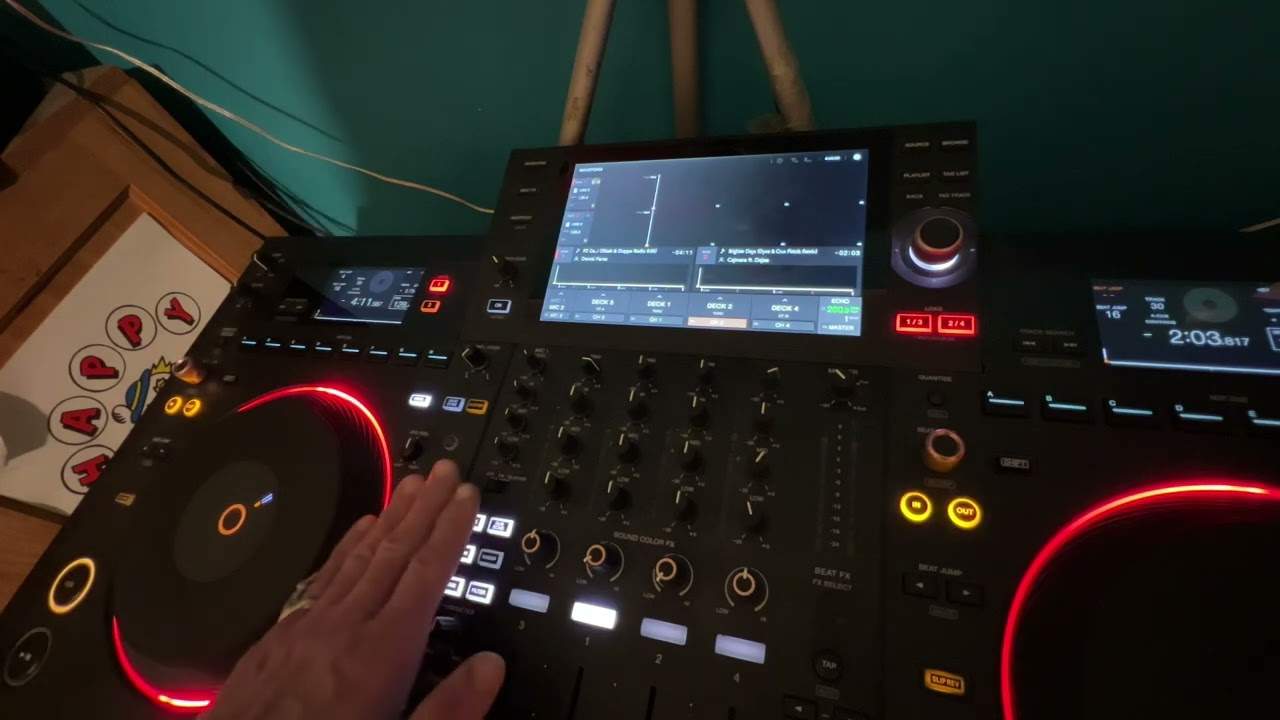
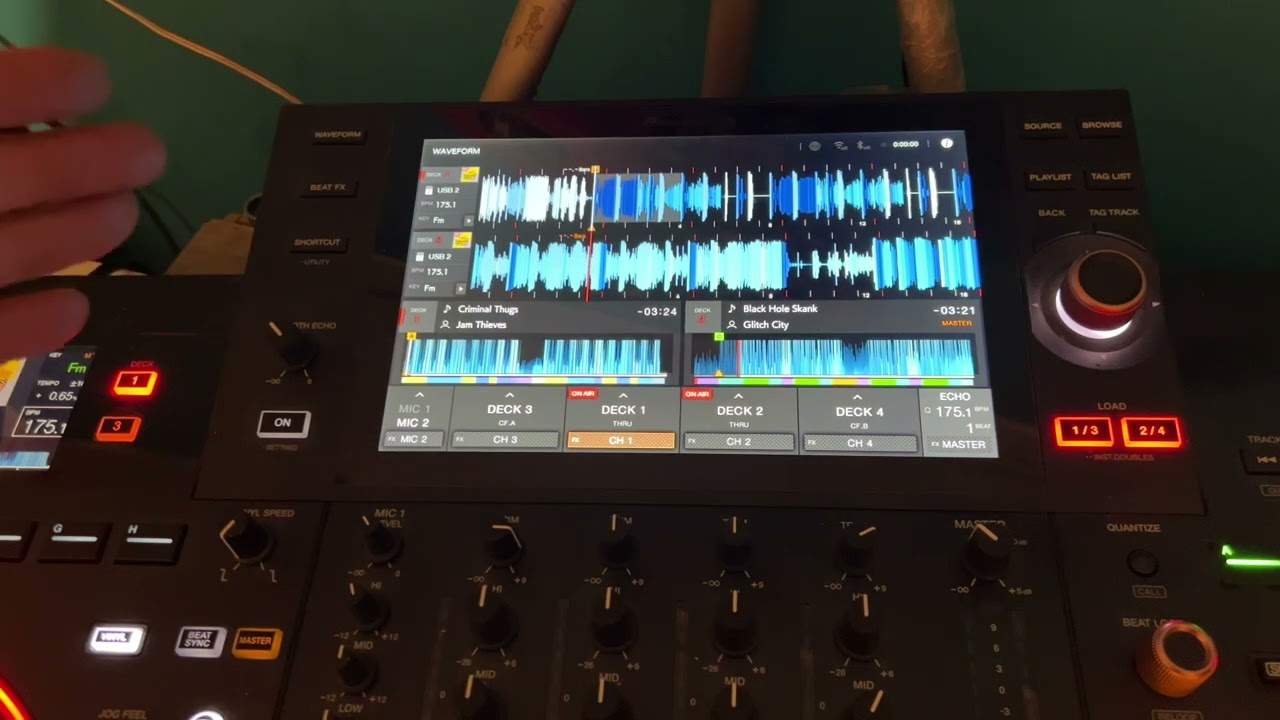
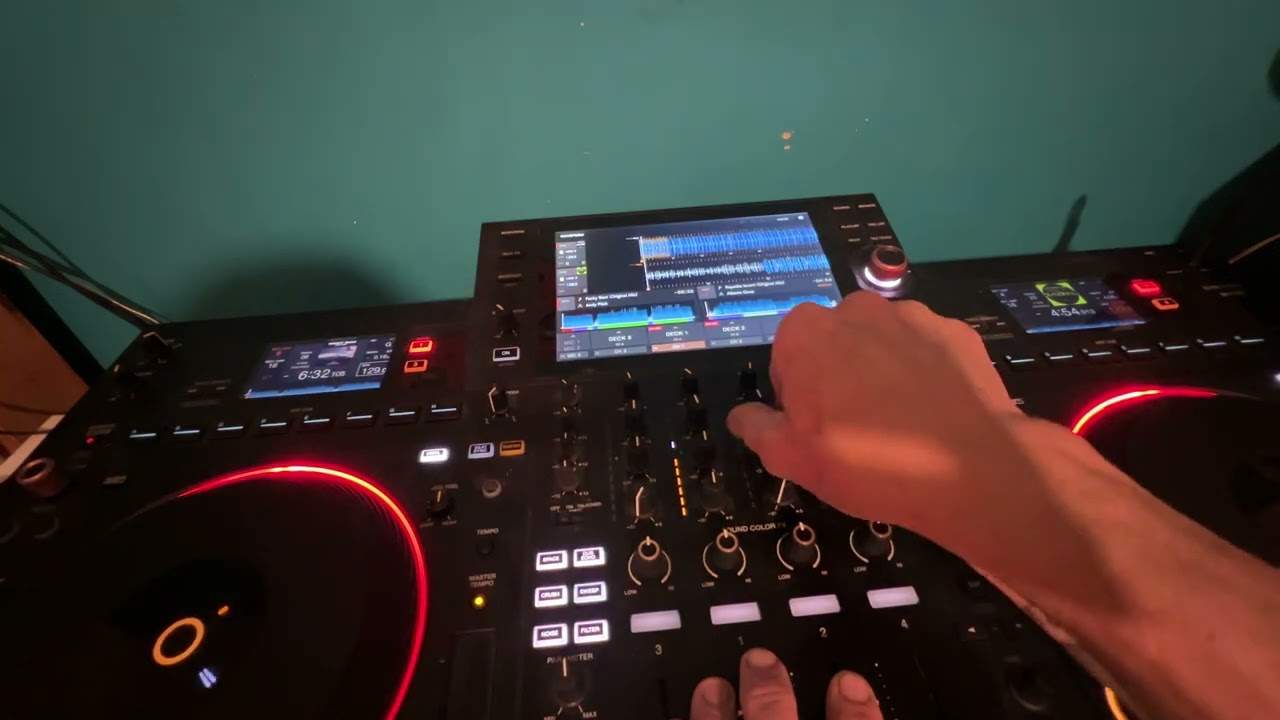
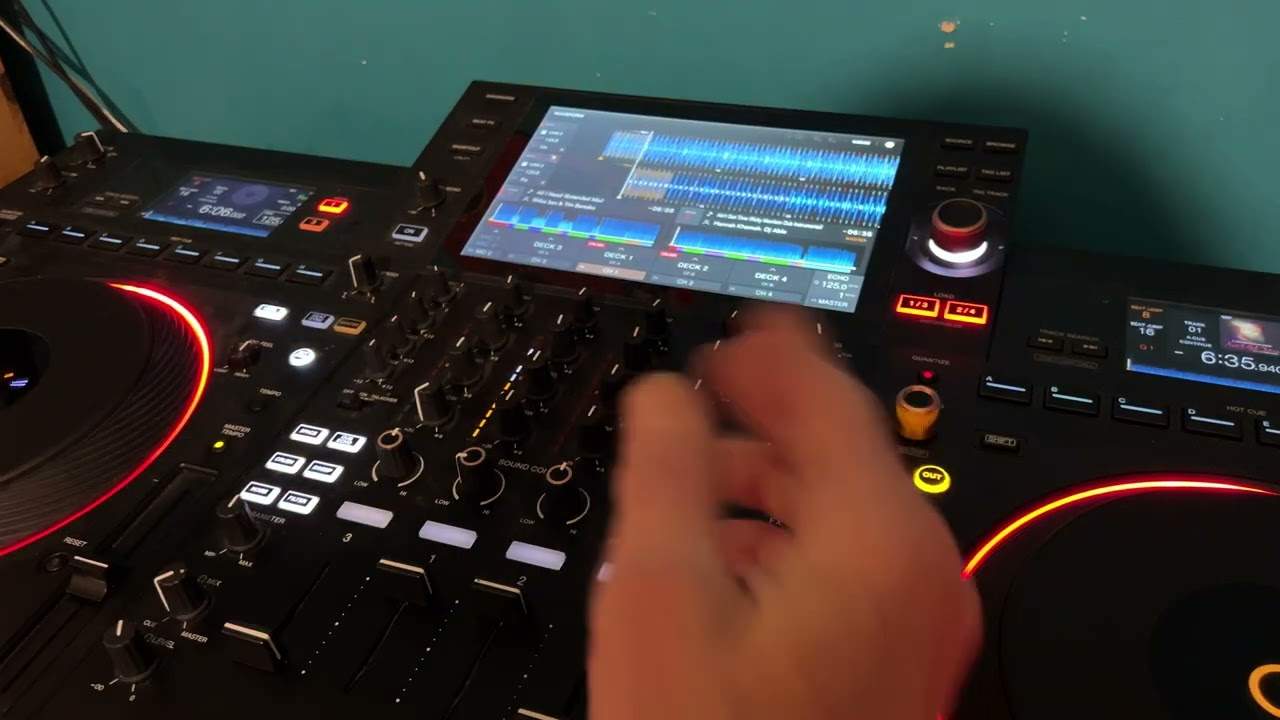
Right folks, Jonathan here. A couple of people have mentioned recently and quite a few people in the past about 3-deck mixing. Now at the end of this video I'll do a bit of a demonstration but mainly this video is about explaining to you my thoughts and my ideas and my tips on 3-deck mixing. So first of all 2-deck mixing, two turntables, two vinyl CDJs, you go from one to the other and then back. So in a sense there's three things happening. Firstly, you're playing one track, that's number one. Secondly, there's a mix in the middle, that's number two. Thirdly, then there's the next track playing. Now with three-deck mixing, there's a lot more happening. You're playing one track, you're bringing another one in, so you've got the two working in tandem together. Then you're bringing a third entity and the three of them are playing together.
3-Dec Mixing It can be done on any music, but with regards to music that's got a lot of bassline, a lot of melody, a lot of vocals, it's a lot more difficult because then you have to consider the key, the tone and the feel. The last thing you want is loads of vocals, loads of keys clashing. It will sound worse than if the beats are off. Trust me on that. So maybe an idea is to consider mixing the likes of say Minimalistic House. For example, techno or trance where there's not many vocals, there's a bit of bassline and there's a bit of melody but mainly you've got that steady beat. Now if anything and you want to start practicing three-deck mixing, that's a good way of actually starting to practice.
2:42 There is that turntable there, when
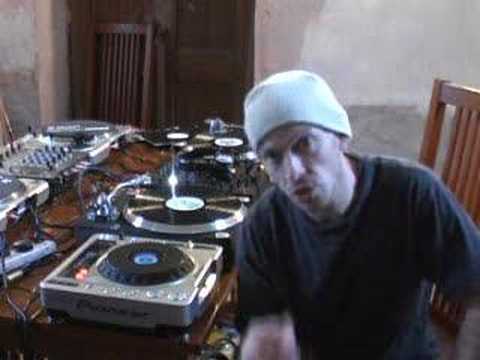
So what do we have to do? What are we going to consider? What are my tips? Now first of all, there's one, two, three. It doesn't have to be a CDJ. It doesn't have to just be CDJs. It doesn't have to just be vinyl turntables. It can be anything. It doesn't really matter. You can have one PC program if you can do all of this into a mixer. You can have a CDJ and you can have a turntable. You can have three turntables, three CDJ players. It doesn't matter. Right, here's a tip for you. These three tracks work sort of well together, but they're not the best example. But the first major factor I must explain, and that is you need a basis, you need a foundation. A good house has a good foundation, house being the operative word here. Now what I'm trying to explain there is that turntable there, when I set that one off, I'm not going to touch that. And when I mean I'm not going to touch it, I'm not going to mess around with the pitch control.
Because the last thing you want to do is start messing with the pitch control on one of them, on the next one and on the third one. You'll be all over the place. Ideally, you need to at the most concentrate on two pitch controls, the two closest to you. The one over on that side or your one that you're going to choose is your basis. That's almost, like I said, it's the foundation to the actual timing of your mix. Leave it alone. When the pitch is set on that one, don't touch it. As soon as you start messing around with that when you've set the other two, it means everything will be all over the place again. And again, like I said earlier, you've got to consider the actual bass line, the melody and also as well, more importantly, again, the phrases, the actual timing of bringing your tracks in. That's vitally important. Again, with bars, 1, 2, 3, 4.
5:03 And what you need to listen
With phrases, however you say it, it doesn't really matter. A phrase, four bars. One, one, two, three, two, one, two, three, three, one, two, three, four, one, two, three. There's no point bringing a track in as in say one, two, three on the three because you're going to be slightly off beat and it may be in beat. You may have this one, this one, you may have the three actually in perfect beat. The DJ Tutor is a great tool to help you get your pitch control set up and ready to play. Just a little insight on what you need to look at and what you need to listen for with regards three-deck mixing. So I'll say practice and enjoy. Thank you. One last tip as well. With regards the one deck that is your basis, an idea for you as well. If you want to, now theoretically again, what you've got to consider, and like I've said in previous videos...
For goodness sake, when you're in your bedroom and you're practising there is no need to have things blasting because you're going to do quite a few things. One is possibly annoy the neighbours but here's a tip for you. That one is playing through the main PA system. Your headphones are on like that. Now if you've got what is known as split cue, in other words you can have one turntable through one side and one through the other side. Now again this is about practice and it's about getting this grey matter inside your head used to it. You can be theoretically listening to the sound around you. You can have your headphones on like this. And then you can have the one track, which is this one here, through this side, that side, through here. So in a sense, it's a little bit easier to match those beats. Now I hope this has been a help. There's a lot more to this than meets the ears and eyes. But there you go. I've said practice and enjoy earlier. If you are good at 3DEP mixing, then post a video response underneath.
Or maybe you can give some more tips. Thank you very much.
This transcript was produced automatically from the audio of the video and may contain mistakes.