 8:10
Using an FX on a DJ mixer.
Contents of the video
0:00 First of all, an effect will change the sound of the music that's play
Alright folks, Jonathan here. Tutorial for you on the use of effects with regards to CDJ turntable and a mixer. First of all, an effect will change the sound of the music that's playing. That's a very important factor to remember. Now also, before I mess around with one of the first effects on the actual mixer, consider this. Let's say, for example, you meet a person in the street, wherever, for the very first time. Now, of course, you know, a lot of people out there think, oh, you want to get stuck in there and give them a kiss that lasts about seven years. And after that they go, flip it, that was good. But imagine this. Imagine you just gave them a small peck on the cheek or a very small kiss that lasts one or two seconds. Now, they may think, God, is that it? But what will probably happen, they'll think how polite that was and sort of almost.
As though they want more and they don't ask for it, but they will want a longer kiss next time. Now the same applies to a certain degree with the likes of effects on a CDJ and a mixer. What I'm trying to explain is if all of a sudden you put say the flange on or the reverb or the echo and you're messing around with that for four or five minutes, it may sound fantastic, but after a while you're going to lose the actual effect of the effect. And people are going to think, well we're bored of this now, as opposed to if you just have tiny snippets here and there during the course of the mix it will sound much better and people then will want more and expect more and appreciate it when you use that effect in the future, let's say later on in the mix, as opposed to using say the filter or flange for about 10 minutes right at the beginning of your set and then...
2:48 First of all, let's hear the left-hand track
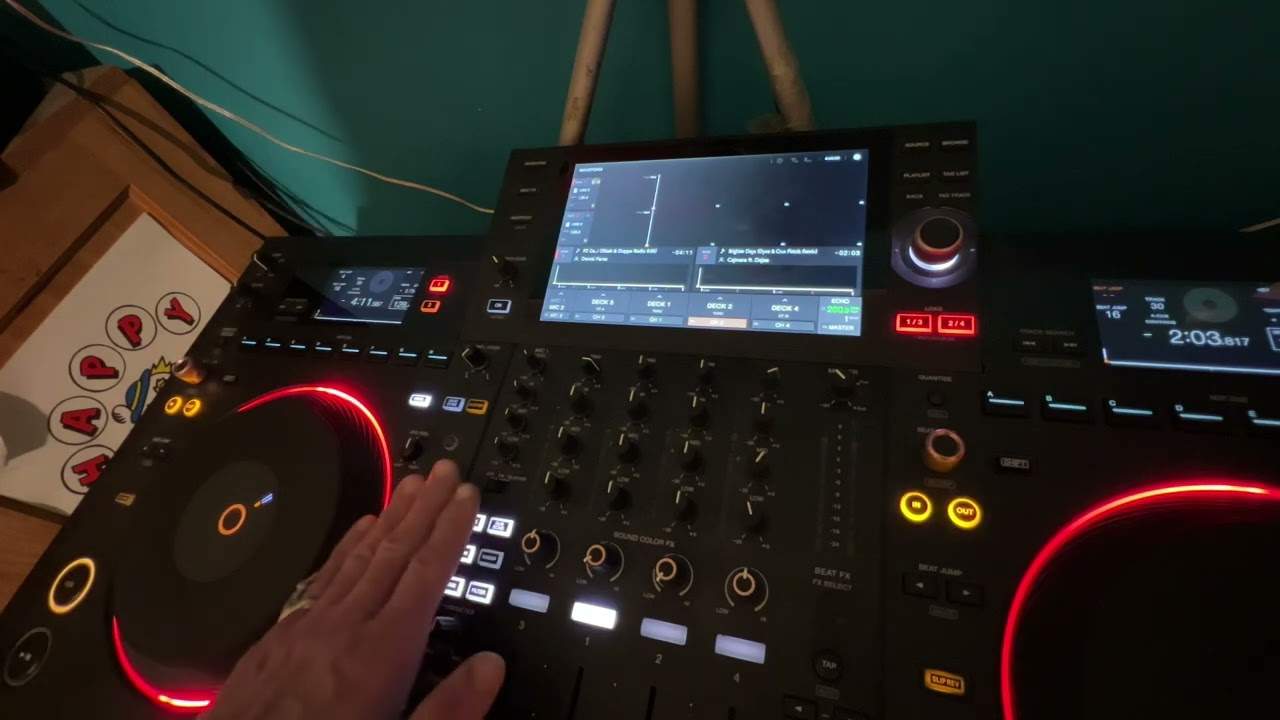
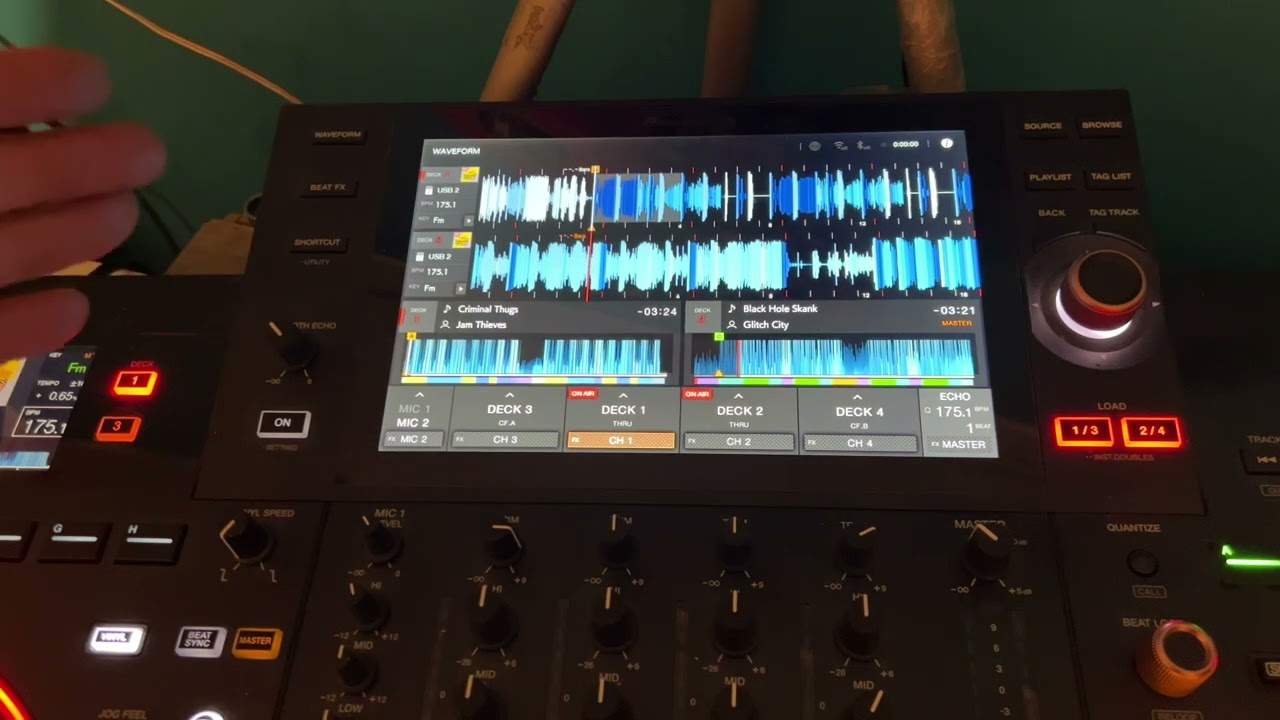
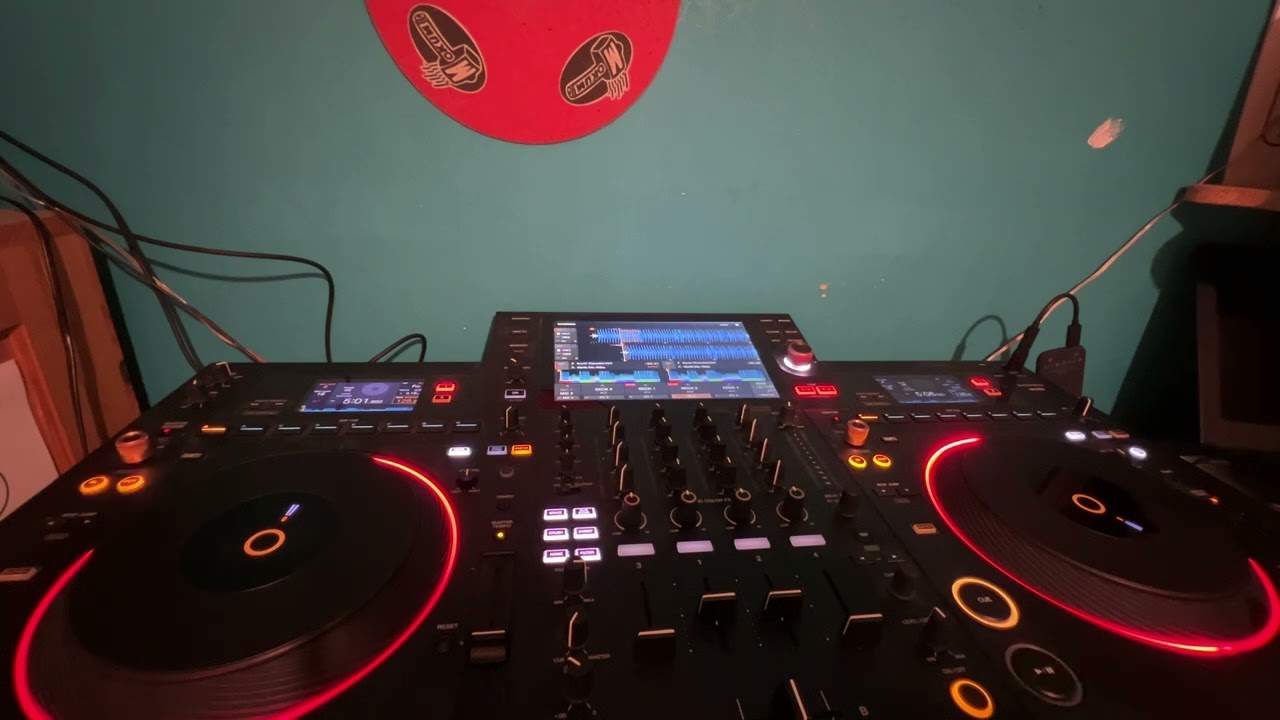
Right, here we go. We're looking at the actual mixer, two CDJ turntables. Now I did say there was an irony attached to this particular video with regards effects and that is... I'm not even going to use an actual internal effect from the mixer or the CDJ turntable. You can do this with any mixer just so long as you have bass, mid and treble. Right, what we're going to do is this. First of all if you want to know any information about the tracks I'm playing then just look to the side of the video and this CDJ over here I will class as the right hand side because it's the right so I'll just put track on right and then opposite track on left. Now first of all, let's hear the left-hand track. Here we go. Right, we'll pause that. Now here is the right-hand track. Have a listen. Right, we'll pause that. Now let's play them both together, near enough from the start, with bass, mid and treble, 12 o'clock. So they're near enough at a good optimum sort of level. So we'll play this one, start this one off. And we'll start it from the beginning. Right, we'll pause them again. Now what I'm going to do is something about... It's like that kiss. It's very subtle. It does sound a lot different.
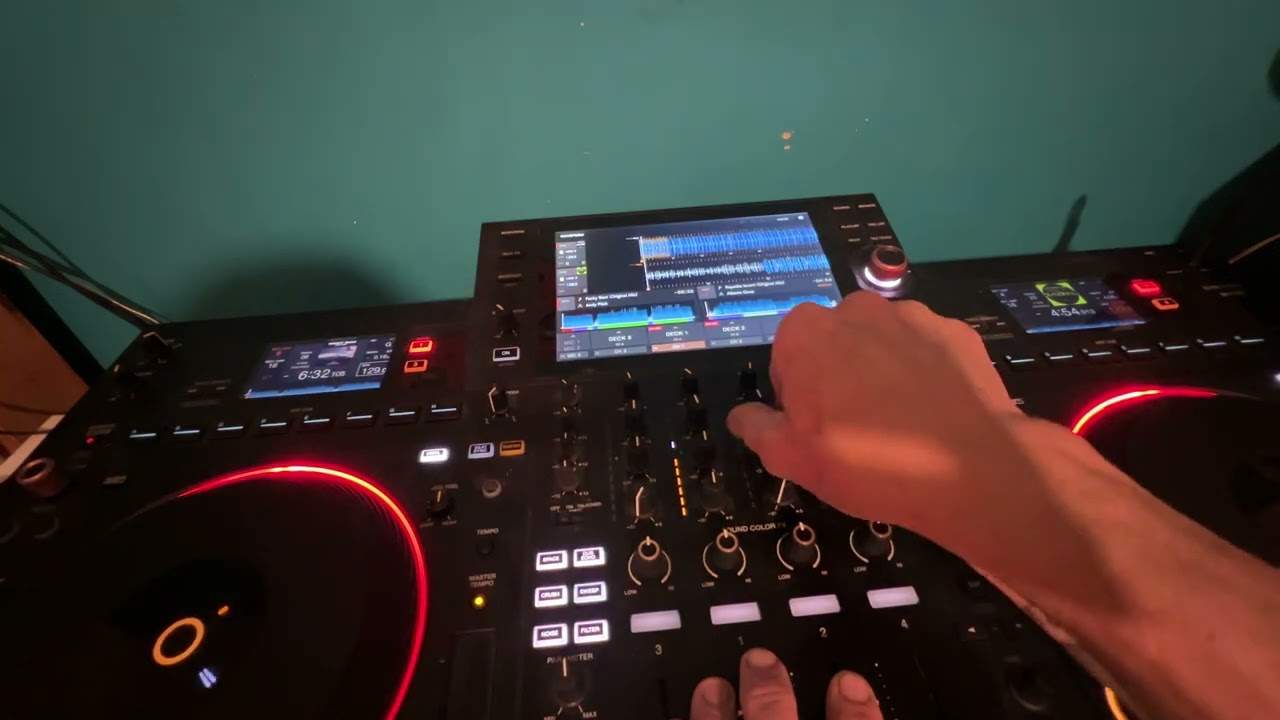
And with a bit of practice you can actually make any sort of track just that little bit special. Now, just watch me first and then I'll explain exactly what I'm doing. I hope you could see that we had the volume full on on the left hand side, the Rive CDJ, what I was doing, I had the volume up to begin with, I was pressing the cue, keeping my finger on the actual cue, and by only pressing cue and not play... What was happening is the music was continually playing while I had my finger continually pressed on the cue. As soon as I took my finger off, the music went right back to the beginning of the track and then I could do exactly the same again with that pause, rewind and all that sort of stuff. But most importantly what I was doing is I was slowly bringing the volume down. It was almost as though there was a subtle change in the music but mainly this track here on the right.
5:19 Bass full, happen, increase
I was bringing it in as though it was a part of the other side, a part of the other track, almost trying to make it sound like one track, as if this movement here and the sound from the right hand side was incorporated in the left hand side and not a separate track, a separate entity altogether. So what was happening, it was playing full on like so, and then I was reducing the volume So the actual sound was just slowly disappearing and then what I was doing, I was doing the opposite. I was pressing play or cue should I say and then bringing the volume up like that. It's almost like a sort of not so much an echo but as though we're increasing and decreasing the volume into the other track. Now we'll try that slightly differently. This time I'm going to remove all the bass, I'm going to remove all the treble and I'm going to actually increase the mid
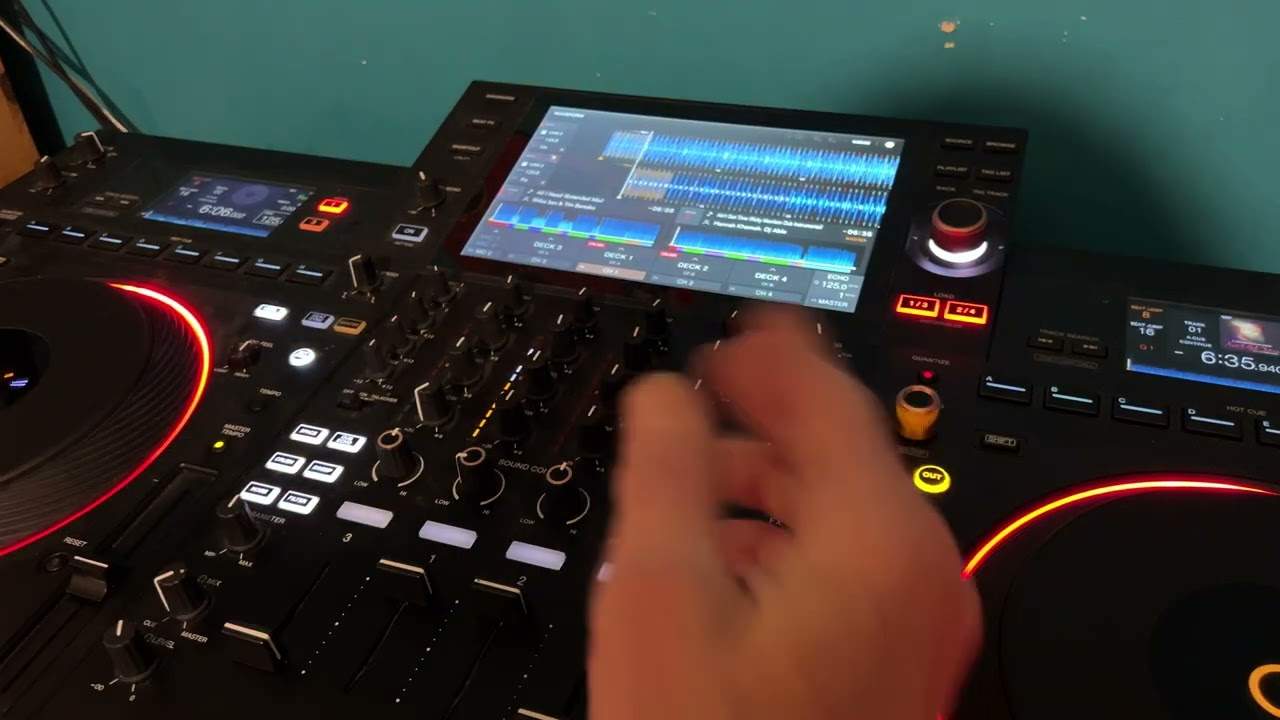
To about say 2 o'clock, we'll do exactly the same thing. Now listen to the difference, there's one heck of a lot of difference here. Increase the mid a little bit more. There you go. Now very importantly as well, you saw me increase the mid, but I'd got the bass turned down. If I had the bass full on like so and increased the mid quite considerably, we would be putting a lot more frequency into this particular channel. So you have to bear that in mind. Now it was peaking in the red slightly. That's one important factor with regards to not blowing and knackering your speakers because I do see a lot of DJs, they do this. They try and have the bass full on mid and treble and they think yeah we're getting extra sound. You may be but two things, well one thing is definitely going to happen and the other thing there's a good chance it will happen. The one thing that's going to happen you're going to get a distorted signal through here and it's going to sound terrible. The other thing that quite could possibly happen is that you could blow
So there you go, this is one video showing an effect you can do with your mixer and your CDJ turntable. And the irony about this is you don't even have to have an actual effect. So I hope this has been a help, practice and enjoy.
This transcript was produced automatically from the audio of the video and may contain mistakes.