 9:33
Using the Bass , mid and top, in the mix, Why use them
Contents of the video
0:00 The lower, of course, is t
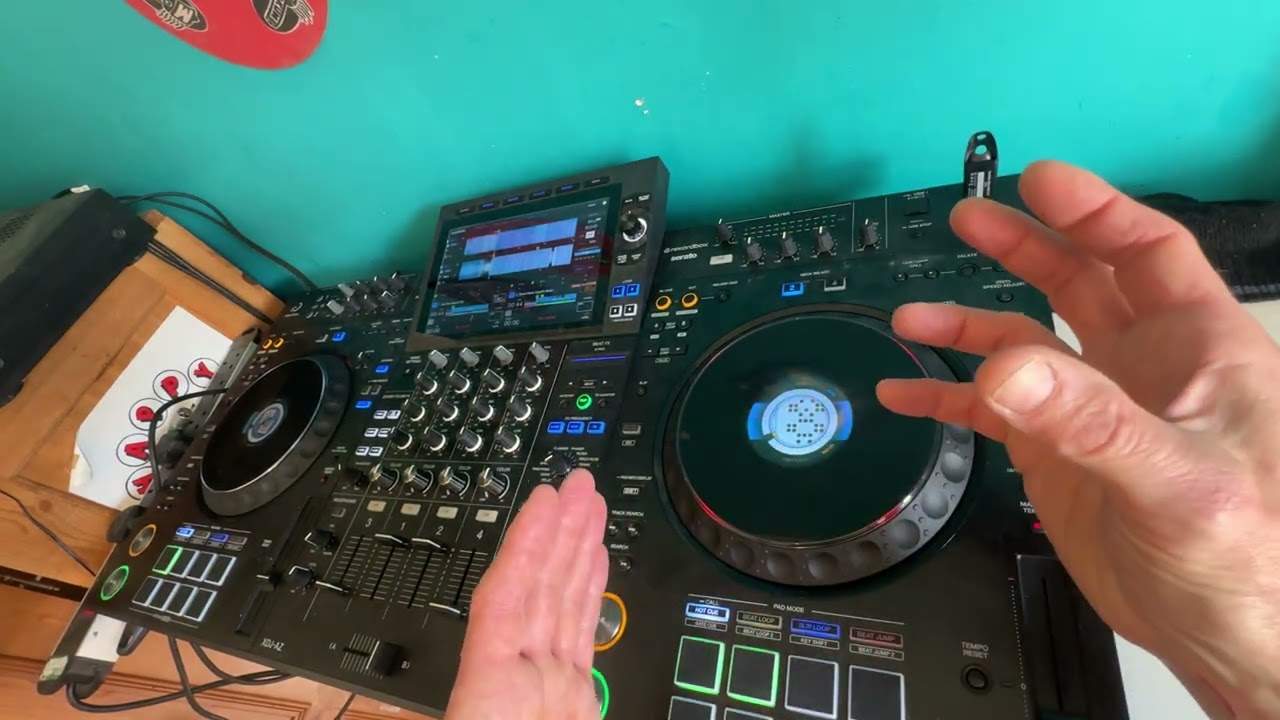
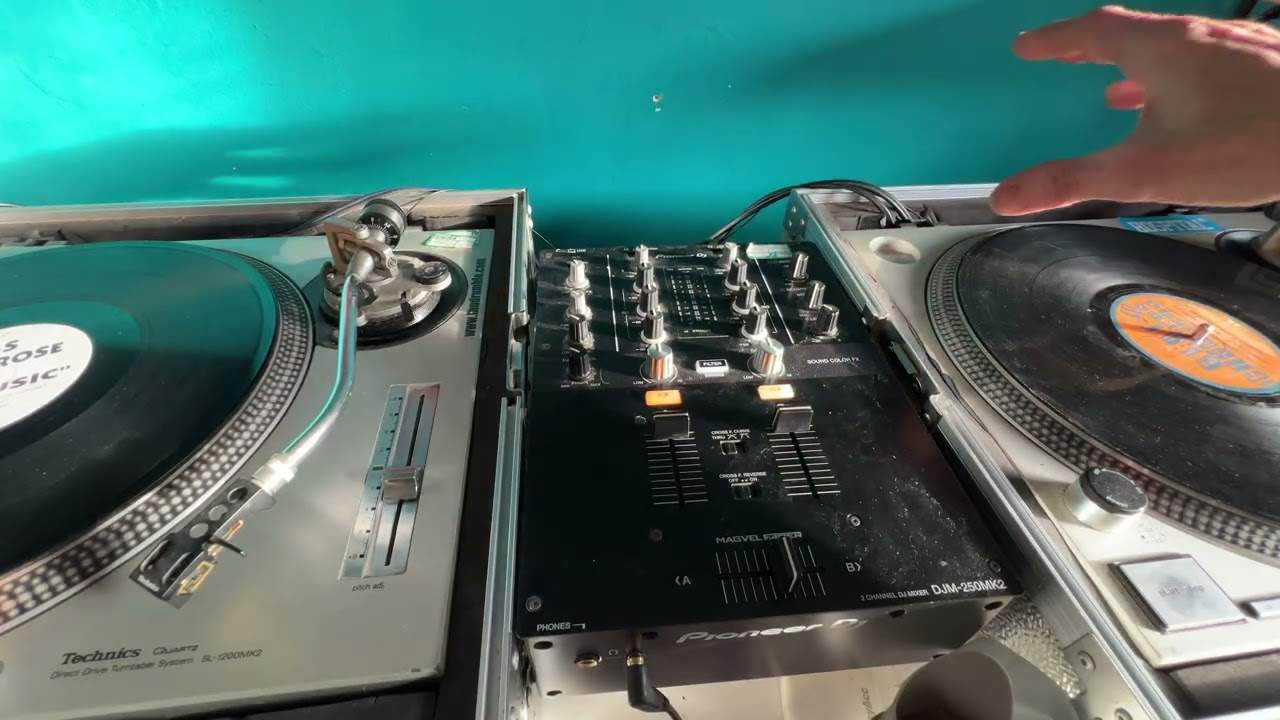
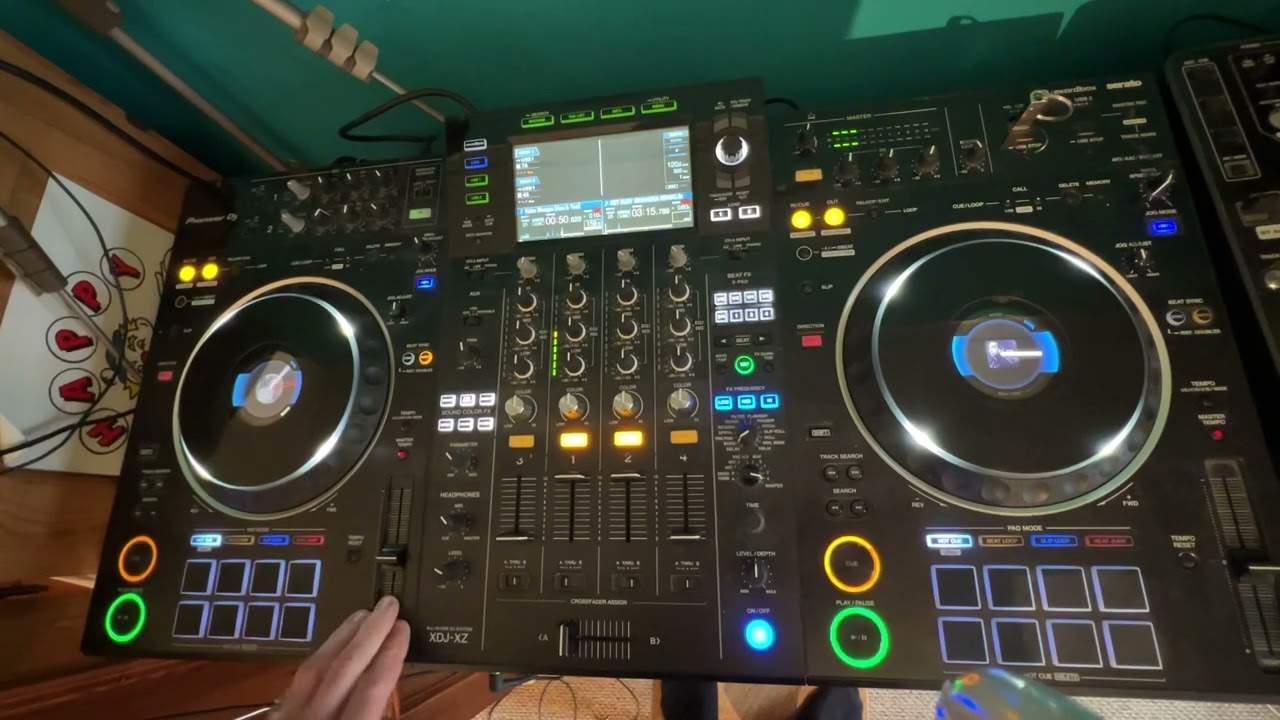
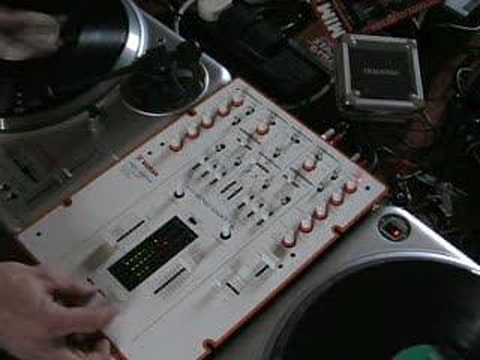
Alright folks, in this tutorial what we're going to be looking at is the low, mid and high, or the bass, mid and treble. A lot of people have asked me if I can do a tutorial on this, so we're going to, first of all, maybe this is going to be sort of the first one in a set of two or three, don't know yet. Right, you load basically what that does, or the bass, when you increase, push the dial up. Where this is concerned here, there's like a little slider that will increase the sound. When you bring it down towards you, it'll decrease the sound, it'll make it disappear. The lower, of course, is the bass, the boom. In house music or in drummer bass, it's the bass. That's what that does. Then also, you will have on some mixers, you'll have a dial like this, a knob. When it's at 12 o'clock, that means it's the equivalent of this particular slider here being in the middle. That means it's the optimum sound.
When you turn the dial anti-clockwise, you'll get rid of the bass. Clockwise, you'll bring the bass full on. Now, on some mixers what happens is when you bring the bass all the way down to the bottom, only a certain amount of that bass will disappear. On other mixers it will completely disappear. It's called a cut off. Likewise with the mid. The mid is the guitar, the mid is the vocals, it's the keyboard, it's that sort of sound. The exact same principle follows with the mid. I'll just do it very quickly. You put the slider up or you turn the dial clockwise, you get more. Slider down, dial anti-clockwise, you get less. Likewise with the high or the top end, that is the hand clap, the crescendo that... As you increase, you'll get more.
2:48 It's all about practice, it's about experimenting
Decrease you'll get less. Now what you will find a lot of DJs doing is when you have particular tunes playing, quite often you'll have two melodies that will play and maybe you don't want one melody. Sorry, I'll start again. You don't want one particular melody. DJ Tutor It's all about practice, it's about experimenting. So what I'm going to do now, I'm going to do a couple of mixes. The first mix is when I don't use the bass mid and treble at all, the next one is when I do. The particular tunes I'm using on this side, it's East 57th Street, track entitled Saturday, and then on the other side it's Christine W, Feel What You Want, it's the Smoking Beats vocal mix. So we'll give it a go, see what happens.
4:31 Bit tongue-tied today, do beg your pard
Okay, right, what we'll do now is we'll do exactly the same mix but this time we will mess around with the bass, mid and treble. Okay, so let's just bang it there. Okay, right, now this time what I'm going to do is I'm going to start off the, sorry, beg your pardon, start off the East 57 streak Saturday right at the beginning and then I'm going to wait a couple of bars and bring in Christine W for What You Want. What I'm going to do, I'm going to almost make one tune out of the two. What I'm going to be doing is maybe getting rid of the mid off one side. Bit tongue-tied today, do beg your pardon. Maybe the mid off one side, leave the mid in the other side and then chop and change, use the high, the mid, the low, etc., etc. Now what I'm trying to explain here is all about experimentation, okay? You and only you when you're doing this sort of thing at home can be the judge, okay? It's only you really unless you've got your friends with you and they'll say it's either crap or good. So there you go.
7:21 A third mix, inside the mix, okay?
And again, what you want to do is when you're actually mixing one song into the other, if you imagine, let's say all of a sudden, you've got the two songs working together while they're in beat. When you've got lots of bass lines, lots of mids, lots of highs, lots of lows, etc., etc., the whole philosophy, the whole idea between the bass, mid and treble is to increase and decrease certain... Ellaskins, The DJ Tutor. A third mix, inside the mix, okay? Right, so we'll give it a go. I'll say practice and enjoy and then enough after the mix you're going to hear now. Thank you very much.
This transcript was produced automatically from the audio of the video and may contain mistakes.