 8:15
Using the roll feature on a DJ mixer with a vinyl turn table
Contents of the video
0:00 You do find it on quite a few mixes, modern day mixes
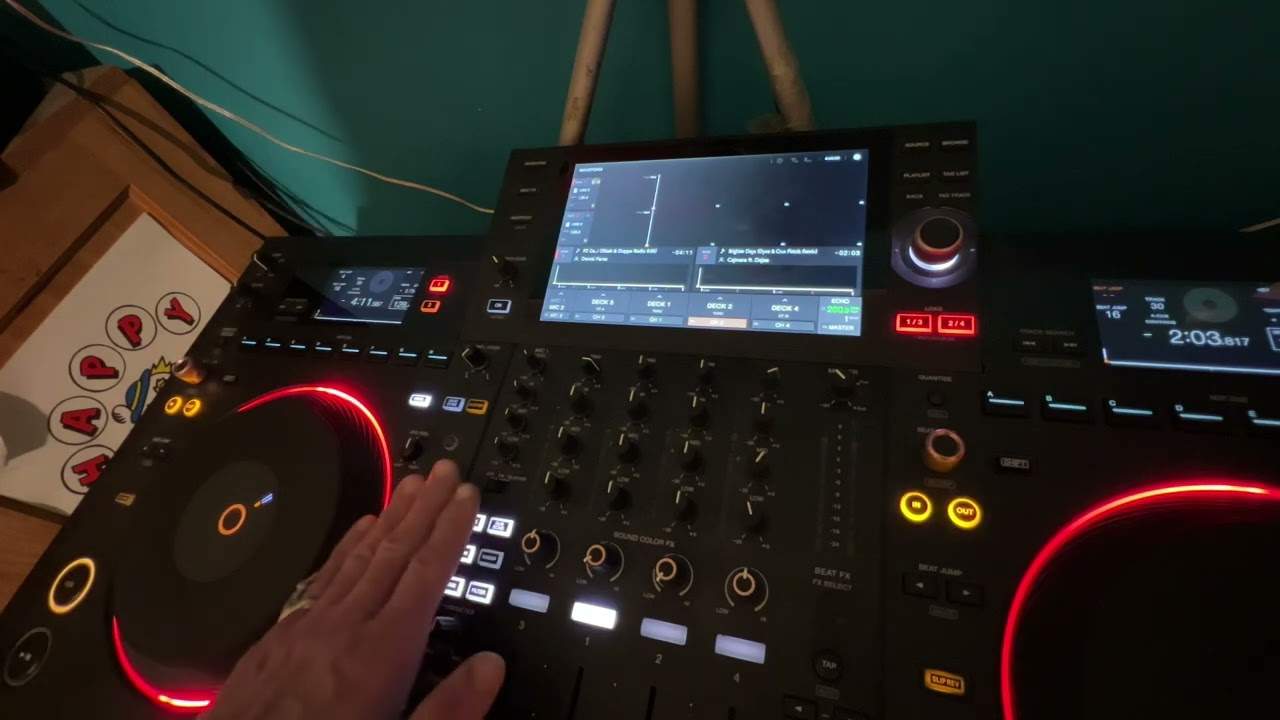
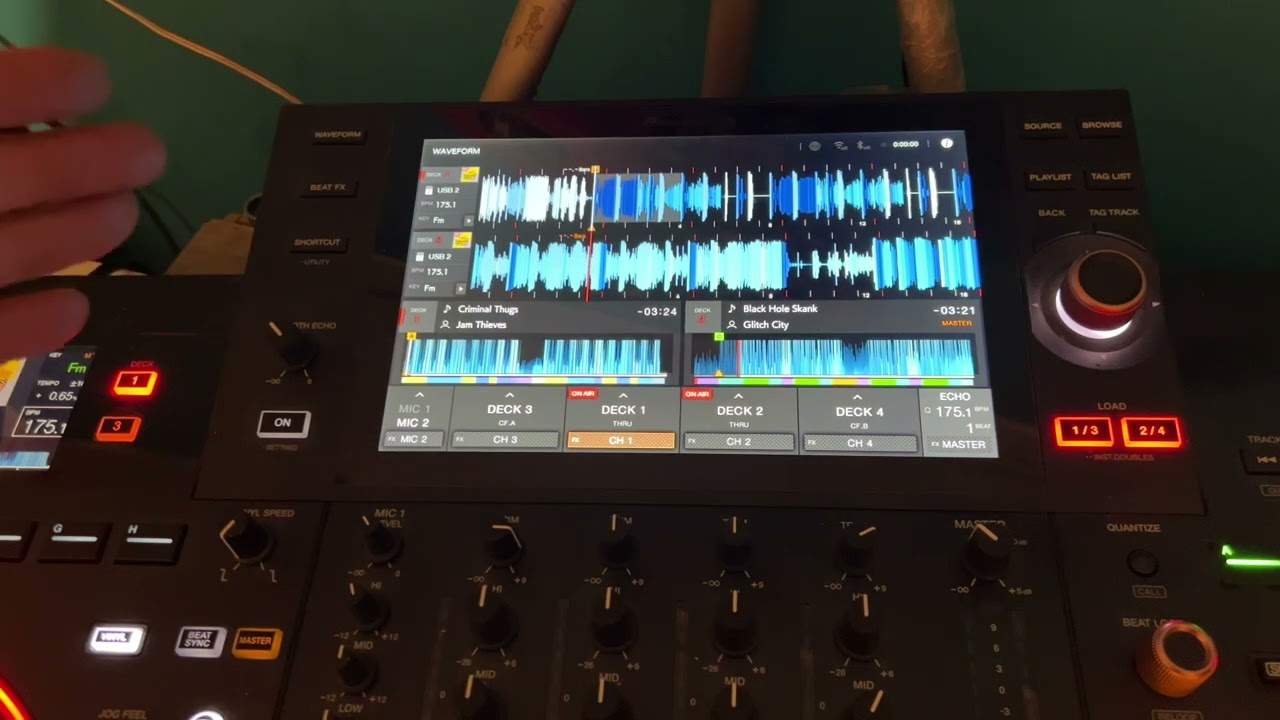
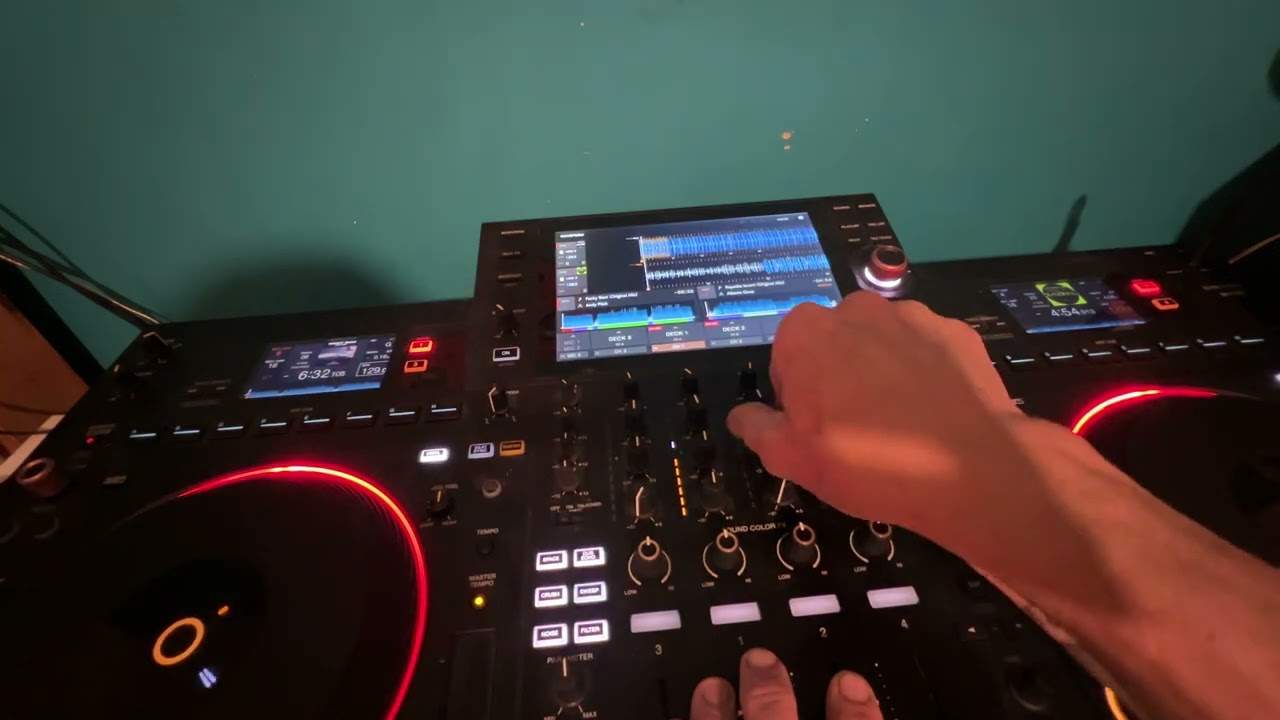
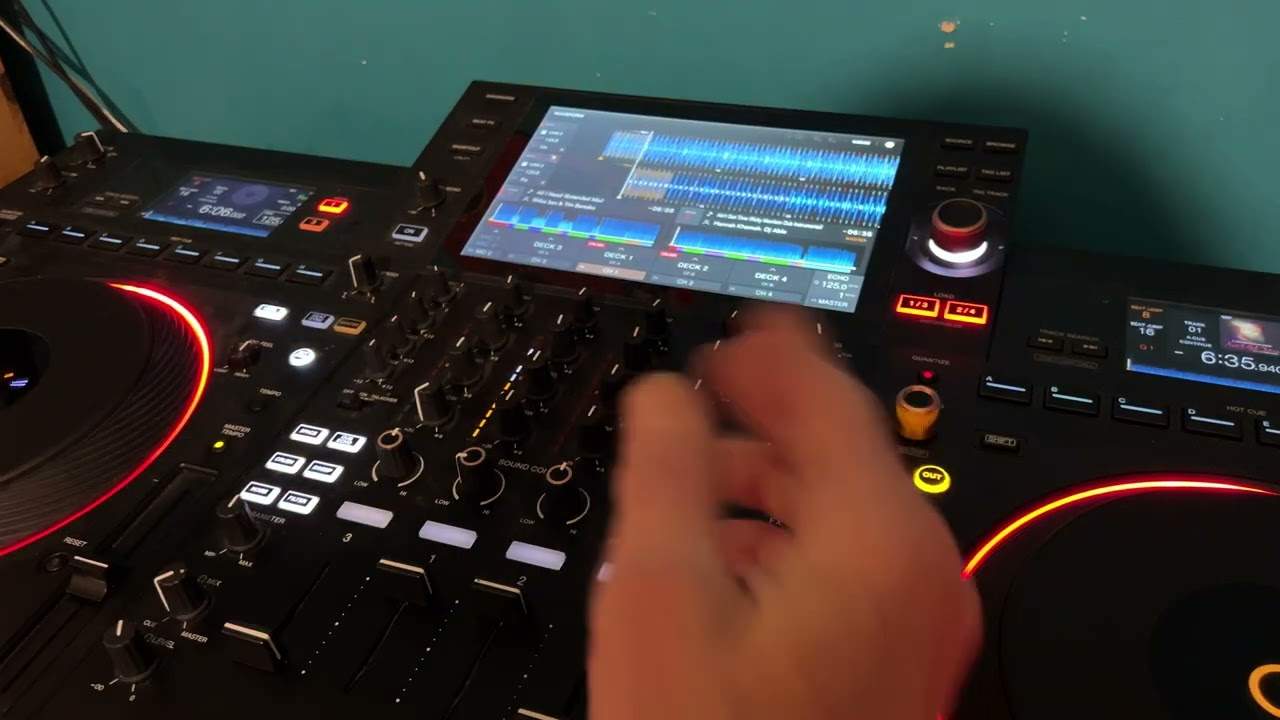
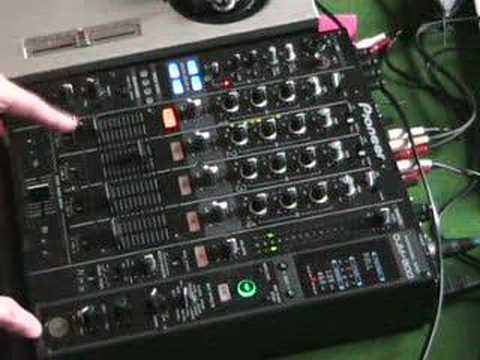
Alright folks, Jonathan here. In this tutorial we're going to be looking at a feature which is known as the Roll Feature. You do find it on quite a few mixes, modern day mixes. Just to let you know as well, the track we're going to be using is on King Street, it's Roland Clark Presents Urban Soul and it's a track entitled If I Was A DJ. Now a lot of people will use the Roll Feature anywhere. They'll just mess around with it and they want to experiment. But by actually experimenting and trying to hit that roll button at the right time can make it sound fantastic. Now first of all what we've done, we've set the mixer here to roll. We've got this dial here set to number 2 because this dial will determine which channel we're going to actually set this effect to. The vinyl turntable is on channel 2 so this dial is set to channel 2.
What will happen is we will actually get the effect in motion. Now what we've got here, we've got an area whereby we can see a readout. Now when we've got this red mark here, if I just go close up now, if I just wang that there, you've seen the turntable now. So if I go close up it will give you a better idea of the area we need to look at. You can see there, we've got a red block that's centre position. Now when that is centre position, it means we will get 1 over 1 sampling. In other words, we will hear the sample in one section. If I just start... Have a listen. So basically, we've got one beat. In other words, in the middle, one beat. If we flip it over to 1 over 2, we will actually get half that amount of sample we had when it was at 1 over 1. Have a listen.
And then when we flip it over again to 1 over a quarter, we'll get a quarter of that sample. Have a listen. And then if we go over to 1 over 8, we'll get an eighth of that sample. Now also people have said, well can you only use this on CDJs? Well, there's your answer. Okay, and also if we go to 2 over 1, this is what happens. And then if we go to 4 over 1, have a listen.
2:48 I'll put the needle back onto sor
So basically what's happening, not only is the roll feature acting as a roll, it's actually acting as a loop sampler. Okay, here's the deal, this is where we can actually experiment and take this effect from just messing around to the next dimension. Now a lot of people will hit that sampler button when we hear the bass beat, boom, boom, boom. But also you can hit it on the high beat, boom, cha, boom, cha, here, boom, cha. So what I'm going to do, I'm going to now give you a demonstration and actually talk you through the demonstration while we're doing it. So I'll put the needle back onto sort of the beginning of the track. Okay, at the moment now we're one over one. Now what I'm going to do... Alright, let's start right from the beginning. First of all I'm going to press the button on the bass beat. You're only going to hear the actual... But I'm going to hit it on the... And then I'm going to hit it on the... So boom, hit it there, and then the...
5:39 Hold on a second
Hit it at the top. Let's hear the difference. It's a very subtle difference. It does sound a lot better. Change. Halfway through. Now again, this is one over one. Now two things are happening. One is I'm listening to the bars. When I press that button, I'm actually counting. One, two, three, four, five, six. There you go, so we had... Two separate ways of hitting, well when I say two separate ways of hitting the button, we hit it exactly the same. You hit it and we get a sample, but I hit it on the bass beat the first time and then the second time I hit it on the high treble beat and the telephone's going. Hold on a second. Okay so there we go, we've done, by the way I'm back, I just went with the phone. So there we go, we've done the one over one, which was like so, and we've done a half beat. Now we'll do a quarter beat. And again.
Do it on the bass beat and also on the high beat. While I was doing that, I was counting. Now, I know it's very difficult to count 1-2-3-4-5-6-7-8 like that, but it's almost you'll get used to it and you will hear the beats automatically. Now, I have broached on this subject before, I'm sure, about the roll feature. But again, it's all about experimenting. Now, if you count with your fingers messing around with the 1 over 1, 2 over 1, and then the 1 over a 2... And the 1 over 8, 1 over 4, in other words we're going to get one beat, we're going to get two beats or we're going to get half a beat, quarter or eighth. We can alternate between all of those and we can make the track sound a lot more interesting so we'll try that now. Got to remember the structure of the music, the bars, 1, 2, 3, 4, 1, 2, 3, 4, there you go. So there you go, it's all about...
Yeah, what is that? It's all about having fun and experimenting. Don't forget, the more you practice, the better you'll get. And by the way, practice and enjoy. I had to get it. It was $1 from America. Bye.
This transcript was produced automatically from the audio of the video and may contain mistakes.