 6:59
Why does a Dj use , Video 11, Delay , an FX on a CDJ?
Contents of the video
0:00 An effect, what I'm on about there, is something that changes the soun
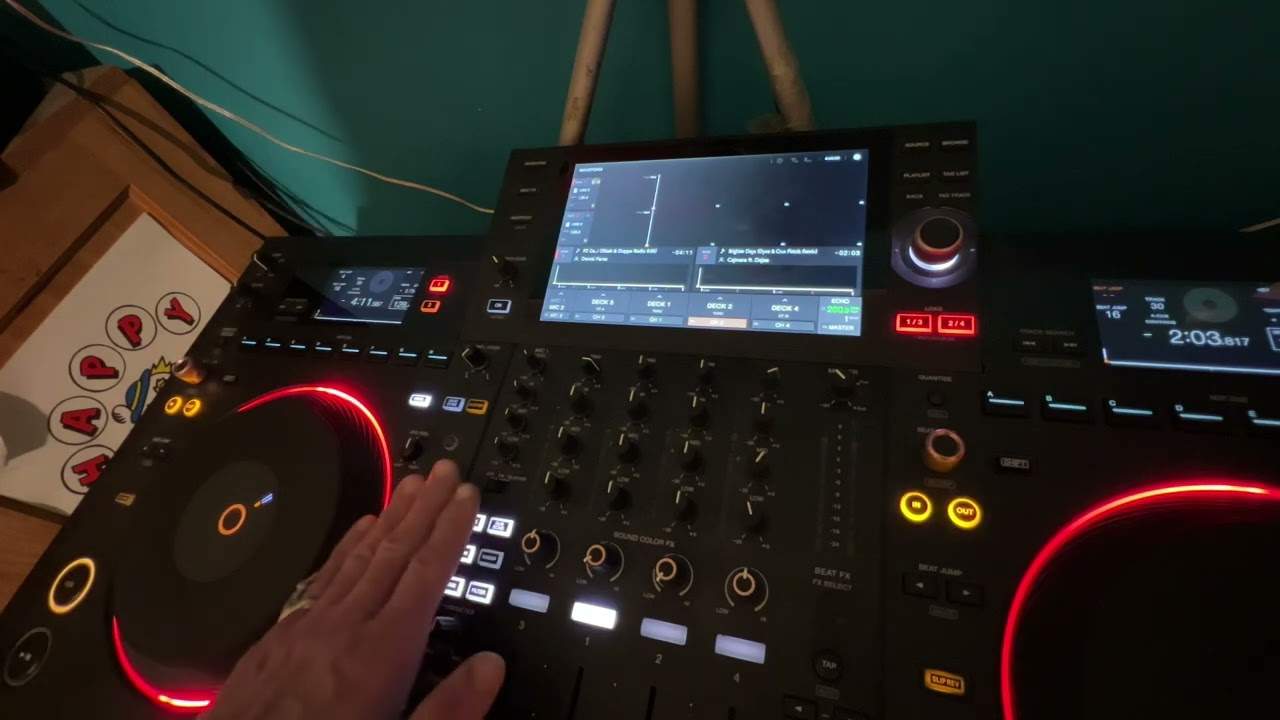
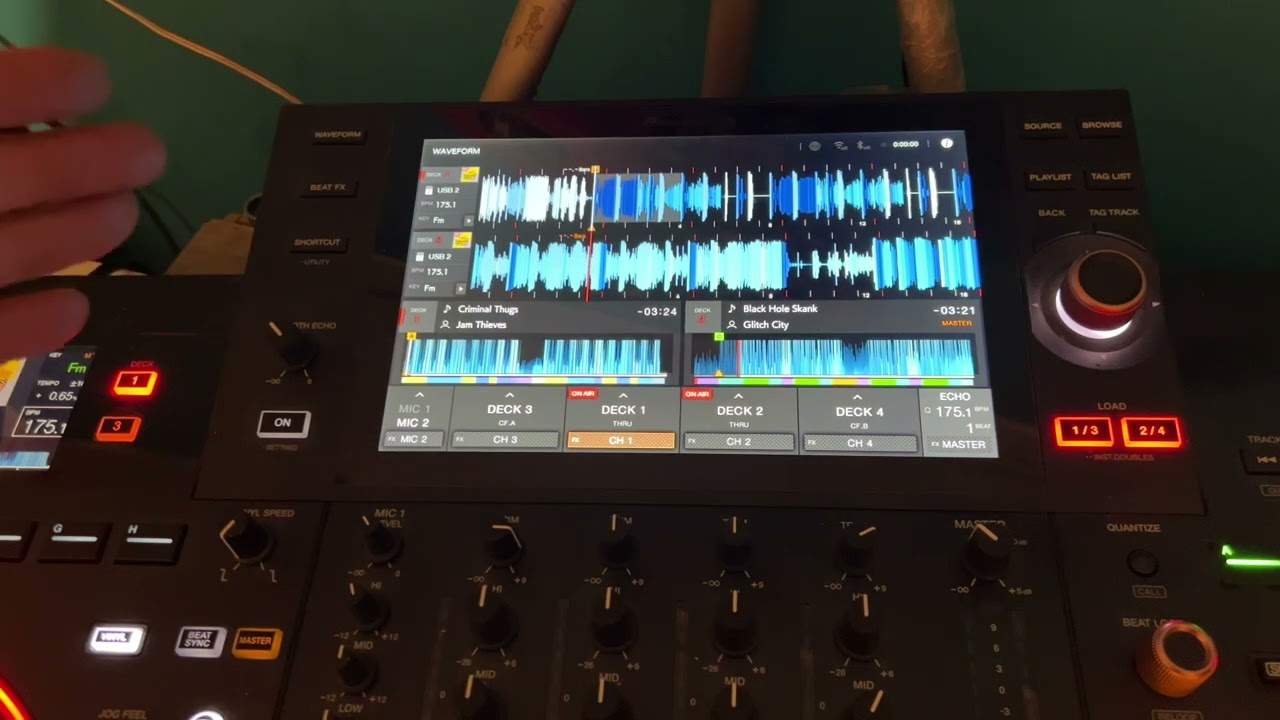
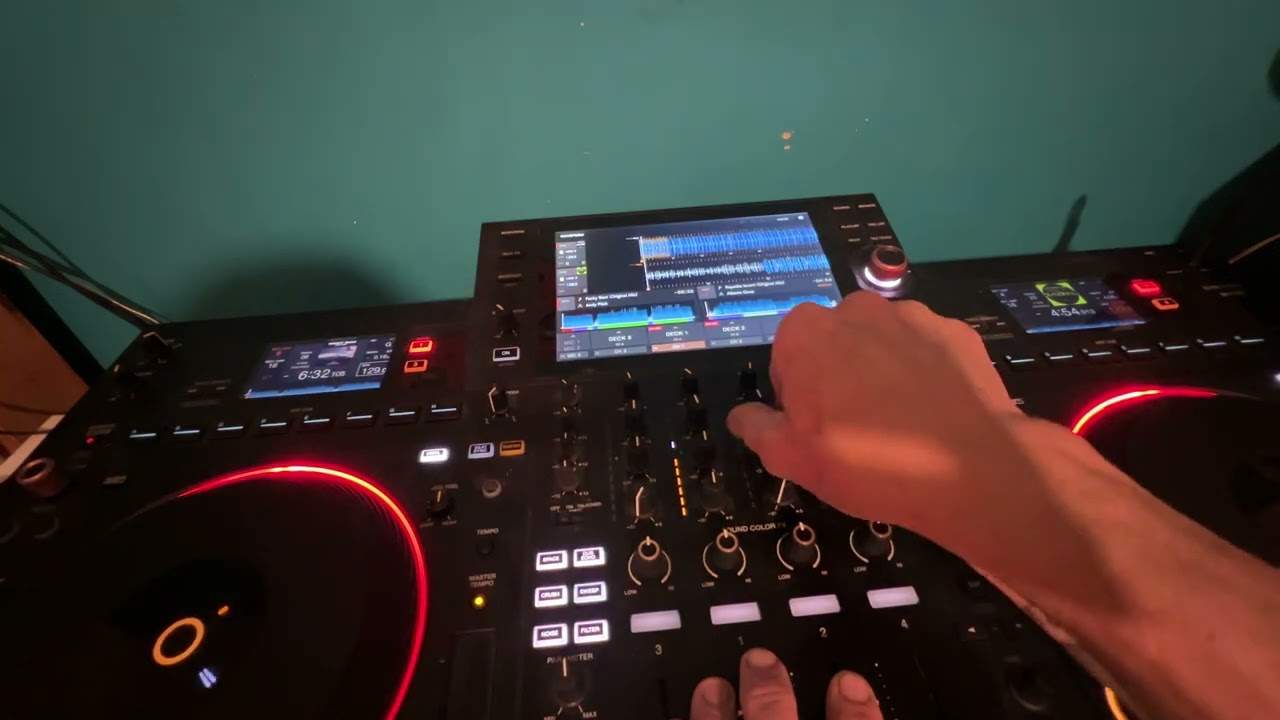
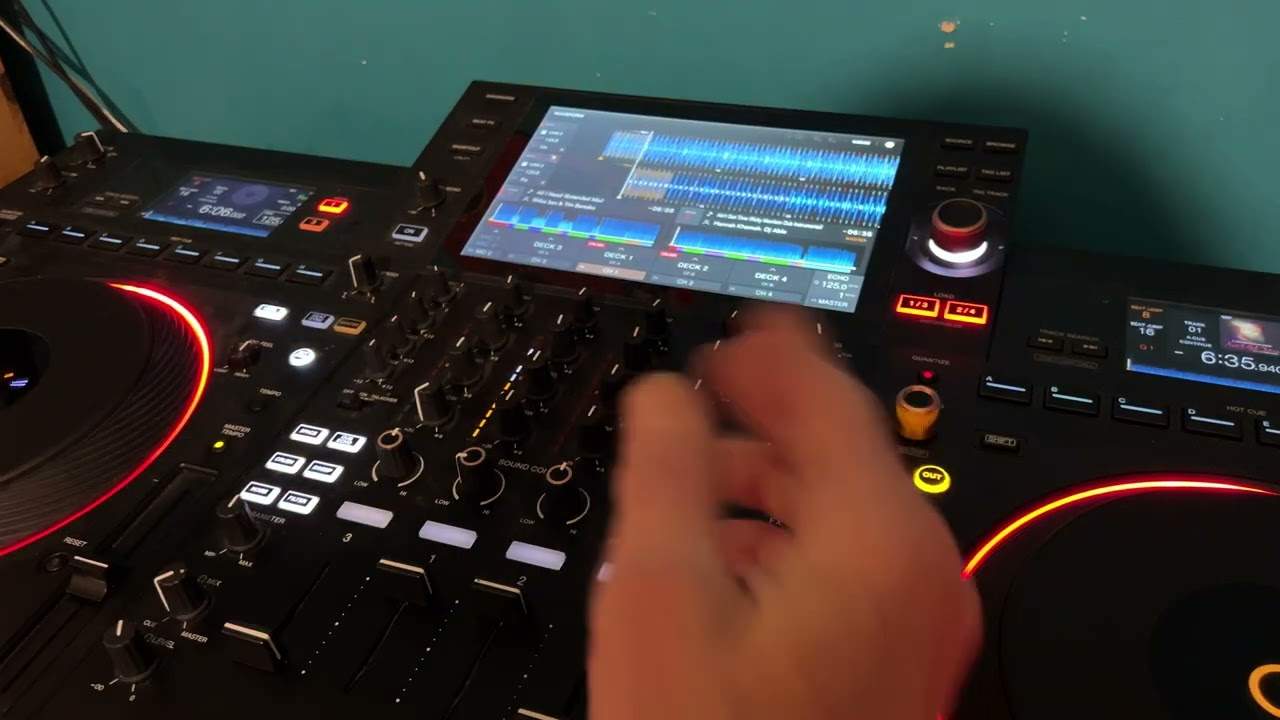
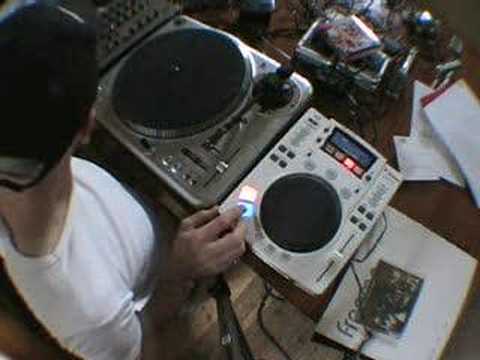
Alright folks, this is video number 11 in a selection I'm doing entitled Why Does a DJ Use? Now then, in this one we're going to look at an effect. Now then, an effect, what I'm on about there, is something that changes the sound, OK? That's what we're talking about when we talk about the word effect. Now then, changing the sound, what we're on about there, is regarding DJ appliances. Bits of kit the DJ will actually use. Now in this one, we're looking at this guy here, it's a Vestac CDX-05. Now then, an effect we've got on here is something called the delay. Now then, what is a delay? Okay, now then, think about this. Let's say you're in a room and all of a sudden a long corridor or a room and all of a sudden you say, Oi! What you'll have is you'll have an echo hit you. Now what happens is simply this.
The sound out of your mouth will travel, you will hear that sound straight away within a split second, but the sound will travel out of your mouth, it will hit the back wall and come back to you. Now that's an echo, but delay is the time it takes for that sound to hit the wall and to come back to you. Now that is what is called delay. It's a delayed sound, that's the easiest way to look at it. Now then, how that works is simply this. It will sample the sound and determining how much you want the delay to be, basically it will copy that sound after the original sound has been made. Now then, have a listen. There's the sound, OK? Now if we hit the delay button... I'll cue that up ready, is I've actually had the delay so it's exactly after the beat. In other words, if we have that bass beat, boom, and then we have a ch, boom, ch, boom, ch. Now if you imagine the bass beat's going boom, what I've done, I've set the delay so the boom will come back on the ch, and then the ch will come back on the boom. So what we've got, we've got a beat that's going bang, bang, bang, bang, bang, as opposed to bang, ch, bang, ch.
2:31 I can actually change that delay by moving the jog wheel
Now just have another listen. Now then, I can actually change that delay by moving the jog wheel. I can make it faster or slower. In other words, instead of it going bang like so, one, two, three, four and the actual delay is bang, delay, bang, delay, bang, delay. That sounds bizarre. I'm trying to explain it as best as I can. Instead we can have bang and then more of a gap. Then we can have the bang again, so it'll actually be off-beat. Here, it's on-beat. I'll just give you a demonstration. Now you can hear there, it's all over the place. Now, a way of explaining that is something like this. If, let's say, you were in a room and you went oi! And you heard back that sound oi! And then as soon as you heard that sound oi, you said oi again. Oi! Oi! Like that.
4:20 Actual
You wouldn't actually hear, to a certain degree, your echo because as soon as you're saying oi for the second time, that sound is coming back and hitting your mouth or hitting your ears should I say. But if you went oi and then the echo came back at you and then all of a sudden you said oi at a different interval, oi, oi, originally when the sound's coming back at you but then let's say you went oi, oi, oi, oi, oi, oi, oi like that. Now that's sort of what's happening here. The only difference being is that the actual delay is a constant, but it's not in beat with the actual music. Now then, this is where we can start to really mess around and have a bit of fun with this. I'll show you. You could spend all day messing around with that, but here's an idea for you, OK? Let's say you're using the headphones and you want to get that delay so it's spot on with the beat.
Okay, now logically if you want to get it on with the beat and you're messing around like that while it's live, it's going all over the place and it doesn't sound very good. So I'll give you an example. Now then, you're going to hear this through the actual PA system but let's just pretend what you're listening to now is exactly what you would be listening to through the headphones. Press the delay, get the delay going and then de-press the delay and see what it sounds like. I hope that's been a help. This is another video, video number 11, entitled Why Does a DJ Use? In this one we're looking at the CDJ, why does a DJ use an effect, and in this video we're looking at the effect which is called the delay. Thanks for watching, practice and enjoy.
This transcript was produced automatically from the audio of the video and may contain mistakes.