 6:59
Accent in Music What Is It and How to Use It in a DJ Mix
Contents of the video
0:01 In greater detail, you know, one
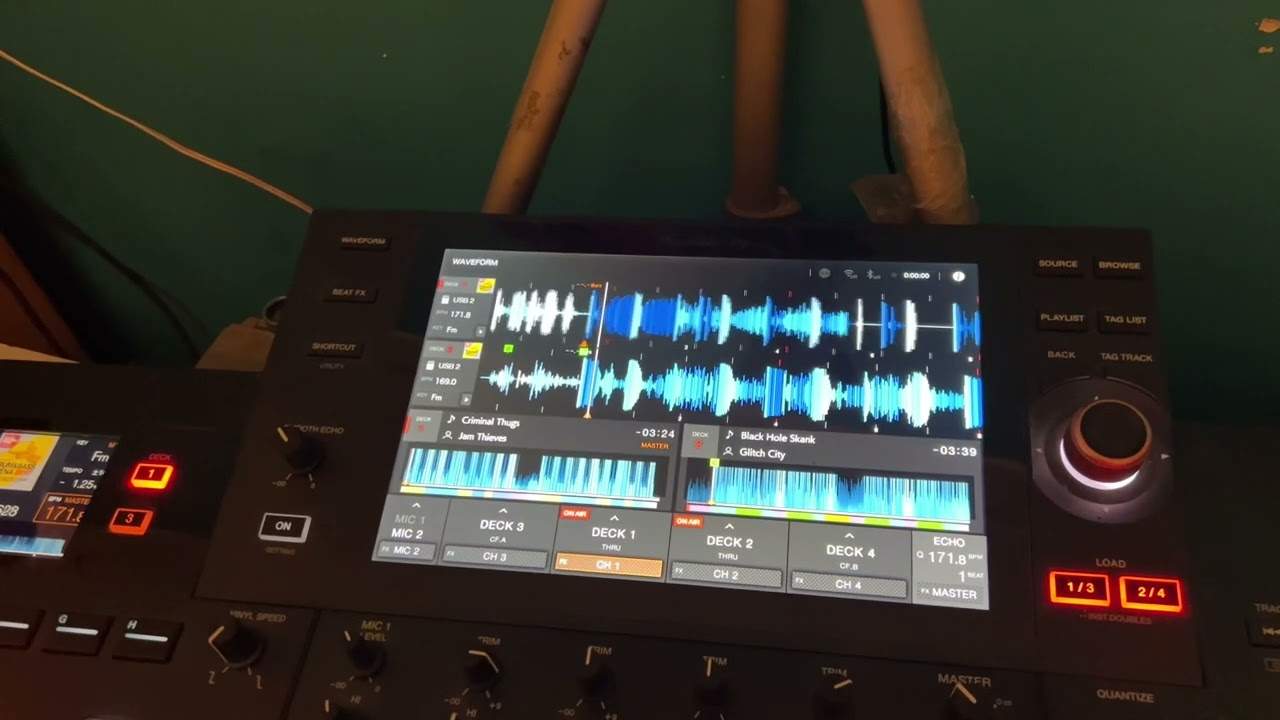
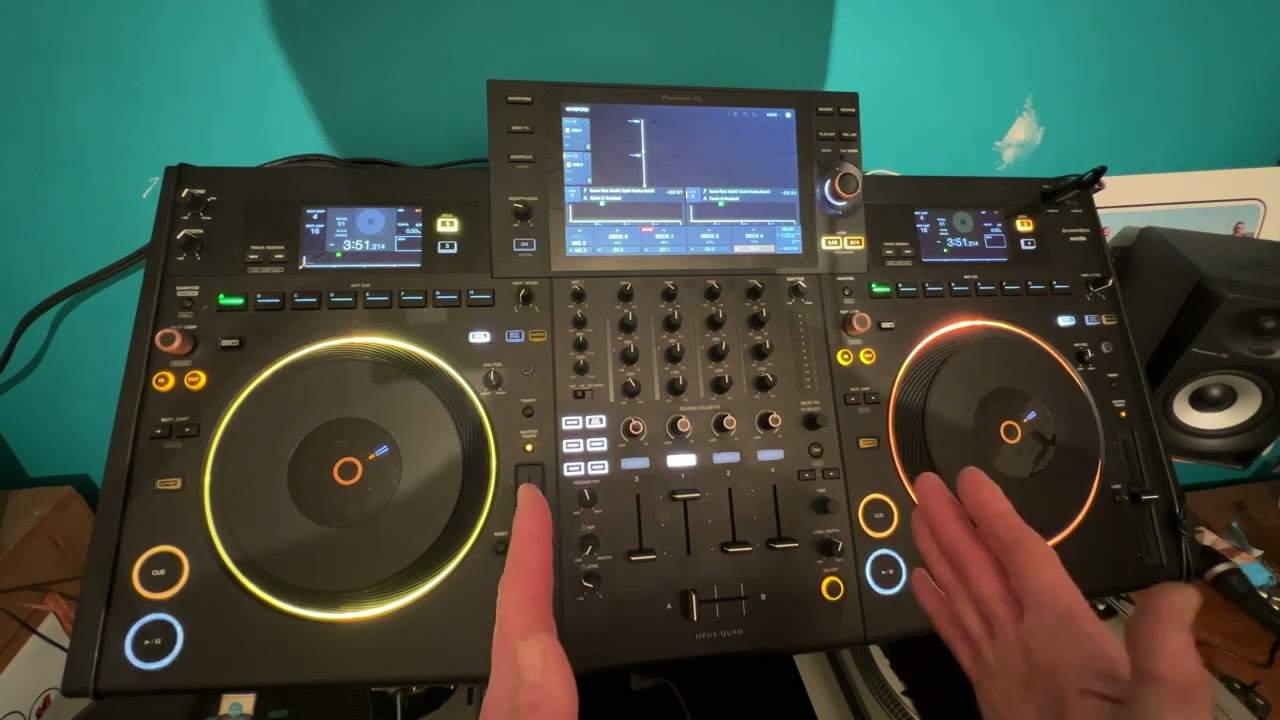
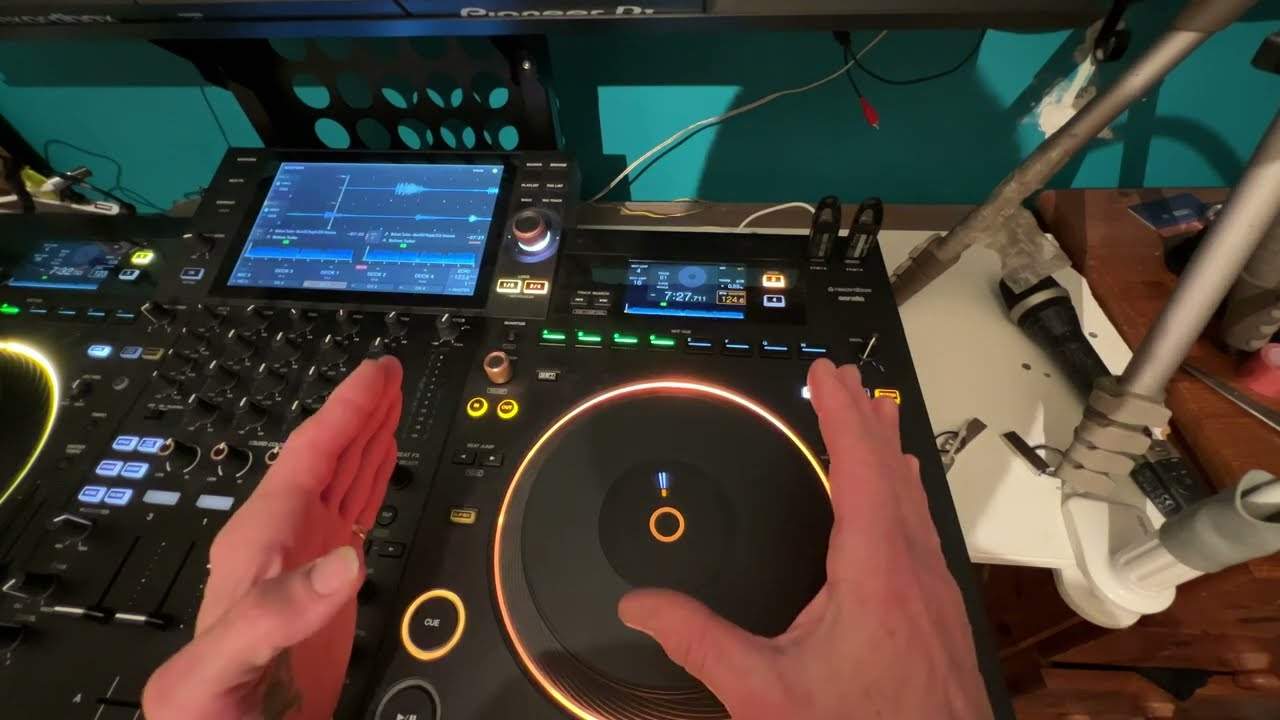
Right, ladies and gentlemen, got the Opus Quad here. Now, this is a tutorial, but mainly an explanation stroke demonstration. Now, if you're dealing with any style of dance music, of course, you have timing. One, two, three, four is a bar, and you have an offbeat and an onbeat. So, all right, I'll explain in greater detail, you know, one, two, three, four. So, if you're talking about, say, hip-hop, you've got kind of that low beat and the high beat, a bass kick, and then a snare, bass kick and snare. If you're talking about house, it's generally a bass kick, boom, boom, boom, boom, one, two, three, four, whereas hip-hop, it's bass, snare, bass, snare, quite similar with drum and bass, etc. Now, what I want you to do is
Think about what I'm going to explain, and hopefully it will open your mind a little bit more to what goes on inside an actual beat. Now, if you imagine, let's say we take two seconds, one, two. Now, you may think, okay, we've just counted two seconds, one, two. Now, let's imagine we record that counting, one, two, in normal time. We play that back, and then we stretch that time to a minute. Now, you've got 60 seconds inside that one and two, which means there's loads of space you can do other stuff in. So, how does that correspond to this video and timing? Now, if we look at the wave format, we can see that the wave format is a... We're able to stretch it. We're able to reduce the wave format, and we're able to stretch it. So, if I press play now...
2:12 There is a lot that can go on inside those gaps
By the way, the tune I'm using is Barbara Tucker, Beautiful People, and hopefully I'm not going to get any copyright issues. I'm only going to be playing snippets of this track anyway, but if you look there, in between there, start again. We've got gaps. So, there is a lot that can go on inside those gaps. Now, in music terminology, we've got something called an accent. It's not an accent as in, all right there, boss, how you doing? Or, oh, wow, there, how you doing? Oh, very good, very good. Not that kind of accent. Yeah, I like to use a little bit of humour. But an accent as in timing. So, when you have two beats, one and two, you can have something in between. One-ch-two, one-ch-two. But also, you can have something in between those. One-at-two-at-three-at-four-and.
Now, when you start talking about having a bit of timing in between, let's say, for example, one and two, in between those times... You're sort of off beat slightly. That's when you get something that can be classed as an accent. It's almost as though it's not in time with the beat, but it is actually in time. It's just out of time with your counting. Now, let's just have a listen to this.
Now, I've set that cue point at the all, the A in all.
4:03 I'm going to count one-two-three-four, one-two-three-four
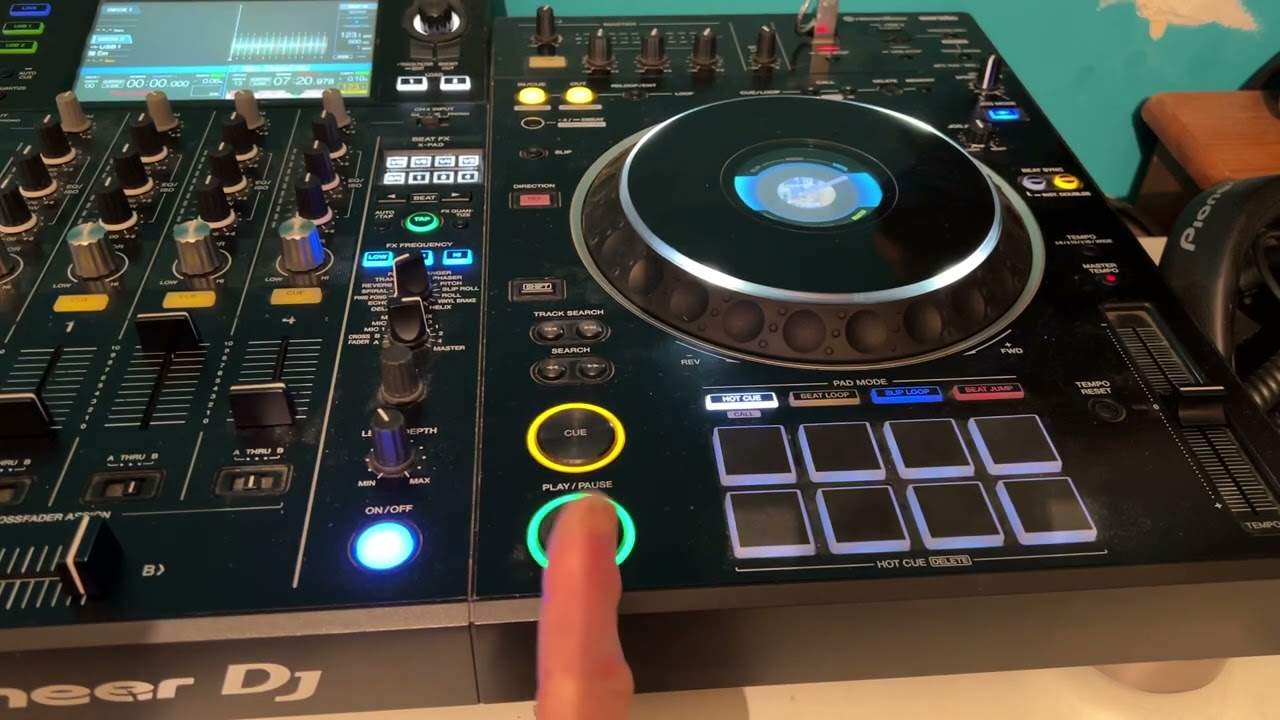
Now, what I'm going to do, I'm going to demonstrate... that now. I'm going to count one-two-three-four, one-two-three-four. To begin with, I'm going to press D, that hot cue on the count of one. So, I'm going to count like this. One-two-three-four, one-two-three-four, press two-three-four. I'm going to just count normally one-two-three-four, but let's see how much out of time... that hot cue is. One-two-three-four, one-two-three-four. See it's out of time. I'll do it again. One-two-three-four, one-two-three... It's out of time because what's happened... is that the vocals started on the accent. It started on the off beat. This time, I'm going to count but I'm going to bring it in at the correct time. One-two-three-four, one-two-three-four.
One-two-three-four, one-two-three-four. One-two-three-four, one-two-three-four. One two three four one two three four one two three four and so on. Now again, as I said earlier, I don't to play too much of this track for copyright issues. So really this video is about trying to explain to you possibly why when you're setting hot cues, at the beginning, beginning or maybe the middle or the end of a certain vocal sentence you seem to find it's out of time it's very likely because the vocals have started at in between the beats in other words not at the one not at the two not at the three or the four but maybe the one and or the one and so in other words one and two maybe the vocals have started at the one
And the and in between right in the dead center of the one and two alternatively it could be in between the one and the end it could be in between there as well now if you're a hip-hop turntablist turntableist you'll understand this a lot more because instead of just scratching like so one two three four one two three four you will scratch like
You'll scratch more inside the beats now i hope this makes sense ladies and gentlemen uh by all means please send you know put underneath the video some comments but there of course will be more demos tutorials like this thank you for watching practice and enjoy you
This transcript was produced automatically from the audio of the video and may contain mistakes.
Related videos
-
Complete Beginner DJ Lessons Video 26 Practise Play Pause on Time in a Bar
The shortest exercise in the course, and the sort of thing that looks too simple to bother with. The drill Press play at the start of a…