 1:48
The waveform and what it is for
On YouTube this video is called Complete Beginner DJ Lessons Video 15 a Look at the Wave Format and What It's For
What this lesson teaches
A short lesson that connects two things you have already met: the waveform display, and the bars and phrases you have been counting.
Zooming
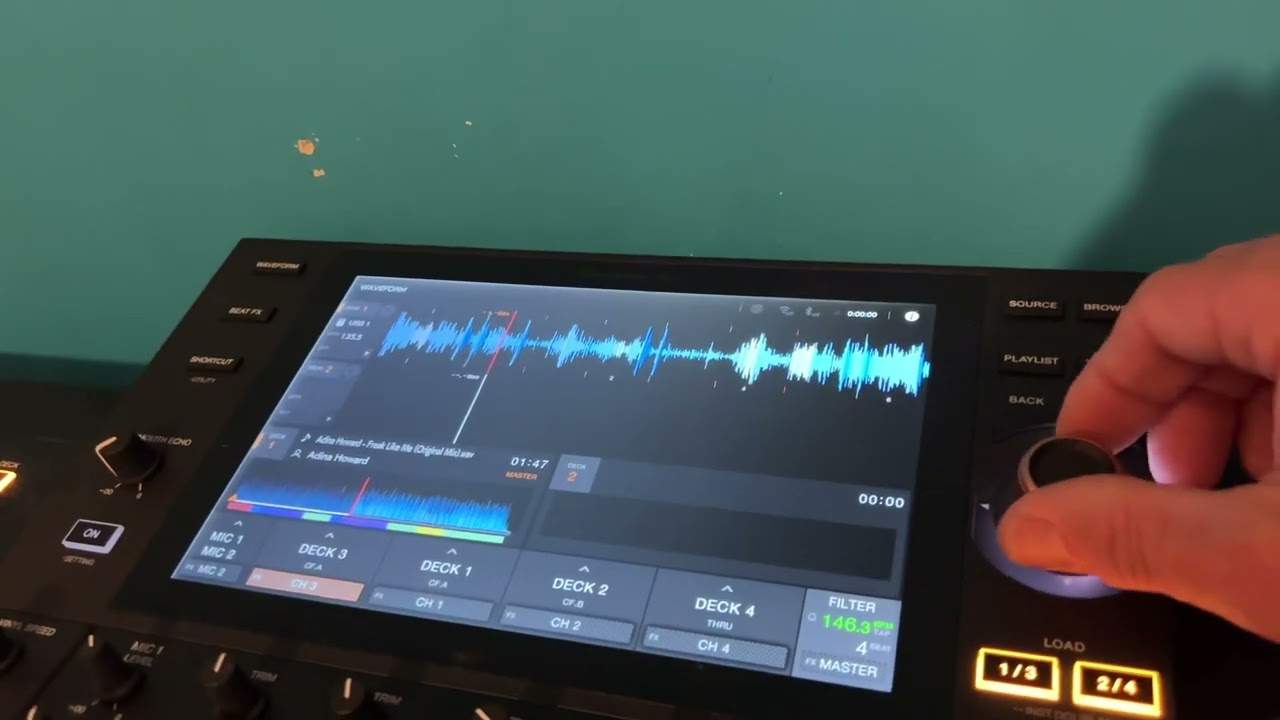
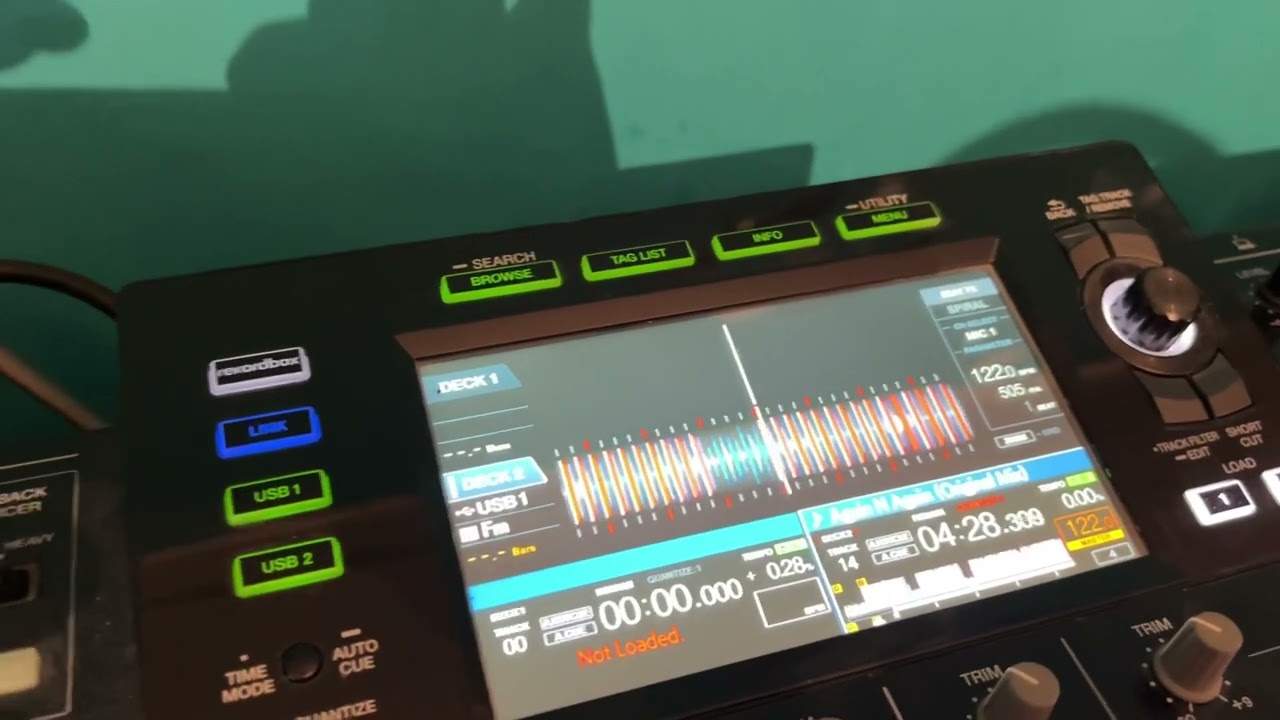
The dial stretches or compresses the waveform. Zoomed out, you see the shape of the whole track; zoomed in, you see individual beats.
Both views are useful and for different jobs - the wide view for planning where to mix, the close view for lining things up.
What the gaps are
Moving through the track there are visible dips - places where the waveform thins out.
He plays across one and asks you to listen. What disappears is the bass kick. The rest of the track continues; the thing holding it down has gone.
That is the usual story. A dip in the waveform means elements have dropped out, and more often than not the drums are among them. It is a breakdown, or the run-up to one.
And they land on the numbers
The point that makes this lesson worth more than it looks: those breaks are constructed in fours, eights, sixteens and twenty-fours - exactly the structure from the counting lessons.
So the waveform is a picture of the phrase structure. Everything you were counting by ear is drawn on the screen.
Why that matters
Because it lets you plan ahead instead of reacting.
Counting tells you where you are now. A glance at the waveform tells you there is a breakdown coming in twenty seconds, and roughly how long it lasts - which is enough information to decide, before it arrives, whether that is where the next track comes in.
Use both. The ear is more reliable and the eye is faster.
Contents of the video
Right, ladies and gentlemen, video 15 for the complete, total and utter beginner. We're looking at the wave format of a track. So here we can see the whole wave format and you can see some dips. Here we can see a longer version of the wave format. So what I can do with this controller, I can turn this dial and we can elongate or compress the wave format. But if I bring the track forward, if we can see here, we've got like a small gap. So what is that gap? Why is it there? What does it do and what does it sound like? So I'm going to play the track. I had it paused. That's why I jumped back. OK, so let's again elongate and listen. Go back a bit. OK, here we've got all elements of the track, the beat, melody. There you go.
Have a listen again. Can you hear the difference at the gap there, at that break?
There you go. What happened was the bass kick disappeared. Now, generally, that's what you'll find when you see these gaps. A lot of the elements of the track will tend to disappear. More than likely, it's that bass kick. And also relating back to one of my previous videos, what you will find is those breaks are always constructed in fours, eights, sixteens or twenty-fours. OK? And of course, don't forget, if you're not sure what that is, go and look at the previous video where I talk about bars and phrases. All right. Thank you for watching. Practice and enjoy.
This transcript was produced automatically from the audio of the video and may contain mistakes.
This video is part of
Related videos
-
Complete Beginner DJ Lessons Tags Key BPM Etc
A more advanced lesson folded in early, and worth doing once rather than putting off, because everything it sets up gets used for years…
-
Complete Beginner DJ Mixing Lessons Video 19 Getting Your Kit Ready for an Easy Mix
A whole lesson on getting ready, which is the right call - the exercise in the next video only teaches anything if the two decks are…