 3:13
Low, mid and high EQ - bass, mid and top
On YouTube this video is called Complete Beginner DJ Mixing Lessons Video 12 a Look at the Low Mid and Hig EQ bass Mid and Top
What this lesson teaches
A listening exercise rather than a technique, and the right way round: you learn what a band contains far faster by taking it away than by boosting it.
The working range
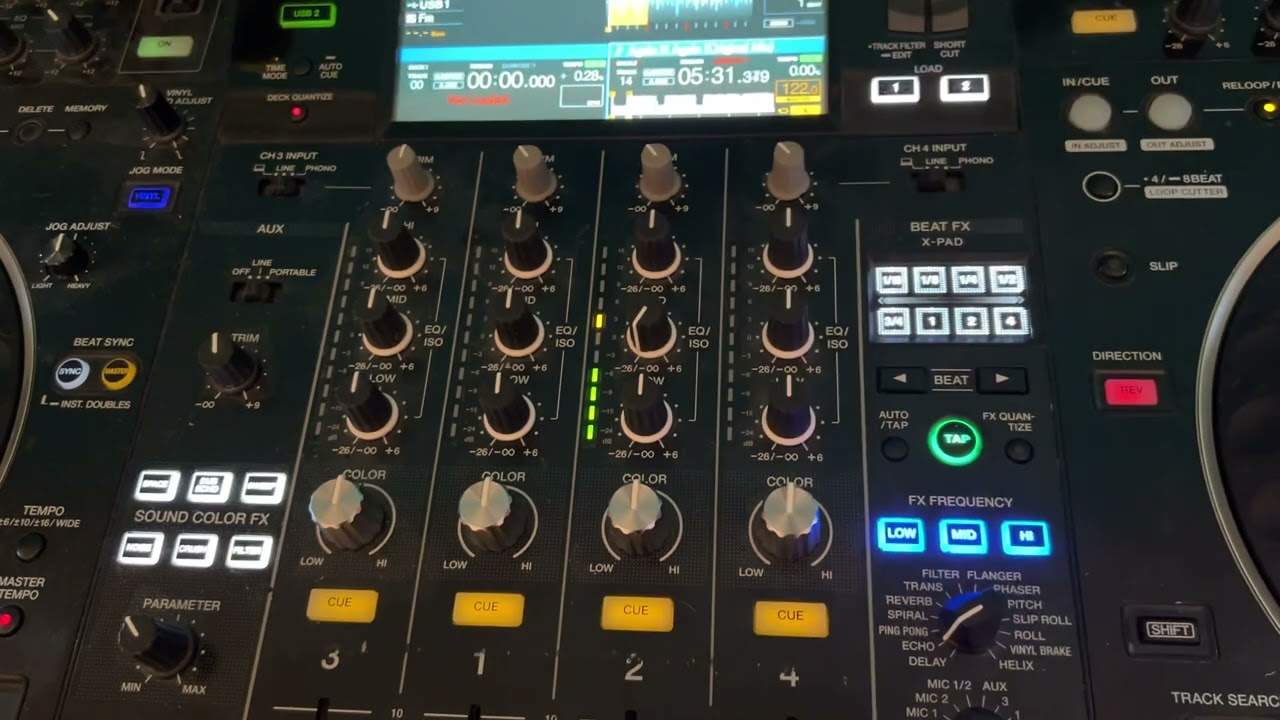
Before the exercise, his rule of thumb: the useful territory is from seven o'clock - off - up through twelve and as far as one or two o'clock.
Above that you are into territory where you can damage your sound system and will certainly damage your sound. A boost is added gain, and a knob at maximum is a lot of it.
So: cut freely, boost a little, never all the way.
What each band takes with it
He plays a loop and removes one band at a time. What you hear:
Take the mid out and the guitar - the melody, the body of the tune - simply vanishes. The track is still there and the song has gone.
Take the treble out and the difference is smaller but unmistakable: it goes duller, and his description of it is the best in the whole series - the colour of the sound has disappeared.
Take the bass out and the track loses its weight. Everything is still audible and nothing is pushing.
He repeats it on a section with a beat in it, where removing the low leaves the kick a thin tap and removing the mid leaves the hi-hats sitting on top of almost nothing.
How to use this
Do it yourself, with a track you know extremely well, one band at a time, with your eyes shut.
The purpose is to build a map: when you later decide that a mix is muddy, you need to know instantly which knob owns the problem. That only comes from having heard each band disappear enough times to recognise its absence.
Contents of the video
0:00 Video number 12 for the complete Total Nutter beginner
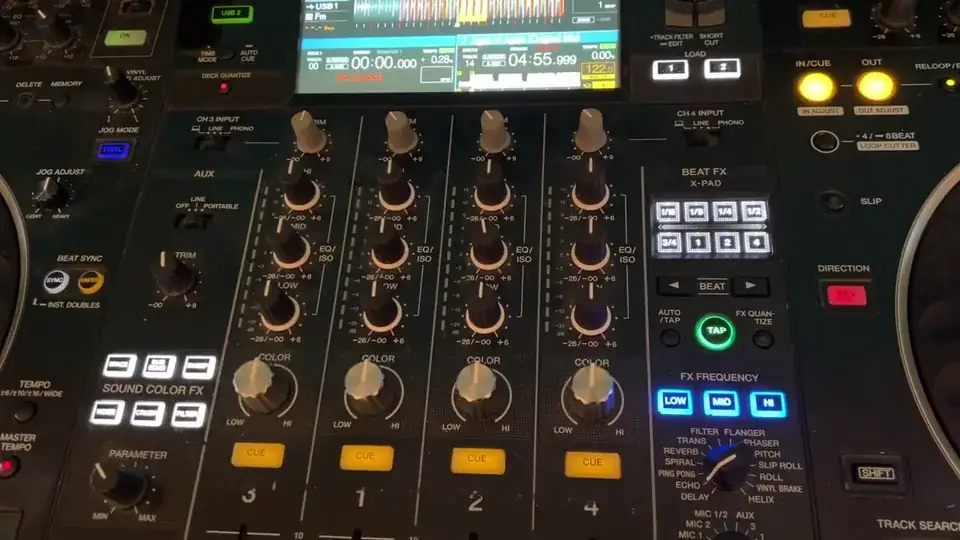
Right guys, video number 12 for the complete Total Nutter beginner. In this one, we're going to look more so at the low, also known as the bass, the mid and the high, also known as the treble. And let's hear what it sounds like when we have a mess around with these dials. And very quickly, always a good rule of thumb is you can put the dials from the off position, which is around about 7 o'clock, and then you can put them to 12 o'clock and maybe 1 or 1.30 to 2 o'clock. But it's never really a good idea to put them all the way across. Full, because what you could end up doing is messing up your sound system. So try and stick around 2 o'clock all the way to 7. That is a good area to work in. Anything above that and you could start, like I said, to ruin your sound system and have issues just with the audio itself.
Now I've got a couple of loops, so let's have a listen now. What it sounds like if we take away the mid. So I've got a very basic loop.
1:22 Let's take the treble away
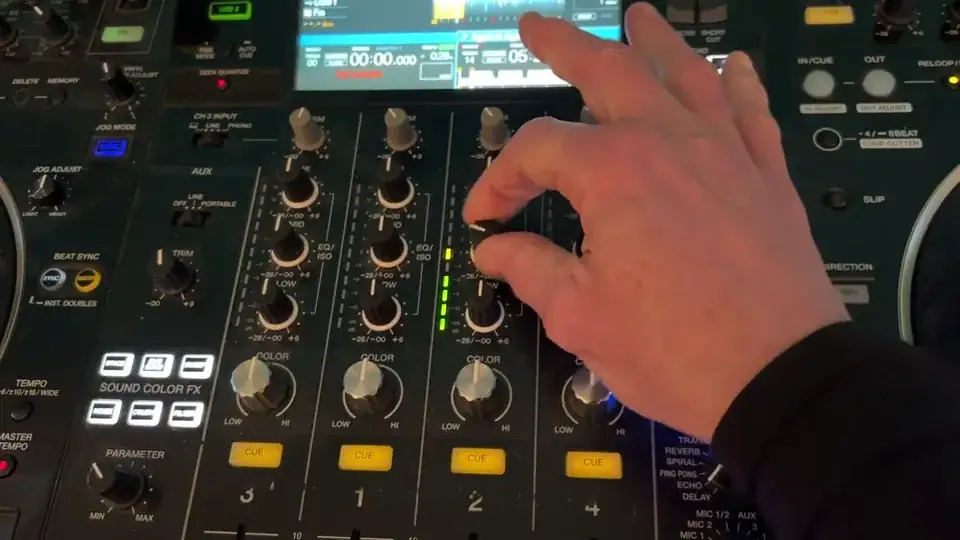
There you go.
Turn it up.
So you've got that nice kind of sort of guitar sound and all of a sudden it seems to disappear. But if you can hear in the background, we've still got that nice, really high pitch sound, which is the treble. Let's take the treble away.
2:04 We seem to have lost a lot of the body of the track
Not much difference, but it seems to be a little bit more duller. It's as though the colour of the sound has disappeared. That's the treble. Take the bass away. Now we seem to have lost a lot of the body of the track. That's the bass, the mid. OK, let's put another part of the track on with a beat. There you go. We've got more of a bass beat now. Let's take. That low out completely disappears.
Let's take the treble out again. Now it just sounds a little bit empty.
Let's try the mid.
There you go. Now what we can hear is like a really high pitch sound and that third to that kick from the 4-4 time. So that's the sort of sounds you'll expect to hear when using the low, the bass, the mid and the high or the top. Thanks for watching, practice and enjoy.
This transcript was produced automatically from the audio of the video and may contain mistakes.
This video is part of
Related videos
-
Complete Beginner DJ Lessons Tags Key BPM Etc
A more advanced lesson folded in early, and worth doing once rather than putting off, because everything it sets up gets used for years…
-
Complete Beginner DJ Mixing Lessons Video 19 Getting Your Kit Ready for an Easy Mix
A whole lesson on getting ready, which is the right call - the exercise in the next video only teaches anything if the two decks are…