 5:43
Break, dump and reverse
On YouTube this video is called Denon DN-S1200 Tutorial, Break, Dump, Reverse FX.
What this lesson teaches
Three buttons on one player, and their design is a straight translation of things turntables do by themselves.
Break
The track slows to a stop when you hit pause, instead of simply ending.
The parameter is time, from 0.2 seconds to 4, and the two extremes are each an imitation of something physical:
0.2 seconds is a hand on the side of the platter. A fast, violent drop in pitch - the sound of a record being stopped on purpose.
4 seconds is switching the turntable's power off and letting it coast. A long, sagging descent where you can hear the pitch falling the whole way down.
He demonstrates both, plus two seconds in the middle, and the comparison is what makes it stick: these are not arbitrary numbers but a dial between two gestures that vinyl DJs have always had.
Used for endings, and for the deliberate full stop before a drop.
Dump
Four seconds of the track, played in reverse over the top, while the record continues forwards underneath.
That combination is what makes it usable. A plain reverse takes the music away; dump adds the reverse as a layer and leaves the groove intact, so the floor keeps its beat while something sweeps backwards across it.
Press it again inside those four seconds and the reverse drops out, leaving the track where it always was.
Reverse
The blunt version: the music plays backwards, and keeps playing backwards until you press it again.
No underlying forward signal, and no automatic return. Whatever happens next is your responsibility - which is why dump exists.
The pattern
Worth noticing across all three. The useful versions are the ones that keep the beat going while something else happens over the top, and the risky ones are the ones that take the music away.
That is the whole argument of this course in three buttons: an effect that adds a layer can be used freely, and an effect that removes the record has to be paid back within a bar or two.
Contents of the video
0:13 This piece of kit from Denon
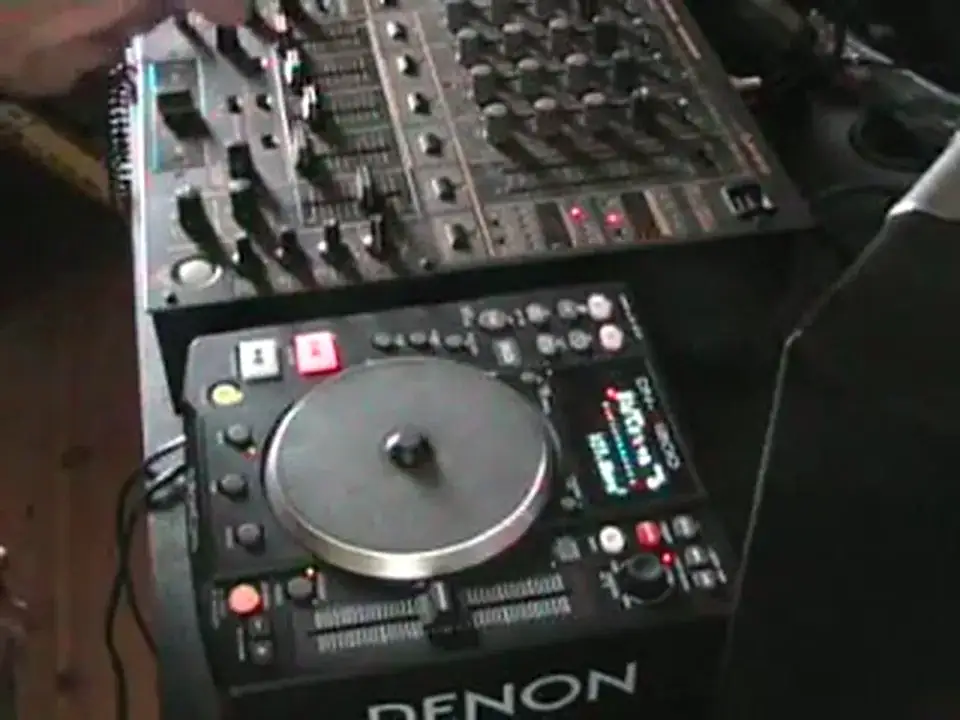
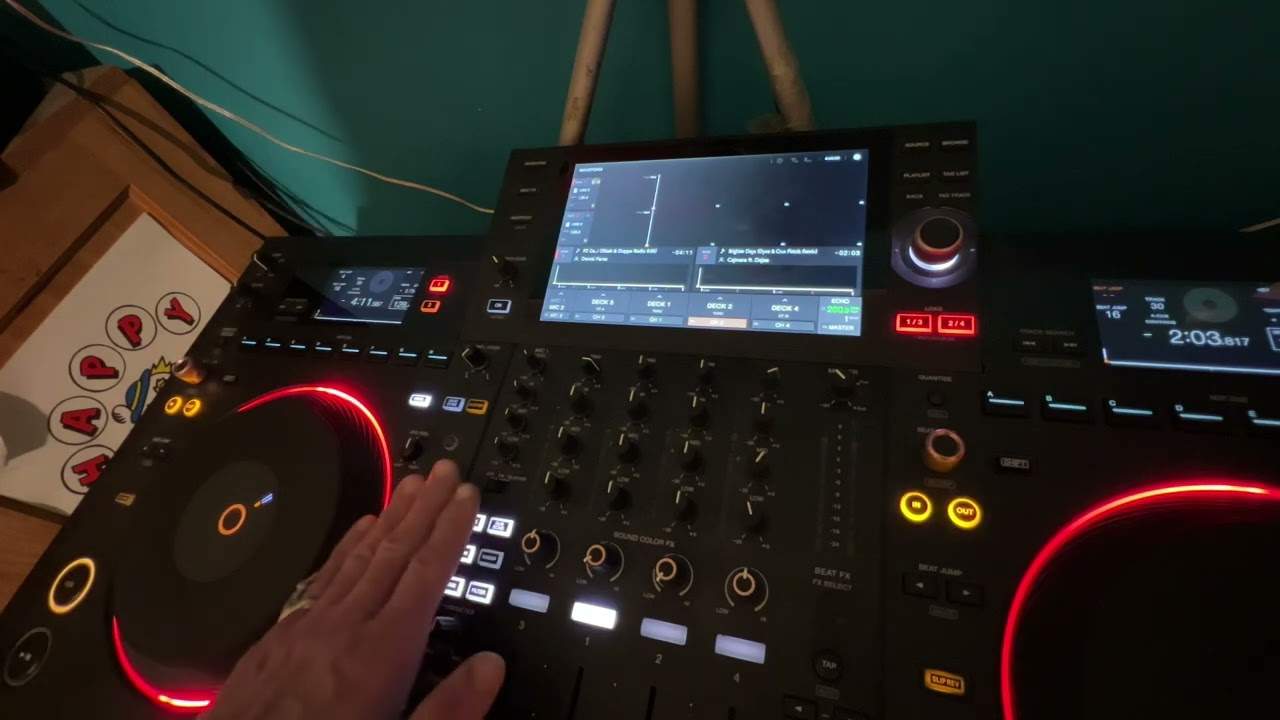
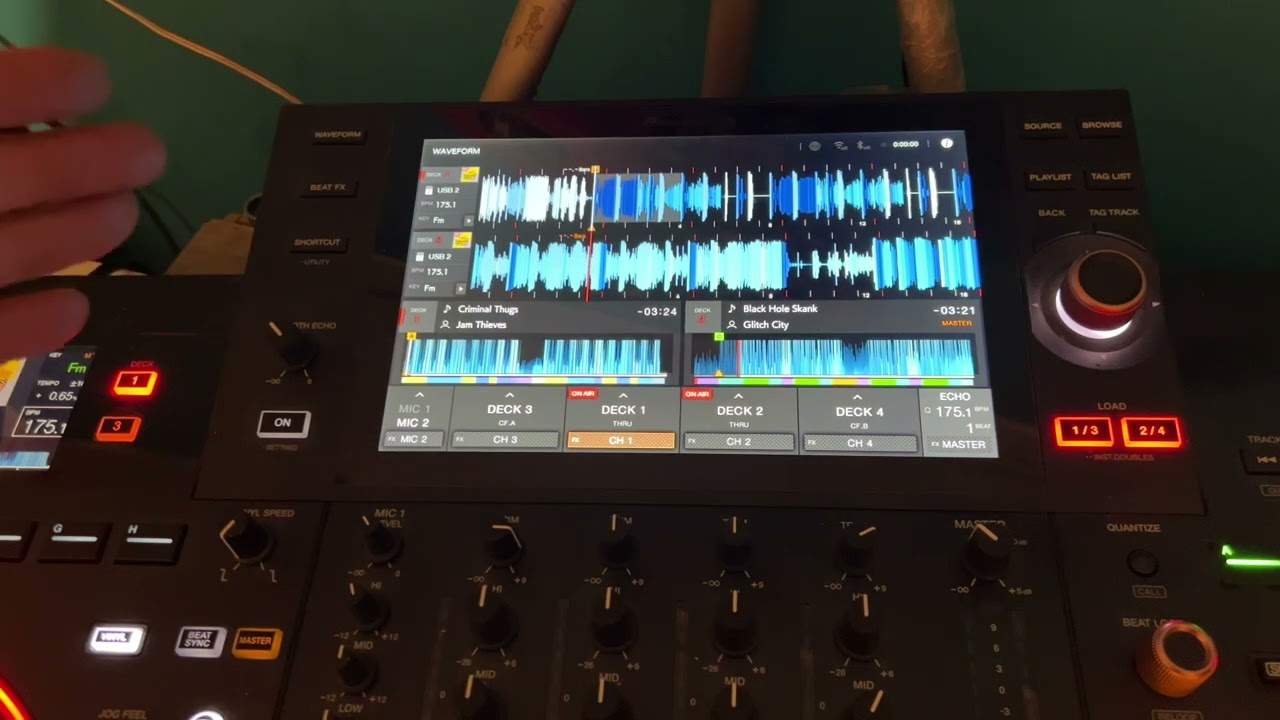
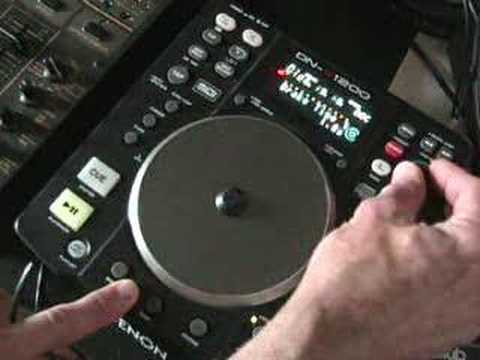
In this video, we're going to have a look at this piece of kit from Denon. It's known as the DNS-1200 and in this video, we're going to be looking at the break, the dump and the reverse feature. The dump has got nothing to do with where you put rubbish or it's got nothing to do with that small tiny room in your house where occasionally you'll go in, come out and you'll shut the door because you'd have left a smell in there. Excuse me. Okay, here we go. That there is the break, that's dump and that's reverse. Look to the side of the video in the description for the name of the track. Let's just play the music. What I'm going to do first of all, I'm going to press the button that says break. What we've got here, break time 0.2. While that's flashing, we'll have that icon come up on the screen. So let's press that again. Time. We can go from 0.2 all the way up to 4. Okay, what I'm going to do, just going to disable the break now.
Pause that. So what does it mean, 0.2 and 4? Well basically, it's the amount of time you'll have in between the track playing at its normal speed and then going through and stopping completely. So in other words, when it's on at 0.2, the track will be playing and then as soon as you press play pause, it will stop but it will take 0.2 of a second to go from playing at its normal speed to eventually stopping. Then when we go to 4, it will take 4 seconds from its normal speed to stopping. In other words, you'll have a gap of 4 seconds before it eventually stops. So now I'll give you an actual demonstration. So let's play the music. Go to break. At the moment now we're on 4 seconds. Watch what happens or listen when I press play pause. OK, what I'm going to do now is play the music and we'll go through to 0.2 seconds. So again, press play.
2:12 What we have there, let's say for example this is a vinyl turntable

Okay, what we have there, let's say for example this is a vinyl turntable. If you imagine the piece of vinyl is moving on the turntable and I all of a sudden put my finger on the side of the platter with a bit of force like that, oh, that's near enough exactly the same sound you would get with a vinyl turntable and that's the equivalent sound we're getting with this guy here. Let's listen to that again. What I'm going to do now is go halfway, so let's go to about two seconds. Press play, make sure that's flashing, go through, two seconds, and now let's have a listen. So we had near enough two seconds before the music stopped completely. We'll press play again, make sure that's flashing, go through for four seconds, do the same thing. So it took four seconds before the music stopped. So the equivalent of that with a vinyl turntable is let's say me turning the power off.
3:45 Let's play the music again
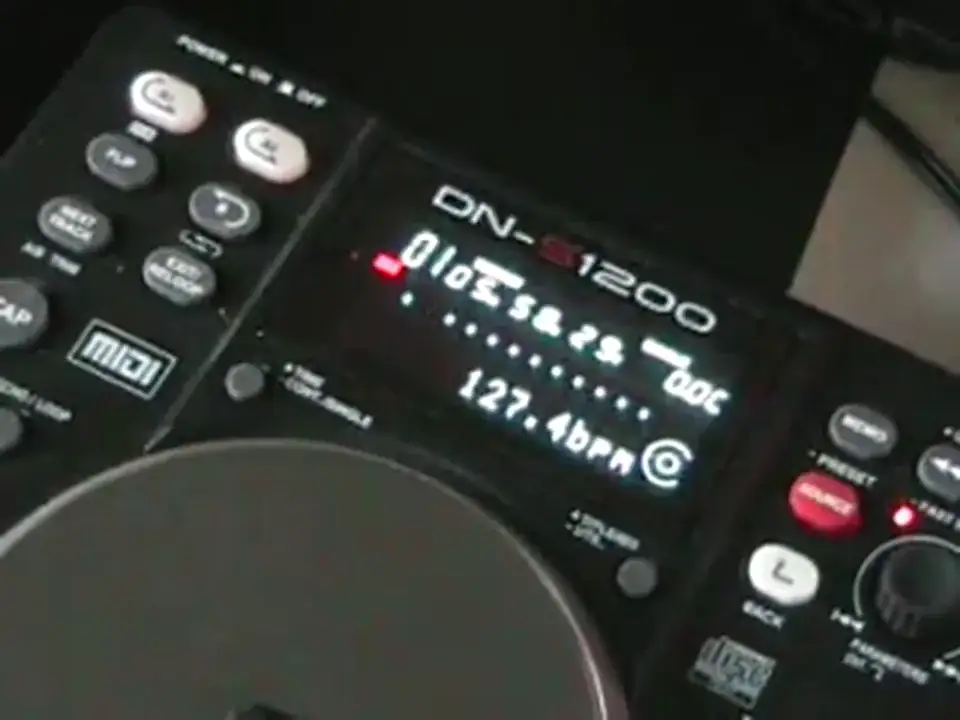
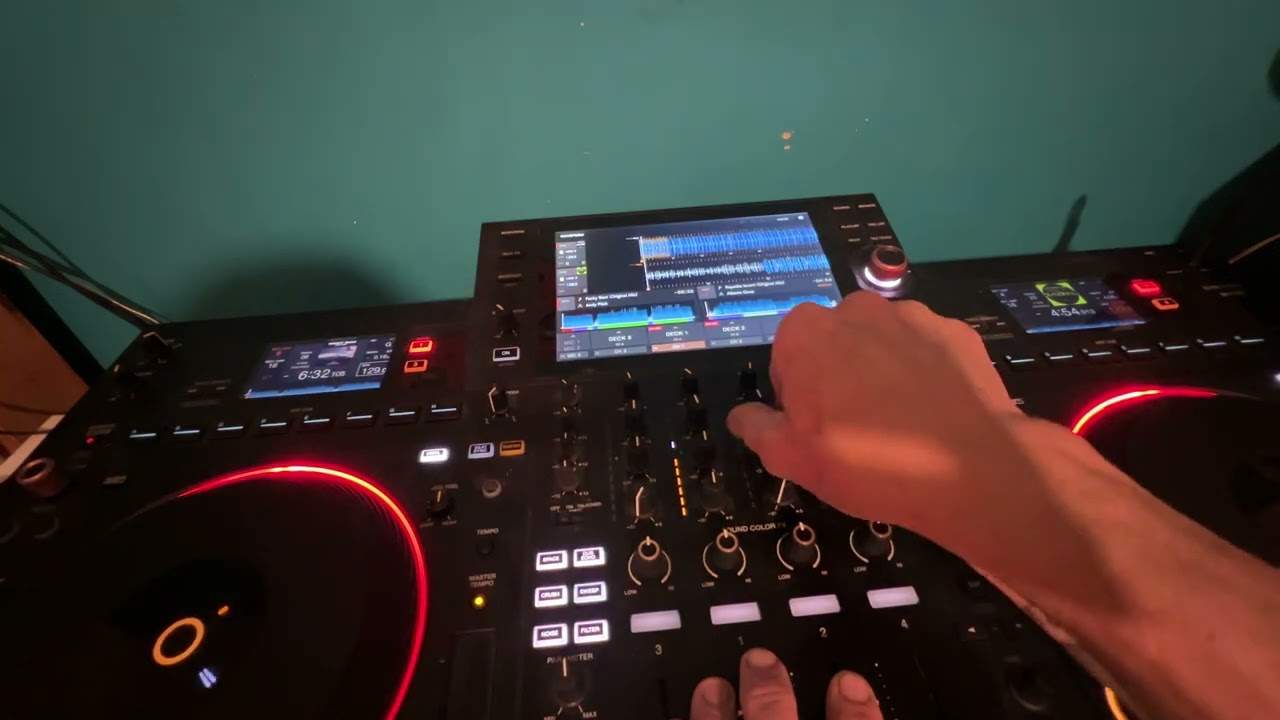
On the vinyl turntable, not touching the platter and letting that slow down naturally. That's exactly the same thing. Right, this time now we're going to have a look at dump. Make sure that the light is off here and then we can press dump. Have a listen. Okay, what's happening with dump? What we need to do is have a closer look at that area there. What basically happens is when you press the dump button, you'll get a reverse sound but at the same time you'll have the music playing underneath the reverse sound. So let's play the music again. I'm going to press dump, have a look at this area here. And again. So there you go. Basically what dump does, it will let the music play continually. But also it will take four seconds of the music and reverse that, which is near enough what this guy here will do, reverse. So let's play the music. Let's press reverse. Right, basically the difference between reverse and dump is that when you press the reverse button...
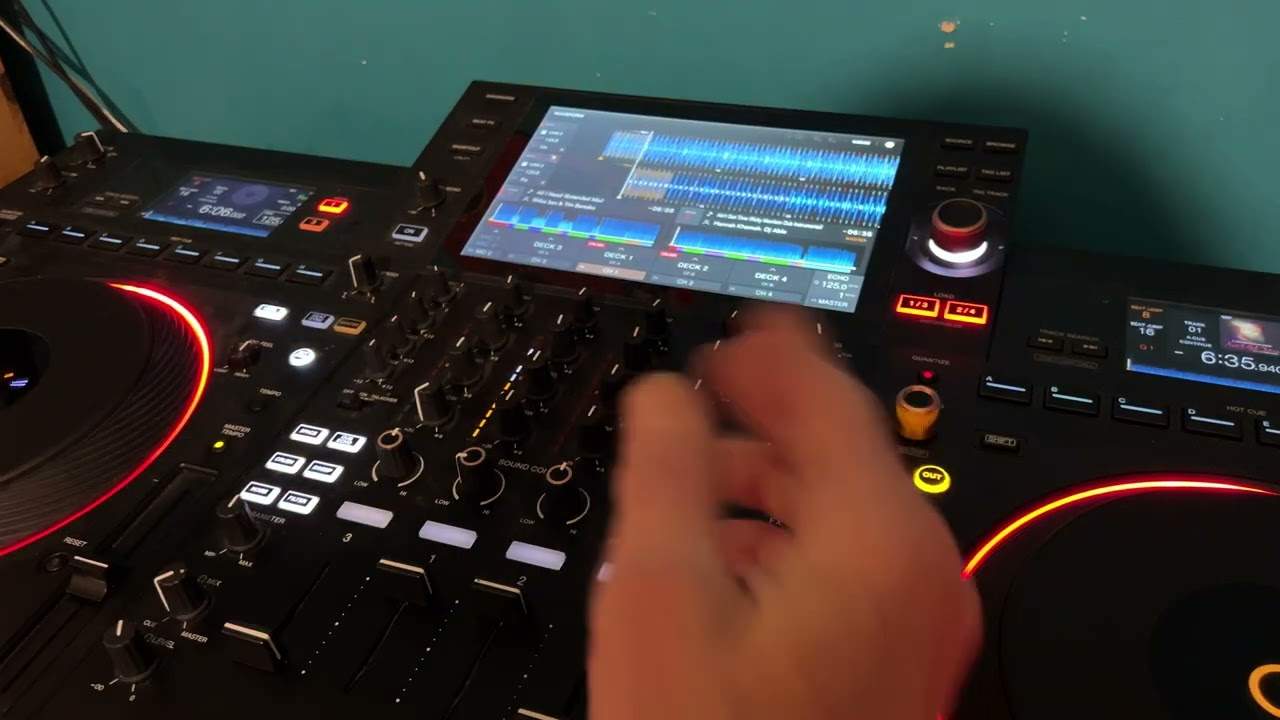
The music will just reverse, but it will carry on going in reverse mode until you press it again. So let's have a listen. Also with dump as well, we've got four seconds here. Let me show you again. But at any time in that four seconds you can press the dump button again and then you'll get rid of the reverse mode and you'll just have the underlying music coming back in in its fullest extent. Hope that's been a help. Practice and enjoy.
This transcript was produced automatically from the audio of the video and may contain mistakes.