 1:45
Slip mode
On YouTube this video is called PIONEER CDJ-900.....Slip mode
What this lesson teaches
A hundred seconds on a feature that is cleverer than it first appears, and the display is what explains it.
What you are looking at
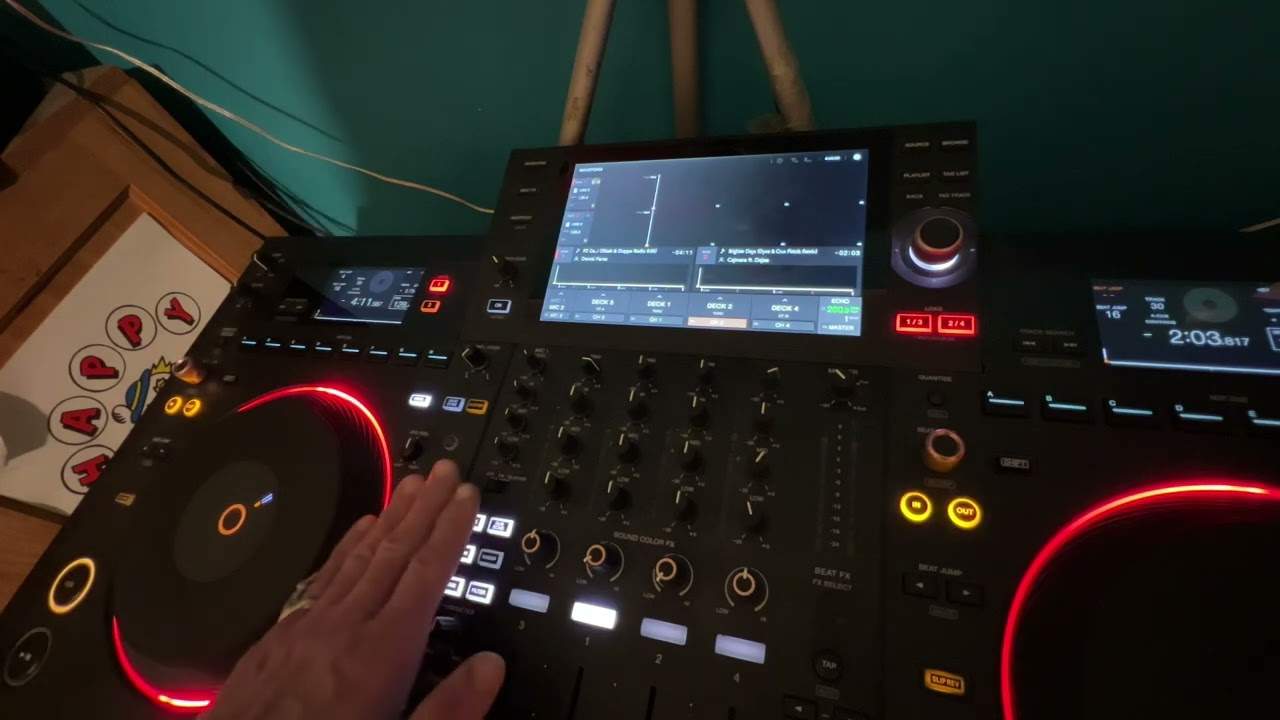
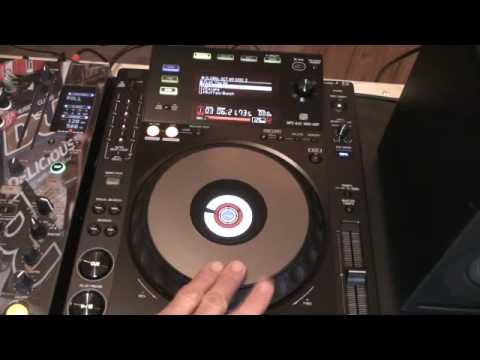
Two indicators on the platter display. The outer ring follows your hand. The inner red one keeps following where the music would have been if you had not touched anything.
So while you spin the platter backwards, the outer ring goes with you - and the red centre carries on counting, silently, in time.
Let go, and playback jumps to the red marker. The track resumes exactly where it should be, as though nothing happened.
Including a complete stop
He stops the platter dead. The display shows the inner marker still travelling.
So you can hold the record still - silence - for two beats, four beats, as long as you like, release, and land precisely on the beat. There is no recovery, no nudging it back, no drift.
What it is for
Editing on the fly. A spin back, a stutter, a scratch, a stop - any of which normally costs you your place in the track - becomes free. You can make a mess of the bar you are in and the next bar will be correct.
Talking over the music. His own example, and a good one for anyone working weddings and parties: with slip mode on there is no need even to pull the fader down. Stop the platter, make the announcement, release, and the record continues from where it would have been.
Why it matters beyond the trick
Slip mode changes what you are prepared to risk.
Without it, every piece of hand-work on the platter is a small gamble - get it wrong and you are out of time for the rest of the record. With it, the penalty is usually small: a bar that sounded odd, and the track still where it belongs.
That is an invitation to experiment while the room is listening, which is otherwise a bad idea. It is one of the few features on modern equipment that makes you braver rather than lazier.
Contents of the video
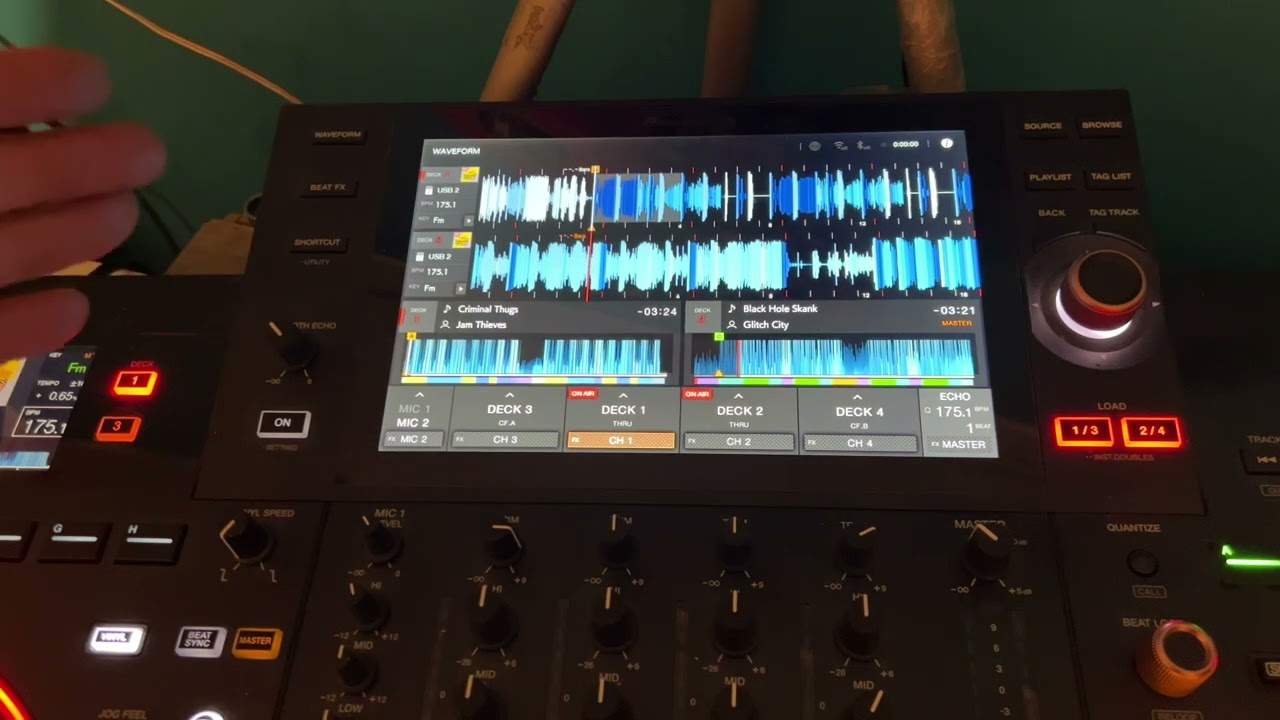
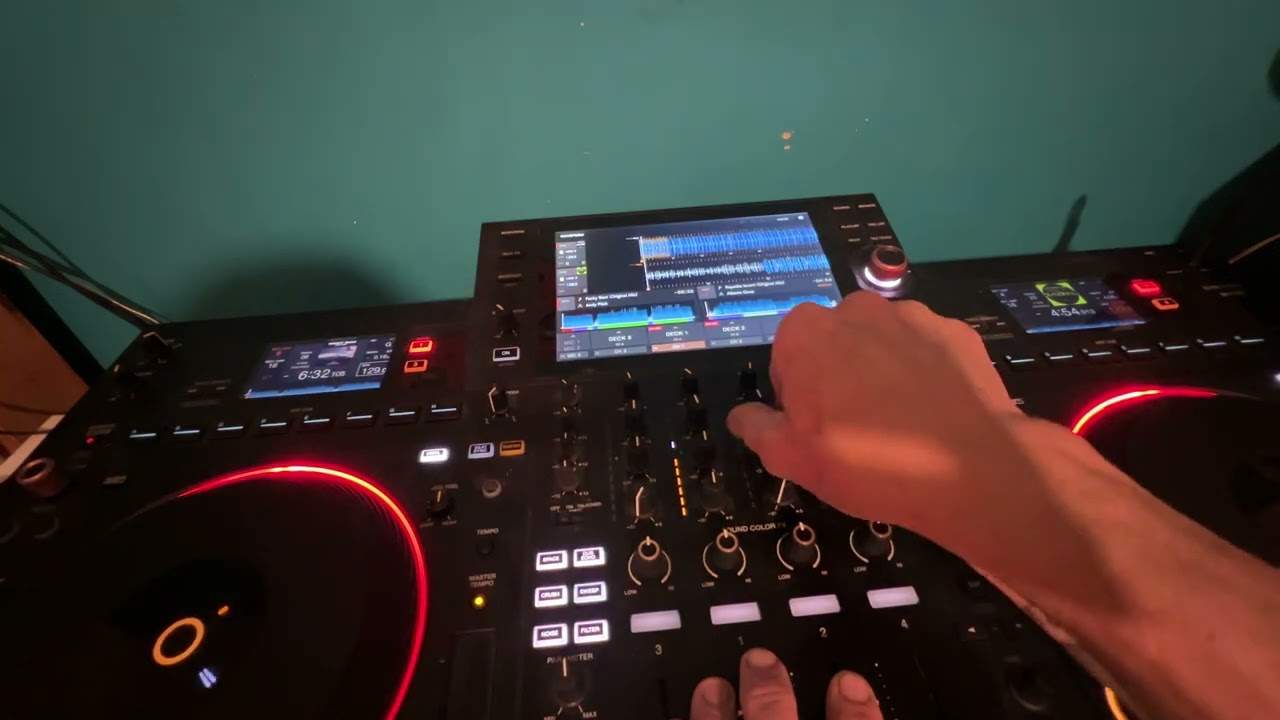
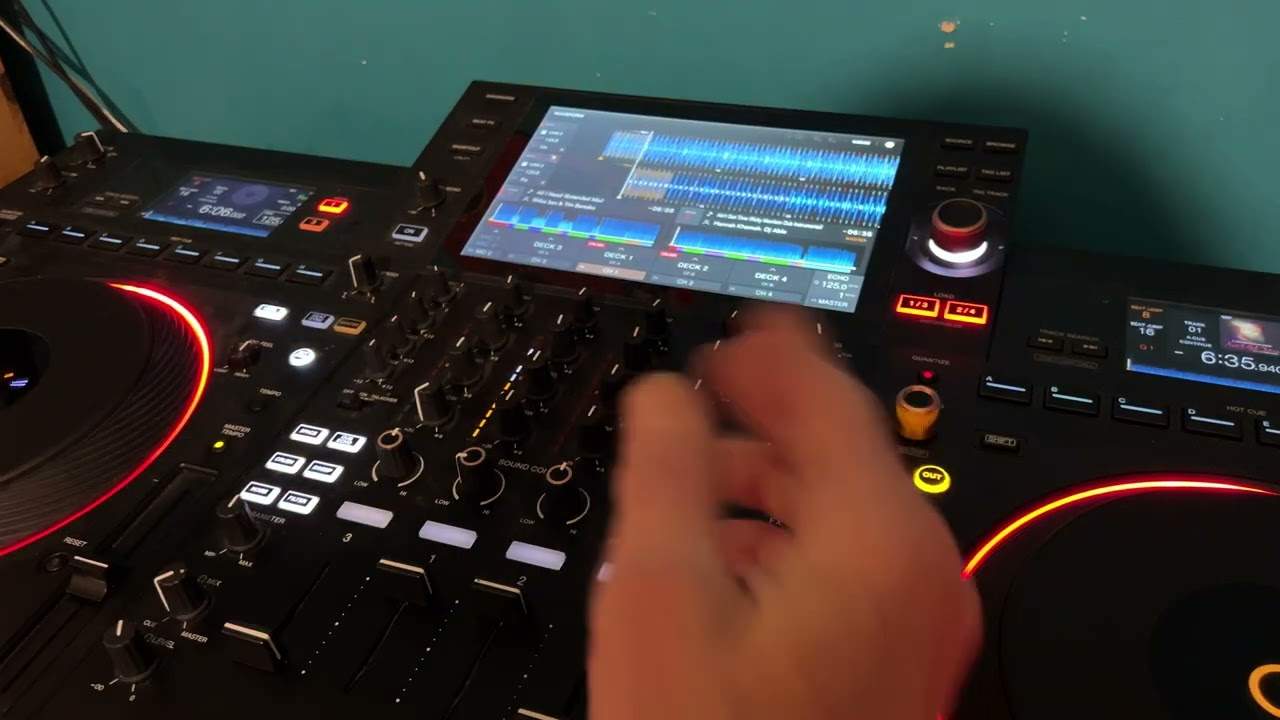
Alright guys, got the Pioneer CDJ-900 here. One of the features I do like is something called slip mode. Now just notice the centre area there. Now first of all, I'll give you a demo then I'll explain exactly what's going on. Right, now you've got the outside area and you've got the red in the centre. I don't know if you noticed, while I was spinning, this outside line was moving while I was spinning the platter, but the inside red area continued to follow the music. So what happens is when you do spin back, forward, etc. What happens is as soon as the spin finishes, it will continue where the music is. In other words, it will carry on where the music should be. So for example, once again. Now also, can you see that centre bit? Still going. Stopped. In other words, I've stopped the music, but it's still playing inside there. Take it off.
So something like this is great for editing. You can imagine, you know, 1, 2, 3, 4, 1, 2, 3, 4, 1, 2, 3, 4, 1, 2, 3. And for let's say a mobile DJ, guess what? No need even to turn the volume down on the mixer. Good evening ladies and gentlemen and how are you today? Crazy, but one nice feature, alright? Video number one on the CDJ-900. Practice and enjoy.
This transcript was produced automatically from the audio of the video and may contain mistakes.