 8:35
Making a loop without a glitch
On YouTube this video is called DJ Tutorial Pioneer CDJ-2000 Making a Loop with out a Glitch
What this lesson teaches
He gives the practical scenario first, which is the right way round.
The scenario
Twenty or thirty seconds left on the playing track, and you have not found the next one.
Everybody has been there. The options are to let it end and have silence, to drop something unprepared, or to extend the track you are already playing - and the third is obviously best if you can do it cleanly.
A loop at the end of a record is a track with no ending. It will sit there repeating for as long as you need, and nobody listening knows anything has gone wrong.
Why quantize matters for this
Because the loop has to be made under pressure, in a few seconds, while you are also searching for a record.
That is exactly when your timing is worst. A loop you would have nailed calmly at home is a loop you fumble when you need it - and a fumbled loop announces the problem you were trying to hide.
Quantize removes the dependency on your reaction time. Press in and out roughly in the right places and the machine snaps both to the grid - so, as long as the grid itself is right, the loop comes out in time however rushed you were.
His caveat about perfection
Worth repeating for the tone as much as the content. He describes the result as almost perfect, and then heads off the pedants - nothing is a hundred per cent perfect apart from God, so let us call it 99.99999 per cent.
That is honest. Quantize snaps to the grid, so the loop is as good as the grid is - and a track analysed badly will quantize to the wrong place with complete confidence. The caveat from the grid lessons applies here too.
The habit
Know, before you need it, where the loop controls are on the equipment you are using and whether quantize is on.
The technique is trivial. Finding the button for the first time with twenty seconds of music left is not.
Contents of the video
0:00 How you can get an almost
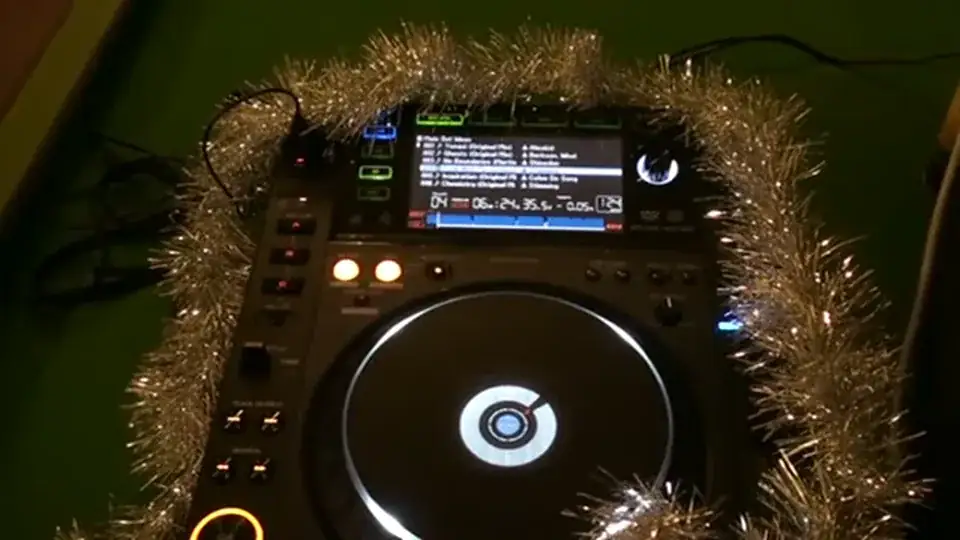
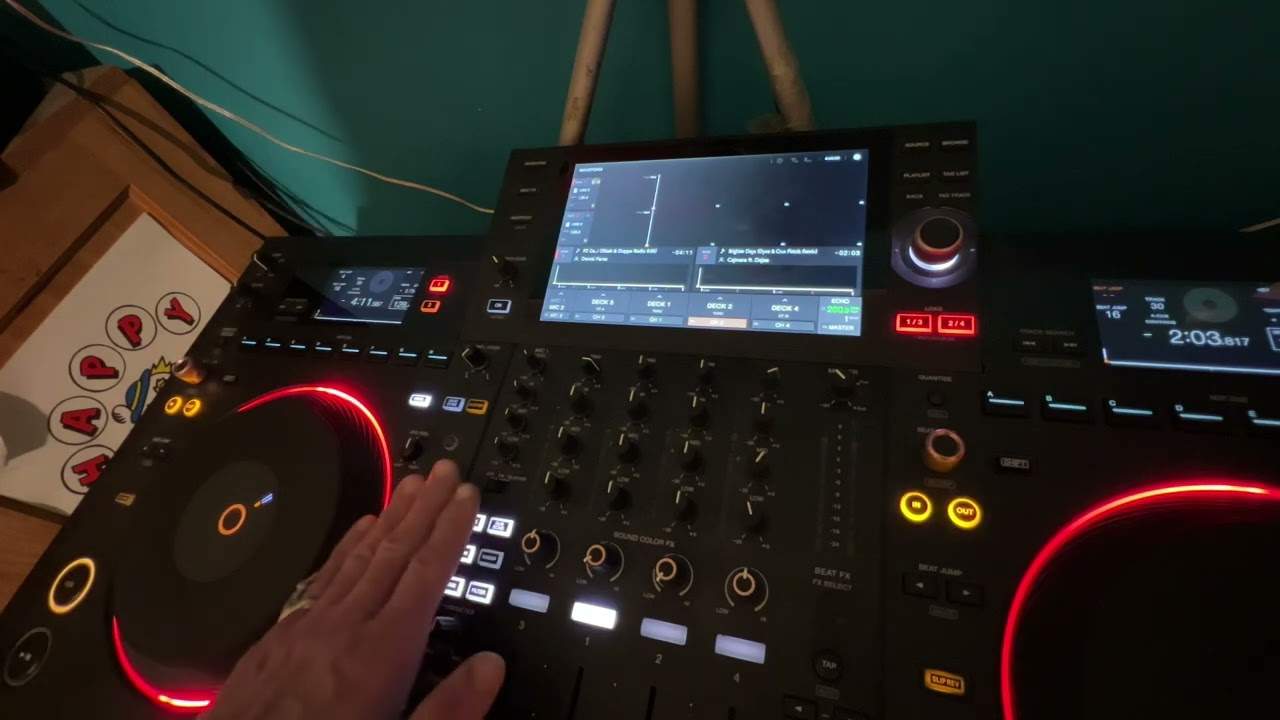
Alright guys, now in this video I'm going to show you how you can get an almost perfect sounding loop. Now that is vitally important, that one word, sounding. Now I want you to imagine this scenario, let's say for example you've got maybe 20-30 seconds left on this guy and you haven't got time to get another track. Well by using this technique you should, with practice, theoretically be able to get a very good sounding loop enabling you more time to find your next track. Now this is the 2000. Now of course on rekordbox software you do have something called Quantize. Now what that will basically do is if you'll say slightly out when you hit in and slightly out when you hit out, it will get your loop almost perfect. Now when I say almost perfect...
There's nothing out there apart from God that is 100% perfect. So, you know, without putting myself in a position whereby someone's going to say, well quantize isn't 100% perfect, let's say it's 99.99999% perfect. Let's leave it at that. So, what am I on about? Well, let's imagine we want to form a one bar loop. And what is one bar? It's 1, 2, 3, 4. In on the count of one, and then out on the count of one again. So we would count as follow. One, two, three, four, one, two, three, four. So I'd do something like this. One, two, three, four, one, two, three, four. So one is in, two, three, four. One is out, two, three, four. And I would have got a one bar loop. Now I want to draw your attention to the screen there.
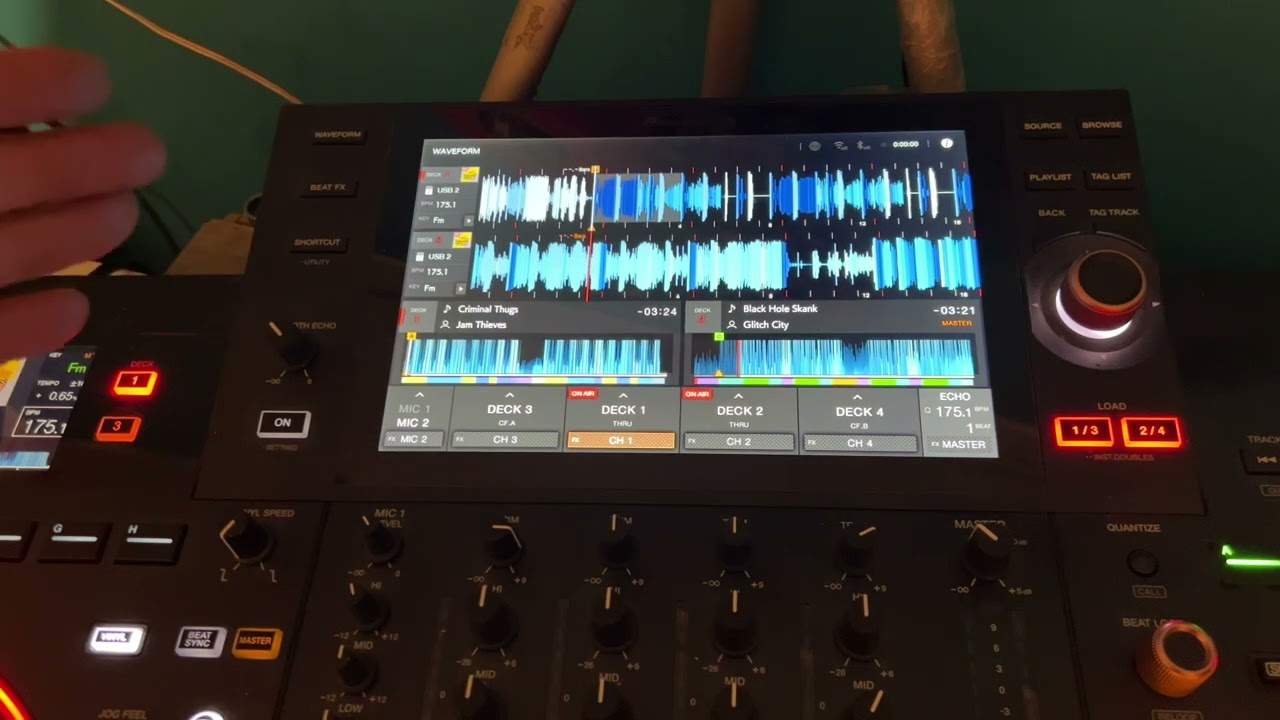
Now if you're familiar at all with the wave format of music, you will have something like this. Now let's imagine that area there is a bass beat, so we've got dum, dum, dum, dum. I know they're all different sizes, but hypothetically we've got some information here, here, here and here. Now if you imagine what you're basically trying to do when you do that one bar loop on the count of 1, 2, 3, 4, 1, you're trying to get right in the middle of this area here. Now that's why you do get quite a bit of a glitch sometimes in the music. Now I'll give you a demonstration and what I'm going to try and do, I'm going to try and be as perfect as I can forming this one bar loop using 1 in 2 3 4, 1 out 2 3 4 but at the same time I'm going to try and make it slightly off. The idea here is...
3:12 First the technique and then after
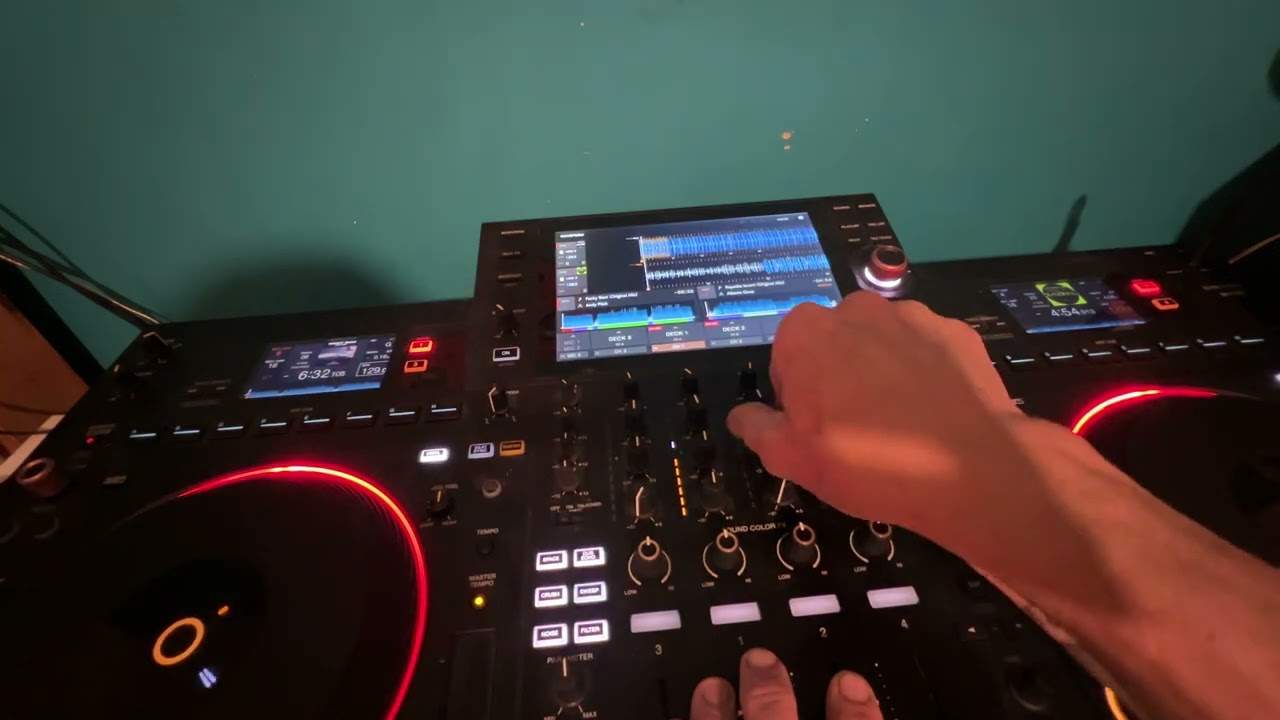
Well, basically what I'm trying to do is to let you hear the slight glitch when that bass beat comes in. So let's play the tune. By the way, the tune I'm using is Funk With Me. It's by Stimming. Here we go. So I'm going to count as well. One. Right. One, two, three. One, two. One, two. Oh, it's perfect near enough. Let's do it again. Three, four. One, two. It is slightly off there. Well, it's quite a lot off. We can notice a difference, or basically what I'm trying to say here is that because we hit it on the bass beat there will be quite a bit of a glitch in the sound. So let's press out and there we go. What I'm going to do now is I'm going to demonstrate first the technique and then after I've demonstrated the technique I'll explain exactly what I was doing. So let's play the tune again. I didn't hit the out properly. Let's try it again. I'll do it properly. Punk TV guys.
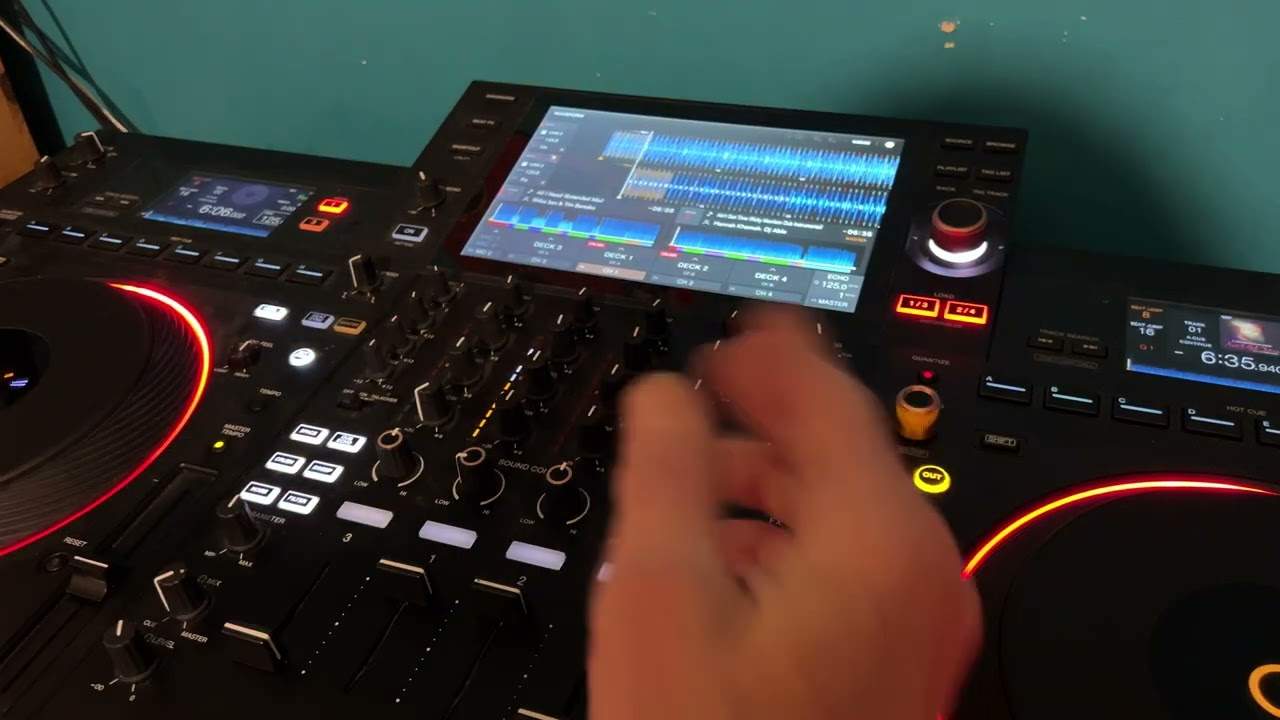
I'm going to set that into hot cue A. Just get out of that loop, press pause or cue, sorry. Now what I'm going to do now, this is just as important. I'm going to now use that loop by pressing A. What I'm going to do now is I'm going to count. 3, 4, 1, 2, 3, 4, 1. Now you must notice there straight away, when I hit it on the conventional 1, it's completely off beat. I'll explain why. Let's just go out of that loop, cue it up again. This time I'm going to count while I'm hitting the in and the out. And then, after I've done that, I'll explain exactly what was going on. So, for example, let's start. Three, four. One, two, three, four. One, two, three, four. Okay, so what I was actually doing, instead of hitting the in on the bass beat, like that, and the out on the bass beat, I was hitting it slightly after.
5:44 For example, imagine this
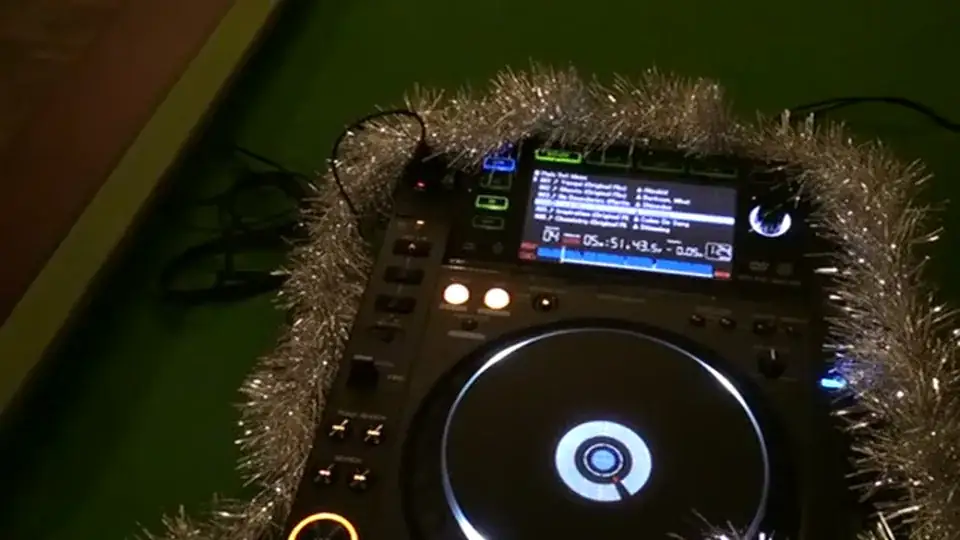
Now what I want you guys to do, I want you to listen to maybe some salsa music, some Brazilian style music because there is a lot of percussion in that style of music or those styles. So for example, imagine this. There's a lot going on in between the beats. Now what I was actually doing, I was hitting the in and the out slightly after the bass beat. 1, 2, 3, 4. Like so. So what I'm doing, if you imagine now we go back to this area here and we look at that big bass beat hitting here. Now can you see that tiny gap there? I'm almost hitting the in and the out inside those gaps. So let's hypothetically imagine that this is the beginning of the bar and this is the end of the bar. So we have 1, 2, 3, sorry, 1, 2, 3, 4.
So what I'm doing is if you imagine here, 1, 2, 3, 4, hit there, and we come back to the beginning, 1, 2, 3, 4, and hit there again. So I'm not starting or stopping the loop at any point where you've got that big bass kick. So, we'll do exactly the same thing, but what I'm going to do now is count and hit the in and out at the same time. One, two, three, four. One, two, three, four. There you go. What you do have to remember though is when you put it into record mode and you set it on your hot cue, you cannot then hit this on the count of one. Have a listen. Three, four. Two, three, four. One, two, three, four. You have to hit it at the precise point when you start the loop. In other words, three, four. One, two, three, four. One, two, three.
One, two, three, four. One, two, three, four. Words, alright, very long video, a lot of information there, but it's quite simple. In, out, not on the bass beat, slightly after, in, slightly after on the out, and you will get a better sounding loop.
This transcript was produced automatically from the audio of the video and may contain mistakes.