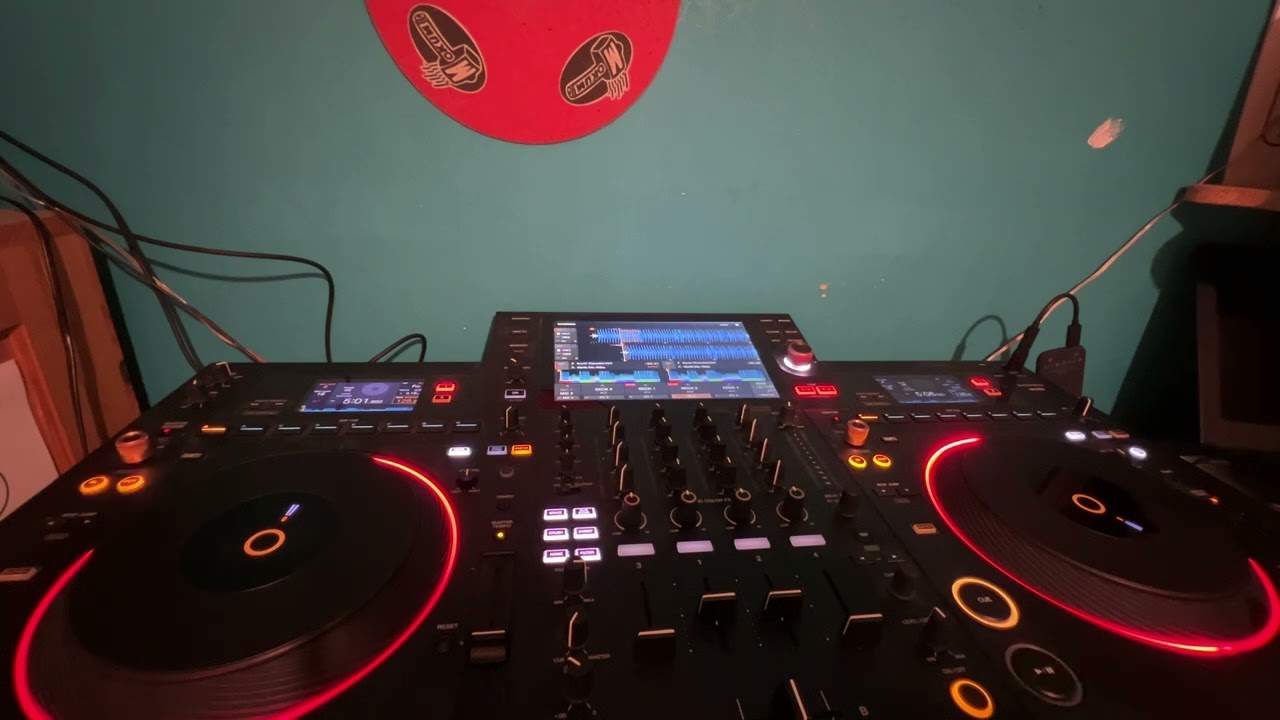
 9:25
An old track and an acapella in the mix
On YouTube this video is called DJ Tutorial.. Putting an old tune into the Mix...( and an acapela)
What this lesson teaches
Billed as a mixing demonstration, and it is - but the first three minutes are an argument about music, and the argument is the reason to read it.
The race he refuses to run
The complaint: people are no longer satisfied buying a track that has been released. They want one that has not been released. And then one the producer has not made yet - available today, in their set tonight.
His response is that a good set does not require the newest records. You can play what came out today, or last month, or three years ago, and the set can be excellent.
The reason it works
And this is the line to keep: not everyone has heard everything.
A record released today is new to you. Maybe the person next to you in the queue has heard it. But the woman next door, the person driving past - no. A record that feels tired to somebody who follows the genre closely is unknown to most of the room, because most of the room does not follow the genre closely.
So "old" is a judgement made from inside a small circle, and it is not the judgement the floor is making.
The time argument
He then makes it inescapable by pointing at his own video.
The track he is holding is new today. In two years, watching this back, it will be old - and at that point you should be able to drop it into a set of new records and then go back out into new records, which is precisely what this lesson is demonstrating.
So every exclusive becomes an old tune. The DJ who will only play new records is signing up to throw away their collection annually, and gaining nothing for it.
What he actually does
Four records, deliberately mismatched in age:
A current big house record. An old acapella laid over it. Then Daft Punk, Revolution 909 - properly old, cued at a chosen point, found with the headphones on. Then out of that and into a current drum and bass track.
And he points out the options at the moment the old record is in: leave it much longer, take the other one out and bring it back, or just let it sit in the background. All legitimate; the choice is what makes it a set rather than a sequence.
The genre step, with the limit stated
He goes from a four-to-the-floor house beat into something close to a breakbeat, which proves you need not stay in one genre.
Then he states the limit honestly: in a club that wants house music, one track out of genre works, two will work - too many will not, because they came for house.
That is the useful form of the rule. A step outside is a feature. A stay outside is a different night, and not the one that was booked.
And his instruction
Do not treat this as a recipe to copy. Take it and expand on it - which is the same thing he says everywhere, and it is the reason these lessons age well.
Contents of the video
0:01 Another demonstration stroke tutorial for you on the art of mixing
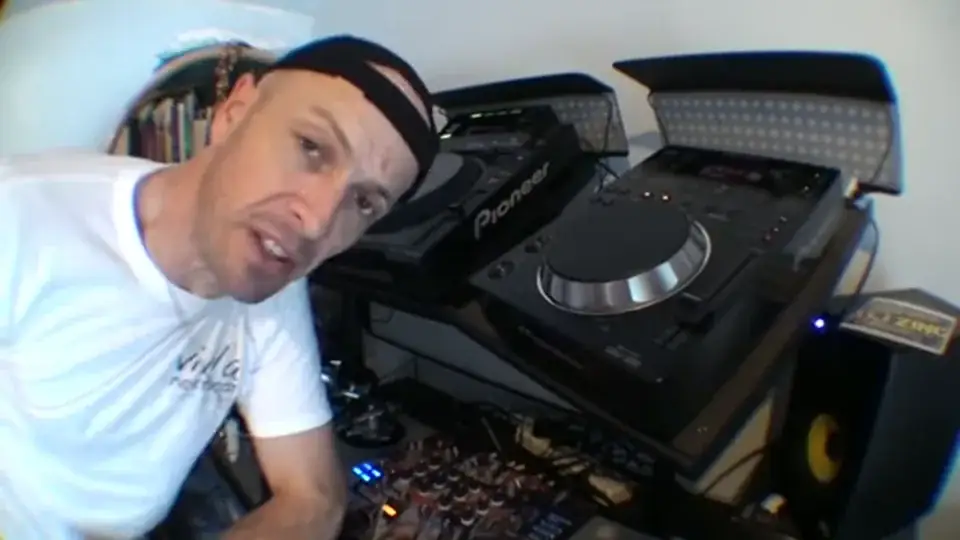
Right guys, another demonstration stroke tutorial for you on the art of mixing. A little bit about, maybe a tiny bit about constructing a set. But first of all, a lot of people out there are always asking me about why I bring old tunes into, let's say, a set where it mainly comprises of new tracks. Well, let me explain. First of all, a lot of people out there think that the only way of getting a good set is to have the top, best, fantastic, most newest tracks you can imagine. In other words, people don't seem to be happy with buying a track that's released. They need to buy a track that isn't even released. More importantly, nowadays, people are getting to the stage where they want a track that isn't even released. In other words, they just want that imaginary track that the producer...
...or the remixer or the mixer is going to make next week, but they want it today. And they want to put it in their set like now. Well, you can't really, can you? So, in a sense, what I'm trying to say is a good set does not necessarily mean you have to play the latest tracks from tomorrow. You can play the latest tracks from today or a month ago. And again, a lot of people seem to think that if their set doesn't comprise... ...of tunes, I'm sort of going over the same thing, but you see what I mean. If your set doesn't comprise of, let's say, tunes that were released this month, then it's old. Now, what you have to remember as well is that a track that's, say, released today is new. But you may have heard it. He, she, it, button, whatton. That may have heard of it. But guess what?
Blank down the road or lady next door or the person driving past in the car. But no. Hasn't heard it. So, in other words, what we're dealing with here is not everyone has heard everything. Now, the whole reason for this particular video is to prove to you that you can chuck in old tracks into, let's say, a new set. Now, the first track I'm going to be playing is the Maus-Haffia or the House Mafia, these...this one here.
It does this bit.
2:19 Here's a slight irony
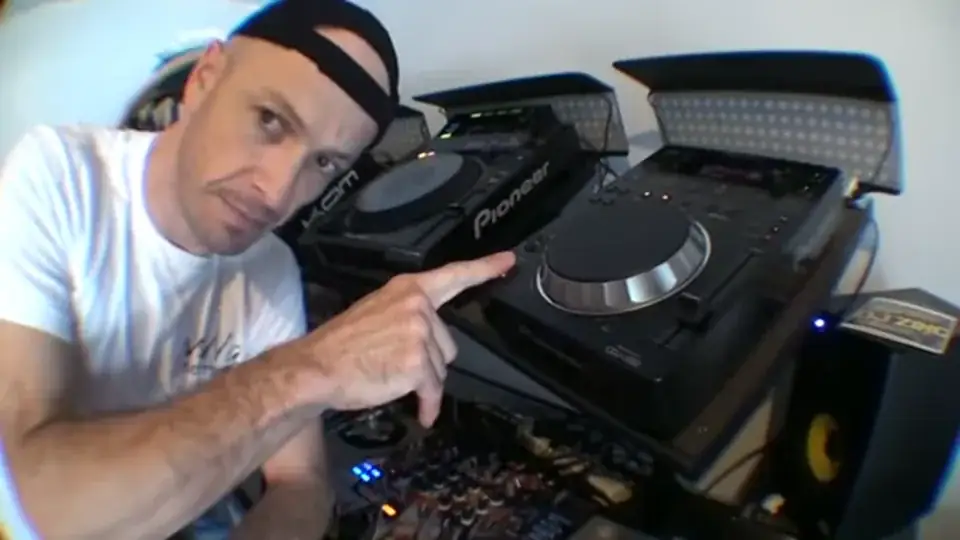
Now, here's a slight irony. Just pause it. Listen.
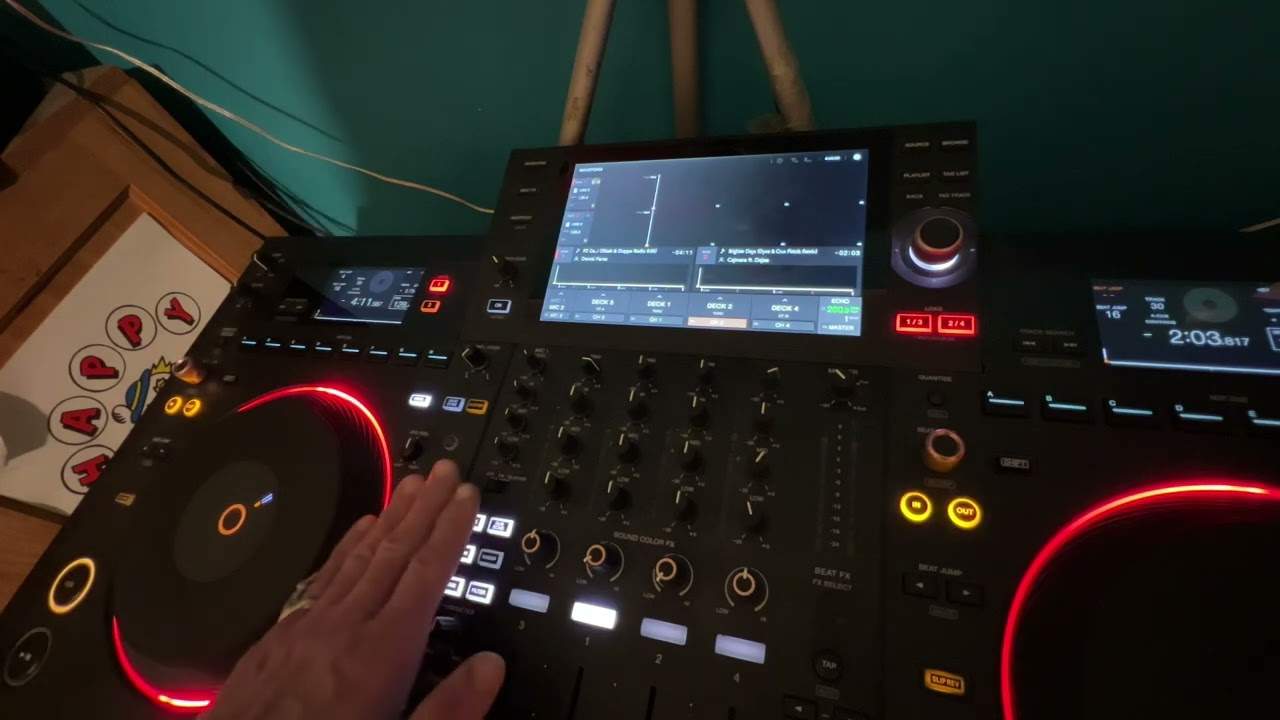
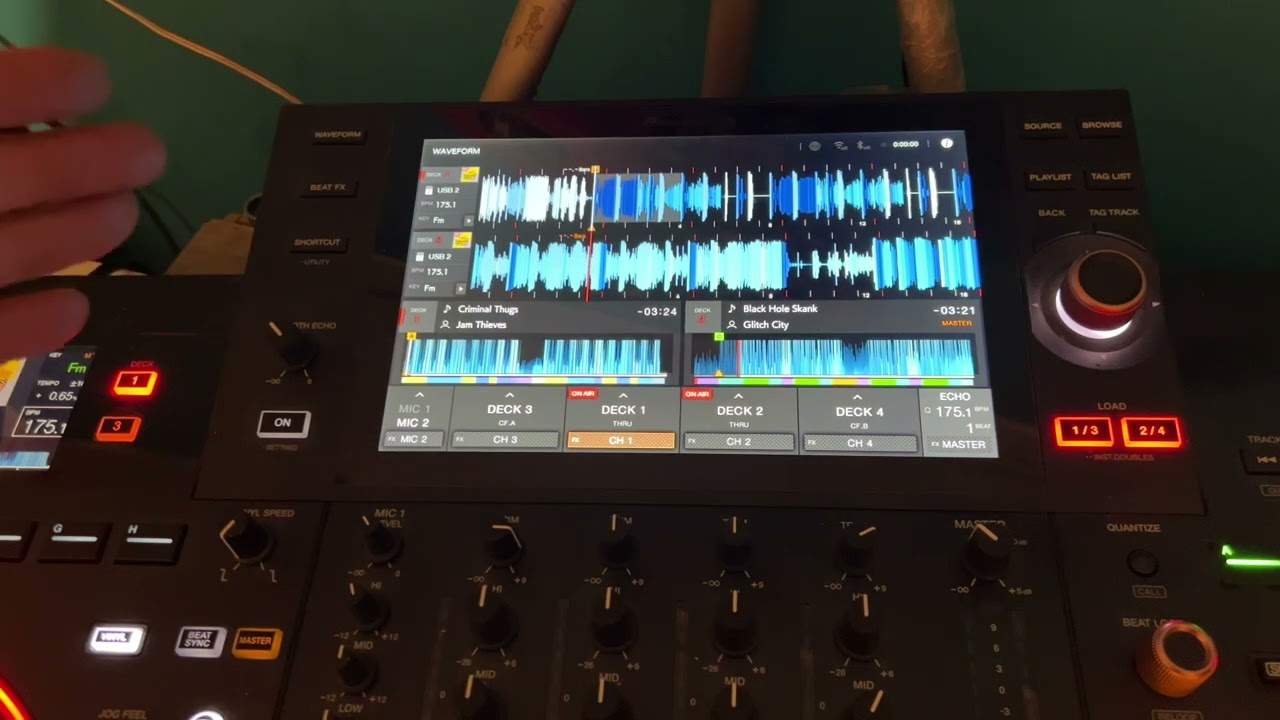
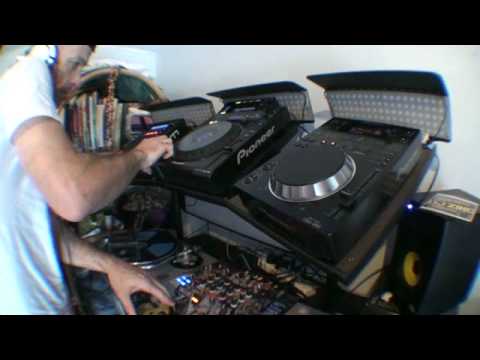
That one. Now, at the moment, it's a relatively new track because I'm making this video now today. Think about this. Yeah, if this video is still on in one or two years' time, this will be an old track. But, hmm, in one or two years' time when you've got your new tunes, you should really be able to be in a position to bung this one in and then go back in some new tunes, which is what this video is all about. So, what I've got... First of all, I've got this guy here. CDJ-350, the 900. And this one here is from Cam. It's the KHD-410, which is just a USB player. That's all it does. But, no moving parts apart from, I suppose, in a sense, the platter on the top. But, it does exactly what it says on the tin.
It plays from a USB. Right. So, what I'm going to do... I've got the Mafia guy in here. I've got an acapella over here. Where are we now? Now, there's going to be a lot of music. There's going to be a lot going on here. Because the acapella is relatively old. This is relatively new. We're going to be playing something from Daft Punk, which is relatively old. And then we're going to be coming back in to a new tune, which is DJ Fresh, a track entitled Gold Dust. But again, it's new at the moment, but in some DJs, like as soon as his video's online... Oh, that's an old tune, man. You don't want to play that. It's like really old. Like, you know, that's crap now. That's like five minutes old. Yeah, right. Okay, so what I'm going to do is play this one.
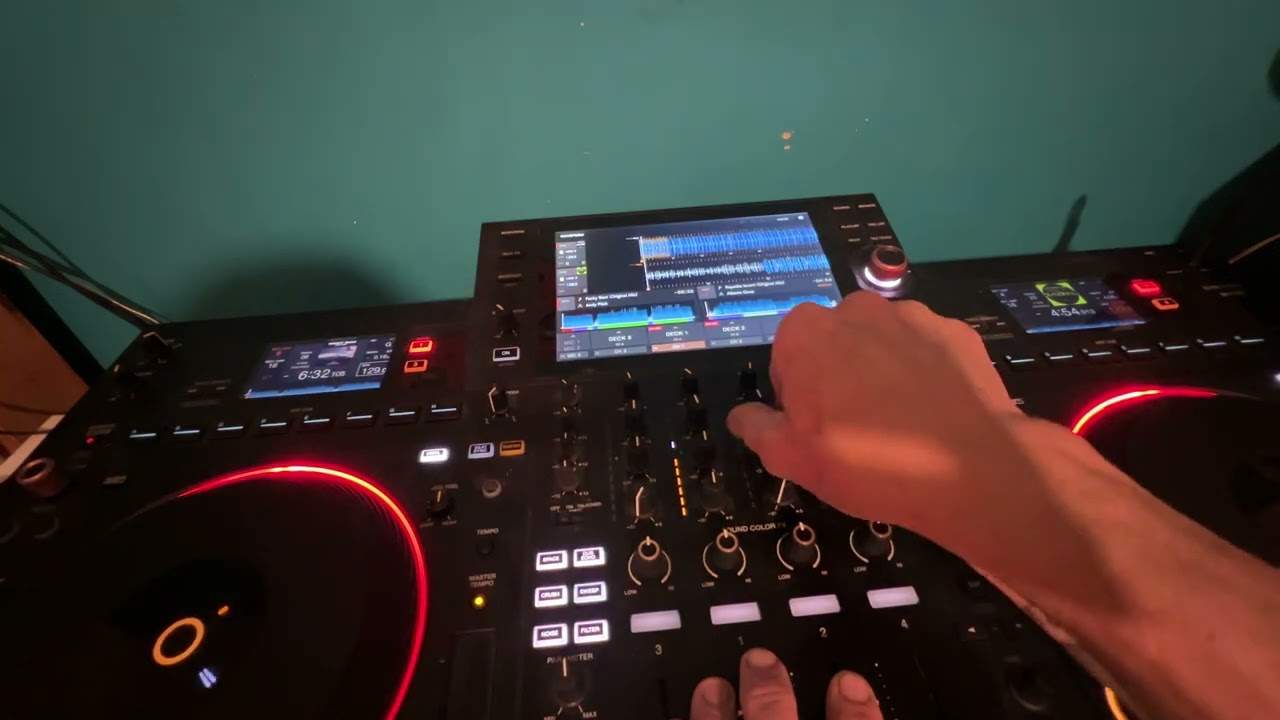
And then I'm going to get this one here. I'm going to bung this one in. I've got to find the point where I want to bring it in, which is going to be Revolution 909. So we're going to track three. And I want to find the point where I want to bring it in. So I'm just going to put my dog and bony headphones on.
Talk amongst yourself.
4:39 Let's say we're halfway through the set
There. So let's say we're halfway through the set. And this one's like this. Also, I've got cue points on here.
6:36 Read into this however you want to
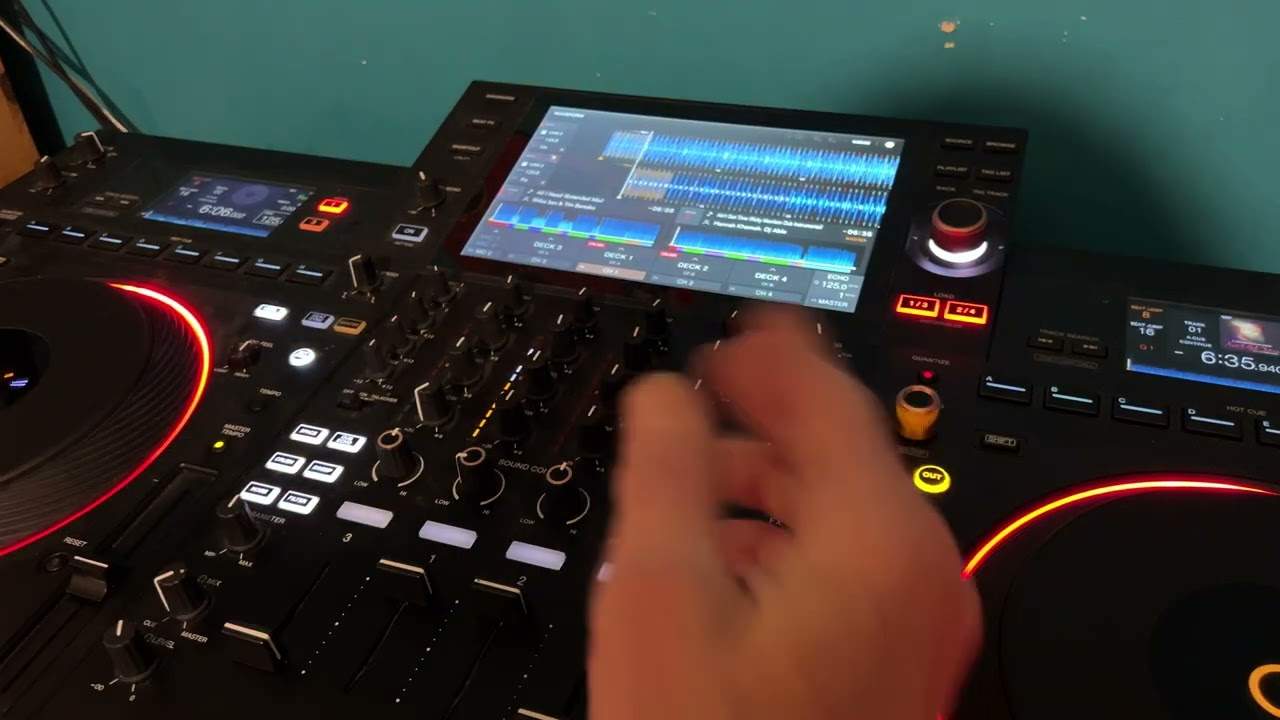
Read into this however you want to. You could leave that for a lot longer. You could take that one out. And that one, and then bring that one back in. Or alternatively, like I did, just have it in the background. So I'm going to take this one out. And I'm going to come back in with a new tune. Which is going to happen. We've got a relatively sort of four-fold time house beat here. What I'm going to bring in is almost like a breakbeat sort of sound. So again, it proves you don't have to stick to the same genre. But then again, I suppose if you're in a nightclub that just wants the likes of house music. You're not going to go into breakbeat for the rest of the night. One tune, two, it will work. Too many won't work because they want a house.
Loads of stuff was going on there. But what you need to do is take these sorts of videos and expand on them. Don't treat them as blood added in. I've got to do it like that man. Because otherwise it's not going to be really good. What you have to do is make...
Sorry, I can see... No shh. What you've got to try and do is make it...
Train your thought. That's it. What you have to do is have fun. Practice and enjoy.
This transcript was produced automatically from the audio of the video and may contain mistakes.