 7:40
Add Vibe to a Break and Basic Phrase Mixing Lesson for the New DJ
Contents of the video
0:00 They're taken from May 2019 from the global releases from CDPool
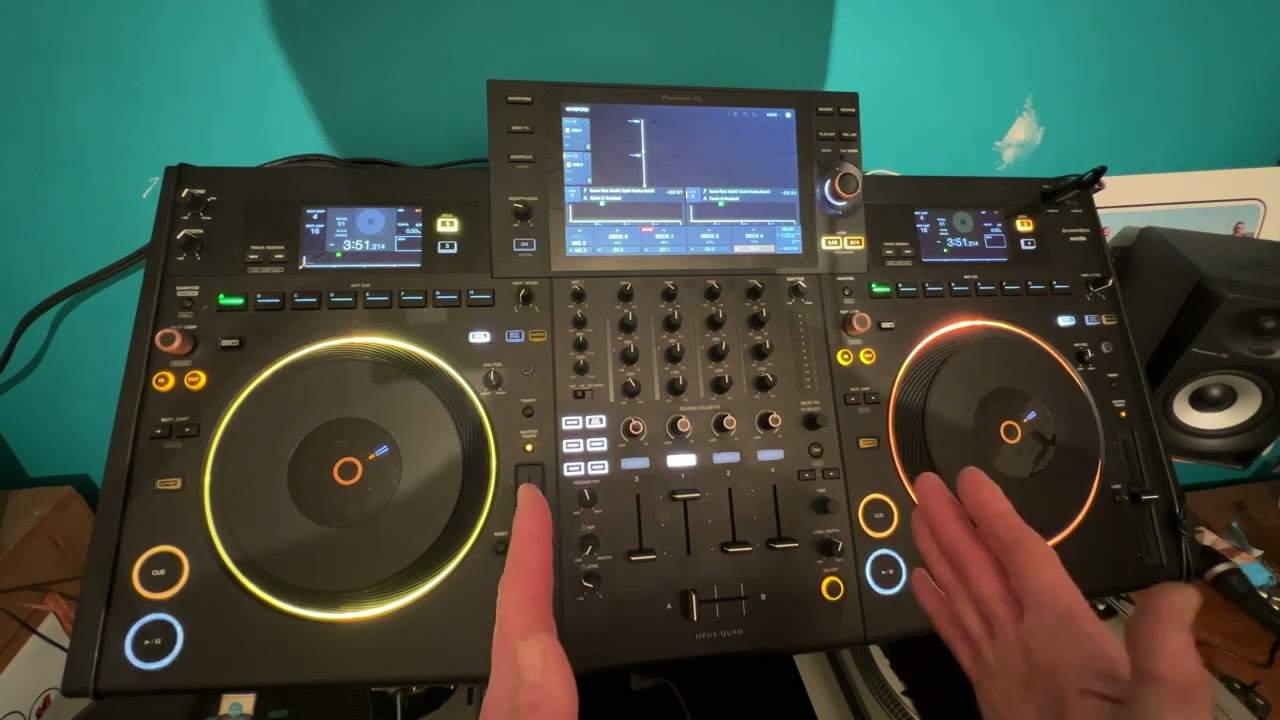
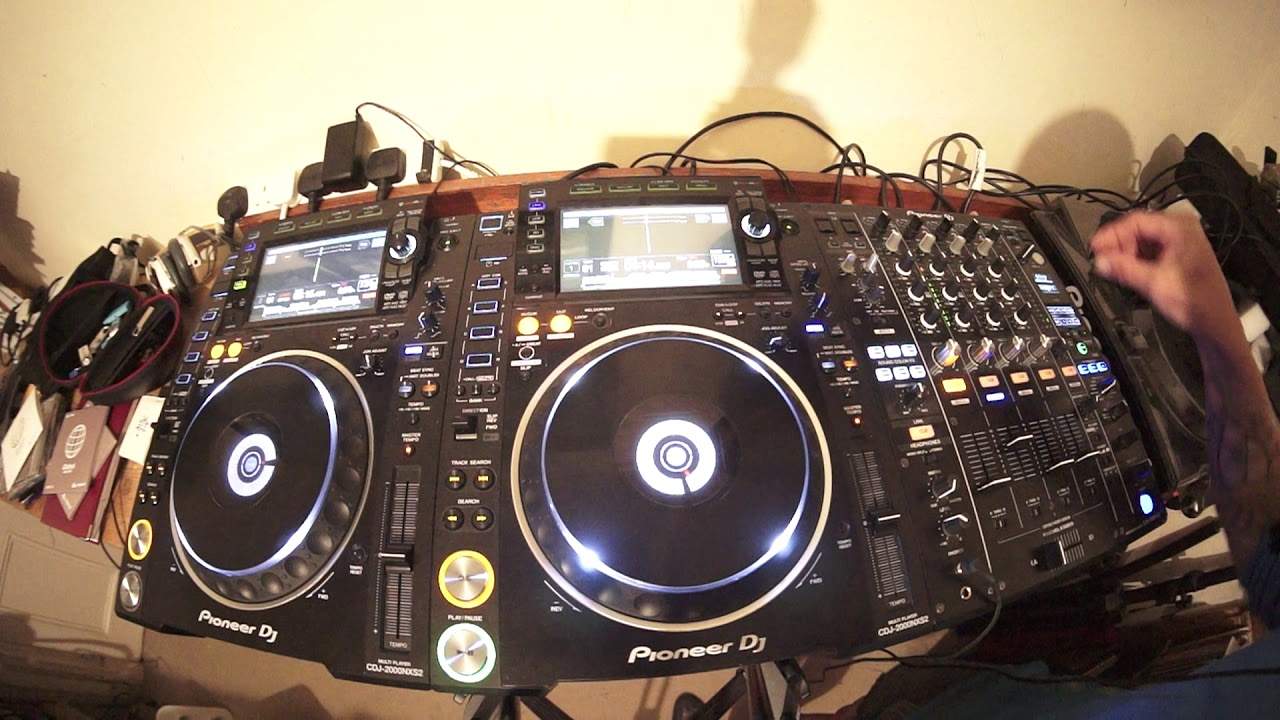
Right, so we're going to cover a few things here in this video. We're going to cover how we can change the vibe and energy in a break. We're also going to cover how we can change the feel in a mix as well by going from one vibe, one key to another one in another track. We have on the right hand side a track entitled Appletree, it's the club dub. And on the left hand side we have Out of Control. They're taken from May 2019 from the global releases from CDPool. There will be a lickable link in the description. So let's press play on Appletree.
Pitches are dead centre, Appletree 120 BPM, App Control 124 BPM. So 4 BPM. BPM difference. Can we hear the difference in BPM? Is there a definite difference? Well, of course there is because one's faster than the other, one's slower than the other. But let's have a listen. Okay, you'll see what I mean. If I just put the mixer to the through, listen, I mean straight away, even if you were a DJ and you said to someone, what's the difference between these two beats? Automatically or hopefully you'd say, well, one seems to be faster than the other. Now, even though very quickly as well, this is cleverly done by the producer, even though one is, as we can see, 120, hopefully you can as well, 124. It's the way the production, I'll start again, it's the way the actual track has been made. It actually sounds faster as well as being faster. It's just by the drum pattern.
So let's have a listen. And the other one. This one does sound very sluggish. On the other hand, this one does actually sound faster as well as being faster anyway. All right, so what I'm going to do now is show you how we can increase the vibe and energy in a break first of all. So let's press forward on the search. Coming to the break. There's the break. Okay, let's just go back a little bit.
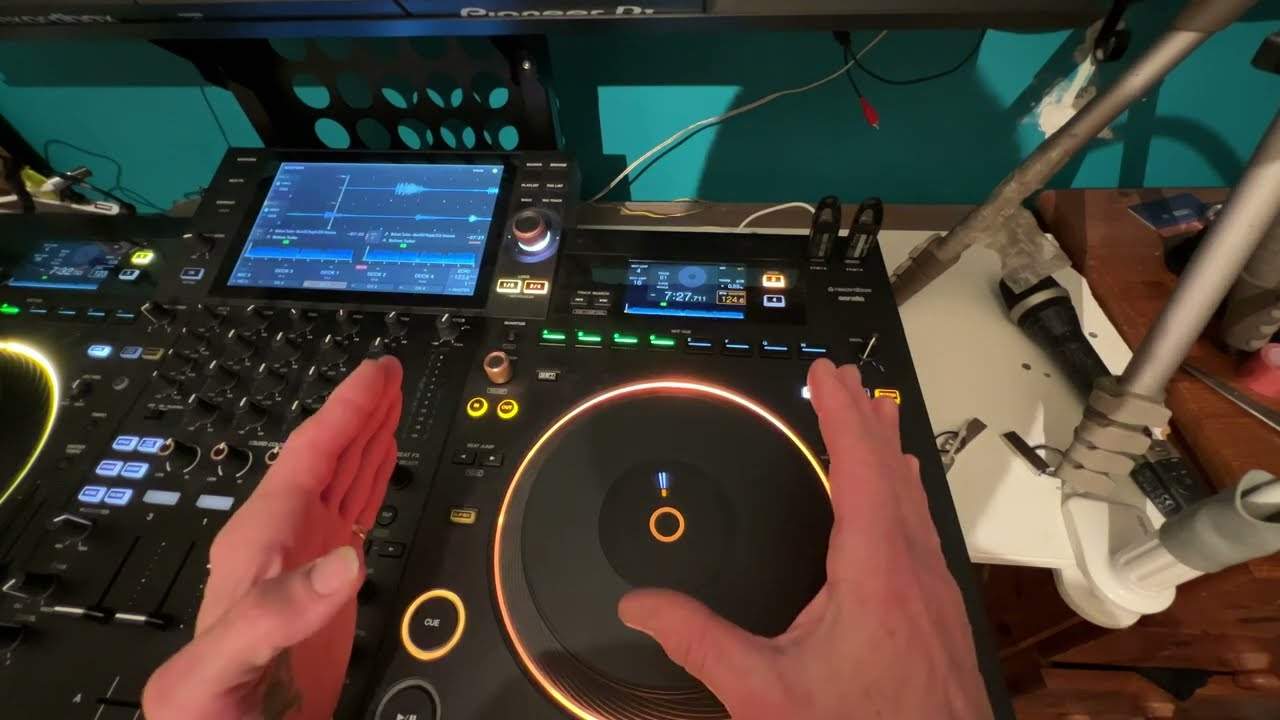
So what I'm going to do now is I'm going to increase the energy in the break without changing the key faster than the other track. I've moved the pitch towards me and it's now 126 BPM.
3:21 You're speeding up the break so it doesn't last as long
You don't have to have it 126, you could have it anything, but by increasing the pitch in the break, you're doing a couple of things. You're speeding up the break so it doesn't last as long. And also you're just giving the break a little bit more speed. So let's go back a little bit. And also you're just giving the break a little bit more energy. So all I'm going to do is as soon as we get back to the drop or get to the drop, I'm going to slow it back down to its original speed.
There, or roughly, I mean. Again, it's slightly faster, 0.4 BPM.
Okay, so... The keys are falling off. Left hand side, 124. Right hand side, 124. Right hand side, 120.4. So let's just bring this forward.
4:12 Wave format, beginning phrase, phrasing
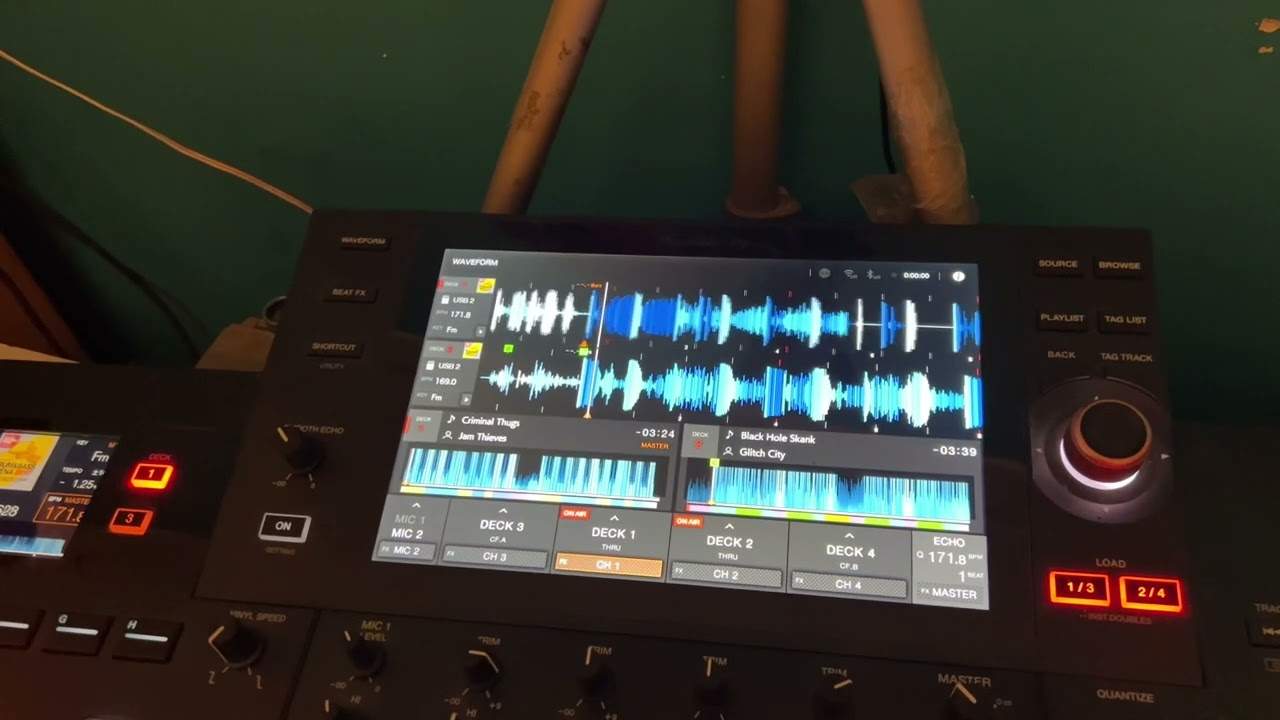
Now again, I'm not exactly sure of the phrasing here, but by looking at the wave format very quickly, by looking at the wave format of the track and also listening to where there is a definite change will tell me... A, that we have phrasing, we can visually see something that looks like phrasing on the wave format. And B, by listening to a difference... Defined change in the track, that should tell me that it's the beginning of a new phrase. If you're not familiar with phrasing, very quickly from the beginning of a new phrase, if you count maybe 4, 8 or 16 bars and then you have another change, that will tell you that where you started the counting will be definitely the beginning of a new phrase.
And phrasing, 99.9% of the time in dance music is in groups of... maybe 4, 8, 16, 24 or 32 bars. So let's go back a little bit. There, there. Definite change. Okay so from there that was around about one minute and six seconds left. So what I'm going to do before that point I'm going to speed the track up. So let's go back a bit. I'm now gonna start to speed the track up leaving the one coming in into the mix sort of subtly in the background. So that was, in a way, the perfect beginning and end mix simply because as soon as the track on the right finished the one on the left came in at the break. Right now I hope that's been a help. This is like a bit of a general kind of demonstration stroke tutorial. Alright thank you very much for watching don't
Forget lickable clink in the description to CDPool practice. And enjoy!
This transcript was produced automatically from the audio of the video and may contain mistakes.