 7:41
Advanced beat mixing tutorial. Using two pitch controls.
Contents of the video
0:00 Beat, pitch control, record
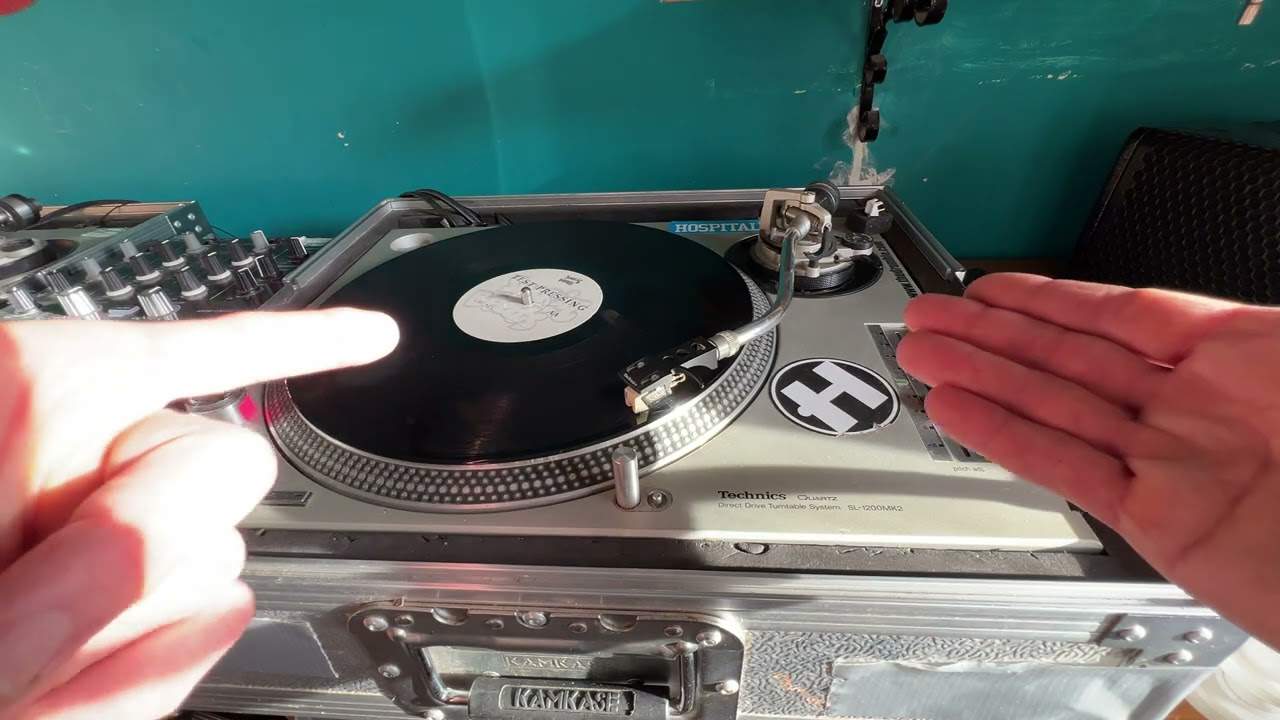
Alright folks, Jonathan here. Now this tutorial is all about using two pitch controls but before we go into that, last year I did a video on learning how to mix with just using the actual pitch control and not putting your finger on the platter. Now a lot of people have said, and I do totally and utterly agree with you, and that is it's all well and good getting it in beat Just using the pitch control. But let's say then, all of a sudden you realise that you didn't want to mix that record in at that particular time. Then you'd have to wang the record all the way back and possibly start all over again. The reason you probably would have to start all over again is yes, it is in beat to begin with but as soon as you take the needle off the record, put it back on, you would have to throw that record in exactly on beat.
If it's slightly offbeat, then of course you've got to put your finger on the turntable, wang it forward, wang it back or mess around with the pitch control again. So in a sense, the idea of using just the pitch control I would say will only apply to DJs who are more professional and also very important here. Now let's say for example this record is finishing. We've got say 16 bars left. Well you have not got time To get it in beat, bring it back, get it in beat, bring it back, get it in beat, bring it back. You've possibly got time enough to get the needle on the record, cue it up, throw it in, listen to it on the headphones, get it in beat on the headphones and then bring it into the mix. So maybe this technique where you're just using the pitch control could be for that situation. Now also I want you to imagine this. Now let's say for example...
2:18 Just using one pitch control
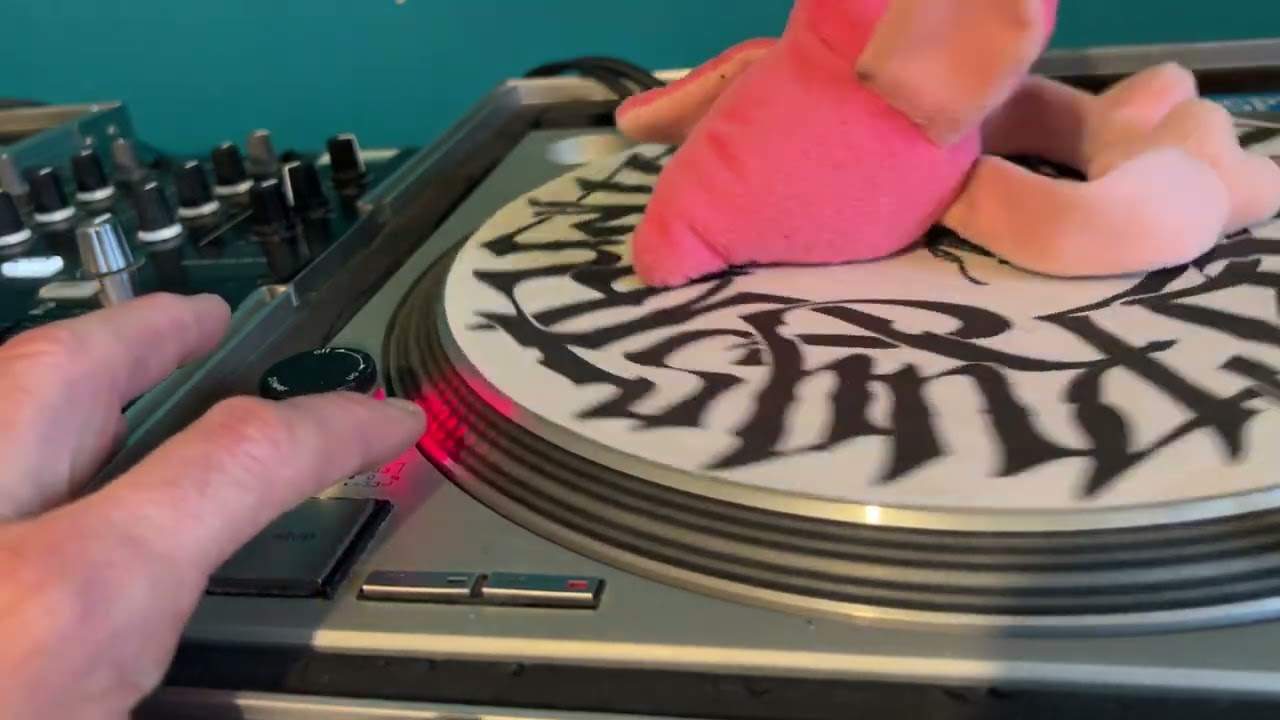
This turntable here is the one that we're listening to through the headphones and then this guy down here is the one that we're listening to through the main PA. Now a technique I use as well, and this is slightly more advanced, so if you are a beginner by all means watch and take it in but it is exceedingly difficult. What I like to do quite often and what can be done is, and again people say now you can't just keep it in beat with just using one. Let me just wind that down there so you can see. Just using one pitch control. Well, yes you can, but you've got to keep your finger there all the time. But what you can also do, you can use two pitch controls. Now again, very quickly, like I said, that one is playing through the main PA, this one you're listening to through the headphones. If you're going to use two pitch controls, the last thing you want to do is this on the one that's playing through the main PA. I'll just give you a demo because it's going to sound as though the record's pissed.
So let's say, hypothetically, this particular track is around about there, that position. So we've got like so. Now that one's playing. Now we need to cue this one in, first of all. Now bearing in mind, this theoretically is on the headphones. So we can do a couple of things. We can forward like this and all the time making notes where the pitch is in relation to how much we're having to speed it up or slow it down. And we're roughly about there.
There you go. Okay, but let's say for example, like I said earlier, we haven't got that much time left and we need to throw this one in pretty damn quick. Otherwise, this one's going to finish and we're going to look alright plonker. Here's the whole idea. Now imagine now, headphones on, this one is playing. Now again, people do say by just using the pitch control it's very difficult, but this is a technique maybe you should start to practice. By using two pitch controls, what's happening is this. This one here, you're getting in beat. If you can get to the stage whereby the one that's playing, you're moving that very, very slightly, in a sense, what's happening here is what this finger would be doing on this record here. Now, it will take a while for you to understand, but it is very logical. Like I said earlier on in the video...
The last thing you want to do is to be doing this all the way up and down like so. When this pitch is set to here, when you've got this one set at a certain point where you know it's roughly in beat, then by manipulating and moving both of them very, very slightly, you can theoretically or you should be able to with time and practice get them perfectly synced. So what I'm going to do now, I'm going to put the headphones on and I'm going to give it a go. Here we go.
5:07 I'll wang that all the way down there so it's totally out
So I'll wang that all the way down there so it's totally out. Right, so I'm going to find the beginning, waiting for bars. What I'm actually doing, if I'm moving the one on the right forward, I'm moving the one on the left backwards. There's no point in moving them both together and then also when you've got it in the mix, you can still keep your fingers on there but just so long as you don't start doing large movements. But theoretically, By the time it is in the mix, there wouldn't be any need to do any large movements because it should be in beat anyway. There you go. So they're near enough beat locked. They could stay like that for 10 seconds, 20 seconds, 2 minutes. I don't really know, but I would know if I put my actual... No, they're not going off. Here we go. This one needs to speed up. Okay, so the whole idea with this particular video is, like I said, it's slightly more advanced, but it's giving you another idea of how you can mix.
We're just using the pitch control, not having to mess around with the actual platter. And alright, everyone's got their own ideas, but to me, to see a DJ like this, with his fingers or her fingers like this, hold on you can't see the other one, I don't know, there's something about that, it just looks a bit more professional as opposed to like that. But anyway, at the end of the day, there are some pros that do it that way, there are some pros that do it this way. The one most important factor, and that is it's up to you. Thank you. Practice and enjoy.
This transcript was produced automatically from the audio of the video and may contain mistakes.