9:05
Beginner DJ Lesson on Beat Mixing Using the Same Track and Finding the Phase Sound
Contents of the video
0:01 Another one of those easy mixing lessons for the complete and utter be
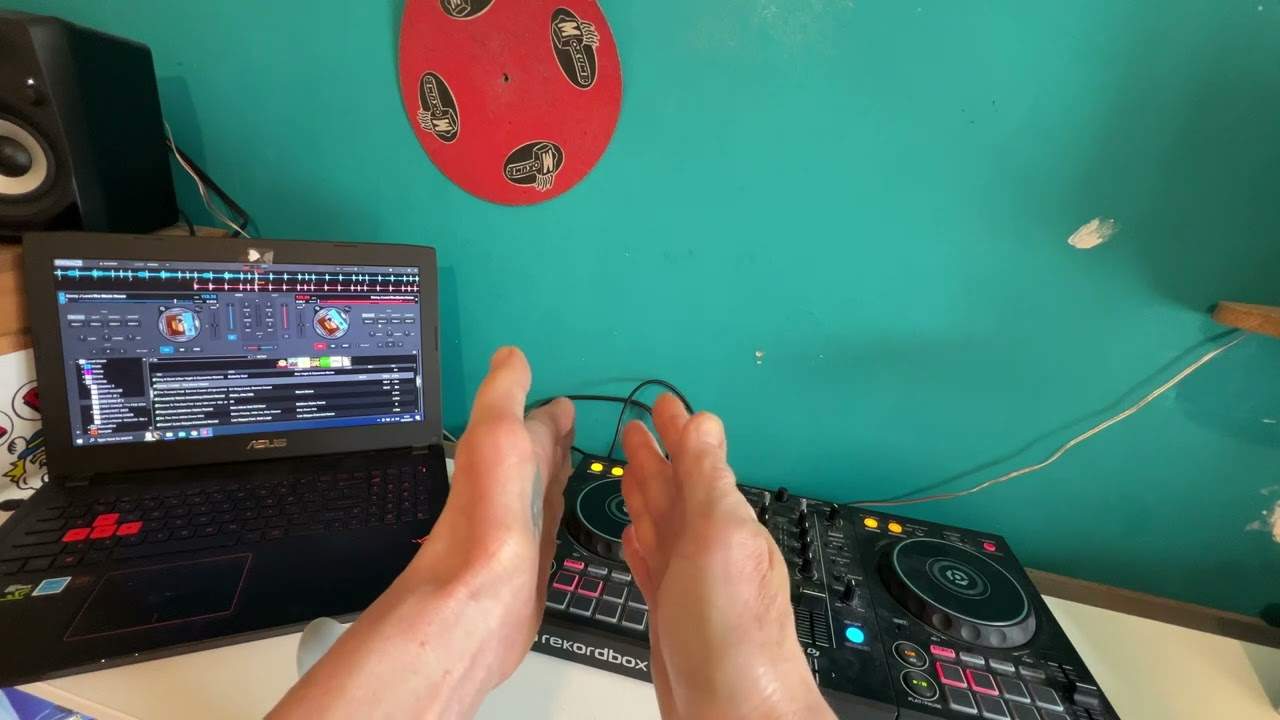
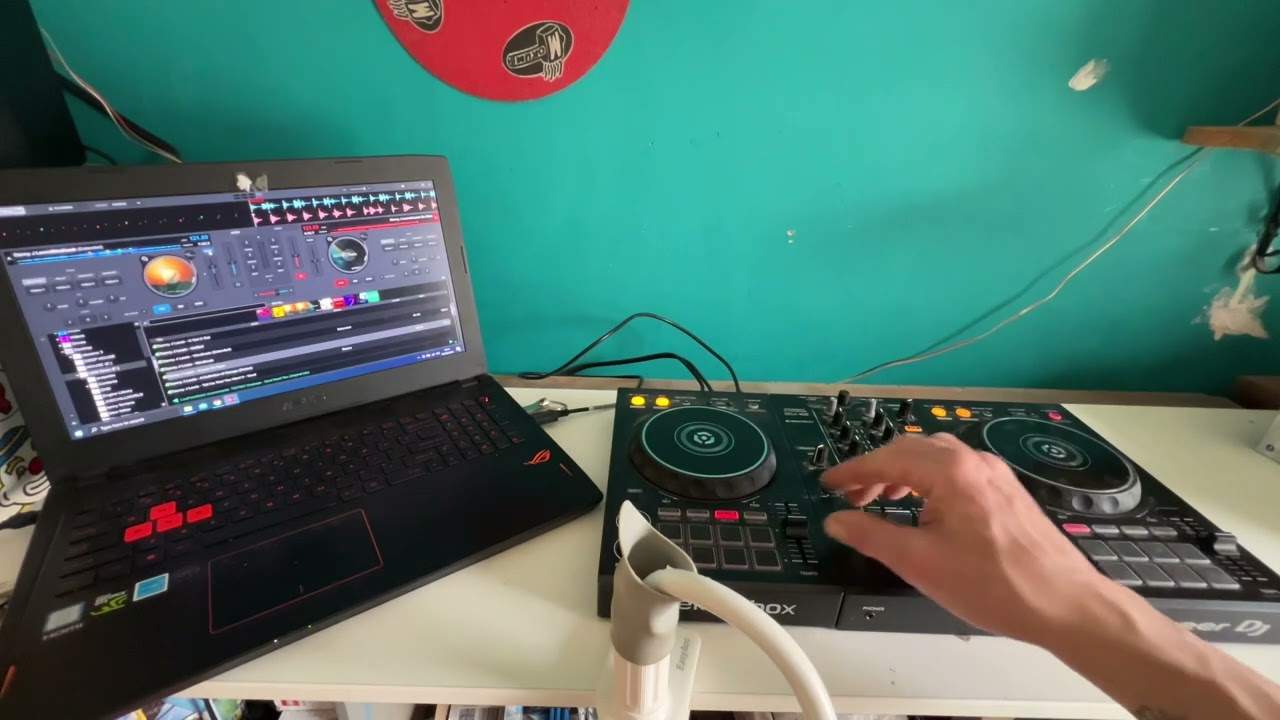
Right, ladies and gentlemen, another one of those easy mixing lessons for the complete and utter beginner. I'm using Micronoise, a track entitled Dirty. So on the right hand side, you can see I have the BPM set to 124.5. On the left hand side, I have it set to 124.4. Now, the reason I'm using the same track is because I'm listening for that phasing sound. I've done this video a couple of times, but a long time ago, and the way the algorithms work, a lot of my old videos now are really difficult to find. Few people have said, come on, Jonathan, redo them. So here we are. Now, the phasing sound is what you hear when you have exactly the same track play at the same time. So you have track one on the right, track one on the left, and you play them exactly the same time.
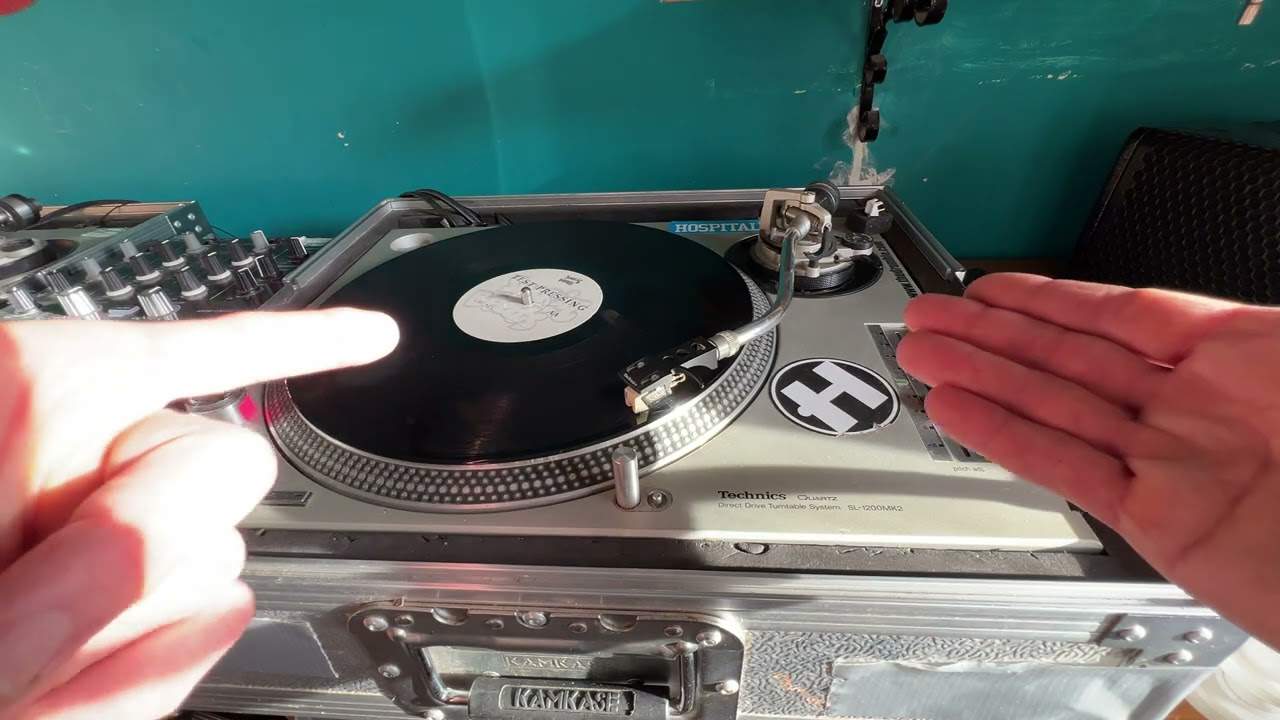
Now, if I was to play the same track at the same time... at the same BPM, I could myself change the phasing sound by using the jog wheel. But because we have a slight difference in BPM, you will automatically hear the phasing sound. Now, what you're listening for is almost as though the sound seems to rise and dip. So let's play and let's have a listen first. Here we go. So play them at the same time. So basically, I've got the right hand side. The bass, mid treble is at 12 o'clock left hand side, bass, mid and treble 12 o'clock. In fact, it's just a mirror image. The only difference is the right hand side is 0.1 BPM faster than the left. Let's have a listen. Press play at the same time. Can you hear it rising? It's getting higher.
2:04 Snare bass, elements track
Put the bass down a bit. Now it's coming down.
So if I was to leave that way for the entire track, guaranteed after five minutes and 36 seconds, it would be completely and utterly off beat. And considering it's only 0.1 of a BPM offbeat over a long period of time, you will be able to hear that go from phasing sound to a definite sort of double beat and then it will sound completely off. So what I'm going to do, I'm going to repeat the process, start both sides at the same time. But I'm going to use the jog wheel and I'm going to manually using the jog wheel keep that key of the phasing sound the same. I'll give you a demonstration first and I'll explain what I was doing rising. OK, so it did go a little bit off to begin with, but what was happening is while I was moving the jog wheel,
4:30 The objective of this demonstration is to keep it in beat
I was able to change the phasing sound depending on how much I move the jog wheel. Now, this is really good practice for fine tuning your beat mixing, because even if you're using different tracks, what you will find is there could be key elements in that track, it could be the high hat, could be the snare, could be the bass that may phase by itself. So you could and this is where your ear comes in and this is where your ear starts to be tuned in to the hand clap or the snare or the bass, those key elements of the track. So the objective of this demonstration is to keep it in beat. Now, this is only point one BPM out of beat. Now let's sorry, try not to bash the camera. Let's bring that up to now point eight.
So now I'm point four of a BPM off. Now what should happen now is we should get the phasing sound again, but the phasing sound should be a lot quicker. Let's have a listen. OK, because I know this is faster, I'm going to move the jog wheel now anti-clockwise. There's that phasing sound again. There you go. So I had to use more of the jog wheel to keep that in beat. Now you could see the BPM. All right. So by all means, look at the BPM. Note the difference in BPM. But again, if you want to make it more difficult for yourself and please do this because at the end of the day, it's so easy with screens, laptops. You can see everything in front of you. But let's go back to basics. A good way of DJing is really, yeah, a couple of pieces of vinyl, no screens.
6:46 Let's bring it up to 125
You're in the realms of good luck, but using the screen gives you a visual image for a beginner of where you need to be, what you need to do. Once you master that, then really in my mind, quote me if I'm wrong here, please leave a comment screen should be there just for purposes as in seeing breaks, bars, phrases, maybe when the end of the track's turning up and so on. All right. So I'm going to increase the speed now even more. Let's bring it up to 125. So now if I bring that down. The other side to 124, now we're one BPM off. So technically, theoretically, now what should happen is when I press play to begin with, we're now one BPM off. And if I leave it too long, in fact, if I leave it even for a short amount of time, it will go off beat.
Here we go. Press play both sides same time. Two, three, four. OK, well, stop banging that. Now I've got it in B. Back in B. A really good way of practicing note, not using headphones, just listening to the monitor. This is for a beginner or maybe someone who just wants to fine tune their beat mixing skills. So if I was to play the entire track, I would have to constantly move the jog wheel on the right hand side anti-clockwise to slow it down, to keep it in beat with the left side that, of course, is slower. Alternatively, I could, of course, move the left side clockwise to speed it up to keep it in beat with the right hand side. Again, if I wanted to, I could cover the screen so I wouldn't know the BPM and then it would be up to me to determine whether the right is too fast,
The left is too fast or the left is too slow or the right is too slow. And that would be dependent on me, let's say having the pitches in a random position that roughly looks the same, but then it would be up to my ears to determine if the right is too fast or the left is too fast or the right is too slow or the left is too slow. I hope that's a help. Let me know in a comment. Thank you for watching. Practice and enjoy.
This transcript was produced automatically from the audio of the video and may contain mistakes.