 6:28
So You Miss the Mix Point This Is Another Way to Get the Track in Time and Phraze
Contents of the video
0:01 The tune I'm using is Danny J
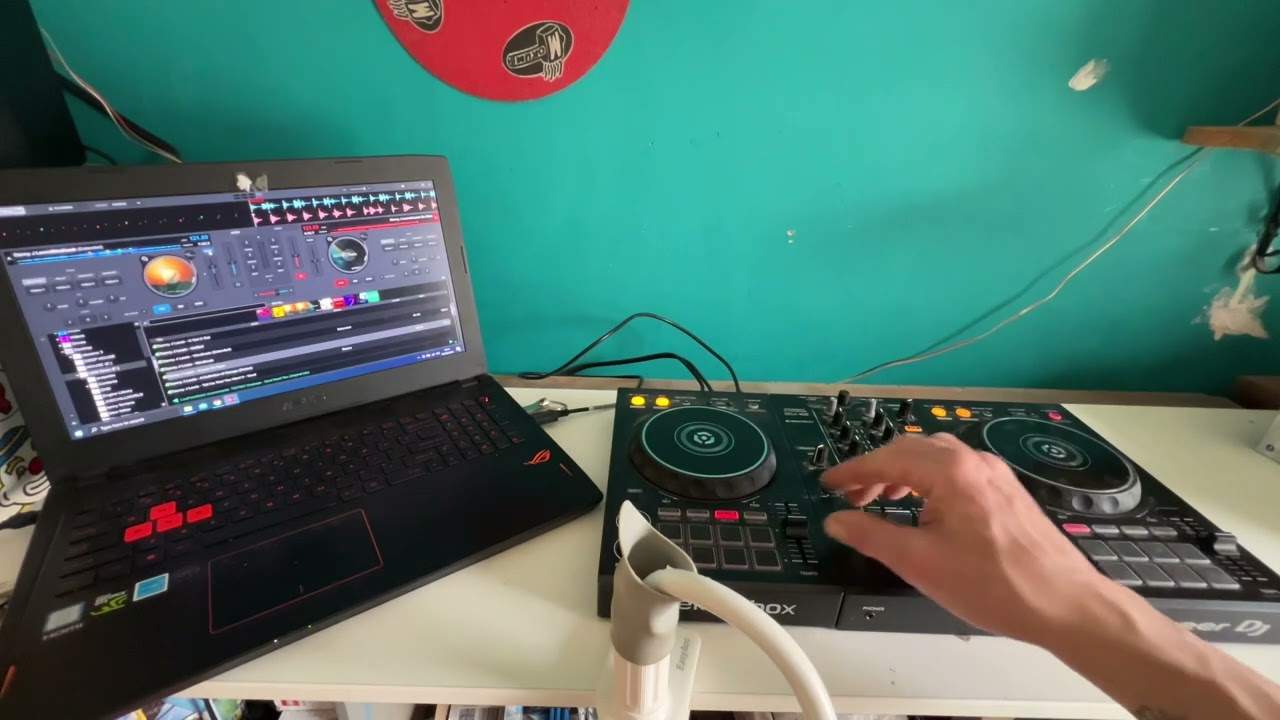
Right, ladies and gentlemen, demo stroke tutorial. And this one is, I suppose, for beginners mainly. The tune I'm using is Danny J. Lewis' track entitled The House Music. So, imagine this scenario. You're listening to a track. You've got your second track cued up ready on the one of the beginning of the phrase that you want to start to mix track two in to track one. But what happens is track one is playing and you miss your cue point. You miss the timing where you want to bring it in. Now, of course, you can put cue points on the way format, but let's imagine you've forgotten to do that. But let's imagine first that you have remembered to do that. Now, of course, what you can do is before playing any track, just set up cue points quite easy on your controller.
1:57 You know, you're playing the track, you're listening to it
At the beginning end of phrases. Now, when I say beginning end, almost like in one sentence, the end of a phrase is the beginning of the next phrase. Of course, that's depending on if the track is starting or finishing, because if it's starting, it's only the beginning. If it's ending, it's only the ending of a phrase. But if you're halfway through, when one phrase finishes, the other one starts. You haven't got like a gap. In the middle of one or two beats where the producer has just gone, oh, we'll just chuck a fill in. No, finish and start at the same time. But let's imagine you haven't done that. OK, so what I've done here, I've set a cue point at the beginning end of a phrase here. So if we go back a little bit, let's have a listen there now for argument's sake.
You know, you're playing the track, you're listening to it. And as you would expect, you would normally cue up the other side on the one at the beginning of the phrase, the next phrase. But quite often what I find with new DJs and I get this mentioned a couple of times a month is that they miss their cue point. In other words, they're listening to the track and the track ends at the phrase. And they. They forget to press play or they're not concentrating on the track and they miss the point where to press play at the beginning end of the phrase. So, for example, we're playing here. You're playing your track. You're getting this side ready. Three, four, one, two, three, four. Now you've missed. And now you start there.
3:49 Just think pure logic
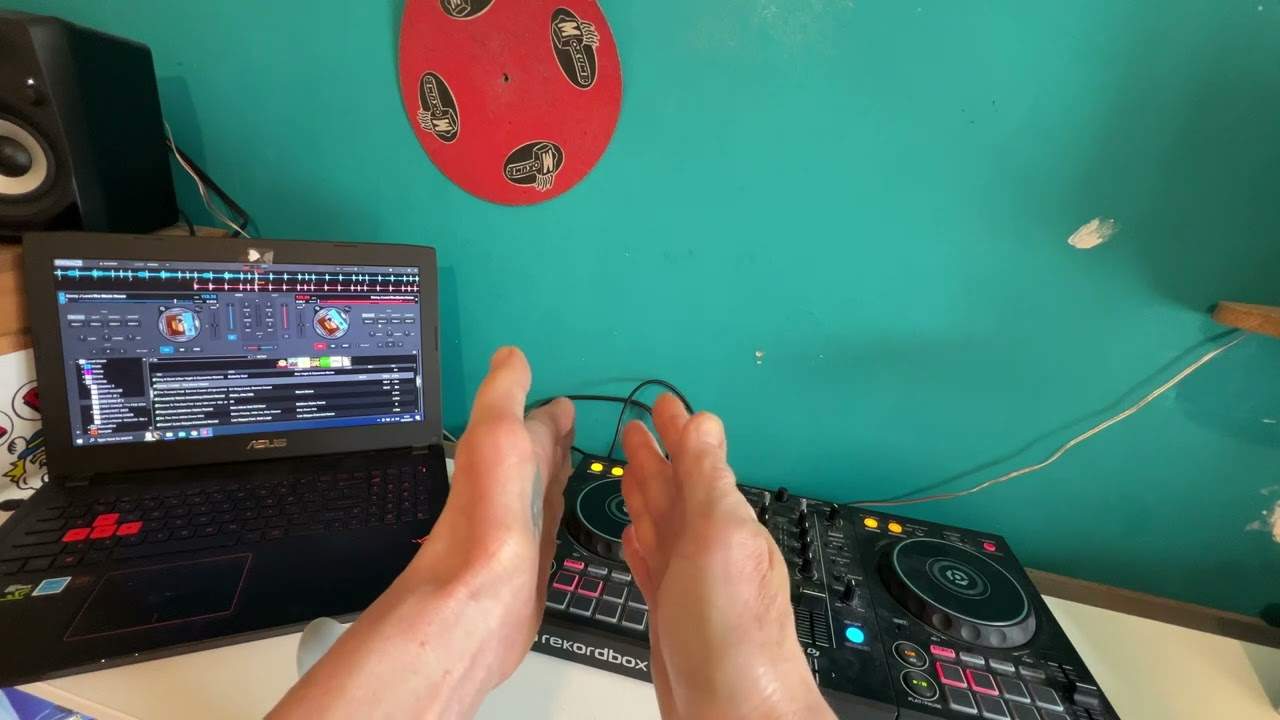
So if you start. The next track at the beginning of that phrase, when the other side has already completed one phrase and is starting into the next one, you're going to be out slightly, aren't you? So if you start the second track, one phrase in two phrase in phrases, sorry, three beats, four beats, two beats, one beat. You're always going to be off by that amount. But there is a way around this now. Again, a lot of people say I do talk quietly. But what I try and do is as explain as much as I can. Now, what I've done here is I have set a cue point for beats in one bar in. Now, just think pure logic. You're listening to the track. The end of the phrase on this side plays finishes. You start going into the next phrase.
So long as you can recognise the phrase has stopped and it's gone into the next phrase, all you've got to do is count four beats and start. So really what this is is acting like is like a bit of a safety net. In other words, you don't have to think two, three, four, start on the first phrase and you may be off slightly. All you've got to do is wait for four beats. Start it. And because this side now, this track is four beats in, you've got that time to get ready to bring the next track in. So so we're listening to it now, the tracks playing on, you know, all of a sudden you think up one, two, three, four, press play and now you're in. All right. They're not really in beats or anything like that. This is a demo.
But all I did again to clarify is the second track I'm bringing in, I queued it up four beats in. Now, you're not going to always need to use this. This isn't something that you're going to be doing every single time, but you will do something like this. For example, if you're halfway through a set and you're not familiar with the track you're playing, but you are familiar with the track you're bringing in. Makes sense? Perfect sense, doesn't it? So you're playing a track you're not familiar with. You're not sure when the next phrase is. You're not sure when to bring the track in the second one. But if you just queue it up four beats in and then as soon as that phrase turns up, you're like, okay, I don't have to worry about missing the beginning of the phrase because I've got the second track queued up four beats in.
All right. Now there are other ways around this. But I hope. This video is a help. Don't forget to like, just give me a little bit of a comment. Let me know what you think. Thanks for watching. Practice and enjoy.
This transcript was produced automatically from the audio of the video and may contain mistakes.