 6:24
A short beatmatching walkthrough
On YouTube this video is called Beat matching tutorial for the DJ.
What this lesson teaches
This one is not a demonstration, it is an argument - and it answers the complaint behind most beginners' frustration: why will this not just stay where I put it?
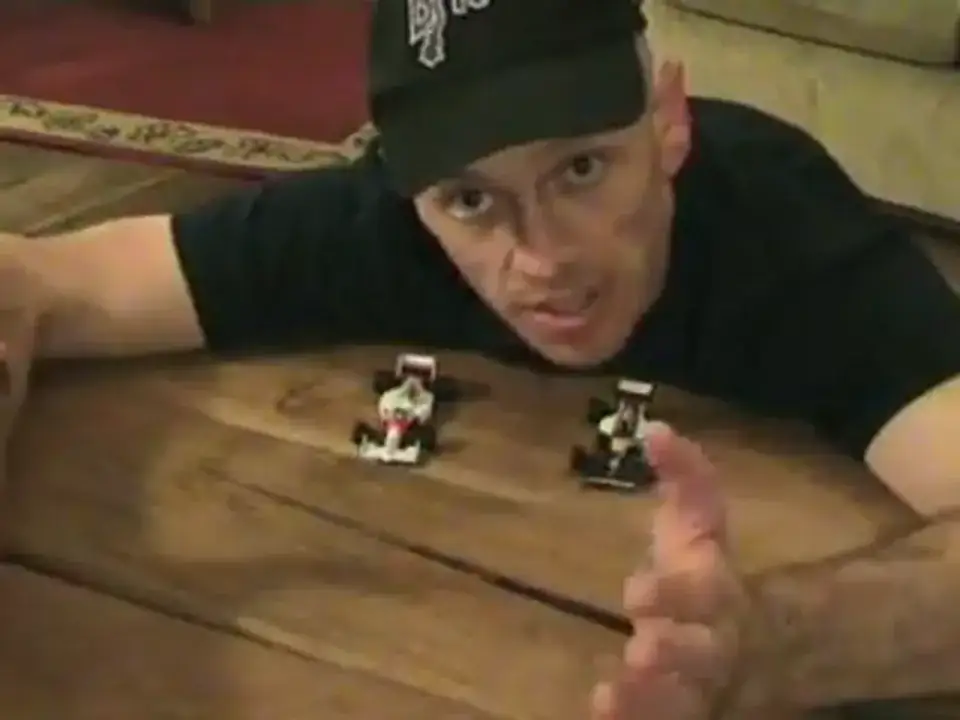
Equal speed is not the same as together
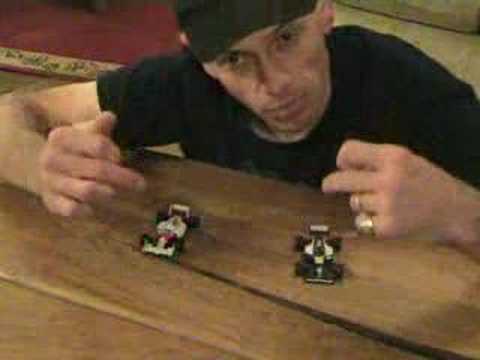
Take two cars, one at 50 miles an hour and one at 30, setting off at the same moment. Thirty seconds later the first is far ahead.
For the second to catch up it is not enough to reach 50. At 50 the gap simply stops growing. It has to exceed 50 - go to 70, say - hold that until it draws level, and then drop back to 50 to stay level.
Every mix you pull together involves that shape: a period of deliberate mismatch to close the distance, then a return to matched tempo to hold it. Treating the pitch fader as something you set once and leave is the single most common early mistake.
Why it drifts when it sounded perfect
Here is the part that explains the frustration.
Suppose one track is running one mile an hour slower than the other. For a few seconds they sound locked - a difference that small is inaudible beat to beat. But it is still a difference, and it accumulates. Thirty seconds later the gap is obvious.
So a mix sounding right at this instant does not mean the tempos are equal. It means the current error is too small to hear yet. The test of a real match is not whether it sounds right now, but whether it still sounds right in a minute - which is why he says you cannot judge a beatmatch in three seconds.
The lag
There is a short delay between moving the pitch fader and hearing the result, the same way a car does not change speed the instant the throttle moves.
This is what makes the fader feel unresponsive, and it is what makes beginners overcorrect. You move it, nothing seems to happen, so you move it further - and then both adjustments arrive at once and the track shoots past.
The habit to build is to make a change and then wait a beat or two before deciding whether it worked. The information you need has not arrived yet when the instinct to adjust again is strongest.
What follows from all this
That beatmatching takes time to learn, and that there is nothing wrong with you if it does not come in an afternoon. You are training yourself to hear differences too small to notice individually, while operating a control that answers slightly late.
His closing advice is the same as always, and it is the right advice: practise, and enjoy it.
Contents of the video
0:00 What I tried to do
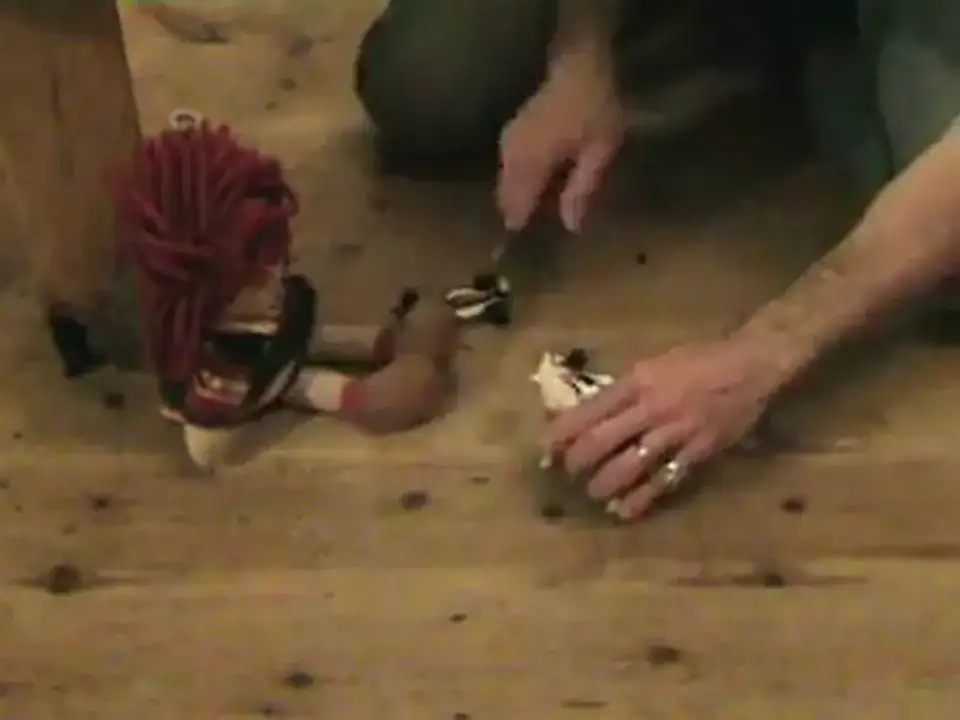
Right folks, now a long time ago I did a video on, I suppose it was almost like my philosophy of mixing. What I tried to do... Here we go. Two cars. What I want you to do, I want you to imagine these A turntable. I know it looks really bizarre and silly, but they're turntables. That's your right hand turntable, that's your left hand turntable. Imagine there's a mixer in the middle. Now just imagine this, just imagine the throttles in these vehicles are the pitch controls. Now if you think about it, if this guy here puts his foot down, it's going to go very fast. But of course it's dependent on how much he puts his foot down is of course dependent on how fast or how slow it's going to go. Let's imagine that both these cars start off at exactly the same time. In other words, from the count of one, they both start. But this one here is going, say, 50 miles an hour. This one here is going at, say, 30 miles an hour. Alright, it's going to take a certain amount of time for this guy to get to 50.
2:03 They both started off at exactly the same time
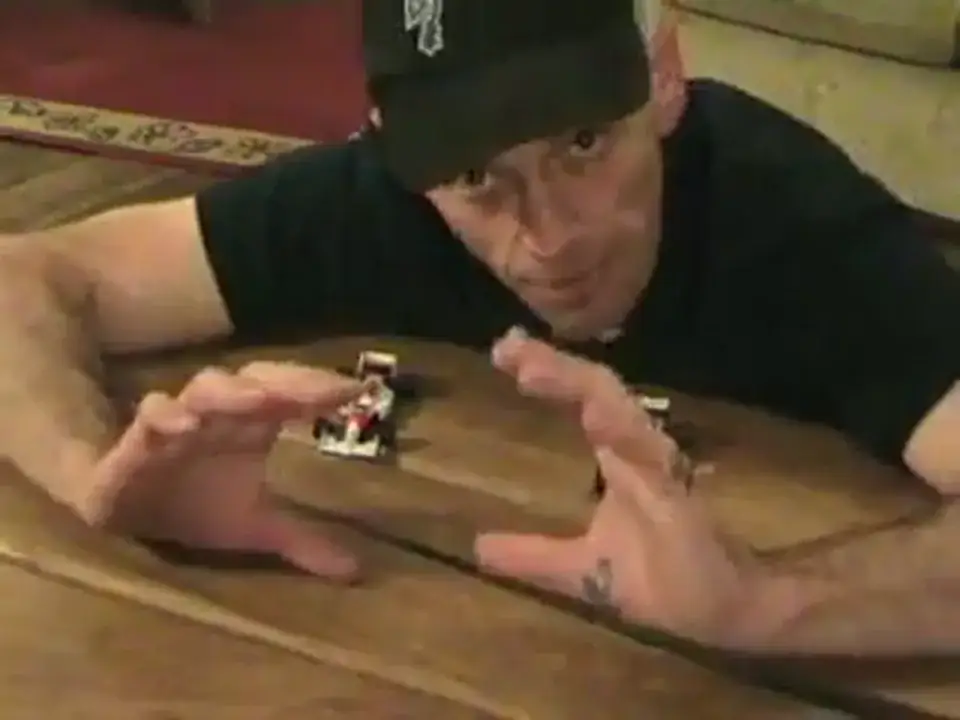
The DJ Tutor is the best way to get to 30 miles an hour, but once they've reached those speeds of 50 and 30, they'll stay at those speeds. Now they both started off at exactly the same time. So my first question is, after say 30 or 40 seconds, which one will be going the fastest and which one would have gone the greater distance? Now logically it's this one here because it's going at 50. And this one here is going at 30. The only way this one can catch up with this one is to go faster. But if this one all of a sudden started to go 50 miles an hour, it would still be too slow. It would still be behind this one. The only way this one here can physically catch up with this one
3:30 Of course, the faster it goes, the quicker it will catch up
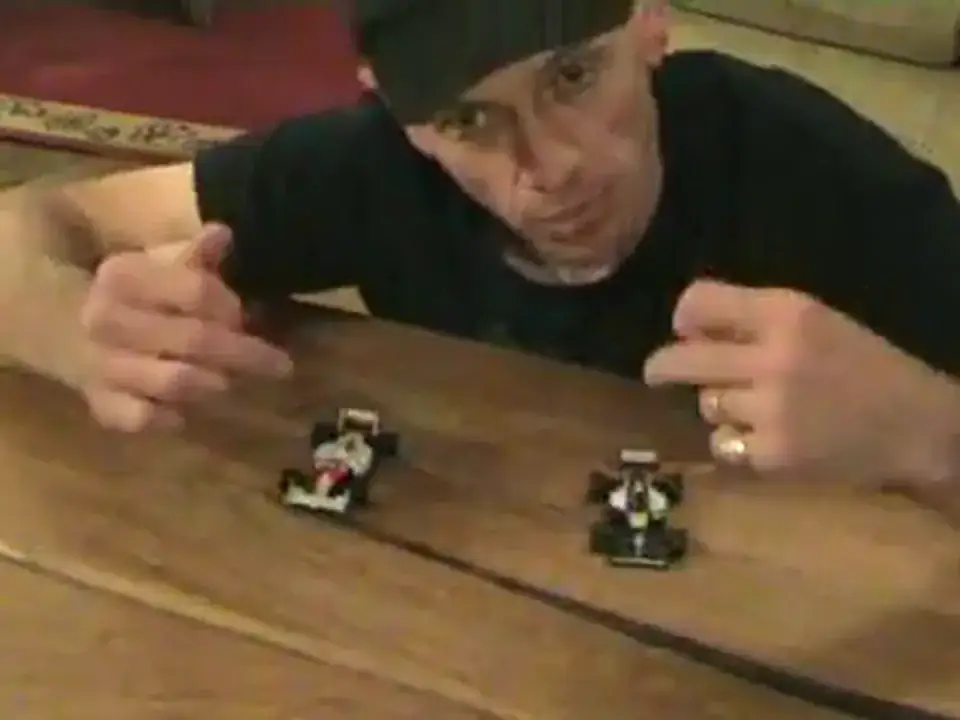
70, 80. Of course, the faster it goes, the quicker it will catch up. But, it's also then got to reduce its speed. So all of a sudden, hypothetically, say it's going at 80, it can't all of a sudden then just go straight back down to 50 miles an hour like that. It's got to slow down. It's got to have maybe one or two seconds for the guy to put his foot on the brake and slow down. What is this? I mean, where's this going? Oh dear. Well, I'll explain. Two pitch controls like this, alright? Say you're moving this pitch control and you think, hmm, the track needs to go slower, so you take it down slower. And you think, no, it needs to go faster. You're bringing it up, it's going faster. But still, it doesn't seem to be catching into beat. That's because there's a tiny, tiny, tiny amount of time
For the pitch control to actually do what you're doing. That's what's happening here in a sense. So if you think about it logically, to beatmatch is quite difficult. It will take a lot of time and you can't just beatmatch like that. In other words, if you think you put the pitch bang there, it'll stay in beat. It probably won't. It may stay in beat for a tiny, tiny amount but it's the same with the cars. Think about it. This one's going 50. This one is going, say, 49 miles an hour. So, for a tiny, tiny amount of time, it will seem as though they're working together. But slowly but surely, this one is going to go faster. That's near enough exactly the same principle with beatmatching. You may think it's in-beat and it probably is for a tiny amount of time, but eventually it will go off. So, think about it.
This one here is going 1 mile an hour slower than this one. So they're both together for that split second when you've got the pitch control right at that point. This one's going slower, slower and all of a sudden you think, damn, I need to speed this one up. So what you actually need to do is speed it up say 2 or 3 miles an hour faster. But yes it will catch up but if you don't then reduce the speed back down it'll start to go too fast. That's exactly the same thing that's happening when you beatmatch. It's getting it precisely at that point, so if you actually think that you can just do it with a flick of a switch within three seconds of becoming a DJ, then you're either an absolute genius or maybe your head's in the clouds because it will take time and like I've always said, practice and enjoy. Thank you.
This transcript was produced automatically from the audio of the video and may contain mistakes.