 6:16
Beginner DJ Lesson on Riding the Pitch, Help with Mixing
Contents of the video
0:00 This is take three because there's loads of noise in the background
Alright, this is take three because there's loads of noise in the background. There's children flying everywhere, blood, guts and it's horrific. Just kidding. Okay, this is video number two on beatmatching. People have been asking me to do another tutorial in HD on riding the pitch. First thing is that if you do use the sync button, I suggest you stop using it and learn how to ride the pitch first or at least beatmatch using your ears first and then, by all means, use sync. If you agree with me, thumbs up and say yes I do underneath. If you don't and you want to continue just using the sync button, that's fine but there may come a point in your career where you turn up in a nightclub and they'll say off you go
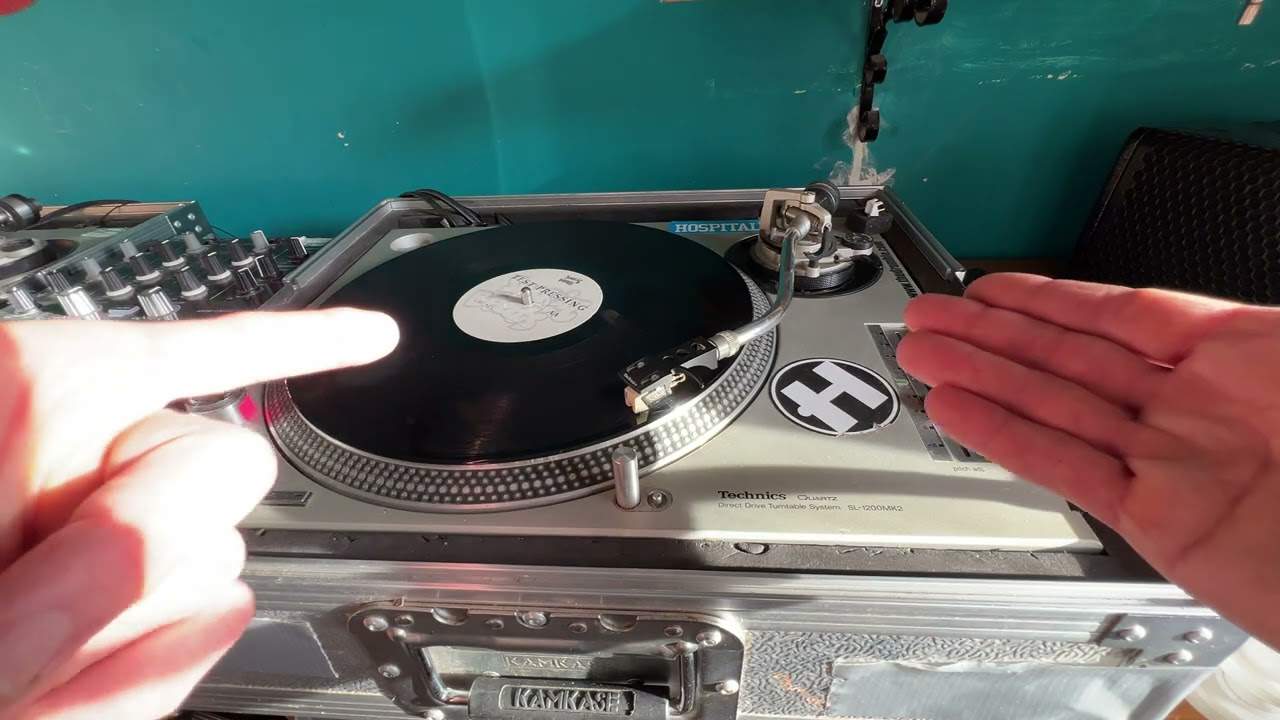
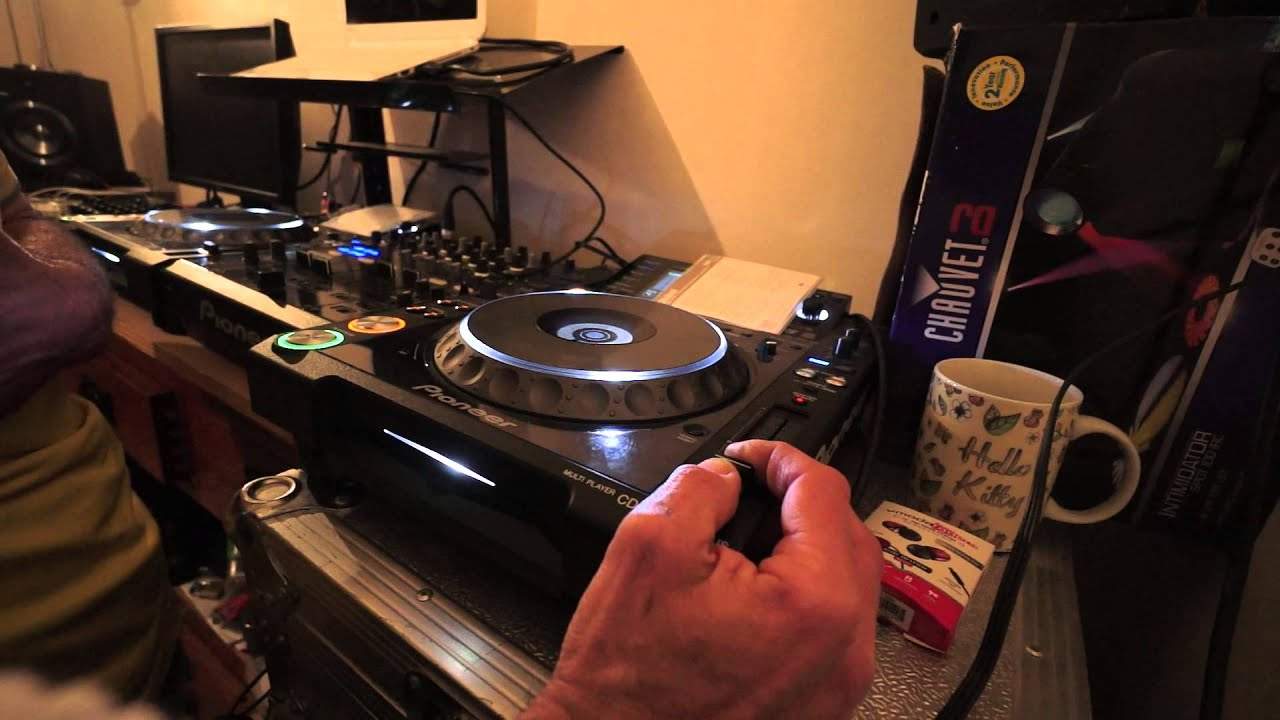
And you'll go, where's the sync? And they'll say, well that was there in your changing room to wash your hands with. I'm afraid we don't have one behind the DJ booth. Okay, so we're using the same track, Mr Lenny Fontana featuring D-Train, a track entitled Raise Your Hands, track 11, plus or minus 10, 1.25 p.m. Over here, track 11, Raise Your Hands, D-Train, 1.25, ah, that's what I just wanted to do, plus or minus 10. Right, so what I'm going to do now, I'm going to do that so now I can't see that at all, neither can you. And I'm going to do that and what I'm going to do here now, ah, okay, don't worry about that, where are some of my, no, 1, 11, yeah, we're on 11, 11, right, okay. I just want to go to 6, plus or minus 6. The reason for that is now I've moved that sort of to, well, let's put it up to there.
2:06 Movements hopefully will be quite broad to begin with
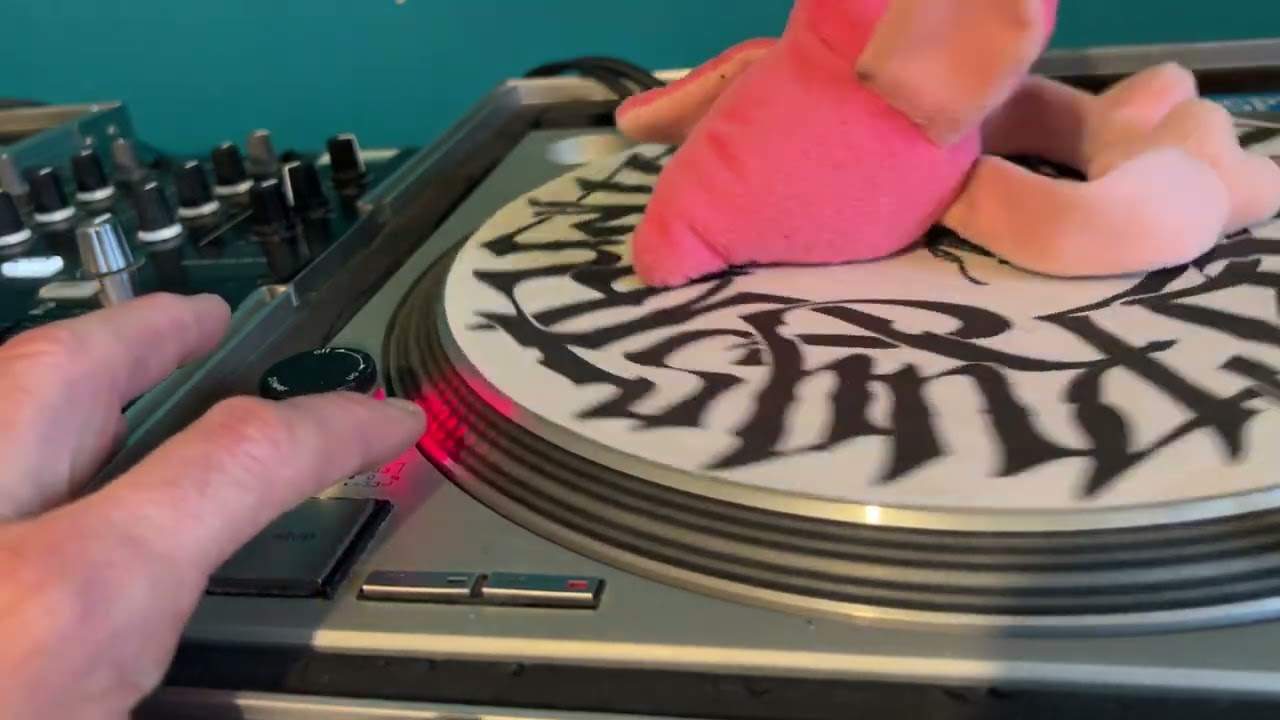
I cannot now look and think that's where the pitch needs to be here, at the same sort of similar place, because I've now reconfigured what happens with this pitch control. No longer is it minus 10% or plus 10%, it's plus 6% and minus 6%, which means that if I even get it in the same place, it's not going to be in time. Right, movements hopefully will be quite broad to begin with. And narrow off very slightly, so I'm going to try not to touch the platter at all and the idea is to get it as perfectly, oh, I can see it very slightly there, sorry, I've moved that now because I could see it was like that and I don't want to see, I don't want to see any of the zeros, so I need to put that there, okay.
4:04 I did, I will put
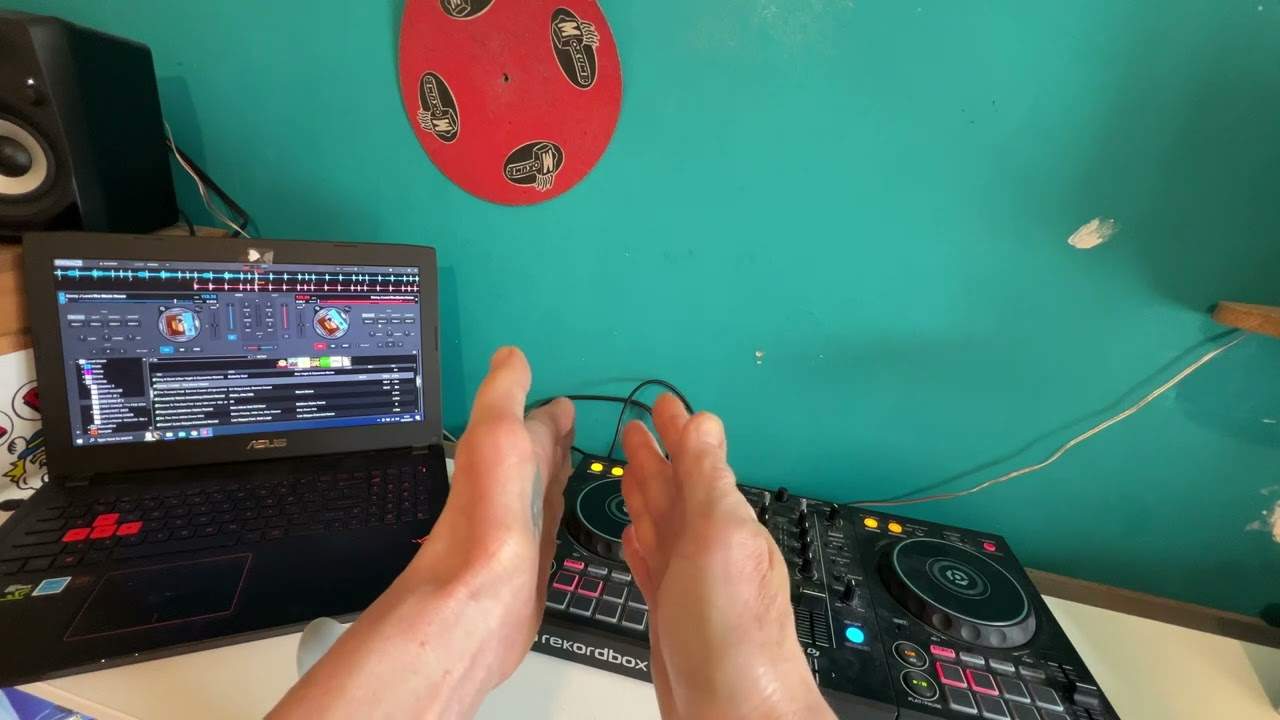
No, in fact, if I do that then we can see, I can't see at all, okay, so I hope you got that right. So let's give this a go and I will do another video on this, but we'll, we'll, this, this practice in video number three, it'll be the theory I will explain in pictorial manner. Okay, so we can hear it's going off, now we're listening for that phasing sound, like that, not quite there, other way, bring it towards me, away from me, that's really close, that is really close. Okay, where are we doing? 130.2, 130, alright, that's not too bad for being very quick. Okay, now I don't know if you saw that, it's just, just put the volume down, so 130 and, oh, it's gone, see, it's gone to 130.1, that is because I haven't used these files through record box, so it's, it's definitely not in, because we can now hear an echo, but to, to just go over what happened in video number three,
The first one I did, I will put a link in the description, you're at an angle, I'll put a link, I'll put a link in the, oh, that's bad, I'll put a link in the description, but what was happening is I was listening for that phasing sound where it, now the idea is to, to almost keep it on that peak, as you hear it go, it's getting in time, peak, where it disappears, and if you actually hear the sound change, go, that means it's out. of time, it's not in time, if you hear the sound stay the same, it's not, okay, we're not talking about the sound of the track, we're talking about the sound of almost like the effect, because the effect we're pretty much making is phasing, what's happening is because we have the same track, the one is cancelling the other out, now you may ask, how does that work if you're using different tracks, well, if you're using different tracks, but the tracks happen to be made with
A similar drum machine, in exactly the same key, you may find that certain, certain parts of the drum kicks of the tracks will phase each other out, now I haven't said that because I'm thick, you're thick, I've tried to emphasise that, and that's what I listen for, it's almost as though you're listening for that sort of subtle kick, or the snare that's disappeared, that's because it's phasing, and that's the sound you're listening for, alright, this is video number two, video number three, we're going to talk about that. What we'll do is we'll look more at the theory and drawings and squiggly lines, practice and enjoy, thank you.
This transcript was produced automatically from the audio of the video and may contain mistakes.