 15:08
Beginner DJ Mixing Lesson BY Ellaskins the DJ Tutor Get the Phase Sound
Contents of the video
0:00 The tune I'm using here is by Bart Gorry
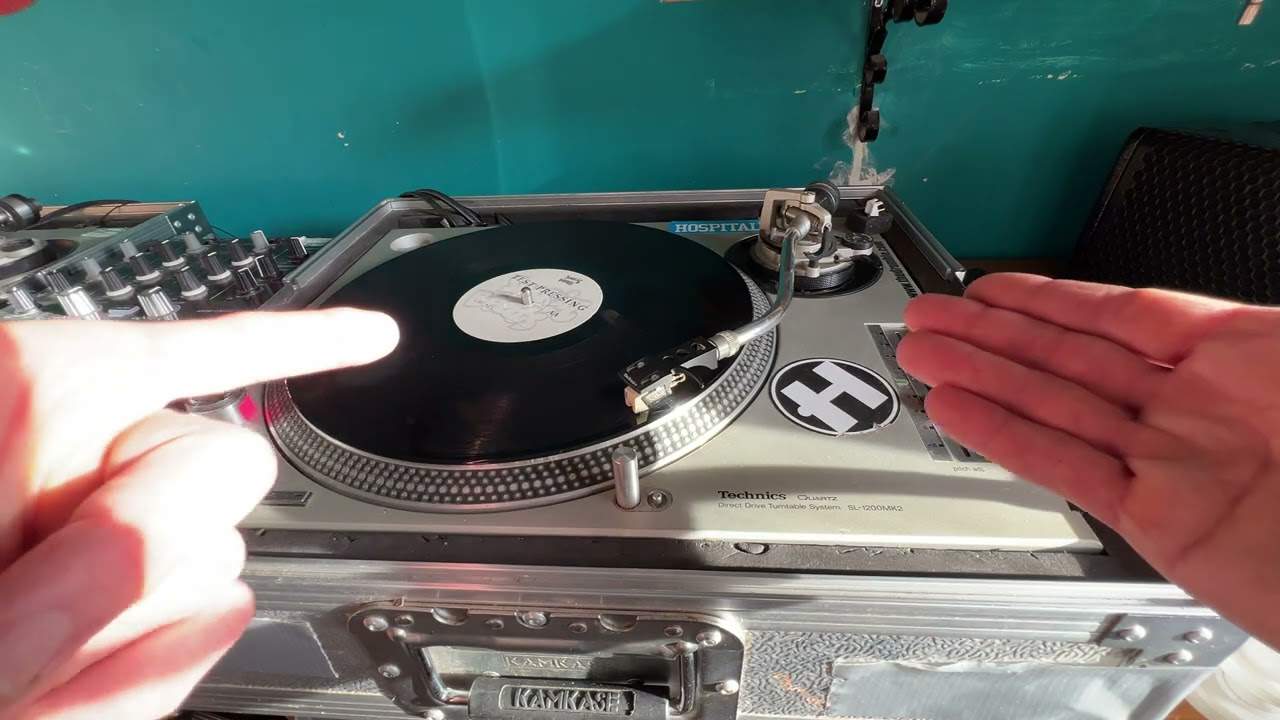
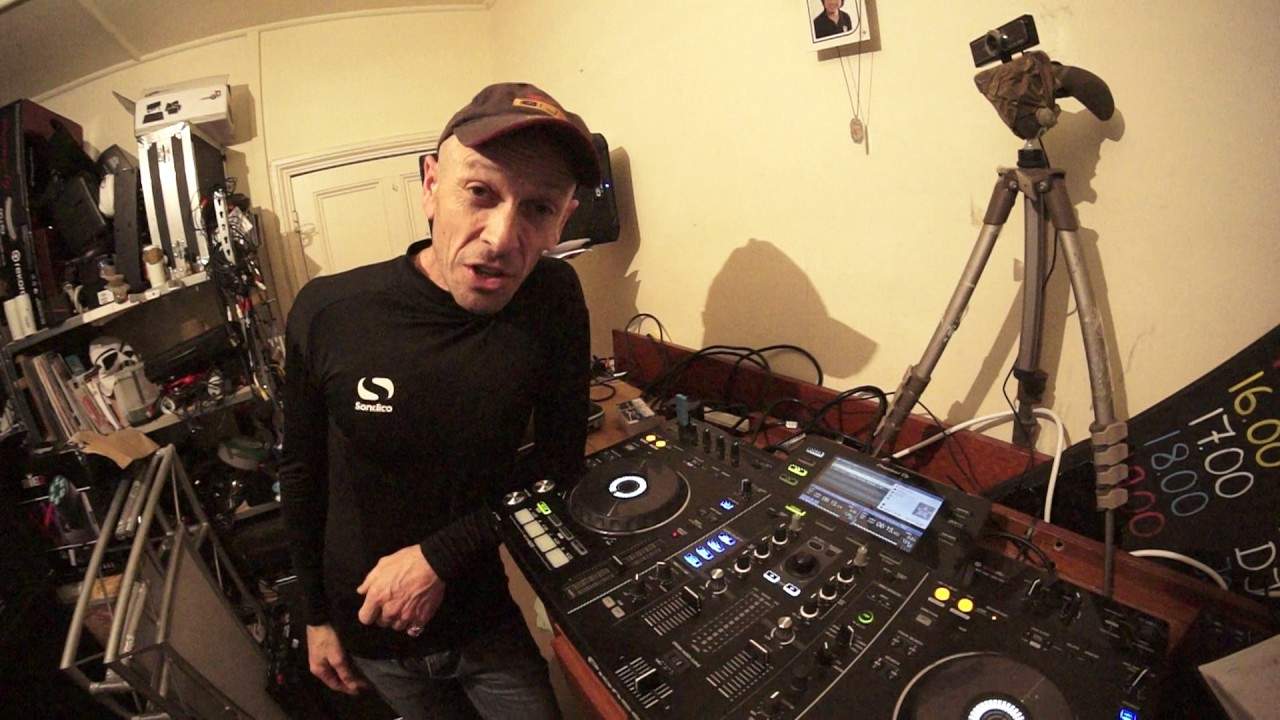
Right guys, the tune I'm using here is by Bart Gorry. It's a track entitled Deep Inside. It's from Karmic Power Records and the link is around about sort of down there-ish. There it is. Oh, it's gone. Oh, it's back again. Right, so this video is also for beginner DJs only. So if you already know how to beatmatch and whatnot then sod off. You gone? Good, right. Okay, so what I've got... is first of all i've got the same track but i've got the instrumental version and i've got the vocal version on the other side so we're going to do a couple of things here now beat matching is an art and there's a lot more to it than just yet wrapping one side to 120 and the other side to 120 and thinking it's beat matched and away you go it may stay in beep for
A few seconds, maybe even quite a few seconds, but it quite possibly could go offbeat. And if you don't watch, it can go offbeat to the extent where it ends up catching up with the next beat and you think it's onbeat, but it's offbeat. And then it sounds bad, but you're thinking it's onbeat and it's off. And why does it sound bad when it's on, but it's off? I'm sure you get me. Anyway, so what we are listening for is we are listening for the subtle... Change in sound when we hear the tracks phasing. Speed changes in or around you, maybe not in you, depends if you've had beans tonight. But what happens is the sound will change. Now when you are doing or when you try this exercise, the sound should not change and it's tuning your ear to listening to make sure the sound does not change.
2:25 What sound am I on about?
What sound am I on about? It's the phasing sound. Now, I want you to imagine that you're climbing a hill and this hill isn't a mountain. It's not steep up with a little pokey point at the top and a steep down where you can fall over and crack your ass at the bottom. No, not at all. This is a nice kind of just meandering up a gentle hill with lots of flowers and bees and grass all over the place. Nice top, and then a rolly all the way down again. So it's a... I said steep then. It's nice meander up, and a nice rolly down. Uppy-downy sort of hill. God, I don't know how to go on, do I? Right, so what we're listening for is we're listening for the sound to not change. Now, let's imagine that the sound is changing.
What you would be hearing is almost as though the phasing sound seems to sort of rise, gets to a peak and then dips down again. But we don't want that. We want the phasing sound to sort of stay in one position. We don't want that sound to move. So this is where we're actually, we're making sound not move. All right? Now we can make it move. And if we want to... We can stop making it move. So there is actually more to this tutorial stroke demonstration than meets the ear because you can get into this as much as you want. Now, beatmatching is an art and to the extent of, as I said to a few of the students that I teach online, it's like trying to listen to the flap of a butterfly's wings. You know, if you just...
Close your eyes and you concentrate. You can hear them flap if you get close enough. Could you? I wonder if you could. You probably could, actually. OK, so I'm going to give you a demonstration first, then explain exactly what's going on. Right, so same tune. Let's just listen first. OK, and I do have the vocal version on the one side and the instrumental on the other. So not only are we listening for the phasing sound, which we've got. But we can have a bit of a mess around as well. Now, have a listen when I take one of the tracks away, one of the volumes down. I'll put the other one down. Right, I'm going to repeat that again and I want you to listen to the sound of the phasing, okay? Now it's the note, it's the pitch of that phasing sound that we're getting. Okay, here we go.
5:46 The sound here was slightly different to the other one
Slight echo there. There it is. Now, the sound here was slightly different to the other one. Now let's imagine we're at the bottom of that hill. Have a listen. We're even further down the hill. Now let's go up the hill and back down the other side. Top of the hill, now we're down the other side. Okay, so what's exactly happening? How am I classing these kinds of sounds? If you're used to one of them, stick to it. And that's it. Because they're all fit for purpose. They're all just as good as each other for the person who uses them. Right, so let's get back to business here. If you look at the WAV format, but if you were able to just take...
A kick out of that wave format so you got rid of all the scribbles and just wobbly bits and you just saw that little squeak, that little line there that was the kick and you were able to elongate that. It would no longer be straight up and down it would be like this kind of hill but if you were able then to get another one and put it next to the first one or behind or in front The DJ Tutor offers a wide range of different types of music. A fraction, let's say in front of the other then all of a sudden the one would start here but then the other one would start let's say a tiny bit in front of the other one so of course when the one starts the other one is creeping up so the two peaks are slightly apart it's a little bit like a set of very small boobies at the top hmm nice image that
9:21 About something the easier it
And then the further they get apart, the bigger the boobies get. Hmm, that's even nicer image actually. Until eventually, when they're completely apart, you've got a grig big grig, a big pair of wobblers, haven't you? Like, let me show you the wobblers, right? Here are the wobblers. You see, da-dum, da-dum. You see, this is it, those two beats, bam, bam. But the closer they get... The less you can see of both of them really because they're covering each other. It's almost as though the one is taking place of the other so you can only see one of them. Now I hope, I know I do waffle on sometimes but I honestly find the better and the more you can explain about something the easier it is for people to understand and then when they understand what you're on about
It's easier for people to get hold and grasp the concept, and then of course understand what they are doing when they put videos like this into practice. So let's start again. Now there's that sound we're listening for. Now if you think about it, at the beginning of the lesson I talked about listening for the sound. Now that sound is not changing its pitch, What we listen for, and when you hear two tracks playing together, this is the eureka moment guys, when you listen to two tracks playing together and you hear that phasing sound and the phasing sound pitch does not change, that means they are perfectly aligned in beat. Now of course this definitely applies to... Something like this when you're playing the same track because every single note at every part of the track is identical because they're both the same. But of course it's slightly different when you're playing different tracks. This is the butterfly wing part because you're no longer listening for the whole track to phase, you're actually listening for maybe just the kick or the snare to phase and this is where your ear has to be tuned in.
I've got the same track. I do have the original mix on this side and the instrumental on the other side, but it doesn't matter because the original has just got a bit of vocals all the way through it. But apart from that, they are identical. They're both at the same BPM. Now what I'm going to do now is I am now going to move the pitch on the left-hand side down a fraction. I mean literally down to like minus point... Let's say minus point... If I put the volumes up, of course that's probably a good idea. Thank you, here we go.
12:52 Can you hear that?
Now can you hear that? Ganging. Up the hill, top of the hill, right at the top of the hill, and we're coming down again. Now if you think about it, okay, the one side is 0.2% slower than the other. So if you were doing a quick mix of say 2 or 3 bars, 4 bars, that wouldn't matter. But if you wanted to do a long transition of 8 or 16 bars, and you took your headphones off... And you started pissing around with the bass, mid and treble effects and start putting your hands in the air giving the crowd so much love and completely disregarding what was going on here. Eventually it would start to go off beat and it would be called a train wreck where it's something like this which is what you don't want. This is why it's very important to make sure it's perfectly in beat first or if you're not sure it's perfectly in beat
Keep your headphones on or at least keep one ear monitoring one track. So if you do hear it slightly going off, you can rectify it by using the pitch. Now I hope that's been a help and even though I class this as a beginner tutorial... It is slightly more in-depth, alright? So I hope that's been a help. And if you do want any more information on these Skype lessons, there'll be an email in the description and also there will be info on the name of the track as well. So if I just go forward with it... This is the instrumental... No, sorry, instrumental. Oh God. It's been a long week actually. Actually we're on, is it Tuesday or Monday or something like that? Bloody hell, it's going to be a very long week. Alright, practice and enjoy. Thank you very much.
This transcript was produced automatically from the audio of the video and may contain mistakes.