 12:02
Beginner DJ Phrase Mixing Tutorial Using Drum and bass
Contents of the video
0:01 Again, this is going to be a demo stroke tutorial
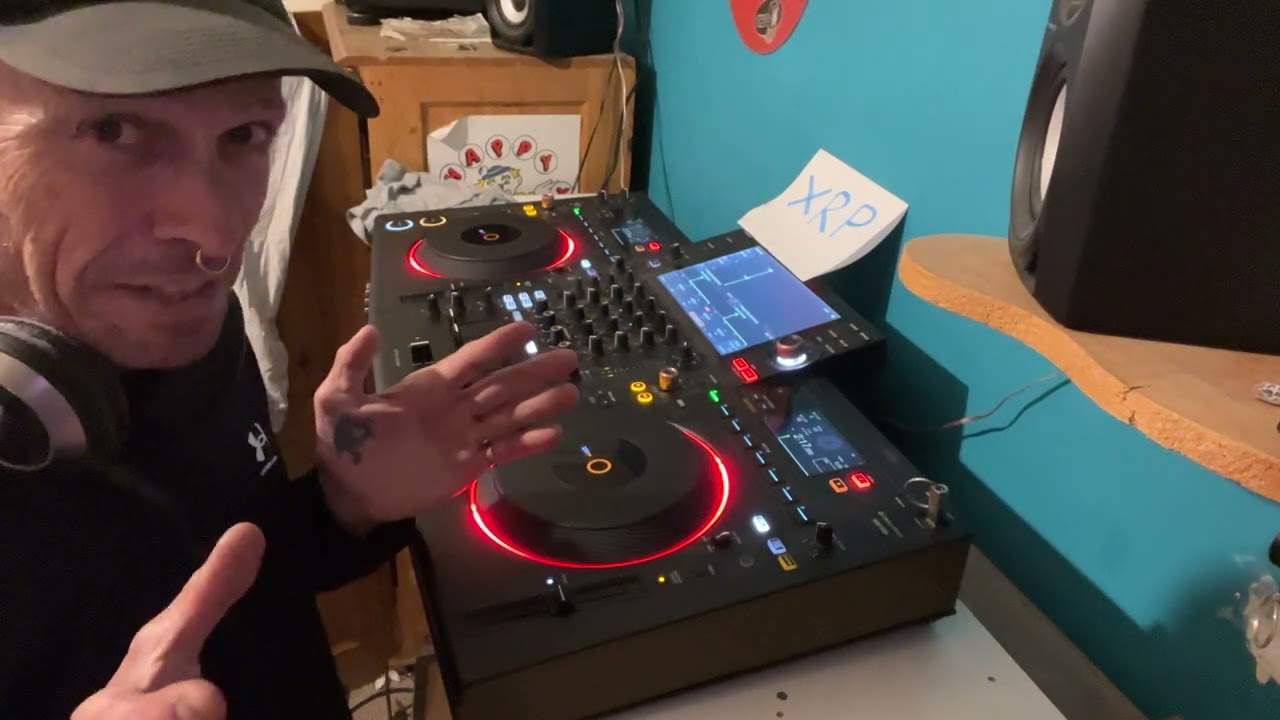
Right, ladies and gentlemen, this video of course is for any DJ really, but if you are a true DMB head, drum and bass head, I'll tell you what, you're going to love some of the tunes I'm going to show you. Okay, so it's from an album from Hospital Records by Solar King, and I'm going to be playing a couple of tracks, mainly a track entitled Equator. So if you like soulful drum and bass, then... Just look no further. Okay, so again, this is going to be a demo stroke tutorial. If ever, by the way, you see strange things on the turntables reminiscent of my two kids, I don't see. Bit of a shame, but there you go. They'll be back one day, I'm sure. Okay, so... Okay, look very simple. You're probably scratching your head thinking, what was he doing?
2:25 Hill, coming side, frequency
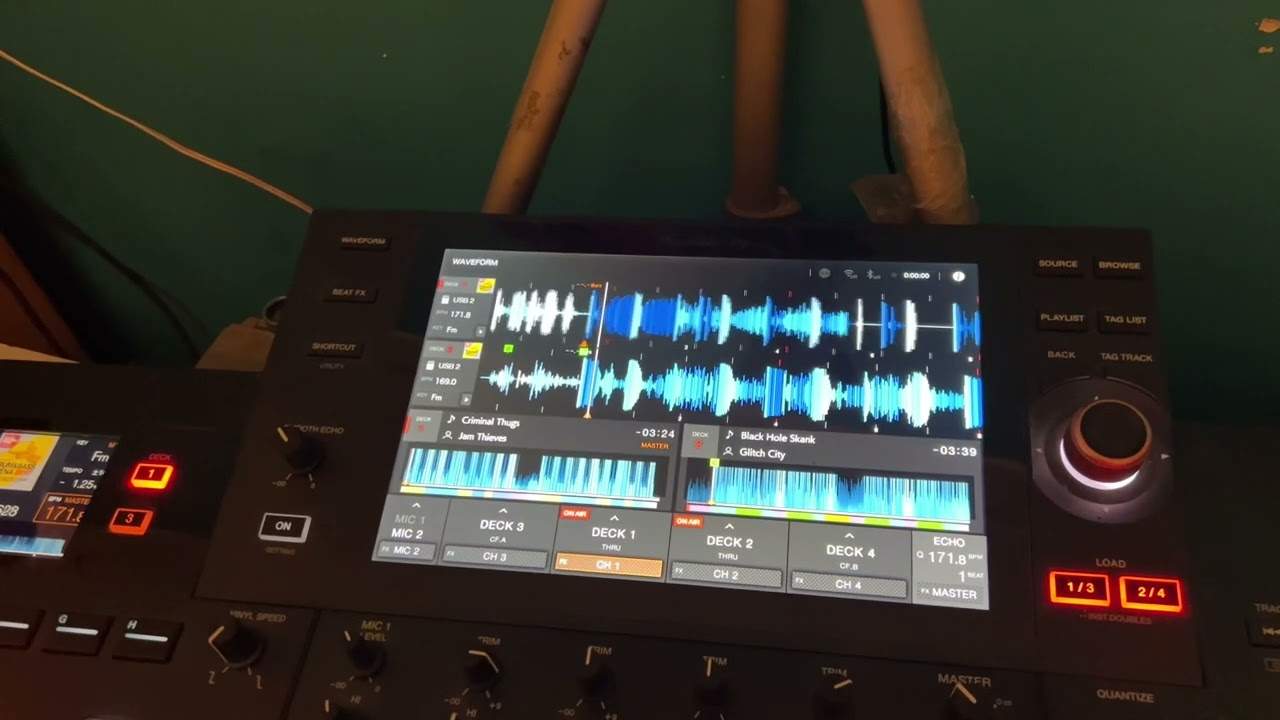
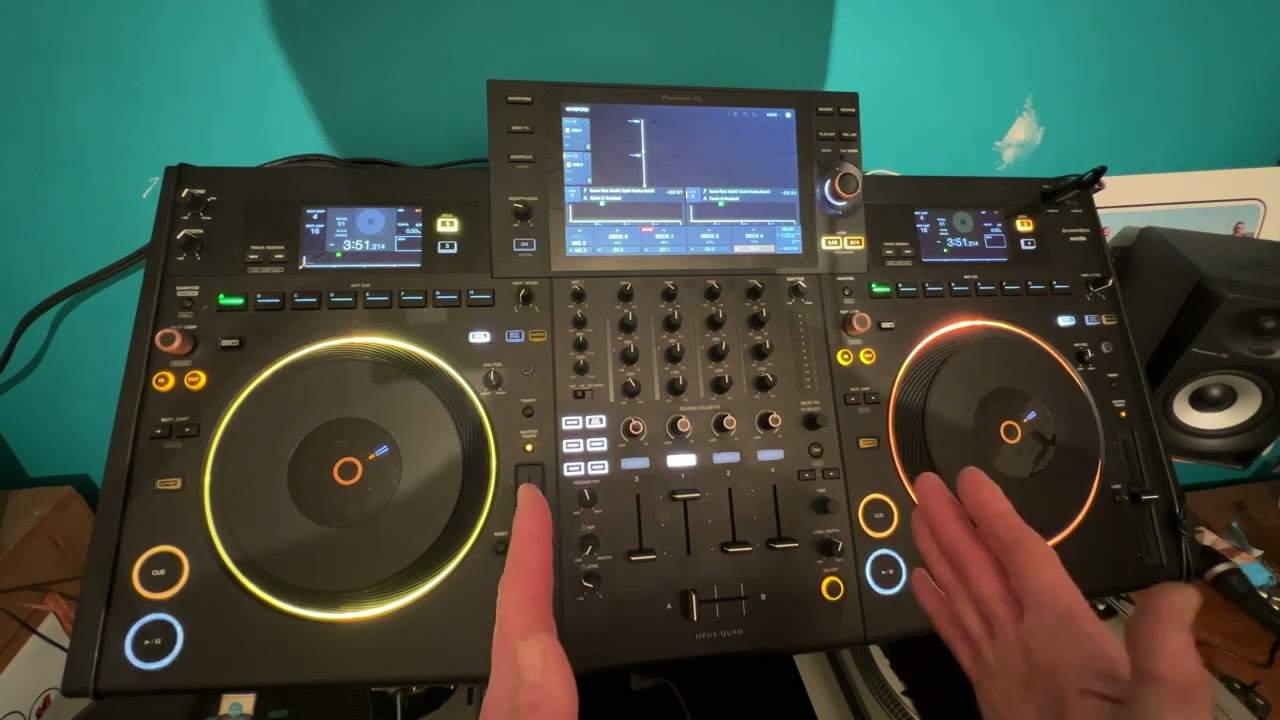
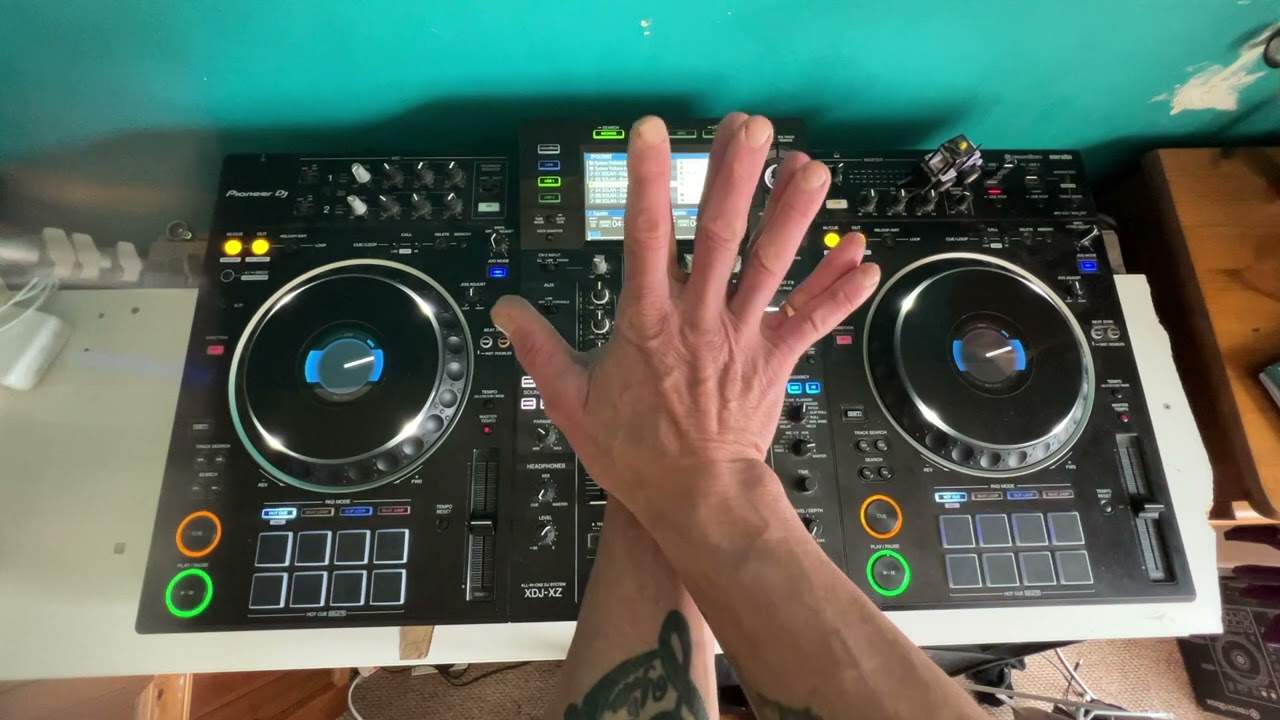
First of all, I've got the same track on both sides, and I do have the tempo reset button set. So, all being well, they should be exactly the same speed in every way, shape and form. What I'm doing as well is I'm pressing play on one side, bringing it into the other, stopping that, and then just repeating the process. Now, even though it looks very simple, again, this video really, I suppose, is for the beginner. There is still a lot going on there. Now, I'm just going to give a quick demo again and talk through the demo. And also... Now, I've got a phasing sound there. There's the one. There's the two. Now, when I get that phasing sound, that tells me that the two tracks are pretty much bang on the money.
The reason for that is this. Imagine these are the two tracks that are overlapping now, even though I've got two hands there. You can really only see one of them. So, that would be classed as the peak of the phasing sound. Right? So, if you imagine a hill, you're going up the hill, you're right at the top, and you're coming down the other side. And I can show that very simply by doing something like this. I'm going to take them off, tempo reset, and I'm going to slow down one of the sides really slightly. I mean, by 0.1%. Now, let's have a listen.
Okay, I'm one side of the hill, going up the hill, and I'm coming down the other side.
All right, rewind that part of the video if you want to. Basically, what was happening is... The actual phasing sound was changing frequency. It was going from this, like, really minimal sort of echo up to in-beat, top of the hill, and then going slightly off-beat again. So, that's what I mean about the phasing sound. But, of course, when you've got the two tracks identically at the same BPM, and you get that phasing sound, the frequency you're hearing will not change. It will stay at that frequency. So, I can demonstrate that. For you now. So, again, I'm going to go back to the center position. Here we go.
4:36 The actual phasing sound isn't changing frequency
Lower.
Slightly higher.
The actual phasing sound isn't changing frequency.
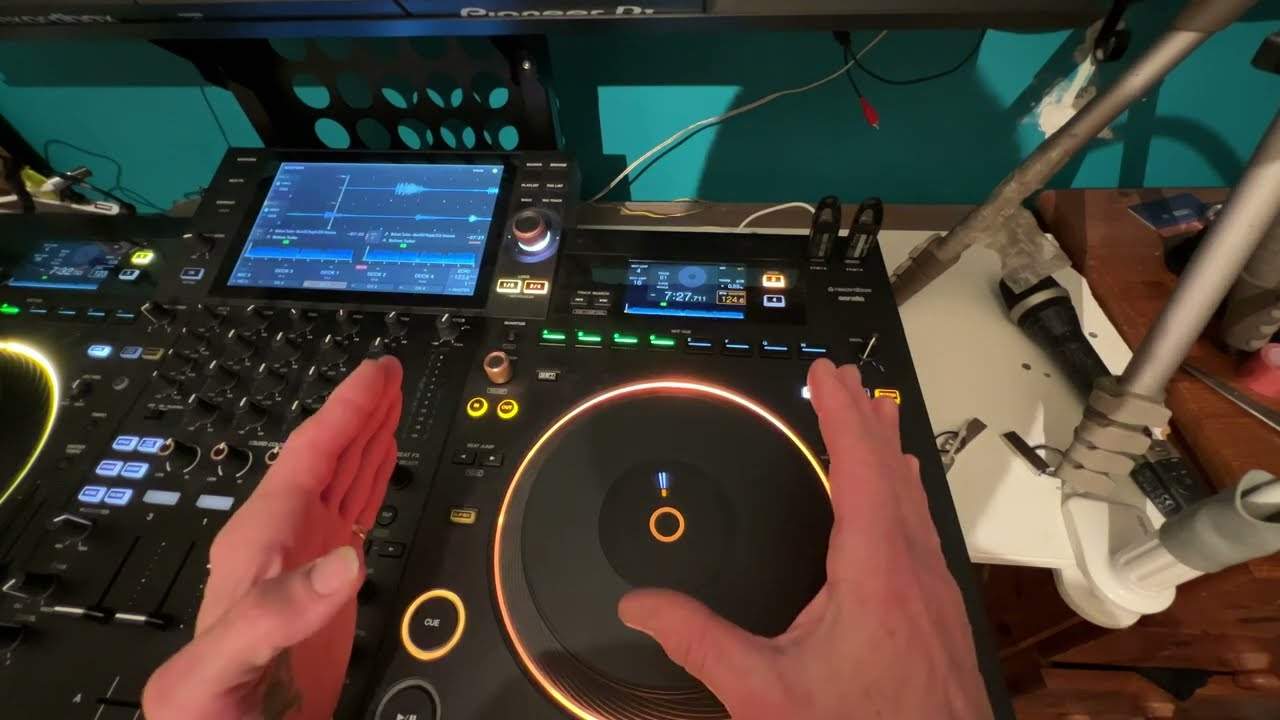
That's because, if I give you a demonstration using my hands again, for example, that could be one position where they're slightly off, but they stay like that. Another one could be where they're there, they stay like that, and so on. The difference being... is when they are just very slightly off-beat, that's when they will tend to move. But very, very slowly. And that's where we hear the difference in frequency. All right. So, that's the first thing I want to go over. The next thing... In fact, let's just play a bit of this tune because it's amazing.
I'm loving this jazzy vibe.
9:37 Drum and bass
Such a good album. If you do want info on this album, check it out. There will be a link in the description. Take it to Hospital Records once again as well. Big shout out. And thank you very much to the crew there at Hospital Records for letting me use their tunes. And again, they're letting me use them. I can do demos and tutorials. And if you do want any more info, go and check out the website. There's a whole bunch of D&B out there. Okay. So what we're going to do now... Again, this video especially is for beginners because it's about the wax on, wax on. I can't emphasise. I can't emphasise this enough. It's a great way of learning not only how to beatmatch, but also how to phrase mix. Now you may think beatmatch...
7:16 One, two, three, four, one, two, three, four
When I explain this in greater detail, you go like, well, where's the beatmatching? Well, there is because you're still having to get it in beat and listen. And also, you're still having to move the jog wheel to finite so it's bang on the money. You're both at exactly the same BPM and the same beat. That's where, revert back to the beginning of this video, where you're listening for that phasing sound. Now, this is more apparent when you're using the same track, less apparent when you're using different tracks because then your ear is trying to listen to just the drum pattern because if you're having two completely different tracks, you're not going to get overall phasing. But if they're in key and they're in time,
You should hear the snare, the drum overlap and start to phase. And it's something that hopefully you'll start to learn in time. So one, two, three, four, one, two, three, four. Start, two, four, two, three, four, one, two, three. See, they're slightly off there. Jog wheel the wrong way around. Phasing sound, four, one, two, three, four, one, two, three, four, one, two, three, four and start. Now, what is really important as well is your timing on bringing the track in. There's no point just chucking it in anywhere because it's not going to sound in phrase and I can demonstrate that now. Okay. So, let's start with the drum and bass. Now, drum and bass is one of the things that we're going to talk about in a bit, but it's not going to be the same beat.
It just, it sounded clunky, it sounded messy. And that's because drum and bass, like every single other dance style of music, not only theoretically it should be the same BPM all the way through, most tracks are, but there is structure inside the track and the structure is about your bars and phrases. A bar is a count of four. Bars, eight, 16, 24, 32. Really the magical, the magical numbers are eight, 16, 24, 32. But the most magical number is going to be eight. Okay? So if a track you can hear, you know, a phrase as eight bars, then it's probably going to be like that all the way through. If not, you're going to have sixteens maybe sometimes or twenty-four. But remember to stick to those even numbers. So one, two, three, four.
One, two, three, four. That's two. One, two, three, four. One, two, three, four. And we can hear that phasing sound. So I hope this is a help. Again, really simple kind of video explanation. And what I'm going to try and do is just keep more videos like this sort of being up. Loaded where we're covering one subject, but try and cover it in as much detail as possible. And this is a really good way of practicing. Now I'm not using the headphones again because there's no need because what you're doing is you're listening to the overall mix, not one ear on a headphone and the other ear listening to the PA. Love the vibrato in her voice. Amazing. Thank you for watching. Don't forget, check out the link in the description.
Practice and enjoy. Bye-bye.
This transcript was produced automatically from the audio of the video and may contain mistakes.