 14:09
Beginner Easy Step BY Step Beat Mixing DJ Lesson from Ellaskins the Original Youtube DJ Tutor
Contents of the video
0:01 It is Lenny Fontana and Carol Sylvan, a track entitled Spirit of the S
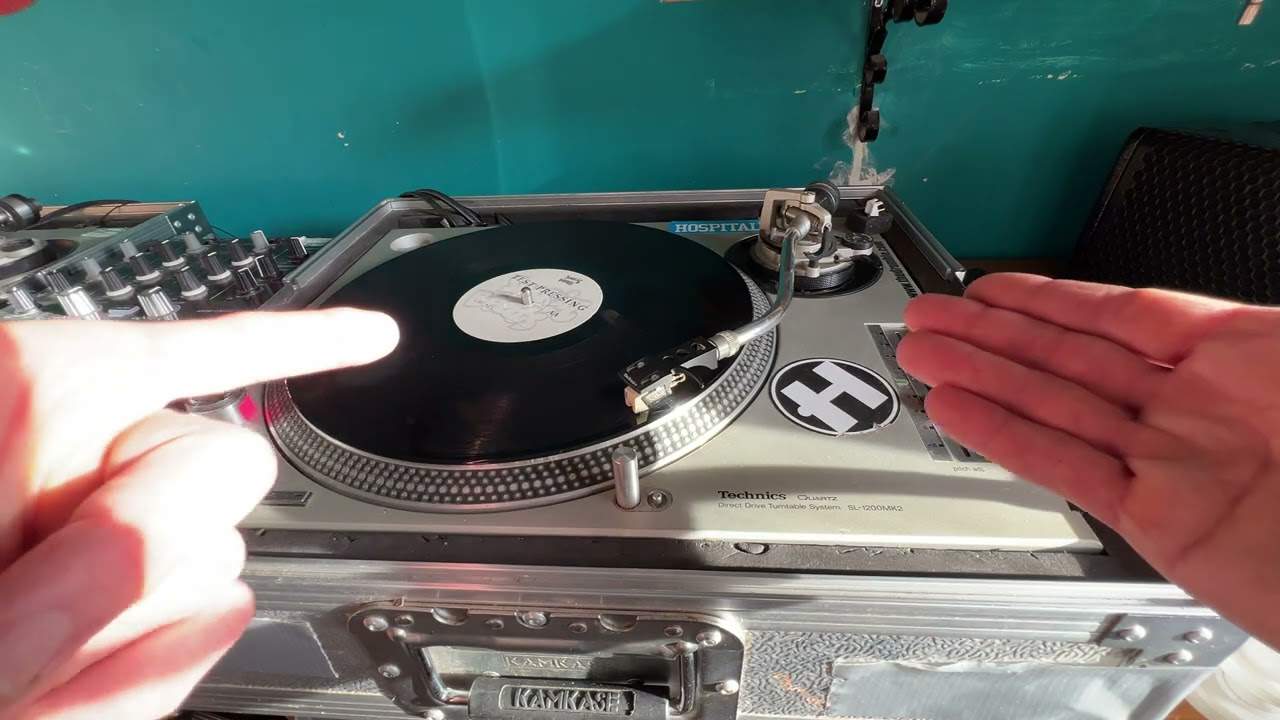
Alright guys, so we've got a tune here from Karmic Power Records. It is Lenny Fontana and Carol Sylvan, a track entitled Spirit of the Sun. It's the club vocal mix. Thank you very much to Karmic Power Records for letting me use their music. Big ups to Mr Lenny Fontana and all the crew. So what are we going to do in this video? Let me show you. Muscle memory. If you can hear the bleeping it's the speakers trying to look for a Bluetooth connection. There you go. Alright, so you may have seen, may not. Hopefully you have the Karate Kid. Wax on, wax off. Wax on, wax off. When I do a lot of the sessions, because I do teach privately as well, I always sort of relate to the Karate Kid about something called muscle memory. Doing things again and again and again until eventually you don't even know you're doing it. It just happens. I'm going to demonstrate something here a great way.
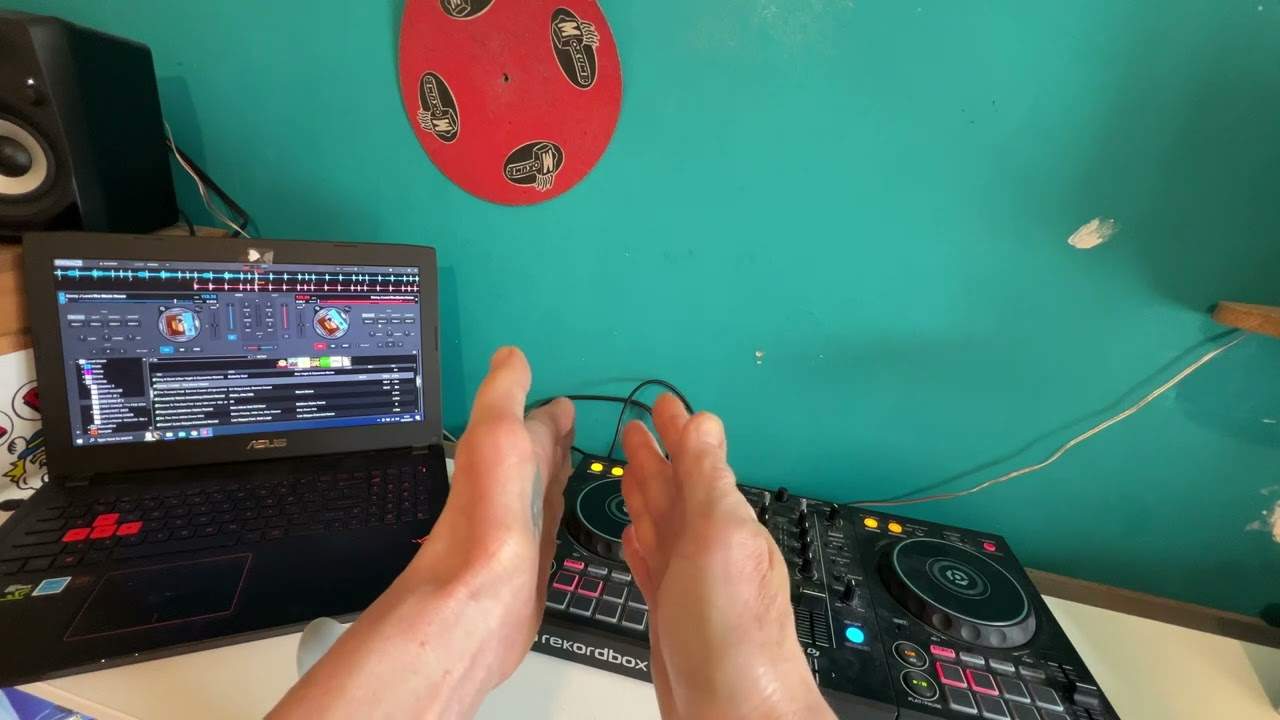
Of learning how to beatmatch. There are so many different ways, this is one of them. Now first of all what I'm going to do is I'm going to cover the screen. Now I'm not saying this is important but what I'm trying to do and how I try and educate people and I bang on about this is that a screen in your laptop is great because You get to choose the track. You get to drag it on to your next deck. But try not to become someone who looks at the screen all the time. In other words as well, if you can see I have my decks here, a lot of people will have their laptop right in front of them. That's the wrong place to put it because when you are in an environment with loads of people dancing, of course they're going to be in front of you. So straight away you've got a barricade in front of them and also it does look as though you're on Facebook. So put it to your side. Also what that means is that you're actually less likely to want to look at it all the time.
2:04 Let's just play the tune first
This is the important part here, and also what goes inside your brain is important, not what goes on in front of you on the screen. Thank you. Right, so let's just play the tune first. Actually, what I mean to do, just make sure I'm on... Yeah, I was on wide there, so I've gone to plus and minus 6% on both sides. OK, I'm just going to put the same track on the right deck as well. So that's important as well, to make sure you've got the same track on both sides. Okay, what I've done as well is I've set the track on the one. Now a lot of tunes, house tracks will always, well I'm going to say always, but they tend to start on the one anyway. This one's slightly different because it starts with a little bit of vocals and then nice congas, but I want it to start on the one. So I have my screen covered.
And I have both sides starting on the one. Now what I want is a mirror image, I want exactly the same on both sides. Now what I'm going to do, I'm going to move the pitches maybe slightly towards me a little bit. Now visually they look roughly about the same position. But it's more than likely that even though they're the same position, they're going to be slightly off BPM. Just because they look as though they're in the same position will not mean to say that the actual BPM of both sides is identical. In fact, it's more likely they won't be identical than they will be. For example, that side could be 0.1 of a BPM faster than this side or this side Could be 0.2 of a BPM slower than that side. What I'm going to do now is I'm going to press play, either side, it doesn't matter, but for this demonstration, press play on the left side, crossfade in the middle, both sliders up, and what I'm going to do now is press play on the right-hand side on the count of one in a bar. One, two, three, four. One, two, three, four. Now, there's a sort of an echo there. Listen.
4:56 There's a definite echo there now
There's one. There's a definite echo there now. Okay, so the echo is actually getting worse. Now, a lot was going on there, believe it or not. In fact, it could be an entire day explaining in great detail what went on there. But I started the right-hand deck on the one while the other deck was playing. I heard there was a slight echo almost straight away, which means maybe I was slightly too late, too early starting that track because I'm not a machine. I'm a person and no quantize or anything like that is me doing it manually, not the computer doing it for me. So important. But what happened over time? I could indeed start to hear a little bit of an echo, which tells me they are not the same BPM.
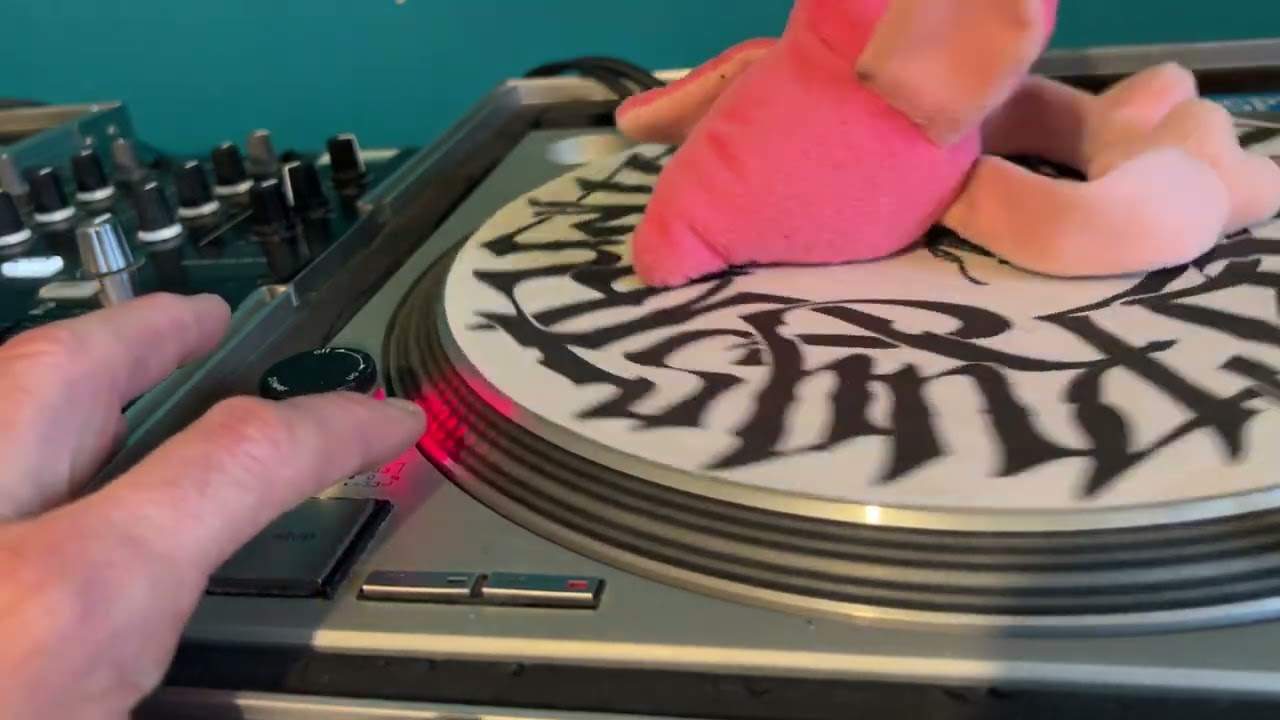
Now again, I'm not using headphones. I'm just listening to the speakers. Now, I could do a lot here, but what I'm going to do is I'm going to use the jog wheel on the right-hand side. I could use the jog wheel on the left-hand side, but for this demonstration, the jog wheel on the right-hand side. And when I hear that echo, I'm going to move the jog wheel. I've got two options. I could move the jog wheel on the right clockwise or anticlockwise. If I move the jog wheel... Clockwise, I am speeding this track up. But also what I'm listening for is the difference in sound with that echo. So while I move it clockwise, is the echo increasing or decreasing? If it's increasing, then I'm actually not only getting them off beat, but I'm moving the jog wheel in the wrong direction because by my action of making this go faster...
6:52 I would need to move it anti-clockwise
Because I'm moving the jog wheel clockwise, I'm increasing the distance between the two beats. So I would need to move it anti-clockwise. Of course, on the other hand, if I move it anti-clockwise and I can hear the beats go off, that means I'm moving this side the wrong way. I need to move it clockwise because I need this one to catch up. Clockwise, faster. Anti-clockwise slower. So again, let's give it a go, but first time I'm just going to move it clockwise. So here we go. Press play. 3, 4. 1, 2, 3, 4. Getting ready. 3, 4. I'm going to wait until I get that tiny echo sound and then I'm going to start to move it clockwise. You see they're very close. They are really close. In fact, they're exceedingly close.
Because I can hear a slight phasing sound. I can hear the echo now? Okay. That side, the right hand side, was indeed slightly faster than the left hand side. And I could tell. Hopefully you could as well. I didn't do it for too long, so if you want to, to clarify, rewind slightly. But what happened is when, after a time, I could hear that echo and I moved the right hand side clockwise, The echo increased quite dramatically, which tells me that the right-hand side was already too fast. So I need to move it anti-clockwise. So let's repeat the process again. Now they are very close anyway. So here we go. One, two, three, four. One, two, three, four. Now I'm going to wait until I can definitely hear and of course you can that they're off and then I'm going to move the jog wheel on the right.
Anti-clockwise we can hear that echo now here we go there you go not too much so there again as i said earlier there's so much going on here but put it this way if let's say the bpms are very very close together then there is little need for me to have big motions on the jog wheel If the BPMs are quite far apart, then I would need to have more movement on the jog wheel. And I can demonstrate that now. So let's slow that one down quite considerably. OK, press start on the left deck first. 3, 4, 1, 2, 3, 4. We can hear the echo. There you go. Alright, so I did have to work the jog wheel a little bit more. What I want you to take out of this video is, again, it's muscle memory. First of all, try as I've done. Set the pitches towards you, speed them up or away from you slightly slower, roughly about the same position. Start the one deck, wait for maybe two bars or four bars, start the next deck. If you get an echo, then indeed they are the wrong BPM.
11:58 It's a bit dark, let me take the camera off
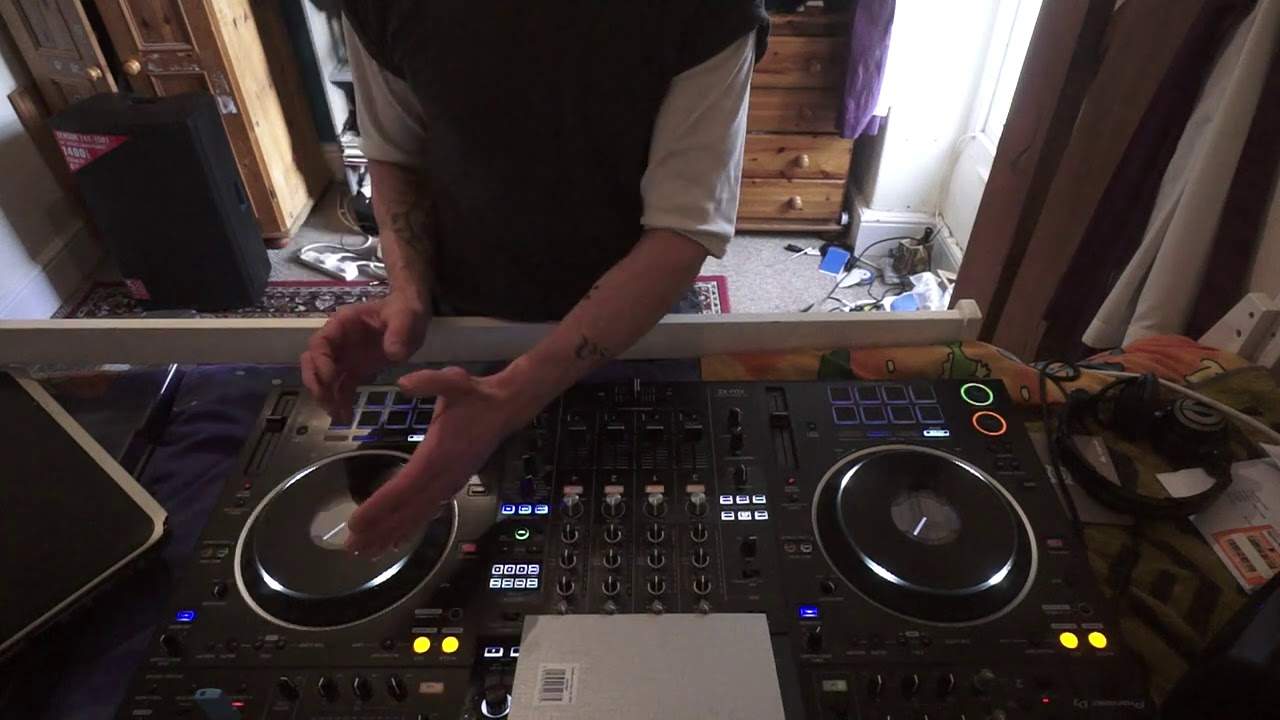
If the echo, and here's one key for you, if the echo happens to come in very quickly, then the BPMs will be quite a distance apart. If the echo, on the other hand, like the first demonstration, takes quite a while to come in, then indeed they're very close, so you don't have to use the jog wheel so much. Now, I'm just going to put the camera up here. Now this is slightly, a bit dark, aren't I really? It's a bit dark, let me take the camera off. Hold on. God, the things we do here. All right, so, by the way, do you like the fez? Yeah. Okay, so hopefully that's been a help. Now, something like this is great for the beginner and of course it's muscle memory. So, the more you do this, the more you practice, the better you will get. Now again, I am using... Yes!
Just the monitors, so there's no need for headphones. And it's all about listening and monitoring the sound. And the better you get, the more you'll realise that the jog wheel is very much like, I suppose, like an animal. But you go and see a cat, okay, if you like cats or dogs, and you don't treat a cat and or a dog the same every day. You treat them... How they feel. Some days they're good, some days they're bad. It's very similar, on a daft analogy, with the jog wheel. You don't just move it in one direction at one speed all the time for every mix, for every session. You have to have different moves depending on how close or how far away the BPMs are. Okay? So not just like this all the time and not just like that all the time. Sometimes it's slight moves.
Forward and back, clockwise, anti-clockwise. All right? You'll get it in the end. Don't forget, please like and subscribe. And also what does help with the algorithms is share. Oh, share. Shoop, shoop. Okay. Sorry. And as well, I am still giving the one-to-one sessions, private lessons with myself, Jonathan Ellaskins, The DJ Tutor. If you are interested... In getting some private tuition from me here in the building then give us, well just send me an email. There's an email in the description. I look forward to hearing from you. Practice and enjoy. Thank you very much.
This transcript was produced automatically from the audio of the video and may contain mistakes.