 1:10
Quantising the loop
On YouTube this video is called CDJ-2000 Quantize the Loop
What this lesson teaches
The shortest and most convincing demonstration of quantize anywhere in the curriculum, because of how he tests it.
The test
He makes a loop and deliberately gets it totally and utterly wrong. The out button is pressed nowhere near the right place, and he says so in advance so you know it is intentional.
Then he plays it. One, two, three, four, one, two, three, four - perfectly in time.
Why that is the right way to demonstrate it
Because a feature that corrects errors cannot be demonstrated by somebody being accurate. Showing a good loop proves nothing; showing a bad press producing a good loop proves everything.
What it means
Quantize snaps the in and out points to the beat grid. Your press is treated as an intention - around here - and the machine places the actual point at the nearest beat.
So the accuracy of your timing stops mattering for loops entirely, which removes the single most common source of a loop that drifts.
His verdict
Worth quoting: the years and months of doing bad loops and messing around for five minutes trying to get them perfect are out.
That is a real change and worth recognising as one. Making a clean loop by hand on older equipment was a skill that took time to acquire, and a feature that makes it unnecessary is not a shortcut - it frees attention for things a machine cannot do.
The caveat
Same as everywhere else that the grid is involved: quantize is only as good as the analysis beneath it.
A track with a correct grid quantizes beautifully. A track the software mis-analysed, or one played by a band and therefore drifting, will have its loop snapped confidently to the wrong place.
So check the grid when you prepare, and if a quantized loop sounds wrong, suspect the grid rather than your ears.
Contents of the video
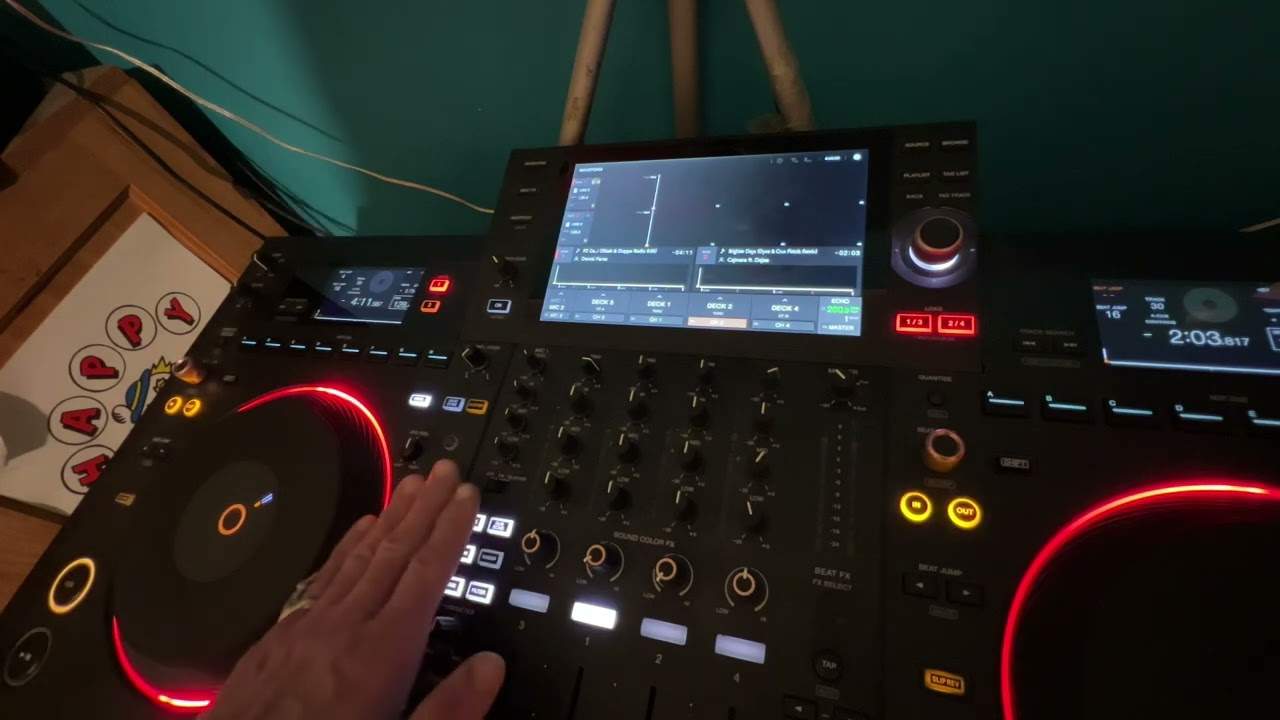
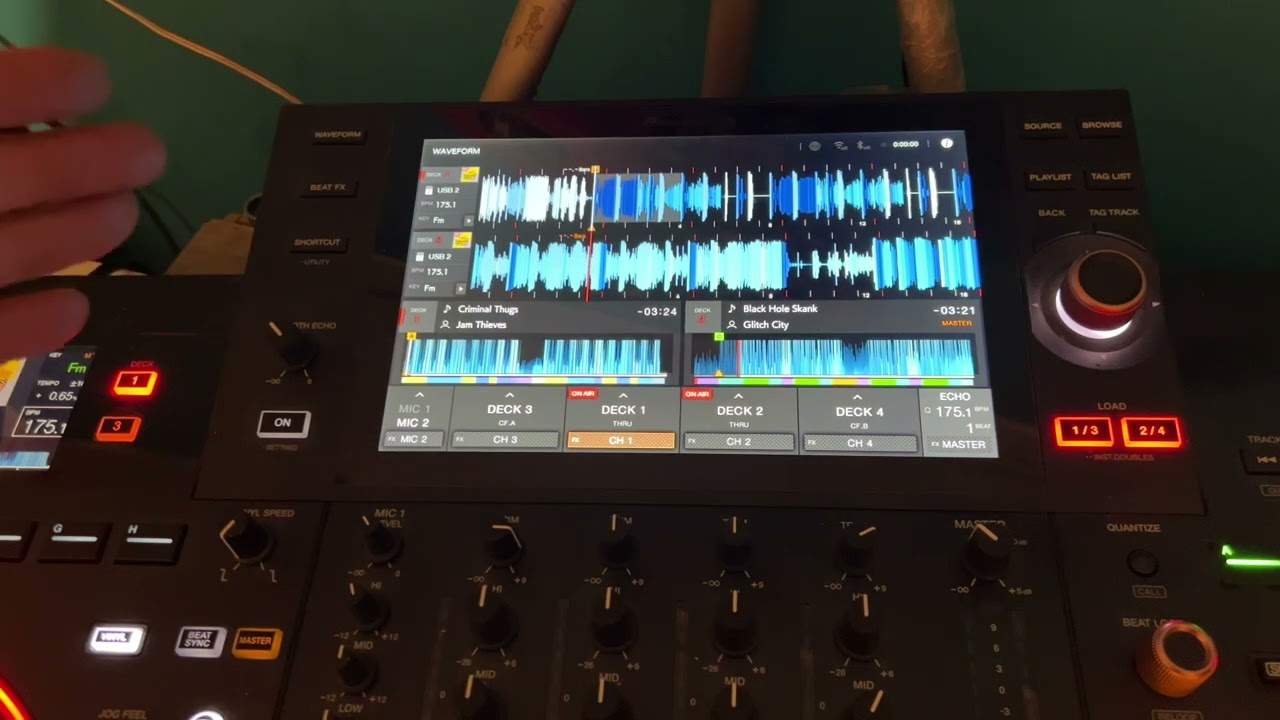
Alright guys, one feature I want to show you on this that is, in my mind, is one of the best features of all. Now as you know with a Mark III, you can do a loop and you can edit the loop a couple of ways. Press out, move the jog wheel or you can do the search. Now this guy here, what I'm going to do, I'm going to make a loop but I'm going to make it so it's totally and utterly off. But I just want you to listen. Now you'll notice when I hit the in and the out, you will see that the loop theoretically should be out. It's got to be out because I've hit the out at the wrong place, but just listen to it. Here we go. 3, 4, 1, 2, 3, 4, 1, 2, 3, 4, 1. There you go. Now that to me is worth its weight in gold. Basically, the days, the years, the months...
Of doing crap loops and trying to mess around for five minutes to get them perfect is out. I could now use that quite happily. Everyone's happy. Practice and enjoy.
This transcript was produced automatically from the audio of the video and may contain mistakes.