 6:37
DJ Beat Matching Tutorial , Riding the pitch. SDJ1
Contents of the video
0:00 A bit of a demonstration tutorial on beatmatching
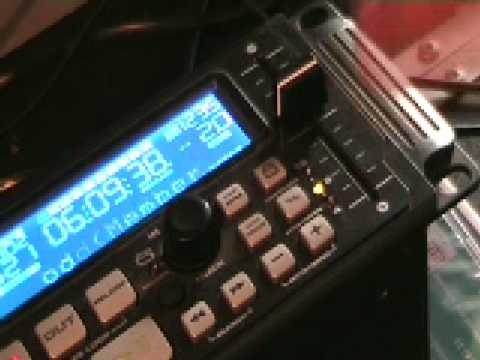
Alright folks, a bit of a demonstration tutorial on beatmatching. I'm using this guy here. It uses SD cards. It's from American Audio. It's known as the SDJ-1. I'll just set the camera up. Okay, first off, a lot of people say that you cannot beatmatch perfectly on, you know, inexpensive items. Well, I'm going to prove that you can. Now, first of all, this guy here uses... SD cards. OK, we've got two slots. We can put SD cards in here. We can basically get some music from our PC, put them onto an SD card and then we can take the music from the SD cards onto the players and then of course logically through the mixer, your DJ mixer, directly then into your speakers, powered speakers or from your mixer into an amplifier and then from an amplifier into some speakers. Right.
1:57 Of course logically we need to try and get this one beatmatched
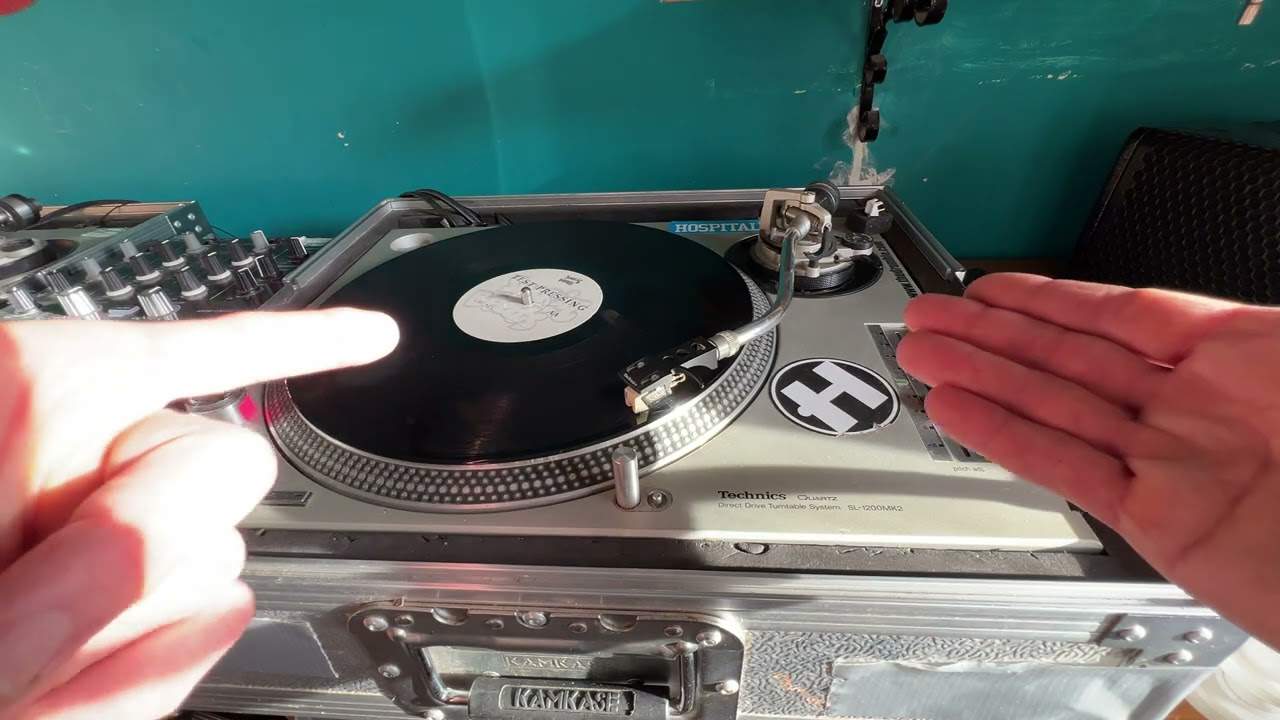
This video is mainly about the movement on the pitch control. Now, I've got these two near enough beatmatched. I'll show you first of all. Let's press play. And then on here. It's leaving for a while. That's the one. So that's the one on the right-hand side. That's the one on the left-hand side. Right hand together with the left-hand side. Slightly. Right, I'm just going to reposition the camera. Right, now let's say that the two tracks... The pitch faders, hypothetically, are perfectly beatmatched when the pitch on the left hand deck is there and the pitch on the right hand deck is there. Now let's say though the one on the left hand deck is in the same position where it was but this guy here is down there. So of course logically we need to try and get this one beatmatched. Now if we start them off at the same time because this one is now slower what we'll have to do
We'll have to increase this one further up from the position it should be when it's beatmatched. Now, the main reason for this is, like I said earlier, if we start them off at the same time when the pitch is here, this guy here will go slower and slower and slower. Even after two or three seconds, if we put this up to the original position you saw the pitch at, even one second after they both start, This guy here will be still too slow, so we'll need to increase the speed till it matches and then decrease it. So in essence, the whole idea of riding a pitch is moving as follows. You start off with big movements and then the movements will become smaller and smaller and smaller till eventually, theoretically, with practice. I emphasise practice.
3:51 Let's play the first track
We'll get it beatmatched. Now what I'm going to do, pause the camera again, I'm going to get my headphones on and hopefully I'll be able to show you this particular technique. Okay, I've got the volume up on the mixer on this side, the volume down on that side. But what I'm going to do, I'm going to put the volume up and you'll actually hear me beatmatch it real time but also hopefully you'll be able to see the movements on the pitch control. Now bearing in mind... The rough place for it to be perfectly beatmatched was about there, but I'm going to start it off down here. So let's play the first track. Brought the second one in here. If we have a listen. Sorry, hold on. Volume up. Now I'm going to bring it in on time, but I'm not going to touch the pitch control. Three, four. Cue it up again. Let's put it too fast. Have a listen. Cue it. Down here. Now I'm going to do...
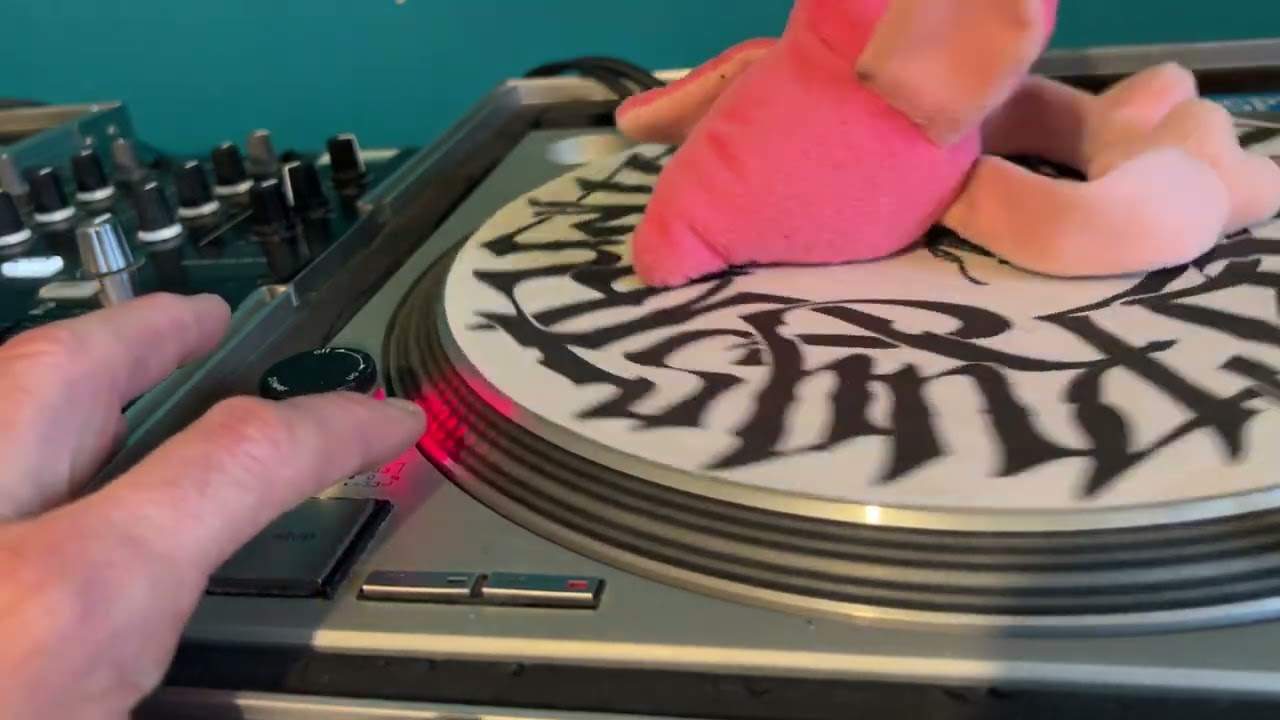
What I class as riding the pitch. If it's slightly too fast now, I can use the pitch bend, press minus and then move the pitch down slightly.
This transcript was produced automatically from the audio of the video and may contain mistakes.