 11:49
DJ Demonstration on Master Tempo and CD Pool New Releases Underground February 2016
Contents of the video
0:00 Something called the master tempo
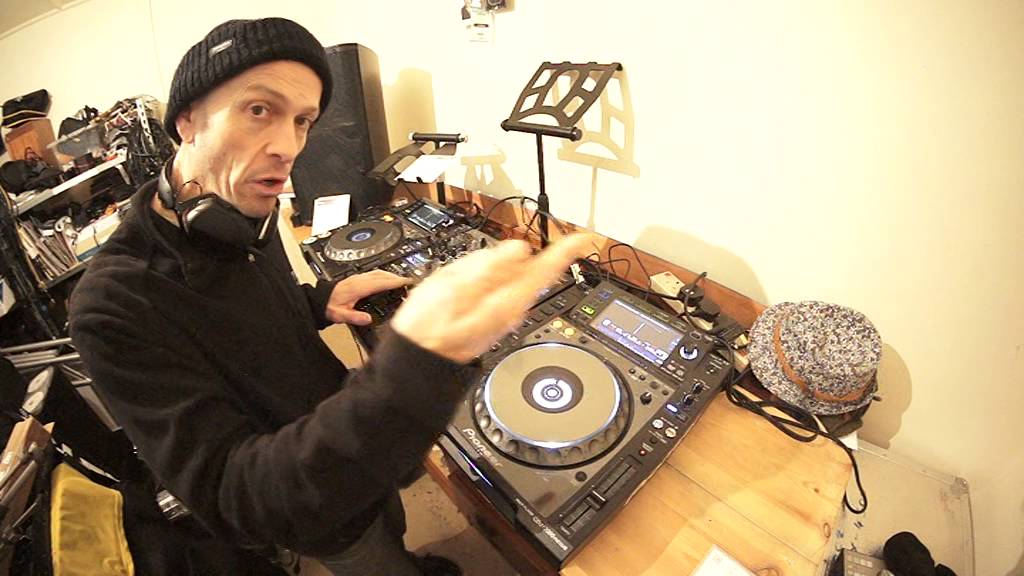
Alright ladies and gentlemen, this is another new releases for you from CDPool. In this video we're looking at the underground releases for February 2016. Also this is a demonstration and a tutorial video for all you wacky DJs out there. This video I'm going to concentrate on something called the master tempo which in my mind is one of the best technologies or one of the best parts of any turntable Any CD player, any controller out there. It overrides any kind of effects and I will explain why it's so good in this video. Master tempo, sometimes known as key lock, is just like, you know what? Genius. Right, track number two from disc number one. Underground releases, it looks a little bit like that. Go online, check them out. Also...
What you can do is, if you like these tunes, you can go and listen to them again. Also, if you follow the link to CDPool, you can listen to all of the tracks, small soundbites of each track, so you can make your mind up if you like all the tracks. I generally just skip through them. Okay, let's find something on disc number two. This one here is Tiga featuring Hudson Mohanwaki. Strange names. A track entitled Planet E. Track two, disc number two. There you go, demonstration. Alright, what I'm gonna do now is show you master tempo. So, what is master tempo? What does it do? Well, if I increase or decrease the speed, the pitch on the track at the moment, I'll put it onto plus or minus 16 there. Now if I increase or decrease the speed, pitch, the track will speed up.
2:49 The sound of the track stays the same
The sound of the track stays the same. Slow it down, the sound stays the same. While it's slow I'm now going to press master tempo. Not only is it slower but the sound has just dropped. Listen, master tempo engaged, disengaged. Why is that important? Why is it really important? Let's put another tune on first. Okay this is why it's important. When you're doing a mix, let's say one track is 120 BPM and the other one is 135 BPM. You want to mix them together. What happens is if you bring the one at 120 all the way up to 135 with master tempo disengaged, it may be in key while it was at 120, but with master tempo disengaged and then you bring it up to 135, I'm going to go wide.
6:14 You may remember that if you're, like, over a certain age
No phrase mixing, nothing like that there. All I was doing was I had a drum and bass tune and I pretty much put it up to 129-ish and this was around about 130 so I did kind of a beat mix. Alright, this one here is track number three from disc number two, House Quake Beat Your Body featuring Tyree Cooper. Wow, he's an old school geezer. Tyree Cooper, the producer, awesome super duper trooper. We make the basses boys banging. You may remember that if you're, like, over a certain age. Alright, this one here, track number three, disc number two. Let's find something from disc numero uno! Let's get rid of that wide feature which is really difficult to mix with. Good way of practicing though. Plank forward a bit. Plastics Man. We'll play one more from disc numero two. I'll give you another demonstration of the master tempo feature. So disengage, have a listen. It almost goes... That could be an effect in itself.
10:12 It's almost as though it's making the track speed up, but you know wha
What you do find as well, it could be a good way of adding an effect without using any effect at all. It's almost as though it's making the track speed up, but you know what? Alright, yeah, it's faster now, but with master tempo engaged, have a listen. Now disengaged. Very difficult to maybe understand or listen or hear, should I say, when we're using a track with loads of bass on it. But when you do have track... That's got a lot of uplift and vibe. You've got to be careful about disengaging the master tempo in, let's say, a piano riff, because if you speed it up too much and you disengage at the wrong point, then it will sound terribly out of key. It's almost like a clash. So it's depending on where you bring it up is almost like it will be in key. This is when we get slightly into more music theory. So for example, if I go to, say here, let's have a listen.
So you've got to find a nice balance. You've got to find the point where it will still sound okay, but the sound that you get when its master tempo isn't disengaged will complement the sound when it was engaged, if you get what I mean. I hope you do. Practice and enjoy. Thank you very much.
This transcript was produced automatically from the audio of the video and may contain mistakes.