 5:29
DJ Lesson on How to Use or Not Use Master Tempo in the Mix BY DJ Tutor Ellaskins
Contents of the video
0:01 Two tunes I'm using, well that's actually a track and an acapella
Alright ladies and gentlemen, this is one of those tutorials where I might be able to connect the dots for you. Two tunes I'm using, well that's actually a track and an acapella. Acapella by Danny Tanglia, entitled Music is the Answer. And we have Destination Calibra, is it Calibra? Something like that, by Crystal Waters. So first of all I'll play you the tune. So there's, there you are, there's the track. Now this is Danny Tanglia. First of all I'm going to bring it down to the centre point, put master tempo on, because that's really what this particular video is about. It's about key change, master tempo etc. And press play on Danny Tanglia.
Acapella is a track. It's not actually a track, it's the vocals without most of the time any of the melody, the beat, it's just the vocals of that track. And they're great bits of music to add into other tracks, to make completely new tracks. So where are we going with this? Well first of all let's try and mix them both in together.
Don't do anything with the pitch, nothing at all.
1:49 It's offbeat, and it sounds out of key
Now first of all... It's offbeat, and it sounds out of key.
Master tempo, what does that do? Well that will keep the track at the key which it's set at or how it was made, and you can increase or decrease the speed of the track so it'll go faster or slower, but it will stay at the same key. What I'm going to try and do now is I'm gonna try and mix it.
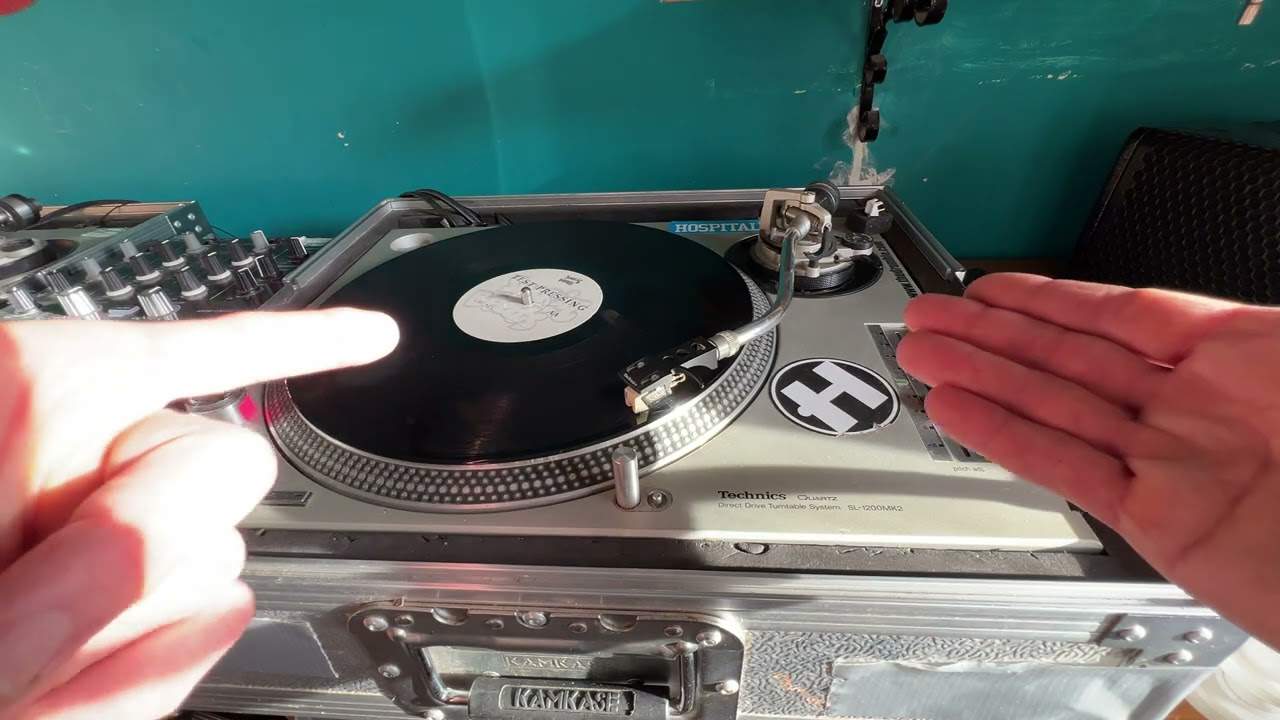
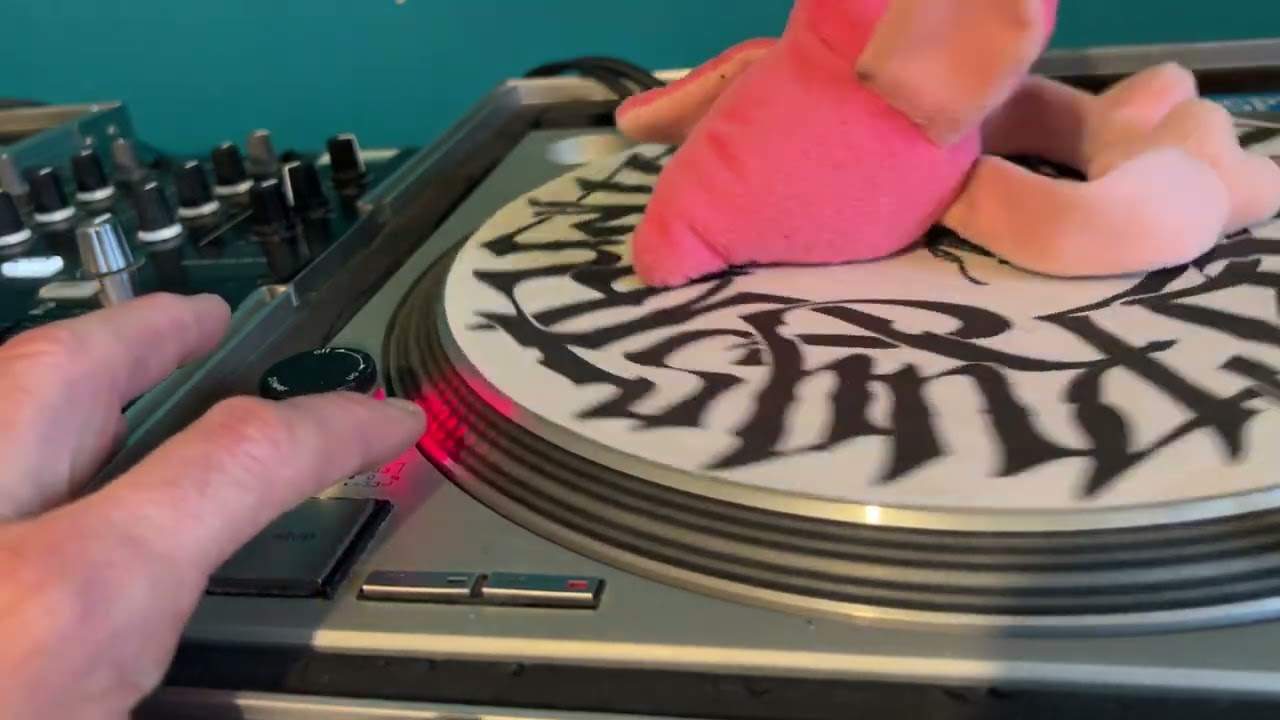
Keep the master tempo on alright, but try and mix it now in beat. So let's press play on destination Calibra. Alright yeah, there's not much of an introduction there but did you notice one thing? It didn't sound right it just sounded a bit sort of like wrong. Now the pitch was roughly about there. This is where we're gonna start to maybe... hold on let me just take that off the camera and we'll go a little bit closer to there because that is the important point there. How about that? That will do. Right, now have a listen. I'm going to press play, it's just off camera. I'm gonna press play and leave the pitch there and I'm going to engage and disengage the master tempo. Engaged red lights on, disengaged red light off.
Dancing, I'm dancing, grooving, keep on moving. Flying, stop your crying. Chilling, while you're cruising. Music is the answer. Right maybe you can see where this video is going now. Hopefully teaching people. Just put that like that, there we go. Right so most of the time... no I know I can't say most of the time because that isn't correct. Sometimes it may be a good idea
Maybe you have a track that is in beat but you seem to think this it just it's not working. The key could be the answer, the key could be the key. What master tempo will do is it will make the key higher or lower along with the BPM so as you increase the tempo with master... sorry as you increase the speed with master tempo off you will not only increase the speed you will heighten the key. You'll make it start to lift, the whole sound starts to lift. Now with master tempo off, press play. Straight away it sounds better. Alright so just a small insight and hopefully it will make you go ah okay right I get it. So sometimes when you're doing a mix and I suppose this is the end of the video sometimes when you're doing a mix you've got master tempo on all the time you may
Feel in the back your mind there's a track I know that will go in well with master tempo and you may be thinking well it doesn't work. Why doesn't it work? It could be because you need to disengage master tempo. Practice and enjoy.
This transcript was produced automatically from the audio of the video and may contain mistakes.