 13:18
DJ Mixing Lesson on Dub Step How to Find the Timing and Phrase Mixing Skype DJ Lessons
Contents of the video
0:00 This is a tutorial on learning how to mix a genre known as dubstep
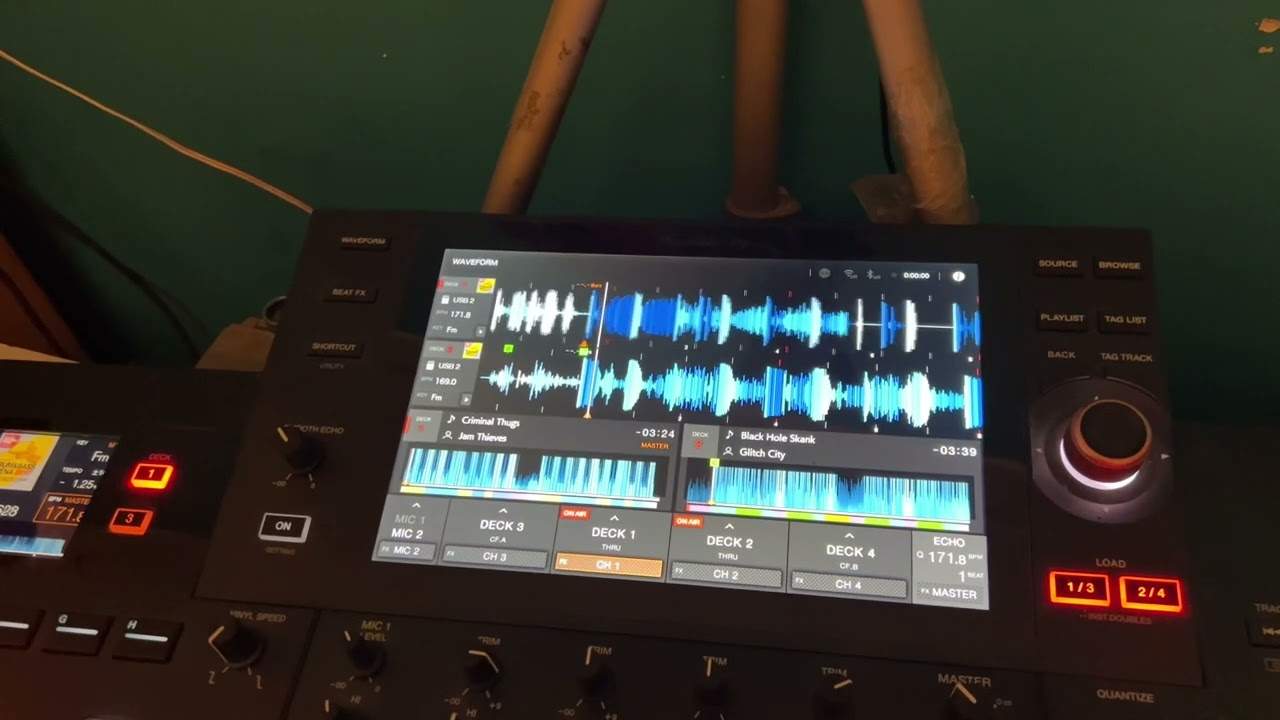
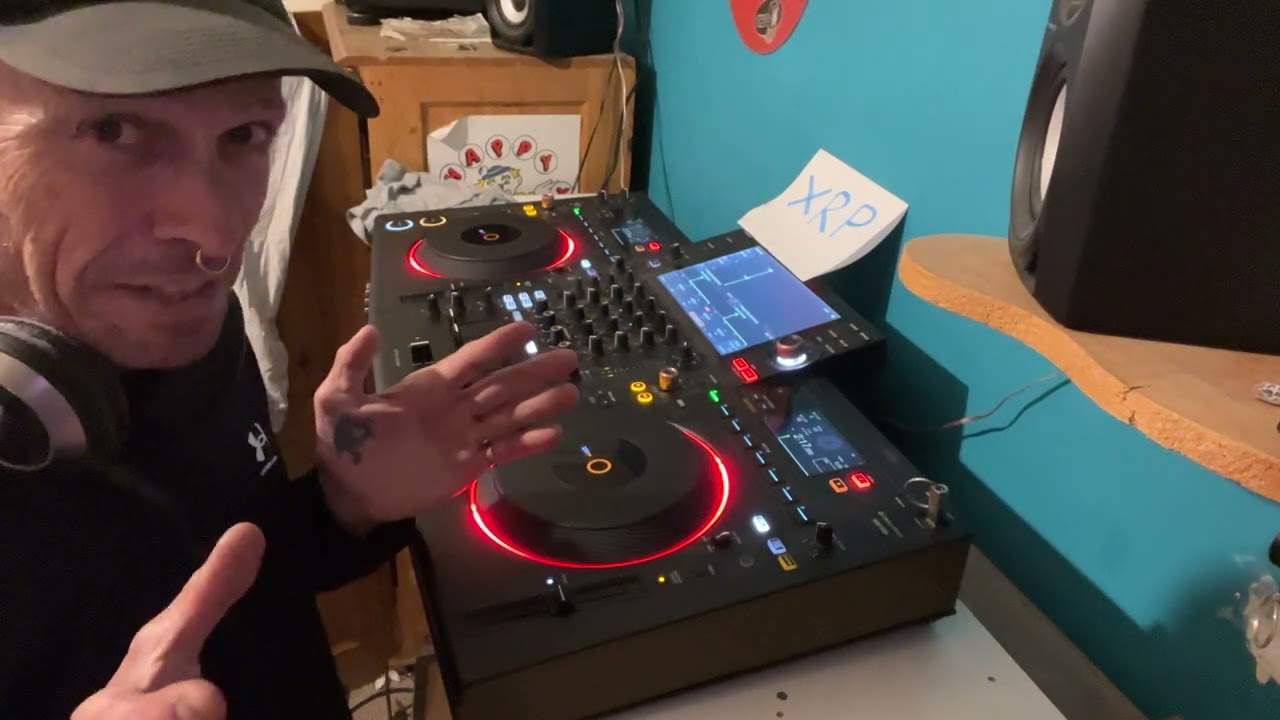
Alright guys, this is a tutorial on learning how to mix a genre known as dubstep. It's been around for a while. Some people class it as very interesting, other people class it as wacky, some people just love it, other people think, my god, why are you listening to that crap? I personally think it's a good sort of genre because it's like beefy, dark and dreary and like in your face. It's a little bit like drum and bass but half-time. Think about that. So, the tunes, let's have a look. Okay, we have 16-bit in the death car. Mad, absolutely mad cut. And over here we have, let's have a look, what have we got here? Hold on. Right, Babylon system and... What's it? California style. What I will do, though, I'll put the names of the tracks in the description. So, right, I mean, I'm going to look.
Mixing dubstep. How is it different to house, techno, trance? Now, there are many similarities. There are a lot of ways of mixing these genres that are exactly the same. Now, luckily, modern day... Music. Music is bars, phrases, very easy to work out if you know what you're looking for or you're trying to find. So, for example, a bar is a count of four. One, two, three, four. A phrase is a group of bars and that could be eight, 16 or 32, depending on the phrase structure... Of the track. Now, that's really important because some tracks could have a phrase of eight bars. Some could have 16. Some could even have 32. Some could have four and what you generally find is your cheesy top 40 three-and-a-half minute tracks will have phrasings of four bars.
So... First of all, how do we work out the timing? How do we work out a count of four bars? How do we work out how to count a bar in dubstep? Let's have a listen. Now, believe it or not, from that first sound, that's pretty much the beginning of a bar. One, two, three, four.
Now, to someone who hasn't got a good ear on timing, you may find that was a little bit difficult to start counting at that point. So where can you start counting? Let's have a listen.
Did you hear that first sort of kick? Did you hear that first bang punch?
I'm going to set a hot cue there. Okay, let's go back to the beginning though. Why? Now, there's actually structure in the melody. Have a listen.
3:42 It's almost as though if you counted
You see it's almost as though the melody seems to have its own kind of structure. It's almost as though if you counted...
And you counted in groups of four, you would hear structure in those groups of four. So let's go back to our hot cue.
One, two, three, four. One, two, three, four. One, two, three, four. One, two, three, four. But hold on a minute. We haven't got a steady kick like house. Techno or any form of four-four time track, you know, fall to the floor. We haven't got a steady kick. So what can we count? How can we count it? What do we look for? What do we listen for? I mean, we haven't got that bam, bam, bam, bam. We've got like lots of drum sort of patterns like meandering along. But what do we listen for? What can we listen for? We listen for the two and the four. We listen for the sound that is the snare. Snare, drummer, watch a drummer and look at the drum. They normally stick between their legs. Yes, some people put big things between their legs.
5:11 Listen, one, two, four, two, four, two, four, two, three, four
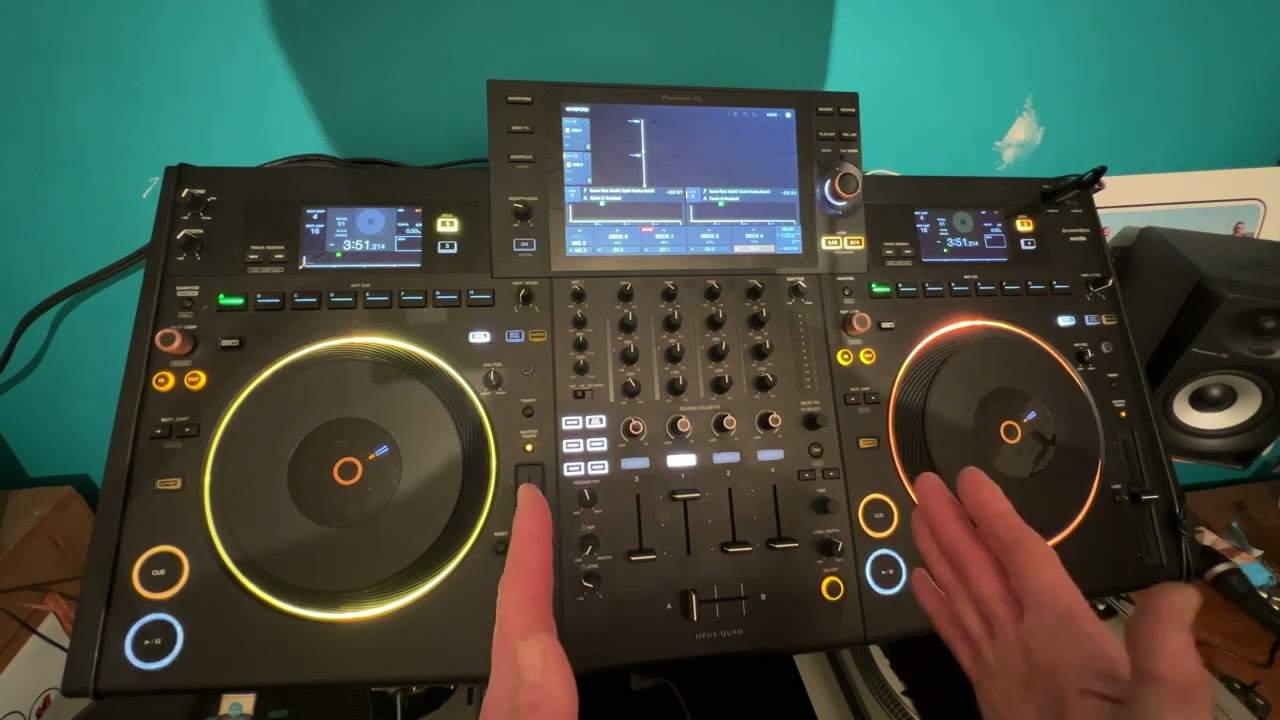
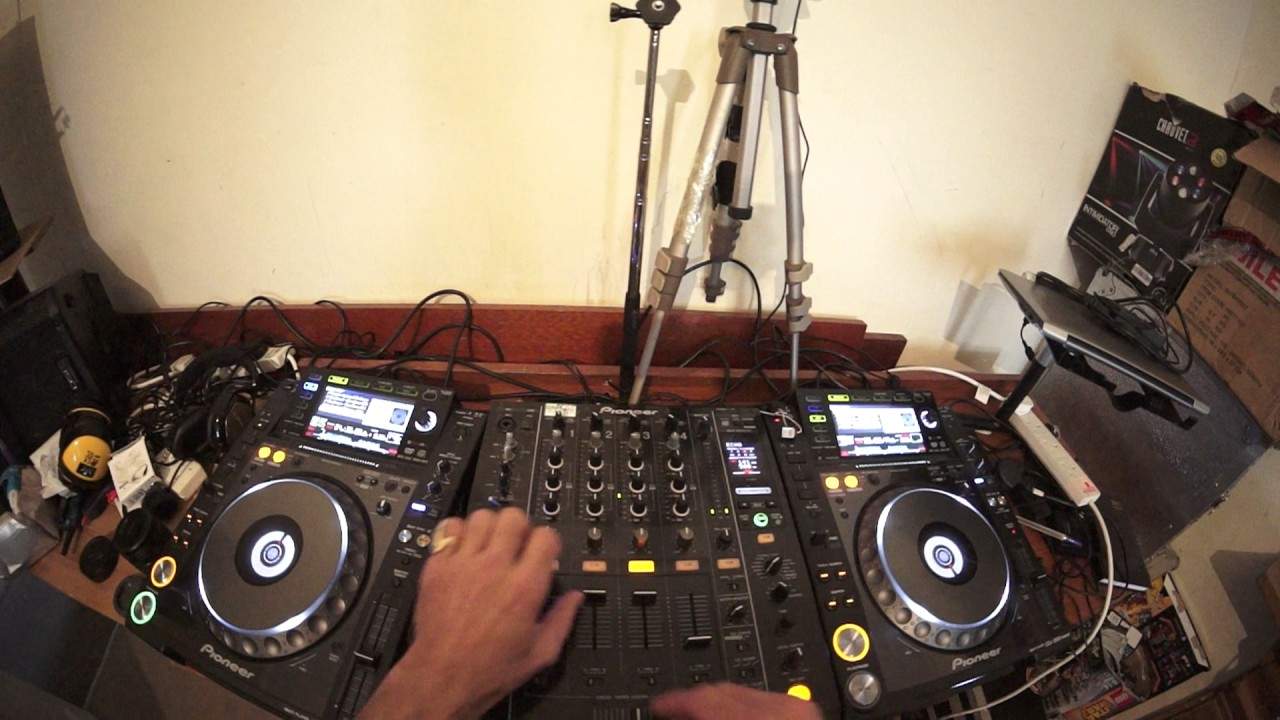
Right? So let's I'm going to just get rid of that thought there, there, there, there. Now, that's my one. Now listen, one, two, four, two, four, two, four, two, three, four. Okay, so hopefully that's helped you to understand the timing. Now what I'm going to do now is I'm just going to move. The camera a little bit. So we're a bit closer to the decks, right? So if I put the camera there and you know me in my editing, what editing really no need. Absolutely no need, right? Okay, so we have the decks there for this demonstration. We're going to put the headphones over there. I want to talk about those headphones very shortly. Anyway, they're the V-Moder M100s and you potentially could be having a free. Set. Yes.
Okay, so let's have a listen to our other track.
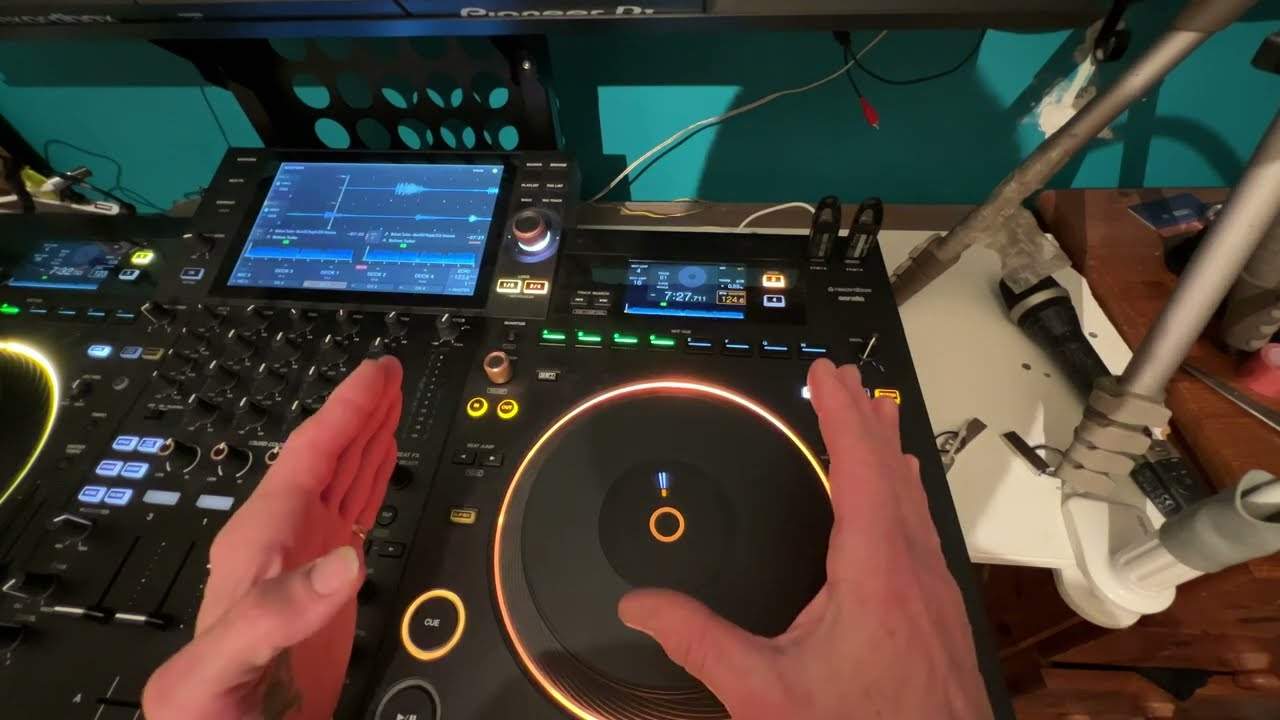
I'm going to go to here. Let's have a listen to the second track now again. You can hear a definite sort of kick a high kick on the two and the four. Now that is the snare. And this is a great way of counting with dubstep 2 4. All right takes a little bit of work, but you will do it. Don't worry about it. 1 2 4 2 1 2 4 2 4.
Okay, so we have the beginning here.
7:47 This is a great way of your first say practice
2 3 4. 2 1 2 3 4 now. This is a great way of your first say practice. Now, I'm going to completely change the BPM here the speed on both tracks. I'm going to do exactly the same thing. So what I've done I have set up both tracks on the count of one and I'm pretty much just going Q Q Q Q now this way of practicing first of all will help you with your timing. And bringing each track in at the correct time. 1 2 3 4 1 2 3 four one saw. I'm doing is I'm pressing each track in on the one. 1 2 3 4 1 2 3 4 1 2 3 4 1. 2. three four now let's have a listen to the two tracks together at the pitches the BPM I've set them and let's see if they're in time the answer will of course be no but have a listen yet when I demonstrated earlier on the one two
Three four one two three four going from one to the other they seem to be in time that's because the two tracks were not playing over each other they weren't overlapping so even though they were different BPM it sounded as though they were in time because the one was not playing over the other so firstly this is a great way of practicing not beat matching but phrase mixing so one two three four one two three now let's take it next step further maybe we could count the group so four and groups are full on both decks
Four two three four one two three four one two three four one two three four and so on all right now that's pretty much like the first level the first step the first way of not only learning how to not beat match with dubstep but learning how to start to mix dubstep the idea behind this tutorial is to get you used to the structure of the track the structure of the drum patterns now that is very very important beat matching will come in time now then I want to talk to you a little bit about something else I do no it's not rude um I give one-to-one lessons via Skype now there will be a link in the description to the Facebook page now during the course of November 2016 if you book from now till the end
Of November 2016 in other words you've got pretty much a month to book uh and you book five lessons the fee is 90 pounds for five lessons and I teach in UK time zone GMT any time from nine o'clock in the morning until seven at night so even if you're the other side of the world it should fit in somehow to your day uh if you book sorry I said 95 lessons your name will be put down to win potentially win a set of vmoda and 100s not these they will be a very similar set now I'm only taking a limited amount of students I've already got a few
10 that is it so you will have a 1 in 10 chance of winning the v-moda headphones the fee is payable via paypal and the lessons are done through the medium of either skype or facebook video and i can teach anytime like i said from 9 till 7 in the evening uk gmt pretty much most days and during the weekend as well so if you're interested we can use cdj we can use controller or we can use vinyl and it's it's here all right the lessons are one-to-one they're strictly confidential so if you say to me i don't want my name out there i don't want any pictures nothing like that then that will not happen at all it's between me and you and the music so if you're interested in maybe getting some v-moda headphones for free i will send them anywhere around the world
Um just give me a shout all right and i'll finish off with practice and enjoy thank you very much
This transcript was produced automatically from the audio of the video and may contain mistakes.