 6:33
Mixing tracks with different BPMs
On YouTube this video is called DJ MIXING TUTORIAL. How to Mix tunes with different BPM
What this lesson teaches
He opens by saying you can mix a 120 with a 110, and immediately qualifies it: you may not be able to beatmatch them and do a clean transition, but you can mix them.
That distinction is the lesson.
The vinyl constraint
The piece of information worth having, and it explains a lot about how DJing used to work.
On a turntable, moving the pitch changes the speed and the key together - there is no key lock on a record player. His rule of thumb: push beyond about plus or minus three per cent and the key shift becomes audible.
An SL-1200 Mk2 offers eight per cent, so the fader has more range than you can musically use. You are limited to a narrow window around each record's own tempo, which means two records more than a few BPM apart simply cannot be brought together without one of them sounding wrong.
That is why older DJs organised their boxes by tempo and why sets moved through speeds gradually. It was not a stylistic preference; it was what the equipment allowed.
What changed
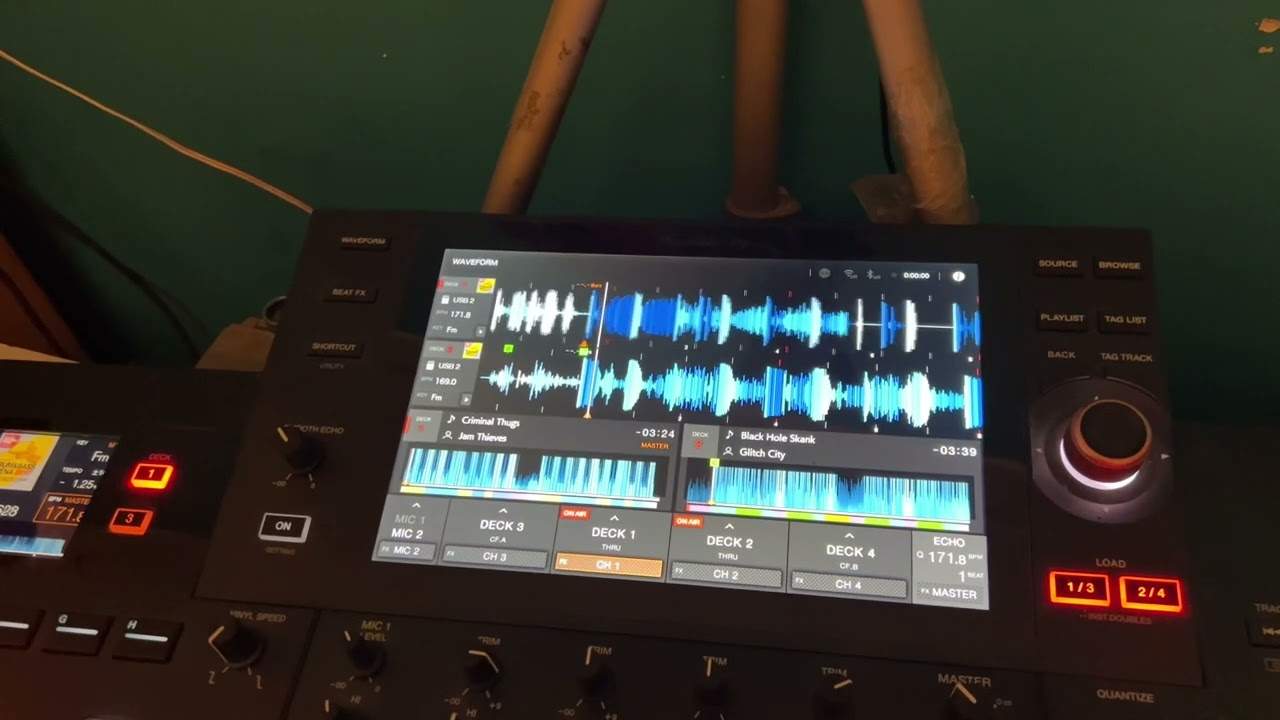
Master tempo - key lock - removes the constraint. The player corrects the pitch as it changes the speed, so you can pull a track a long way and keep it in key.
His examples are 110.2 and 103.1, which is a seven per cent gap. On vinyl that is out of reach. With key lock it is a normal mix.
So what are the options
With two records far apart, you have three:
Pull them together with key lock, if your equipment has it and the gap is not enormous. The track will sound slower or faster than it was made, which may or may not suit it.
Use a transition that does not need matched tempos - a cut on a phrase boundary, a break, an echo carrying across the join. Several of these appear elsewhere in this course.
Do not mix them at all. Which is a legitimate answer, and often the right one.
The skill is knowing which of the three applies before you start, rather than discovering it with both records playing.
Contents of the video
0:00 A bit of a demonstration straight tutorial on mixing

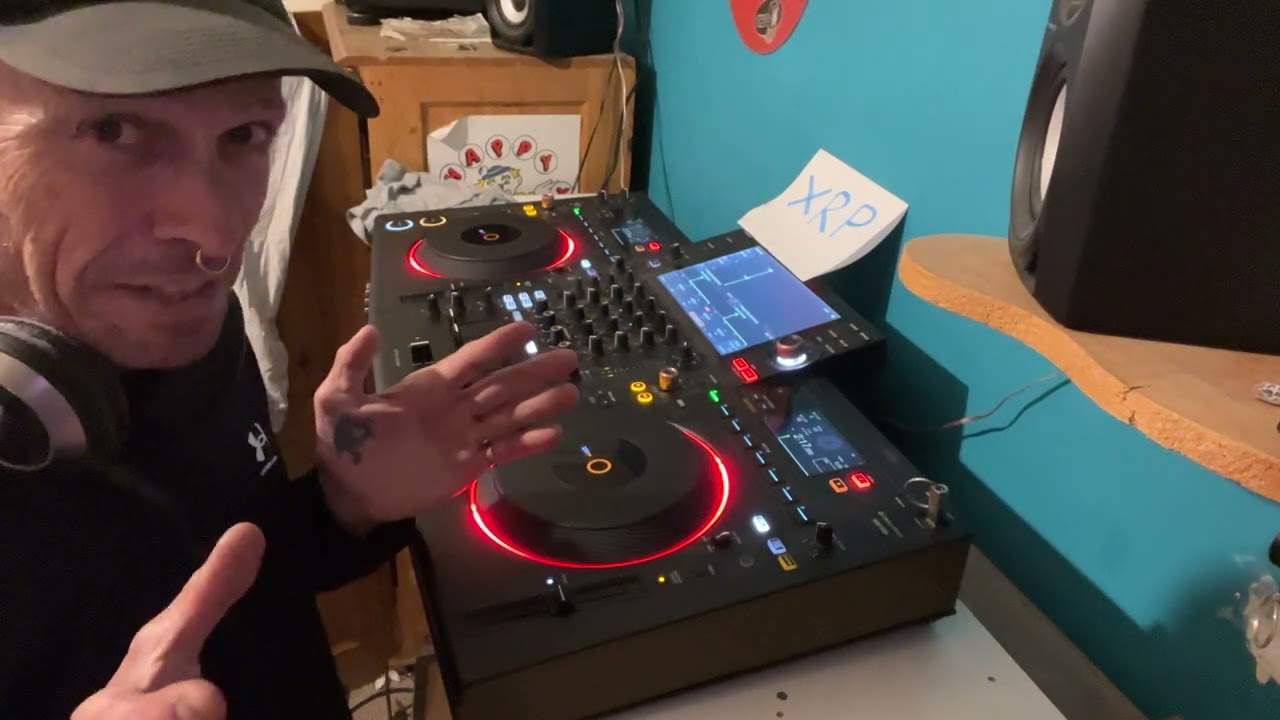
Alright guys, a bit of a demonstration straight tutorial on mixing. In this particular video I'm going to give a bit of an explanation on how you can mix tracks that are different BPMs. Yes, you can actually mix them. You can mix a track that is 120 BPM with one that's 110. Maybe not actually match the beats and do a good transition but you can mix them. So what I'm going to do in this video is give you just an overview of stuff. Of course there may be certain aspects you will take on board, you get a few tips, tricks, add, comment, do whatever you want. Maybe you could get some tips from over there, just over there, or maybe some tips from down, I don't know, down about there. Ideally you want some tips from here, just around about there.
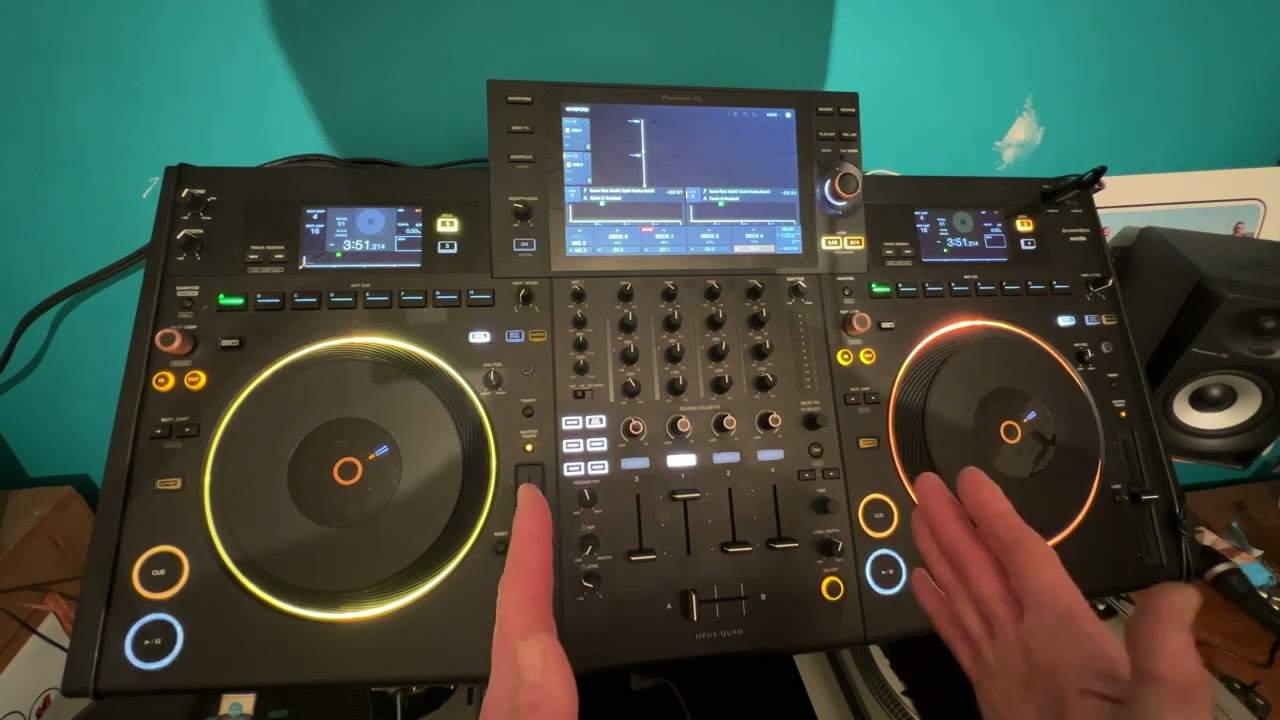
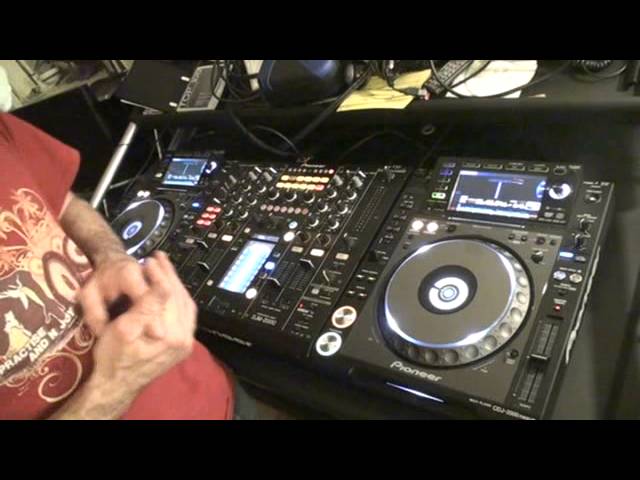
Now first and foremost a lot of people who maybe do not have turntables like this that you can do all sorts with them. We can set master tempo so it doesn't matter where the pitch is, it will always stay in key. For example let's say if you've got a vinyl turntable, it's probably very difficult to do that kind of thing because with the normal vinyl turntable, the likes of the Technics SL1200, your pitch on the Mark II I believe is plus or minus 8. And on the 5G I think, does it go up to 16? Let me know. Not sure, I've never used them. But once you get over or above plus or minus 3, you start to lose the key so you have to try and mix in around about the plus or minus 3. Now with these guys you can do whatever you want, you can make, I don't know, cocktails with them if you want to.
So the two tracks I've got, this one over here is Ladies Night, I will put names in the description, and this one here is, ah it's apparently nothing really.
2:00 Tell, school, fast
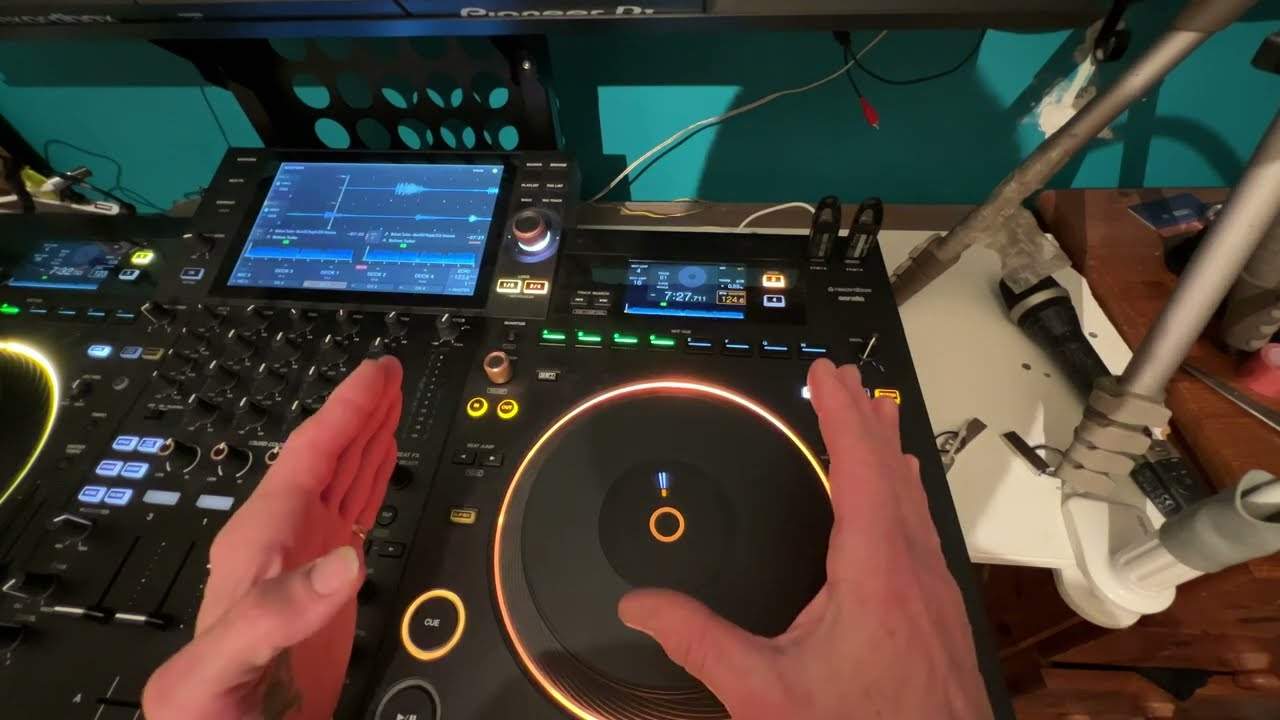
The switches are set to the centre position, and that one there is 110.2, this one here is 103.1. Now if I was to try and mix these two at these particular BPM it would be all over the place. If I wanted to mix them, and again this is a big difference with old school music as opposed to say the modern day electro style. When you do start, and hopefully people will be going, I understand, old school DJs. But when you do start to try and mix old school tracks, and you do increase or decrease the speed quite dramatically, even though you do keep them in pitch people can tell that there's almost this sense of, do you know what, this track is going way too fast. I'll give you an example. This one here, called The Gang of Ladies Night, I'm going to set the tempo to plus or minus 16, so we'll go sort of a steady way through your track.
Now I'm going to speed it up quite a bit. Now, to me, being an old school DJ, that's too fast. Even though it's in key, it's too fast. Now any DJs out there or also your clients, people who you know you're playing to, they'll tell, they will be able to tell, now there's something wrong with this, it's just too fast. When we look at the likes of modern day dance music, it doesn't matter so much. It's very electronic, very digital. And when you do speed it up or slow it down to a certain degree, you can't really tell that much difference. So with this particular demonstration I'll show you how we can get around that by not having to increase or decrease or vice versa. We can do a relatively decent mix without having to change the pitch or do anything at all.
So, this is our original speed of this track. 110.14ish.
4:01 What I did there, I pressed Q on the count of 1
We'll set that to plus or minus 10, this one to plus or minus 10. Right, now what I did there, I pressed Q on the count of 1. Okay, so it was sort of in time but, you know, this particular track, it's got a bit of an intro. So if we have a listen. One, two, three, four. One, two, three, one. So what we need to do, we need to try and work out and count. The intro. So we get to the exact point where the vocals come in here over the track on this side. So, this is where it starts to get a little bit interesting because how do we do that without changing the speed? Well, very simple. What I can do. Right, I've set it.
So my mix is going to be... That's it. So that is going to be my mix. As soon as I get... I'm going to zip the crossfade straight over and we come directly into this track. Now, I've found my point. I need to then find the point where I need to bring that in, the track on my right with this guy here. So, we need to find a certain point.
Now all the time while I'm listening to this, I'm imagining...
Listen. You get it? So, we'll wait maybe until we've got a bit of chorus finished. Very simple. Hopefully very self-explanatory but another little tip for you. Practice and enjoy.
Brand new heavies by the way. Apparently nothing. Nothing.
This transcript was produced automatically from the audio of the video and may contain mistakes.