 8:21
When you find beat mixing hard
On YouTube this video is called DJ Tutorial. For the DJ who finds it hard to beat mix
What this lesson teaches
He is visibly irritated by the idea that being bad at beatmatching means you cannot mix, and this lesson is his answer.
The claim
A mix in the stereotypical sense is two tracks at the same BPM, in compatible keys, beatmatched, brought in on the one, with the overlap managed so the melodies and vocals do not collide.
That is one kind of mix and it is not the only kind. A smooth transition does not require beatmatching, and he says so bluntly.
The observation that makes it work
Here is the useful part.
He plays the opening of a record where there is no beat at all - and then counts it. One, two, three, four. The pulse is there; it is simply not being marked by a drum.
That is true of most intros and most outros. The producer wrote them in the same metre as the rest of the track, so the timing continues even where the kick does not.
And that gives you something to mix against. You cannot beatmatch to a passage with no beats, but you can count it - and if you can count it, you can bring a record in on its one.
What this opens up
A whole class of transitions:
- Bring the new track in over a beatless intro, so the two never have to agree on tempo because only one of them has a beat.
- Let the outgoing track run into its beatless outro and start the new one on the count.
- Cut on a phrase boundary where the drums have dropped out.
All of those sound deliberate, and none requires the two tempos to match.
Who this is for
Two groups, and the second is the more interesting.
Somebody still learning to beatmatch, who needs to get through a set in the meantime - and there is no shame in that.
And somebody who can beatmatch perfectly well, holding two records that will not match at any tempo either of them can reach. Which happens constantly, and this is the answer to it.
Contents of the video
0:02 How can we form a mix when we're not really doing a mix?
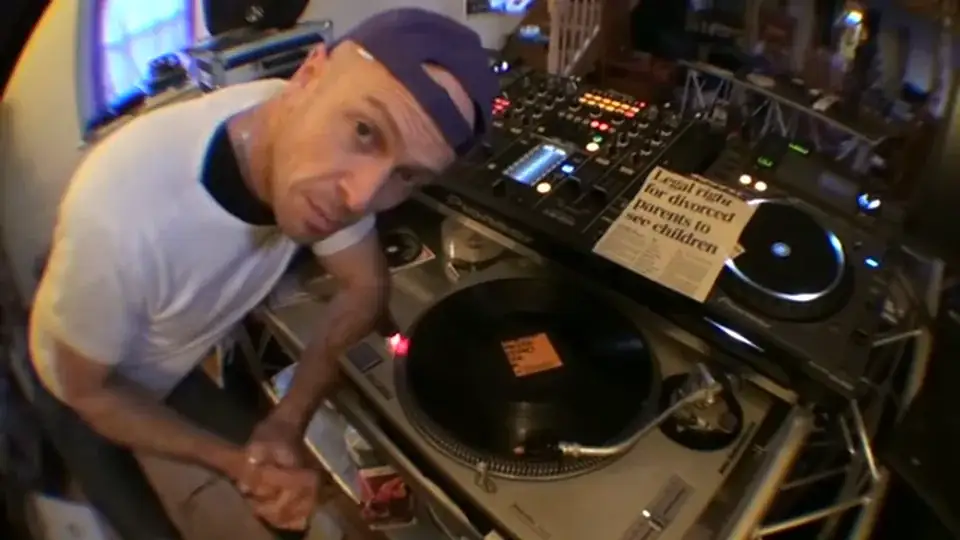
Alright guys, I have delved on this subject in the past, but a few people have asked me to just go a little bit deeper. So, how can we form a mix when we're not really doing a mix? Now, let's imagine our terminology of a mix is beatmatching the tracks. So, for example, one tune is 120 BPM and the other one is at 120 BPM. We keep them in key or keys that match, work well together, and we beatmatch them keeping in time or into consideration bars, phrases, count of 1, bringing it in on the 1 etc. Not overlapping too much, melody, vocals, making it a nice sort of transition. Something that sounds sweet. Now that is your stereotypical mix. Let's imagine though that we need to mix a couple of tracks, but as there is a lot of people out there who cannot for love nor money beatmatch.
How do you get a smooth mix? Now, a smooth mix does not necessarily mean you have to beatmatch it. In other words, it does annoy me when people go, oh, you're crap at beatmatching, you can't mix. It's like that's absolute rollocks. And by the way, rollocks are items that you have on a boat and they keep the oars in place. It's got nothing to do with bollocks that are between your legs and keep your legs in place. Right.
1:46 It's called Armed and it's a beautiful tune from 2007
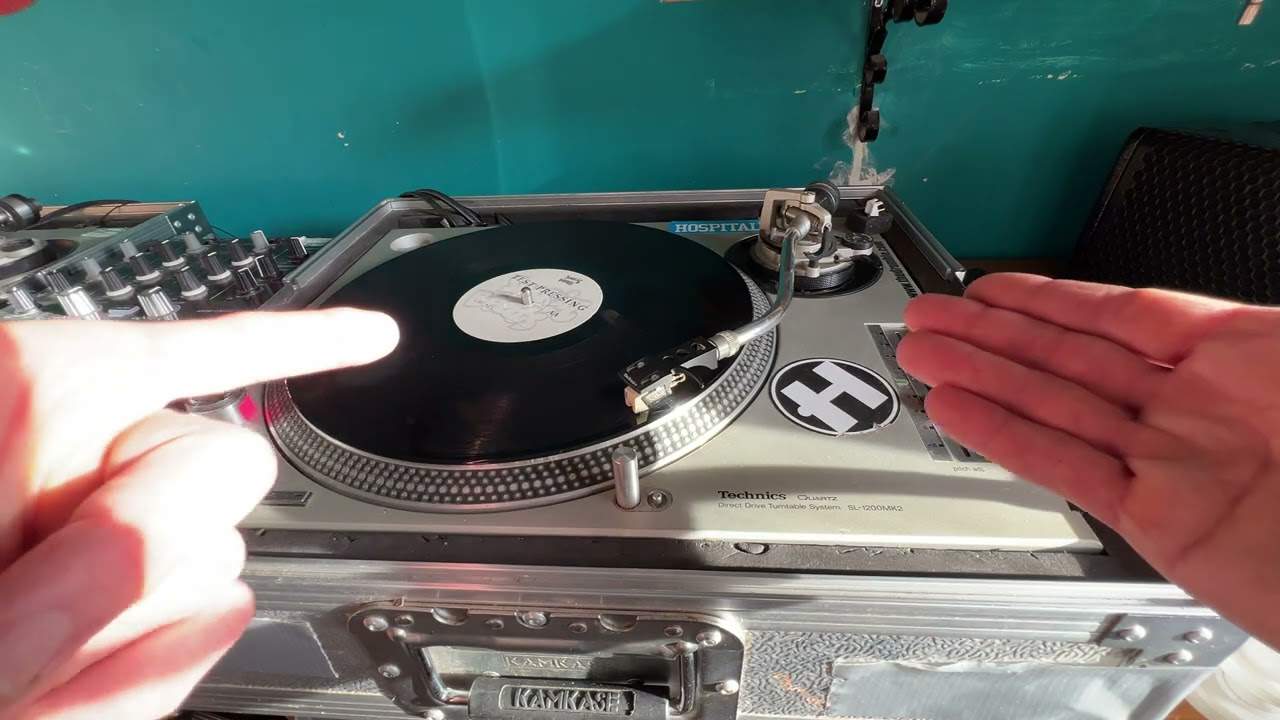
Anyway, so what I'm going to do here, I've got a couple of tracks to explain how we can do a mix. This one here is Prada. It's called Armed and it's a beautiful tune from 2007. And this one here is a remix of Adamski Killer. So first of all, what we'll do, we'll listen to the beginning of Adamski Killer. First of all, or second of all, because I said first, there's no beat there, but that is timing. Now have a listen to this. I'm going to count. One, two, three, four. One, two, three, four. Two, three, four. One, two, three, two, three, four. One, two, fish and chips, rice krispies, beans and Smarties. All right. So we had timing. Now let's have a listen to the end of the track. There's still timing. Again, as I said many times before, generally or 99.9% of the time with modern day dance music,
Electronic styles of dance music, the BPM will never change during the course of the music. You do have a few odd exceptions where the remixer will intentionally slow down the track or speed it up. For example, Little Louis French Kiss put underneath there in comments are the tracks you know of that speed up or slow down. So let's have a listen to this guy here. Right. And also at the end of this video, just check out the lickable clinks in the description. If you are familiar with children, mothers and fathers, and you have the attitude that children should be able to see both parents, then follow the links and see what you think. Okay? Right. Listen to this. Here we go. Believe it or not, we still have a beat there.
There is still timing. So what we can do is, I suppose I'm going to class as meld, as gel the two tracks together. We're not going blurred are we? No, we're still there. We're going to actually gel that track with that track, but we're not going to beat match them. I'm just going to like bung that one in at the latter part of that one. Also what I could do is if I of course have effects, which I do on this mixer, if you have effects, you can then enhance the mix or maybe tweak it slightly so the people listening, watching, dancing can't distinguish between that mix. If you do it correctly, it can sound fantastic. So what we'll do, we'll go to the end of this track here.
Right. I'm going to pause it there and I'm going to get to the beginning of this one. Right. Bearing in mind, I haven't got any headphones. It's not really necessary when you're doing this kind of a mix because you're not really beat matching. What you do need to make sure is that you've got it at the point on this, the point of the...
5:54 Let's go on there quickly before it goes
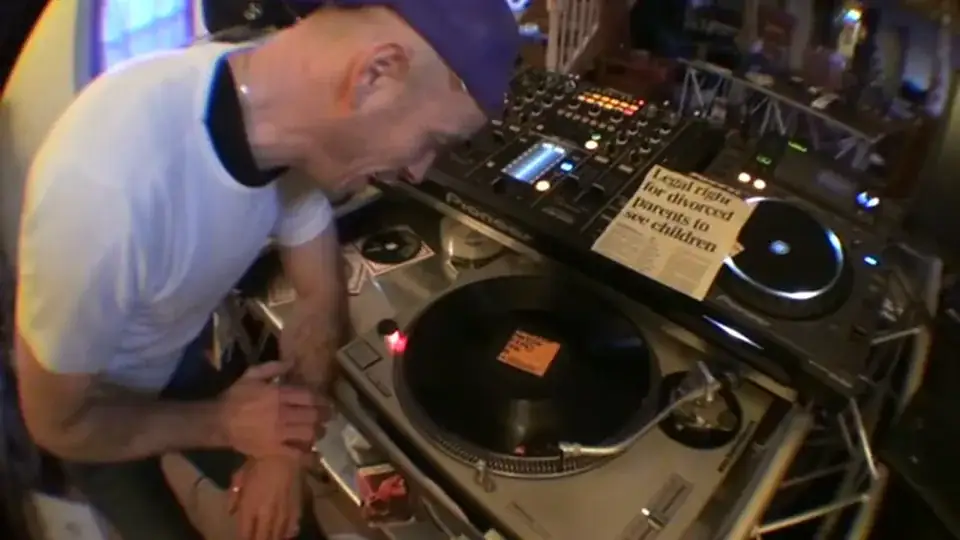
Get it out, son. You've got it. So yeah, you're at the... Oh dear. You're at the point at which you know this track will work well with that track. So let's go on there quickly before it goes. Now I promise you done correctly that will not make the dance floor leave. In fact, quite often a mix like this is far superior to a very straightforward beat mix. This is a beautiful, beautiful, beautiful tune. Go Google it. Practice and enjoy. Check out the lickable clinks. And you know what? I love all my kids. Practice and enjoy. Thank you. From the bottom of my heart,
This transcript was produced automatically from the audio of the video and may contain mistakes.