 5:35
Beat mixing without touching the platter
On YouTube this video is called Dj tutorial, How to beat mix , without touching the platter
What this lesson teaches
He learned on belt-drive turntables where touching the platter either stopped it dead or sent it to 78 - so he had no choice but to beatmatch with the pitch fader alone. That constraint produced the insight in this lesson.
The mistake
Watch a lot of DJs and you will see them resting a hand on the platter while adjusting the pitch.
Here is what is actually happening. The pitch fader is set to, say, minus six, and that is the speed the motor is trying to hold. But the finger is applying friction, so the record is really running at something like minus six and a half.
They get it in time. It sounds right. Then they lift their hand - and the deck returns to minus six, which is faster than what they just matched, and it drifts straight off again.
That is why you see the constant re-correcting: nudge, lift, drift, nudge, lift, drift. The DJ is matching to a tempo that only exists while they are touching the record.
The method
Leave the platter alone and use the pitch only.
You will move it a lot at first - up, down, up, down - and the movements get smaller as you close in. His description is good: it becomes jiggery and jiggery until you find the spot.
And then keep a finger resting on the pitch fader, not on the record. You are not finished; you are holding the control that can still correct it.
What this costs you
It looks less impressive. Taking both hands off and letting the mix run is the gesture that tells a crowd you have nailed it, and this method delays that moment.
His response is the right one: there is nothing worse than making that gesture and then hearing it fall apart ten seconds later. Hands off is something you earn once the mix is genuinely stable, not a thing you perform to look confident.
For learners specifically
There is a real argument for learning this way even on equipment that does not force it.
If you only ever use the pitch, every correction you make is permanent and honest, and you find out immediately whether you got it right. Mixing in platter pressure gives you a way to make the mix sound correct without the setting being correct - which feels like success and teaches you nothing.
Contents of the video
0:01 This is lesson number three on learning how to mix
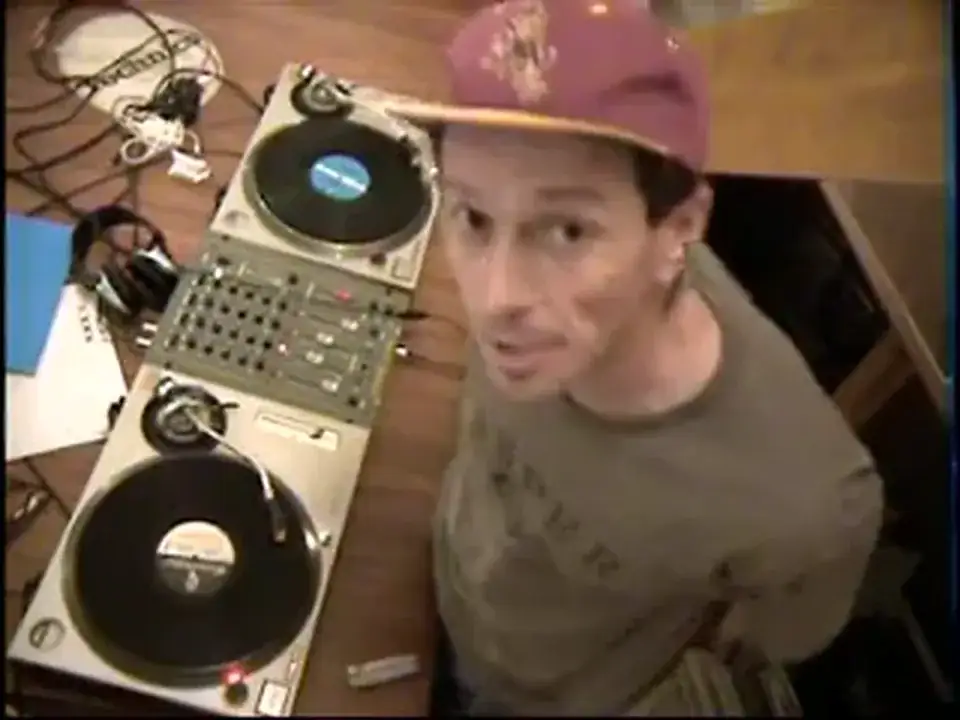
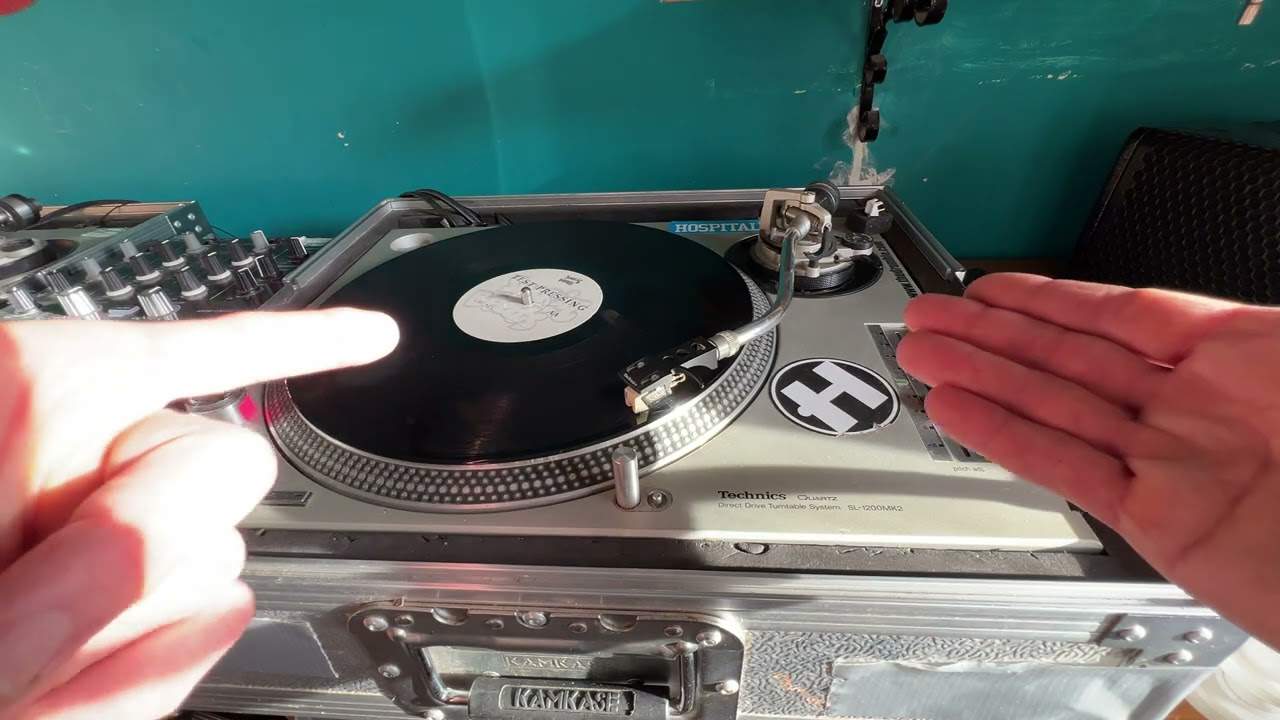
Alright folks, this is lesson number three on learning how to mix. This time we're going to do beatmixing. When I actually started DJing quite a few years ago, I didn't have the joy for a while of having these professional turntables. I had belt-driven turntables. Basically there was an elastic band that made the turntable move. So what it meant is that when you put your finger here to slow it down, it stopped it. When you put your finger here to speed it up, it went like a 78. In other words, you've got 33 records, 45, 78, the old stuff and it sounded atrocious. So the only way I could actually learn to mix was by using the pitch control and the pitch control only. After a while I realised that you didn't need to touch the turntable. Think about it. If you put the pitch down there, you see some DJs, they'll touch the platter.
While they're moving the pitch, now the pitch slows the platter down. If you're touching the platter, you're actually slowing the platter down as well as the pitch control. Now if you put too much pressure on the platter, what you're doing is you're doing a contradiction to what the pitch control is there for. The pitch is there to slow the platter down. In other words, when the pitch is at say minus four, The pitch goes a certain speed. Minus six, it'll go a certain speed. Minus eight, plus six, whatever. But if you put your finger on it at say minus six, your finger could be going say minus six and a half. So that's why you see a lot of DJs, as soon as they take their finger off the platter, they realise it's going out of beat again and they've got to start speeding it up, okay? So I'm going to show you there's no need to do that, okay? Now...
1:54 Smaller, eventually, dunk dunk
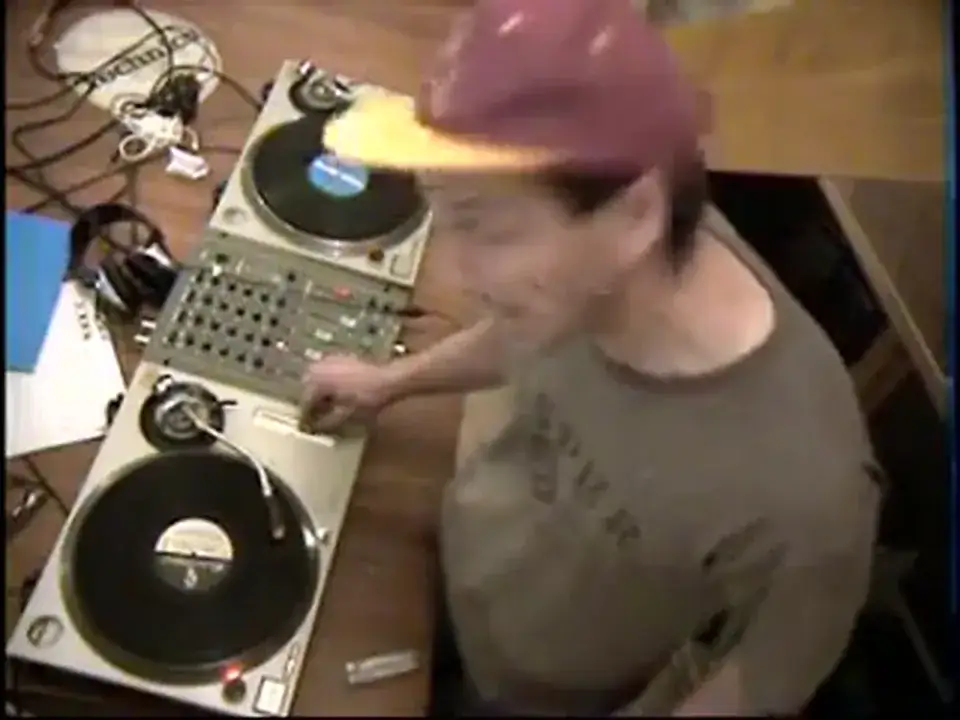
What I'm going to do is this, or what you will see, you'll actually see me moving the pitch control quite a lot to begin with, okay? Because I'm finding the right place. I'm going up, down, up, down and eventually the movements will get smaller and smaller and jiggery and jiggery until eventually I'll find it in a little spot and I'll always keep my finger on the pitch control just to fine tune it, okay? It's fantastic if you can let it off, it looks cool, the crowd think wow look he's got it in beat. But there's nothing worse than hearing you going good dunk, good dunk, good dunk and then you're all over the place, headphones back on and you're messing around. If you notice a lot of good DJs will always have their headphones on and they're concentrating on what they're doing. They're not thinking look at me, look at the crowd, they're looking at what they're doing okay. So what we'll do, we'll start this one off over here and we'll bring this one in.
3:18 I move it quite high and then bring it back down
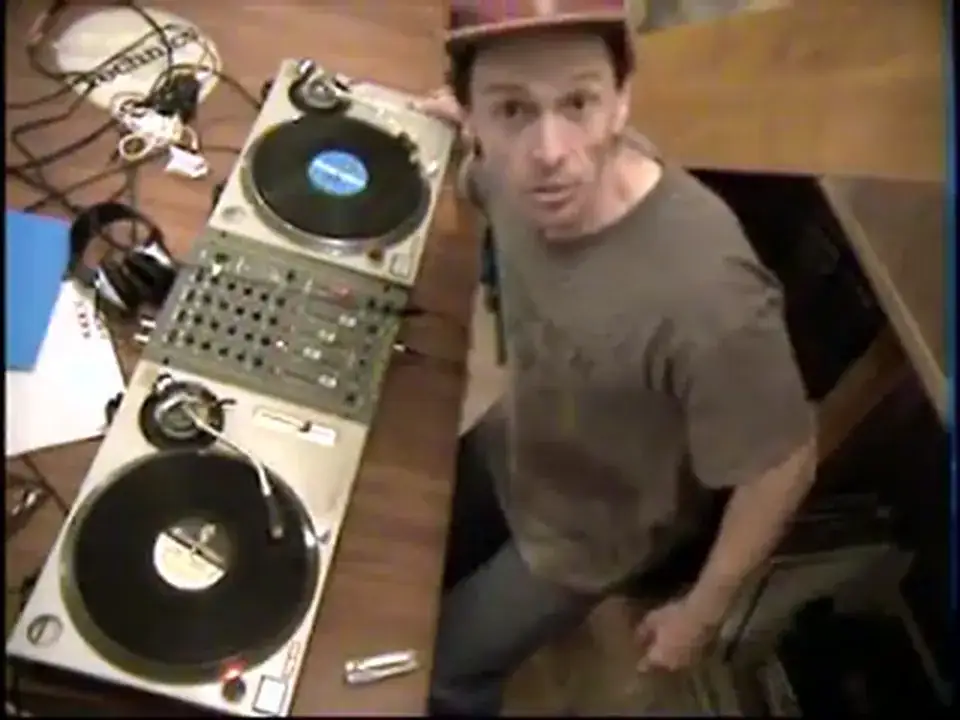
Remember, watch my fingers down at quite big movements and eventually they'll slow down and they'll get smaller and... They won't slow down. But the movements will get smaller and smaller until eventually we'll get it in beats, okay? Sorry if I'm waffling. The wife says I waffle a lot. Okay, so this one's started. And we'll get this one ready. That one's ready. Now you may think I've got this set up, okay? So what I'm going to do, I'm just going to... Okay, I've slowed it down so I don't really know where this one should be now, okay? Okay. Roughly about there. So I move it quite high and then bring it back down. Alright, let's see. Now we're going to slow that one down again. We've got that one slower, so we're going to do the same thing again and bring this one back in. Do the same thing again.
I have to do sharp movements to bring it in beat. Remember the bars. Okay, turn table now. I think they jumped, but I'm contradicting basically what the pitch control's doing, okay? It's there for a reason, okay? You slow down, the record slows down. You speed up, the record speeds up. If I've been helped, thank you very much. If I haven't, tell me and I'll stop.
This transcript was produced automatically from the audio of the video and may contain mistakes.