 4:55
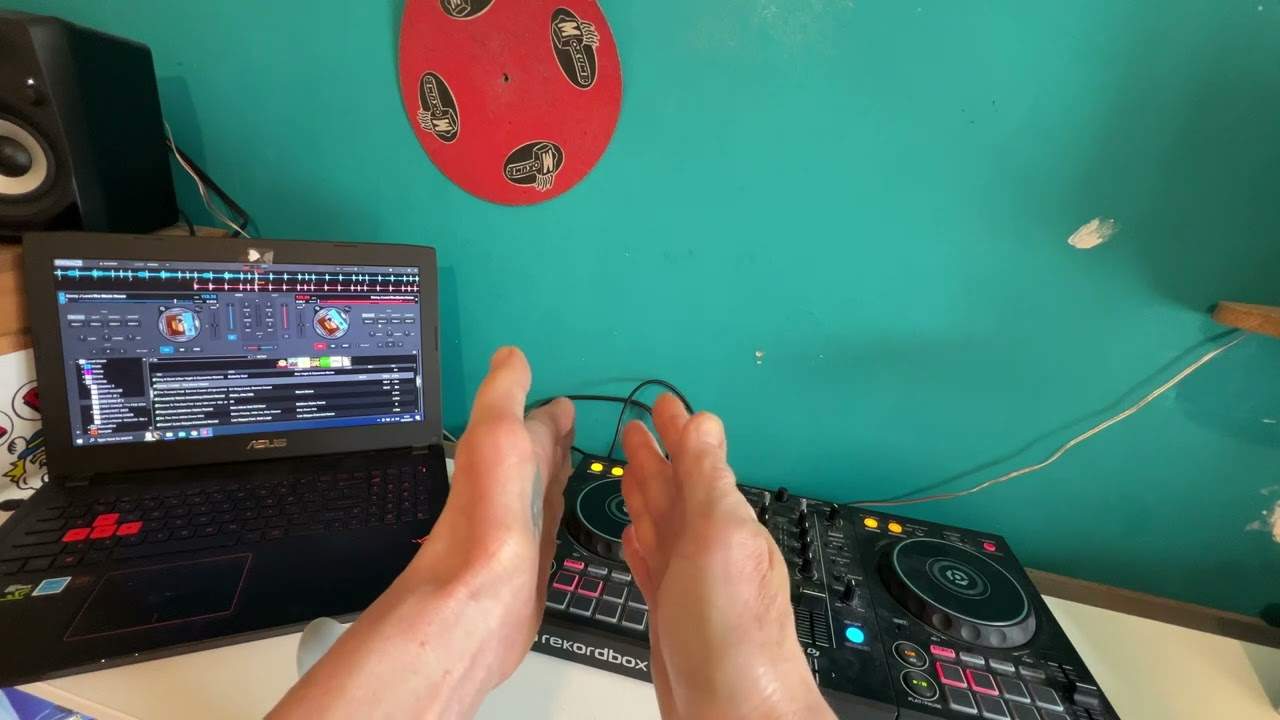
DJ Tutorial.. How to bung a toon in on the count of one in the mix with a vinyl turntable
Contents of the video
0:01 Is how to bung in
Alright guys, now they do say that practice is perfect. No, perfect makes practice. If you get some practice, you can be perfect.
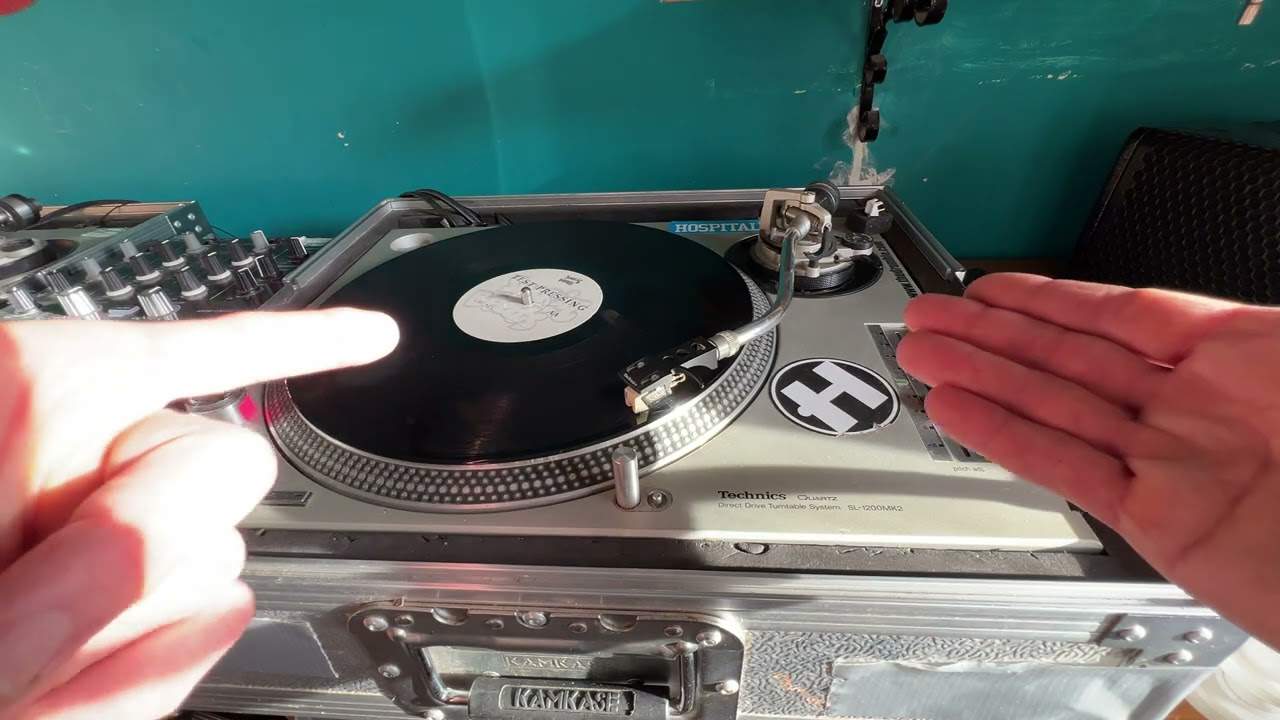
Anyway, right, now in this tutorial what I'm going to show you is how to bung in a track in the mix. Now, you would only do this while you're practicing. You wouldn't do this necessarily in a set. But, doing something like this will make sure that that tune that you're bunging in using vinyl turntable will be in on the first beat. As opposed to a lot of people who what they tend to do is they will mix the first three or four beats on the headphones and then bring the volume in. So, first of all what you need to do, let's say for example we're in a club environment. Volume up on that deck, that's playing. Volume down on this one. You beat match it. And then, when you're ready, you can use this technique, you can have the volume up and you can bung this one straight in on the first beat so the people, the punters, the public will hear the first beat of the track you're bringing in as opposed to you, the DJ, listening to say two, four, six or eight bars, whatever, and then you bring it in, so check it out.
1:30 By the way, the tunes I'm playing is Dido, a track entitled Thank You
First of all play a tune over that side. I'll just put it right at the beginning. By the way, the tunes I'm playing is Dido, a track entitled Thank You. It's a Deep Dish dub and this one here is Baseball Heroes, a track entitled Communique, Woody McBride, CO2, Compique USA 1996, 359 Grand Avenue, St. Paul, Minnesota 55102, Fax 612-293-95385. Don't forget to buy vegetables on Tuesday, sorry, right. All right. So what I'm going to do is start that one off Now we've got it being matched Actually thinking about it. Let's go right from the basis Before we only we do anything what has to happen is the turntable has to be moving so in other words vinyl turntable has to be moving and we know that because if I press play
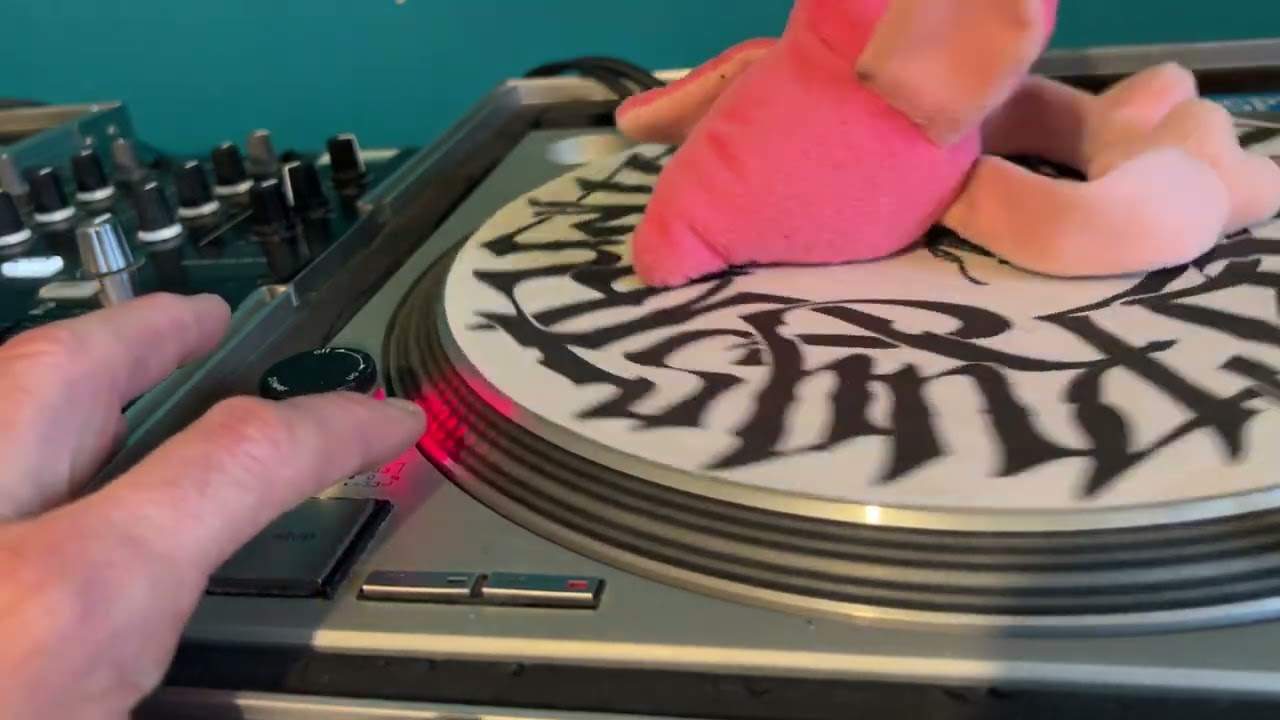
We hear the beat but watch this bring it back The platter is still moving platter slip mat And then the piece of vinyl timeout Friction we have to bear that in mind what I'm going to do is find the first beat And I'm going to bring that piece of vinyl back About a centimeter. That's it now when I take my fingers off have a listen Now this is about timing and If you watch this You will hopefully find your own technique, but your technique will be a tiny bit just a tiny tiny Little bit different to this because it's not much more. You can do really in a sense of you're holding it here And you're just going to let it go by itself
3:28 Let me stand up So on the beat there you go
But of course the object is to do that in time with the other tune so let's put it on here That's terrible. There you go. Let me stand up So on the beat there you go. It's slightly off, but it doesn't really matter because
Pitch there you go. Let's do it again Find the first beat now. It's up to you. You could do that if you wanted to But you would theoretically you'd be doing this part on the headphones so headphones. I'm going to bring it up and away you go So in other words like I said earlier instead of having one or two bars on your headphones you can do this Bring the track straight in All right, so where would you do something like this in the shower on a hill note just kidding? Let's say for example the tune that you're bringing in Has only got say four or two bars before a break well of course? Ideal it means tune comes straight in and away you go. Hope it's been a help and
Practice makes practice and enjoy yeah, I knew it was there somewhere
This transcript was produced automatically from the audio of the video and may contain mistakes.