 5:46
DJ Tutorial on Phasing . Demonstration & explination
Contents of the video
0:00 This particular demonstration is about phasing
Alright folks, this particular demonstration is about phasing. Now first of all what you need is ideally, just ideally, two of the same CD players and also they have to be at the same speed. The best way of doing that is set them in their centre position and make sure the readout, if you've got one, both of them are set to zero. You need identical tracks as well. The reason being is because we want to have a phasing sound. Now first of all, before I have a bit of a mess around, what is phasing? Well let's imagine you have one track playing. You'll hear that track, fine. If we have then an identical copy of that track, identical in every single way, and we put those tracks together at exactly the same time. In other words, they both start off at the count of one. What happens is...
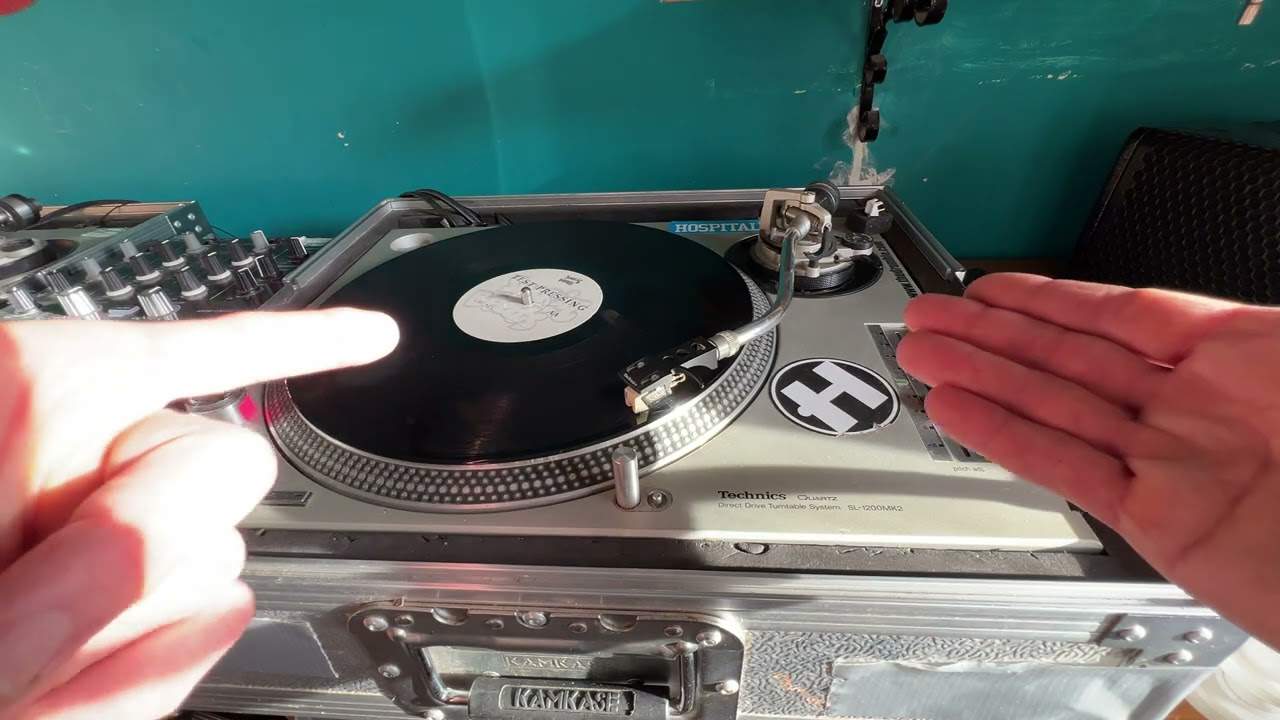
Alright, calm down. Say it. Right, what happens is they... Oh God, getting sorted. Right, what happens is they cancel each other out. So basically you've got one... I've got to do this. So you have the one playing, the other one playing and they start to cancel each other out. In other words, all of a sudden parts of the sound almost... It's as though they start to disappear. As though it seems to rise and fall. Now what happens here... Rise and fall. There's a good point there. As it starts to rise, what's happening is those two points of music are getting closer and closer together. When it's at its peak, that's when they're perfectly together. And then when it falls, they start going off again. So in other words, imagine this. Vinyl turntables. The styli, the needles on vinyl turntables are tiny, tiny points.
1:50 Of course, eventually the slow one is going to start to disappear
If they hit the first beat at precisely the same time, and when I say precisely, I mean within a millisecond, that is the peak. Let's say they're slightly off, then that, say, is the beginning of the phasing, and then they slowly come in and they work well together, they're exactly at the right point, perfectly beatmatched, that's the peak, and then let's say they go slightly off again, so in other words, one is, say, 0.001 BPM faster than the other. Well, of course, eventually the slow one is going to start to disappear. It's going to get slower and, of course, the faster one is going to move faster on. OK, it will take a long time, but when phasing is concerned, you can actually hear a rise and a fall. Now, using this sort of technique, you can actually have a bit of fun and you can mess around with that phasing sound to your advantage. Right, I'll give you a demo first of all. Here we go. Both phasing. Now, watch and have a listen.
3:35 Remember those two points
So what was happening? Now remember those two points. Imagine two needles on vinyl turntables or let's say even, for example, the lasers in these guys. Lasers, small tiny pinpricks and they've got to be perfectly matched together. Now let's imagine my fingers are like that, that's where they're perfectly phased in time. Perfectly phased. All of a sudden, I'm doing that. Moving them like so. So one, they're still there, but maybe one's slightly off. And then, like so, one is slightly off. Okay? So in other words, what we're doing, they're still phased, but they're out of time very slightly when you move it. Perfectly phased, out of time. So what I'm able to do using this sort of technique, I'm able to manipulate the phase by myself.
Now again, there are so many different ways we can do this and we can mess around. For example, we could have the phase, we could move it in and out, and then by just moving one of the volumes down, we have the one track playing, therefore no phasing at all. I'll try that now. Here we go. Here we go. And only one track. Back into phasing two. And one again. It's getting them slightly off beat. Now I hope you get that. And again, it's about practice and having a bit of fun. I mess around with these when I've got time. And I always come up with different tricks... Thanks for watching.
This transcript was produced automatically from the audio of the video and may contain mistakes.