 7:10
Dj Tutorial, Riding the pitches, Using 2 pitches in the mix.
Contents of the video
0:00 Another tutorial for you regarding something, a terminology I've come
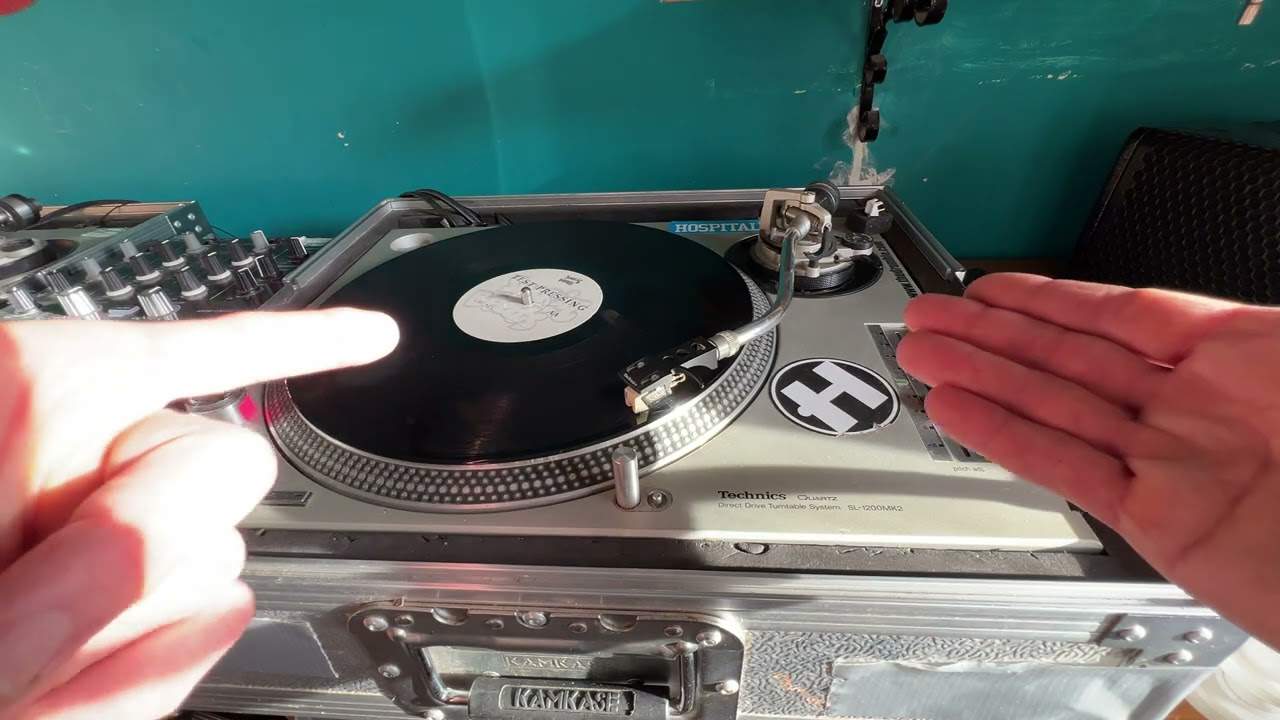
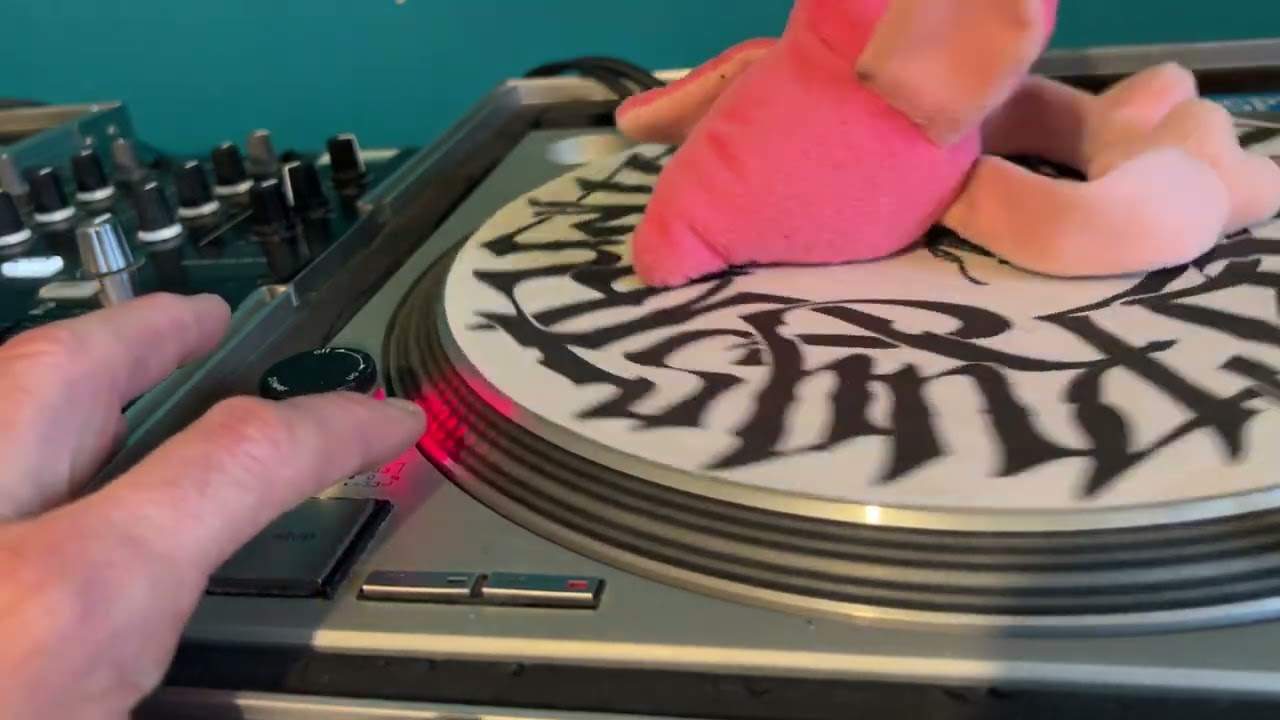
Alright folks, Jonathan here. Another tutorial for you regarding something, a terminology I've come up with. It's called riding the pitch. Riding the pitch is all about the DJ just using the pitch control and not having to mess around with this guy here, which is known as the jog wheel. Or, with regards to vinyl turntable, it's known as the platter. Now, with regards to vinyl turntable, platter and CDJ... Exactly the same principle applies. You will see a disc jockey messing around with the side of the platter to slow the track down. You will also see them spinning the centre up or doing this. Now what they're doing is they're speeding the actual platter up. The same applies with the actual CDJ, jog wheel. What happens when you move the jog wheel clockwise, you will speed the track up.
When you move the jog wheel anti-clockwise, you will slow the actual track down. But there's a very big difference between slowing and speeding the track up using the actual pitch control and slowing and speeding the track up using the jog wheel. This is the difference. If I slow the track down with the pitch control to that point, the track will stay at that speed. If I bring the track up here, the pitch to this position, the track will stay at that speed. Now let's say, for example, I was able to move the jog wheel anti-clockwise, like so, and I was able to get it at the speed where the pitch control was at that point. Like so. So I'm moving it anti-clockwise. Now it's at that point and at that speed. But as soon as I stop moving it, it will come back up to its original speed. That's the difference. It won't stay at that speed. Now the same applies opposite.
2:15 Hey fever, pain in the arse or dust or something
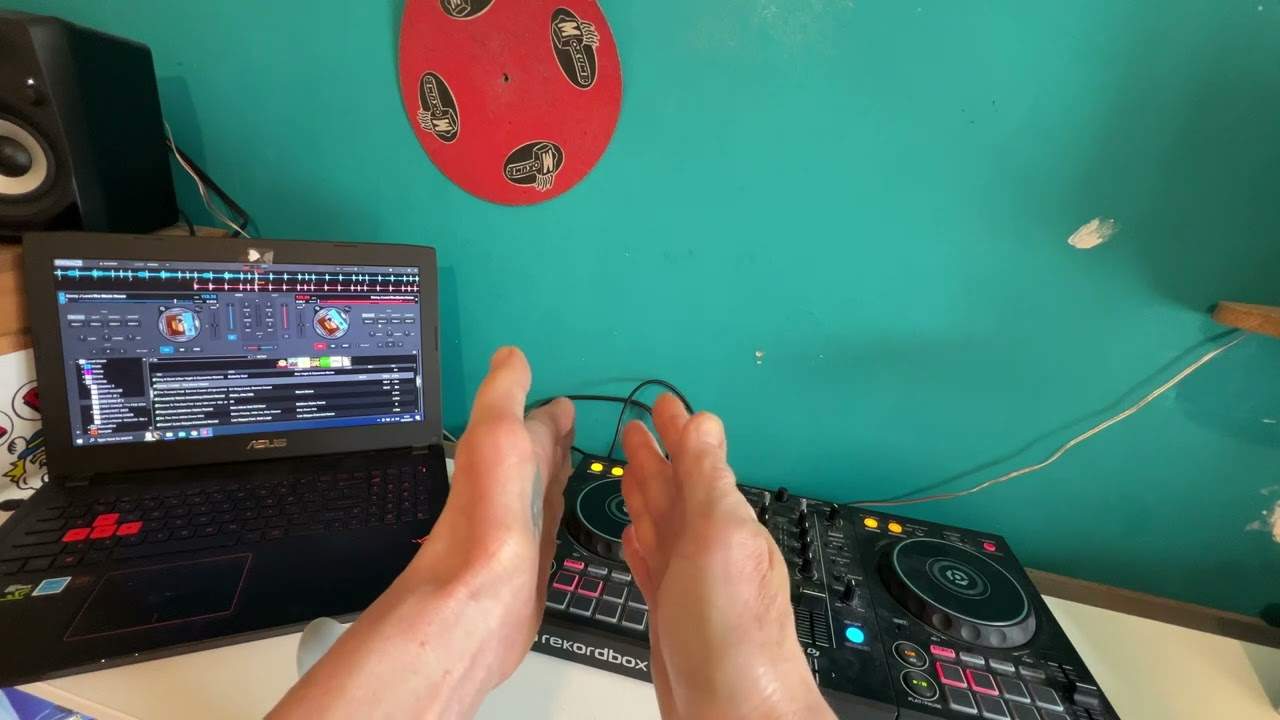
If I move it clockwise when it was at that point, and I move it up so it's now at exactly the same position, let's say, if the pitch was there. But as soon as I stop moving the jog wheel, it will go back to its original speed. Now that's the difference. Same applies vinyl turntable. Slow it down by touching the side. Speed it up by speeding it up on the top. Now with regards... Excuse me. Hey fever, pain in the arse or dust or something. I don't know, I've had about 6,000 antihistamines and it's done absolutely bugger all, but there you go. Right, now then, in previous tutorials what I've done riding the pitch, I've just used one pitch control. Now think about it, you see DJs doing this and they're moving the jog wheel. Now utilising this sort of idea, there's no need because if you have both hands on the pitches, what you're doing in essence...
You're actually doing exactly the same as if you were moving the pitch control on one and moving the jog wheel on the same CDJ or pitch control on a turntable and speeding or slowing it down on a vinyl turntable on the actual platter. Now, bearing in mind this is very, very difficult because what you're doing in essence is if you think about it, what you're doing is you're slowing the pitch down You're speeding it up on this one, and you're slowing and speeding it up on this one. So, it's not a case of you're slowing this one down to try and get it in beat on that one, and speeding it up to try and get it in beat on that one. What you're doing is you're trying to get them both in beat to match. So, again, one of the first tutorials I ever did with regards the cars. What I'll do, I'll post it as a video response underneath here. Hopefully you'll get the general idea.
4:08 Bearing in mind, I'm not going to have any headphones, alright?
The two throttle controls. Now, theoretically, what you're doing if, let's say for example, you're just moving the one pitch control, the one car is just moving backwards and forwards. In other words, the throttle is being lifted and pressed on that one car. That is the principle here. But with the principle of riding the pitch on two turntables, now both cars are utilising the throttles. And hopefully a more precise and concise way of keeping them in beat. Now, bearing in mind, I'm not going to have any headphones, alright? So I'll give you a demo, and what I'll do, I'll get them both off beat completely to begin with, and then we'll try and get the tracks in beat. Here we go. They're all over the place. Slightly, they will go off. It's another term I'm going to use, and that's called gladdering. It's where those beats go dum-dum-da-dum-da-dum-da-dum-da-dum-da-dum.
But now then, here's the main point here. If you think about it, let's say for example that track over there is playing on your main PA system and this track is the one you're mixing in on your headphones. The last thing you want to be doing is this on the main track because of course the punters, all they're going to hear when I say punters, I'm on about the people that are dancing and listening to the main PA, they're going to be hearing this really wacky sound. So it's a very subtle movement. Now, you may think, well, what's the point in doing this? Maybe there isn't any point in doing this. Maybe this is just another trick, another tip. Maybe you might find it easy to do this. Maybe you might find as though you'll never be able to do it your entire lives. But, it's another way of learning how to mix.
I suggest, highly recommend you don't try this because it's very difficult. But if you're a bit of a pro and you know what to do, then it does look a lot better than seeing someone doing this continually and messing around. A lot of people do say it's more professional just to use the pitch control. And by using both pitches, it just looks that little bit better as well. Now I hope this has been a help. Any comments, anything like that, or you can just take the piss if you want to. Leave it underneath. Practice and enjoy.
This transcript was produced automatically from the audio of the video and may contain mistakes.