 11:42
DJ Who Can't Beatmatch Drum and bass I Will Help You Mix the Music
Contents of the video
0:00 Jonathan here, The DJ Tutor
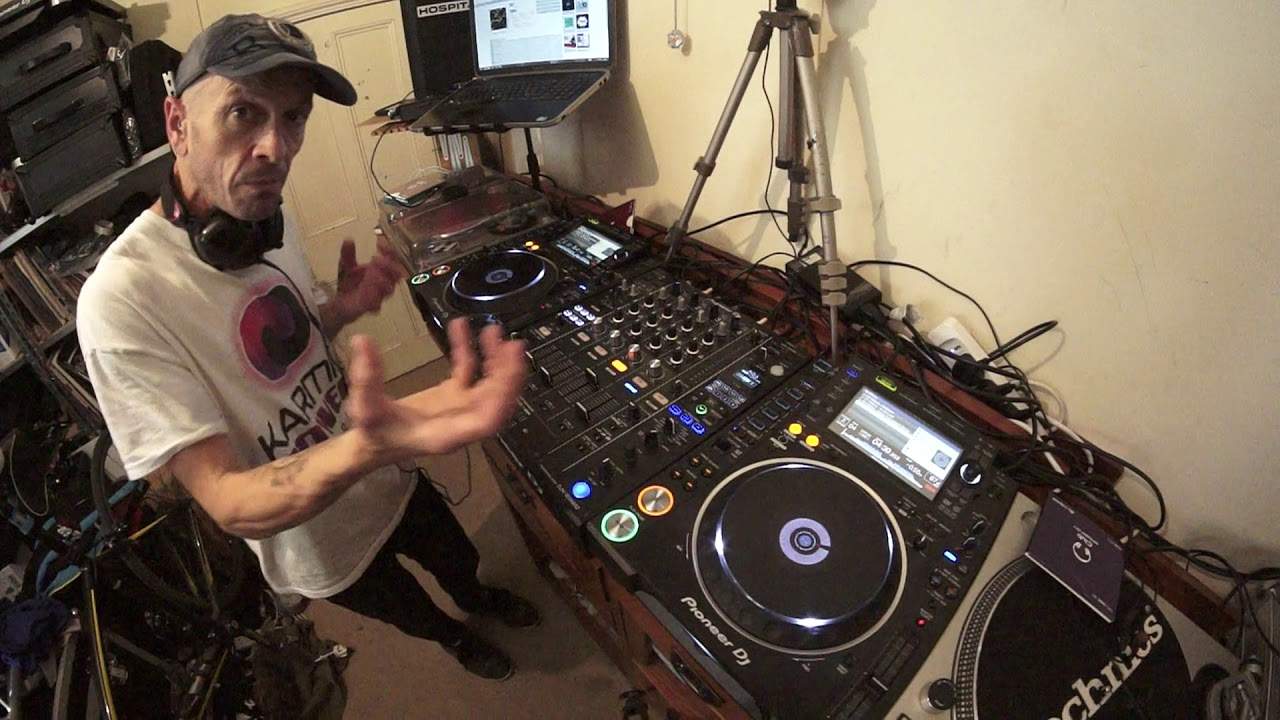
Alright guys, Jonathan here, The DJ Tutor. Now hopefully this video will help you if you cannot mix drum and bass to save your life. You've tried and tried and tried, you just can't do it. Now, let's imagine you've got two DJs, one who can beatmatch perfectly, the other one who is musically minded. The one who can beatmatch can just do it in their sleep. The other one, on the other hand, can listen to songs and work out what song, what melody should go with the other melody. Now, the second DJ, the one who can mix melodies, will do far better than the one that can beatmatch. Imagine this, dance floor full of people and you've just done a wicked mix. And all of a sudden the dance floor disappears or leaves.
Or there's an energy change, or they look at you as though you're stupid. It's very likely because you've mixed out of key. Now, there are many ways of mixing in key, but there are four sort of basic ways. One is the same key, so you're mixing one track into the other, the same key. The next one is you're mixing to a higher key, sort of increase the energy, gives it a little bit more euphoria. You bring the key down, the third one where you just lower that kind of vibe, it gets a little bit more deep. The fourth one is where you pretty much throw a bucket of water over the crowd, drop a clangor, and they look at you as if to say, what have you done? It may be in time, in phrase. If it's not in a key that works, it's going to sound terrible.
Now, the whole idea of energy in a room is keeping that vibe, keeping the energy, keeping it flowing, having some form of continuity. If we go back to the composers of years gone by, Tchaikovsky, Brahms.
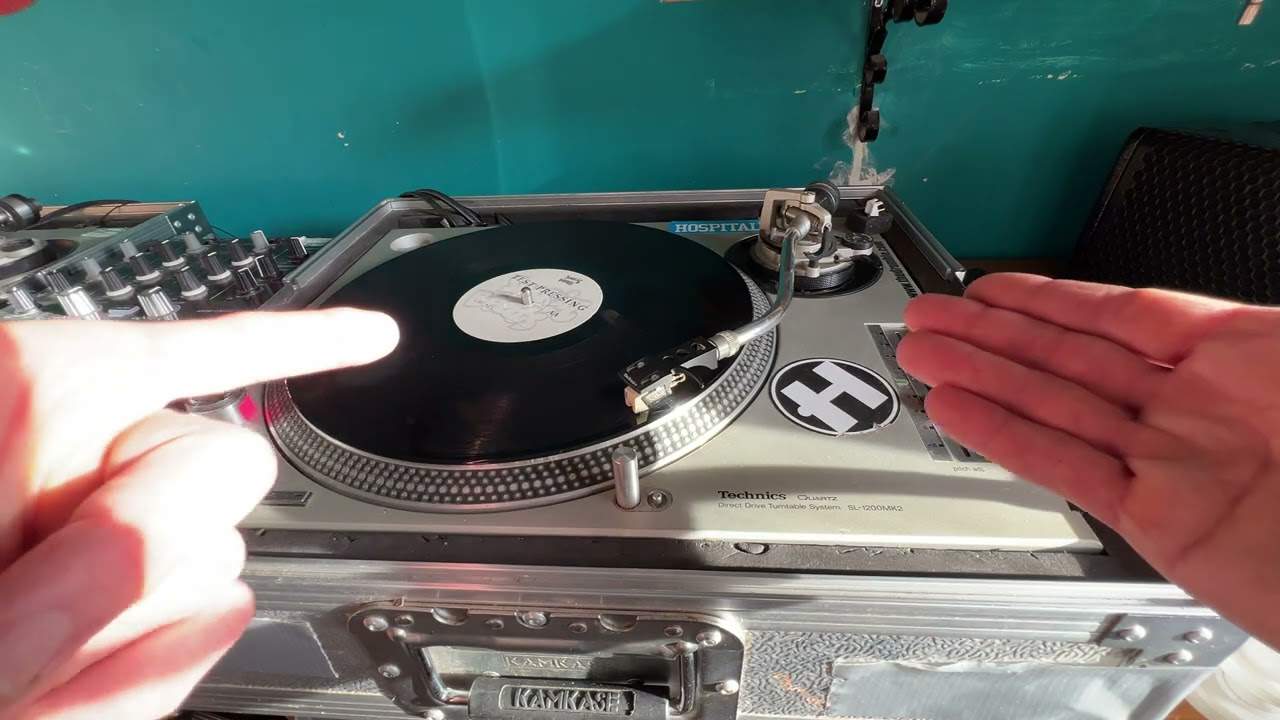
They may not have had turntables, but they were the DJs of years gone by because their symphonies, what they put down on paper, took the listener on a musical journey. That is no different to what a good DJ does today. So, right, let's imagine you can't beatmatch at all. You've tried and tried, but you just... You just can't do it. Then you can still get away with mixing the music. Now, the two tracks I'm using are by Whiny. They are from the Talisman LP from Hospital Records. There will be a direct link to this LP in the description right down there. Go and check it out if you're into D&B. So, let's have a listen to Portal first.
The beginning. Now, notice the beginning. No beat. It's just a kind of energy, melody. There's a nice kind of feel.
2:57 We've got some form of
Okay, we've got some form of... Not drum pattern, but you can hear some kind of construction where the beat may be coming in. Two, three, four. One, two, three, four. One, two, three, four. Two, four. One, two, three, four. One, two, three, four. One. One, two, three, four. Okay. So, we've got that. Right, let's have a listen to Rock Hopper, which is on the right-hand side. Now, what I have done is I have increased the trim all the way up to plus 3% because the beginning of this is quite low and there is good reason for that. I'll show you in a bit. Have a listen.
3:48 All we've got is a sound
There's no beat. All we've got is a sound. Now, this is what we're going to do in this demonstration. We are going to mix the sounds, not the beats. The sounds. We're going to mix the two sounds to form some kind of transition. Now, if I reduce the trim to the same position as the other track... Have a listen. It's a lot lower. Now, if I play the portal track now and bring in Rock Hopper, it's very difficult to hear it. That's why... I increase the trim. Now, putting this sort of tutorial slowly to one side... Again, this is another kind of tutorial in a tutorial. What you need to do as well is you need to always have a look at the LEDs on your controller or on your mixer because if you want the sound levels to be the same, equal,
You've not only got to have the volumes on the mixer the same... That's the ideal positions for them to be. But you need to make sure that the LEDs are flashing in roughly the same position because if one is a lot higher than the other... In other words, the one is going into sort of plus three and the other one is, say, at zero dB, then the one at zero dB, you may not be able to hear it because the other one is a lot louder. I'm not going... That's as much as I want to discuss about that because that's not the case for this tutorial. So, right, what I'm going to do now, I'm going to go to... Let's just have a listen to Portal.
You get an idea of what the track sounds like.
Okay, again, percussion here, bass line.
Now we've got the melody in there as well.
Here's a break. Okay, but we've still got... We've got a definite feel about the timing of this track. Two, three, one. Two, three, four, and so on. Now let's go towards the end of the track. Okay.
6:41 Let's have a listen to Rock Hopper
Right, so that's how it finishes.
So I'm going to pause it there. Set hot cue. Now let's have a listen to Rock Hopper.
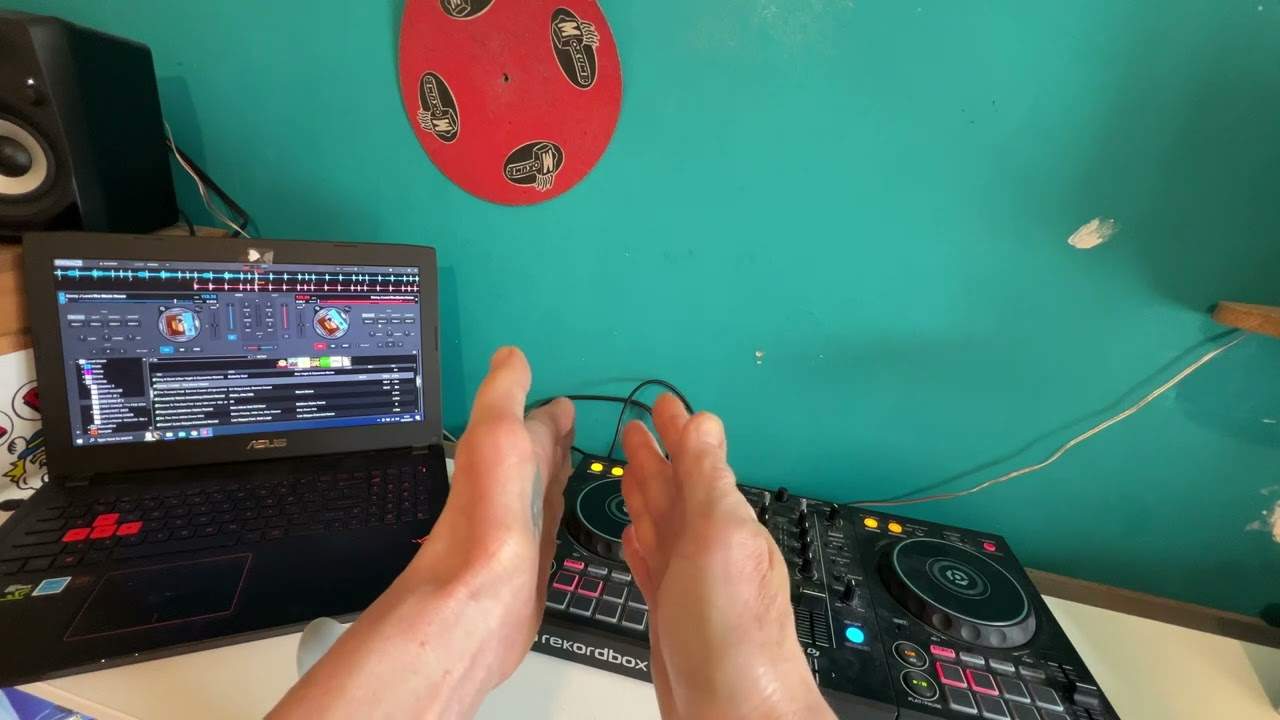
Okay, again, I've got the trim all the way up. Now I need to be very careful here because if I keep the trim at the same position when the drop comes in or when the percussion or the bass line comes in, it's going to completely overpower the other. So I'm going to pause it there. I'm going to pause the track. So this is where you always need to make sure. Bring it down at the right point. That's where you need to look at the LEDs as soon as they peak, bring it down and also look at the wave format on the screen or on your laptop because if you see, you know, you've got like that kind of squiggly line, that sort of wave format. Where you've got tiny little bits of it, that's where the volume is quite low.
Where you've got a lot of it, it's full. It's filling that sort of screen. That's when the volume is quite high. So as soon as you see it filling the screen more, turn it down. As soon as you see it with not much there, turn it up again, it's, you know, use your ears really. Okay. So this one here is rock hopper. Okay. Right. So let's have a listen to the break. We've still got some kind of drum pattern there towards the end, right? So what I'm going to do now, I'm going to put the trim back up. Let's listen to that note. Now can you hear? How those two notes seem to work with each other? It's almost as though they, they seem to feel connected. Now that is it. That is what mixing is about. It's about the connection between the sounds of two tracks.
9:19 Let's play Rock Hopper and bring in Portal
If you can get that connection, then you should by all rights be able to form a good mix no matter what else is going on. And I stand to this day. I stand to this day and say without shadow of a doubt that the most important thing about DJ mixing isn't the phrase mixing, isn't perfect beat matching. It's about the music. You mix the music correctly and you're on a winner. Okay. So listen. So let's just go back a little bit. Listen. Bringing the trim down because I don't want to overpower the mix as soon as we get more elements of the track in. There we go. Let's try it the other way around now. Let's play Rock Hopper and bring in Portal. So I'm going to go towards the end of this track. These two transitions again, and you have your eyes closed.
You should have a natural kind of happy feel. It's almost as though that feels good instead of having one track into the other where you've got that kind of clash, that nasty sort of I don't like that kind of sound. All right. So I hope that's been a help. Don't forget, check out the link to The Hospital Records and practice and enjoy. Nice one. Bang it off. Here we go. Love it.
This transcript was produced automatically from the audio of the video and may contain mistakes.