 8:52
Does the beat go off when you try to mix?Try this!!
Contents of the video
0:00 They've got a problem
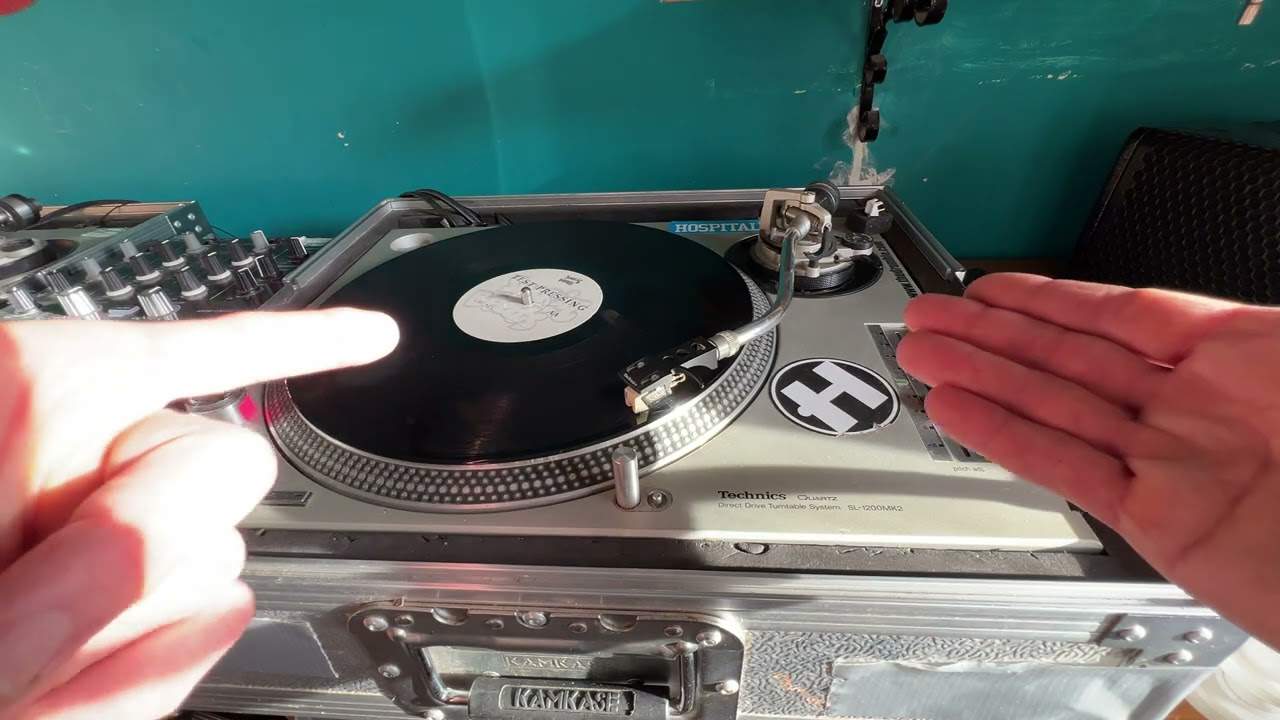
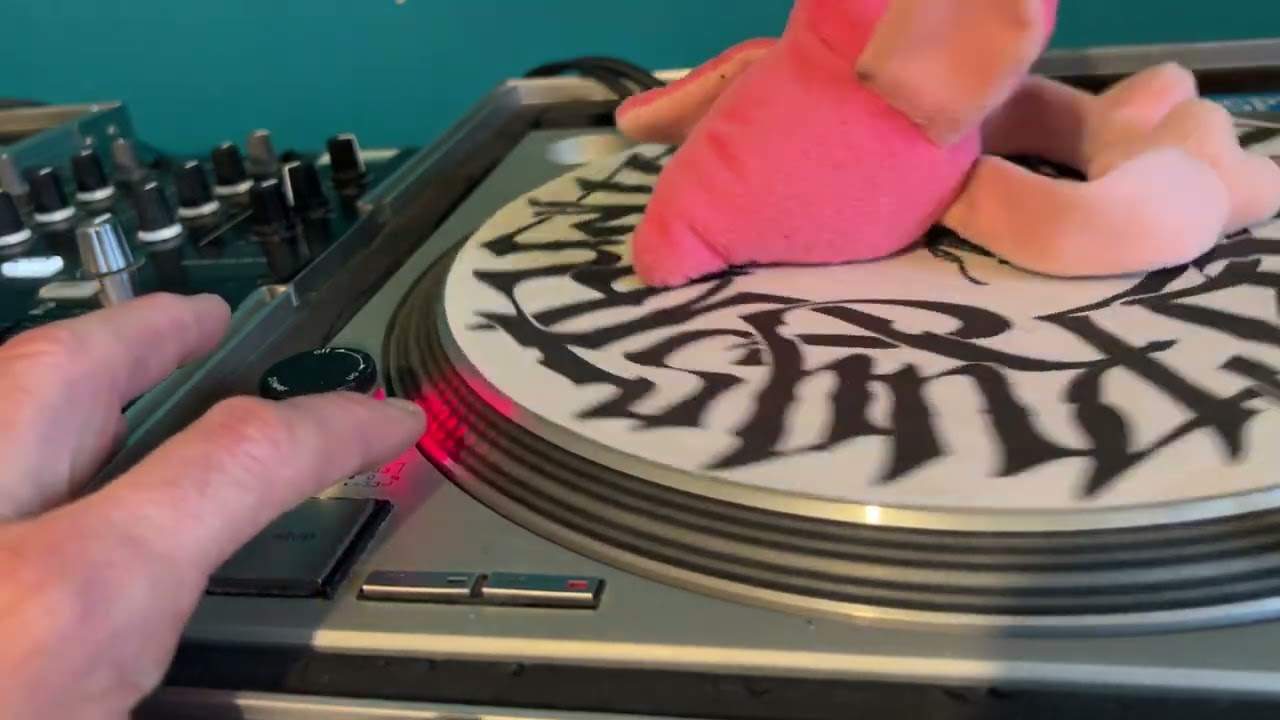
Alright folks, this is a video response going out to a chap, lady possibly, blood for life. That's half their username. Now then, they've got a problem. When they're doing a mix, they find it very difficult to sync the beats. There are lots of different methods. I have explained quite a few in like millions of videos back. I suggest you go through them. But here's another idea for you. Now then, what you need is this. You need two identical records. Same pressings, identical records. Even CDs if you want to. Identical. The reason being is simply this. When you have them in pitch lock, so I will put these now in quartz lock, because they're identical, the same tune, doesn't matter what format, house, hip-hop, R&B, soul, reggae, ragga, techno, trance, electro, if they are the same record and you have them in quartz lock. Now also very quickly, it's probably very difficult to do this if you've got belt driven decks, because even if they are perfectly matched,
In other words, where the two lines are, your two pitch adjustments, if they're exactly at 1, 2, 3, 4 in the middle, they will go slightly off. You need to have a quartz lock mechanism. Now then, by using that quartz lock mechanism and two of the identical same records, what you're getting to is this. And that is, if you start the records off at the same time, then logically... If they start at the same time, they will finish at exactly the same time as well. All the way through, they will stay in beat. What you will have while they're playing, you'll have a sound and it's called phasing. It's where the two sounds are just moving very slightly away from each other and as they hit... Perfect level where they're both together, what happens is the sounds actually cancel each other out and all of a sudden the sound seems to disappear, almost like it's in a tunnel. That is called phasing and there are lots of mixers and CD players that have a button. That button, when you press it and it's got phasing on it, does exactly the same. The actual program or the unit, what it will do, it will sample.
2:14 Instead of having just one sound coming through, you'll have two
The piece of music that's being played and it will play it alongside the actual piece of music that's playing. So instead of having just one sound coming through, you'll have two. Anyway, I'm digressing there. Right, what I've got is this. I've got Chic Good Times. The only reason I'm playing this is because I've tried for the life of me to find a couple of house records that match. I know I've got them up there but I don't particularly want to go through hundreds and thousands of records. Right at the beginning, I'll take these off-chords lock now, and then what I'll do, I'll play them together, and then I'll slowly knock them off beat, or one of them off beat. Now then, here's a tip for you. Because it's the same record, you haven't got to think so much about key change, about where the beat should be, simply because of this. As soon as you hear the beats come together, you will start...
Here's the tip. Try and keep that phasing bit in the right place. Now then, if you have 1200s or 1210s, you will have in the middle that green bit where it clicks and the light comes on. Now then, if you keep them there, that's cheating. What I want you to do... is the left-hand deck, move it down to about minus one or even plus one. Maybe a bit higher, plus one and a half, plus two. But this is about ten seconds after the two records have started. So the reason for that is ten seconds to make sure they're perfectly matched. They're not going ga-dunk, ga-dunk, ga-dunk. After ten seconds, then what I want you to do, like I said, is move one of the turntables plus one plus one and a half say plus two now straight away the other turntable is going to be out of sync and they're going to start losing beat now then logic if on the one you've moved to plus one that's gone faster so the other one that was at perfect pitch on court slot you'll then have to speed that one up but because you're speeding it up two or three seconds
5:06 The first one from quartz lock to one and a half
After you've started speeding the first one up, if you put the second one at exactly the same place as the first one, it will still be offbeat because you've taken one or two seconds to put this one, the second one, up to the same speed as the first one. Look, if you can't understand what I'm on about there, you need to go back a whole bunch of videos and look at the one where I worked on the principle of the two cars and you'll understand where I'm coming from. So the second one, what you need to do is you need to make it go even faster. For maybe one or two seconds and then you slow it back down to exactly the same speed, the same area where the first one is. In other words, if the first one is at plus one and a half, then you need to put this one back to one and a half.
And the second one is on quartz lock. The first one from quartz lock to one and a half. Wait one second. And then the second one, don't go to one and a half, go to say two and a half. And then as soon as they get in beat, whop it back down to one and a half. Now once you've done that, you need to play around then and you need to listen to that phasing. That's the important thing. Listen to the sound where you get the phasing. Right, enough of me waffling, we'll try and do it. Here we go.
6:05 I slowed them down, but I've got that phasing effect
I slowed them down, but I've got that phasing effect. That tells me they're in beat. I'm now going to speed them both up. When you start them, they're in quartz lock, so they both start at the same time. And like I said, after one second, speed the first one up. And then after two or three seconds, speed the second one up. And like my saying says, practice. That's what it's all about. But while you're practicing, enjoy. Thanks for watching. Take it easy.
This transcript was produced automatically from the audio of the video and may contain mistakes.