 4:47
Dropping Vibe into a DnB Mix Without Beat Matching the Two Tracks Together
Contents of the video
0:01 It, hold on, it's down
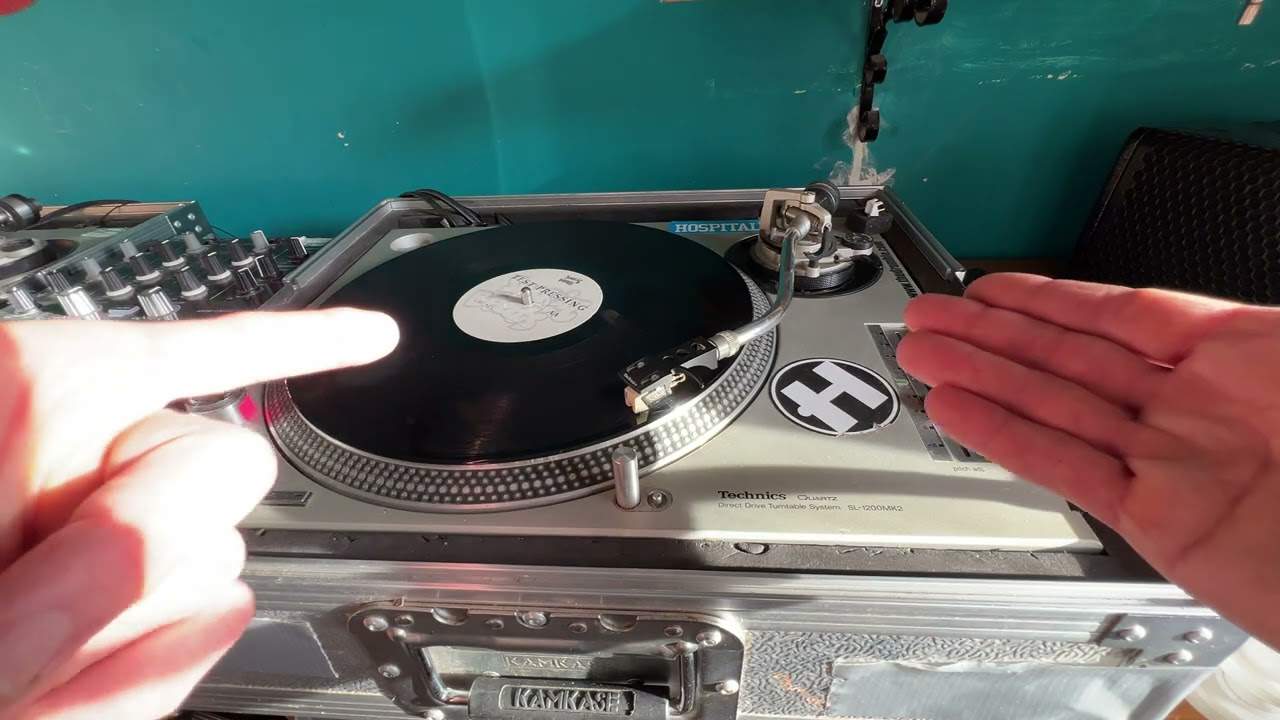
Right, ladies and gentlemen, I'm going to call this a DMB short. On the right we have Los Angeles by Neveler, and then on the left-hand side over here we have, if I go to it, hold on, it's down here somewhere,
1:09 You know, you've got that nice sort of long echo
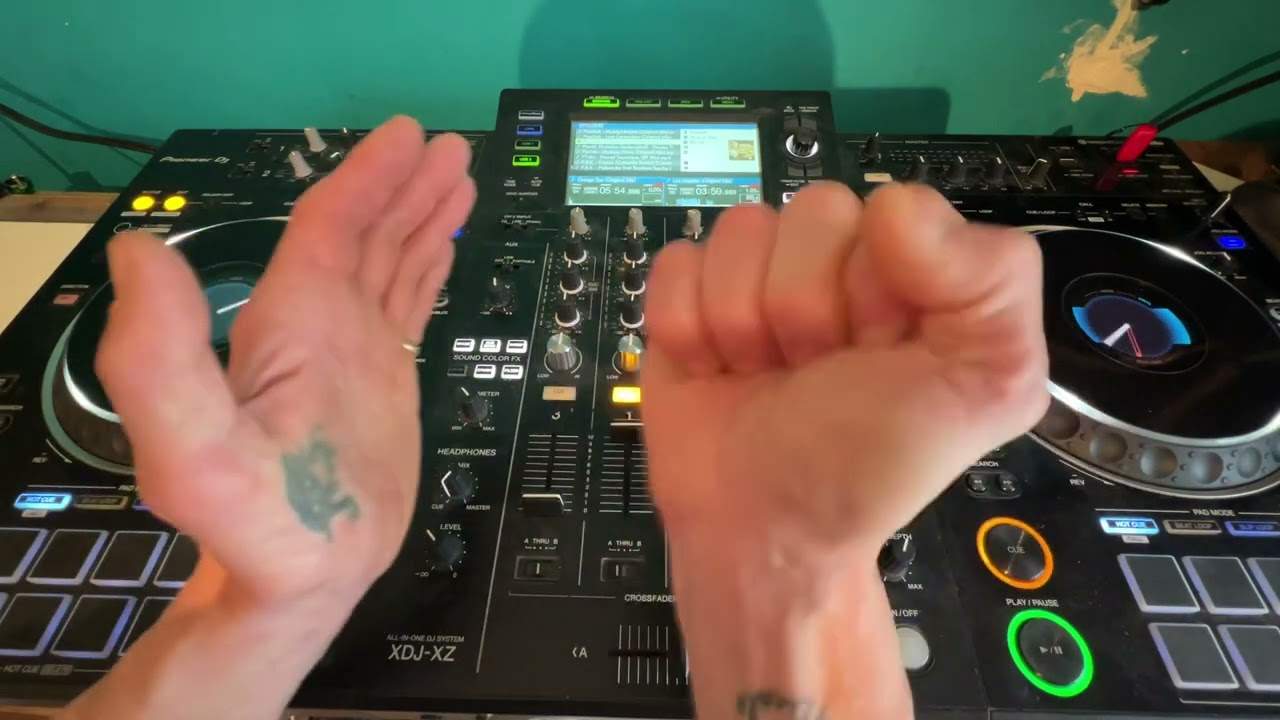
Posch Check, I think that is, it's a tracking title Orange Sun. So basically what I'm going to do here, if we put the pictures dead centre, this is going to be a mix based on just vibe and energy and feel. It's not a smooth kind of beatmatching transition. So give you a demo first and then explain what was going on. Just need to get to the break. Okay, got the break on. There we go. Okay, so what was going on? Right, first of all, I didn't think about making sure that the next track was in on the drop. The whole idea of a transition like this is to form some kind of, you know, eerie transition where you're using just the vibe, the pure vibe of two tracks. Now what I did with, turn that off, the Los Angeles, I added some effects and one of the key effects there was the echo. So, you know, you've got that nice sort of long echo. Now I wasn't, or I didn't intentionally wait for a certain beat to hit and then bring the next one in. So it was bang on time. The whole idea of
A transition like this is just to make it a little bit like off centre. You know, you've got a square hole and you've got like a round bung and you're trying to put that round bung in the square hole. It may not fit, but sometimes it's nice to just be, think outside the box, do something completely different. So again, I waited. Turn that off for the break. Where's the break on? Let's go to this break. Here, yeah.
2:53 Drum pattern, practice enjoy, builds builds
Okay. Small break there, but quite often a good idea when you're doing a transition like this is to wait for part or part of the break where there is no form of drum pattern. It's almost like a melody and you do get a lot of that with D&B because what you find with breaks to begin with, when you get the break in D&B, it seems to just fall off a cliff and there's practically nothing except maybe some kind of melodic riff and then halfway through you start to get some hi-hat and some snare and then it builds and builds and builds bang into the drop. And again, with D&B, what you find is that it's formatted into phrases of 16 bars, 16 change, 16 change, 16 and so on. So we can just find that break. Yeah, maybe just here. I could do it here, even though there's some kind of drum pattern in the back. So long as it's not a full on drum pattern, you'll get away with it.
So let's try a bit of filter. Not quick enough. Okay, let me know what you think in a comment. Do you do something like this? Thanks for watching. Don't forget, this isn't exactly how you do it. Make it your own practice and enjoy. Just play a little bit more of this. Practice and enjoy. Thank you.
This transcript was produced automatically from the audio of the video and may contain mistakes.