 6:21
Harmonic mixing , lesson 6, A pitch point of view.
Contents of the video
0:00 Very quickly, let's say for example the pitch control is dead centre
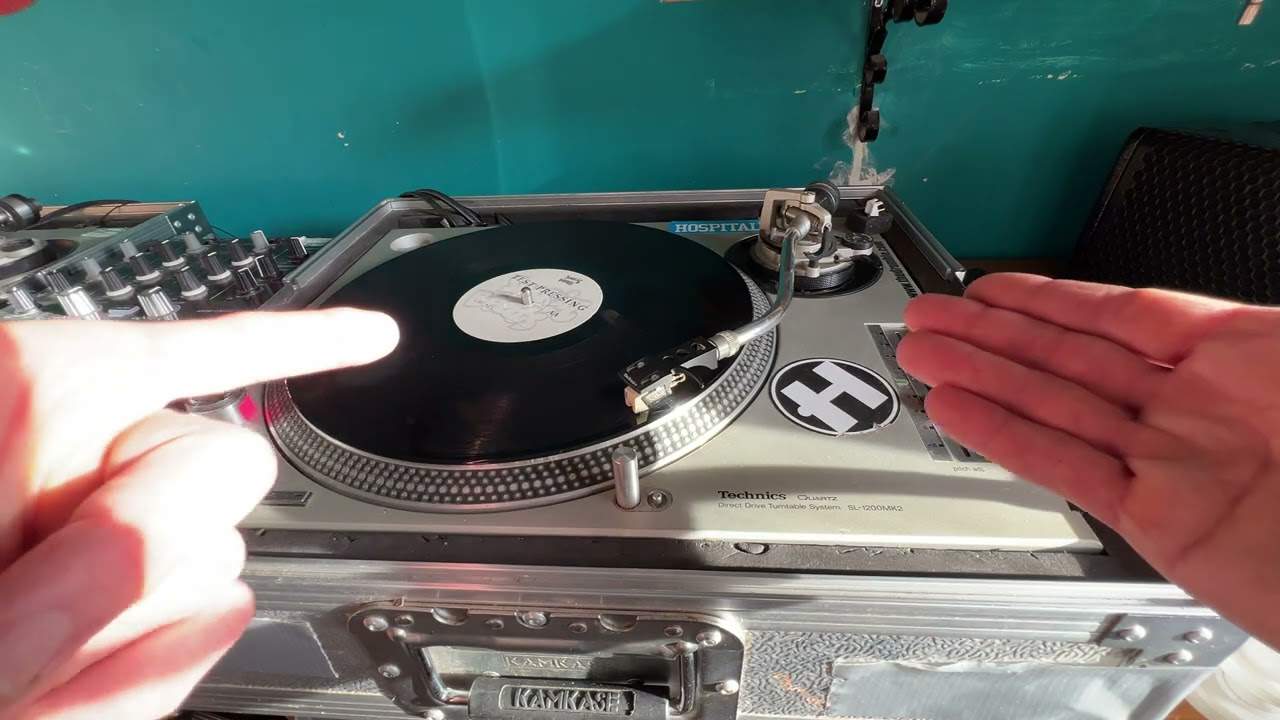
Alright folks, Jonathan here. This video is all about harmonic mixing and we're going to relate that to the pitch control here. Very quickly, let's say for example the pitch control is dead centre. In other words you can just about see that light flashing there. So in other words if this particular piece of plastic here is a 33 and a third RPM, in other words you have to play it at 33 and a third RPM, that means that it will move around This particular turntable, 33 and a third revolutions in one minute. If we then start to decrease like so, it will go from 33 and a third to maybe 30, 29, 28, 27, 26, 25. That's one thing that will happen. The other thing that will happen is the beat will start to slow down. Boom, boom, boom, boom, like so. If we move the pitch to the plus position...
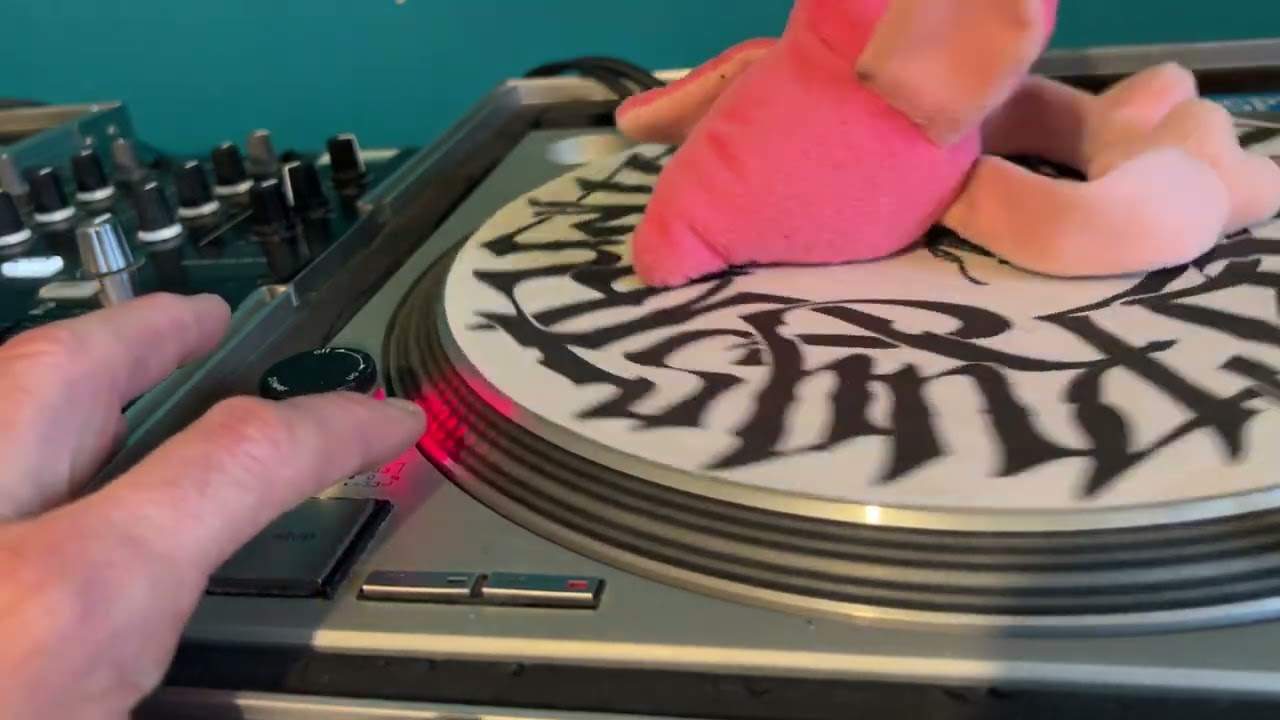
What will happen is it will go from 33 and a third to 34, 35, 36, 37, 38, etc. And also the beat will speed up like so. Now exactly the same thing applies with 45 RPM, 45 revolutions per minute, etc. Ok, I hope you get the general gist of the idea. But two major facets are happening when we slow the pitch down and we speed the pitch up. The first one is of course the beat will slow down, the beat will speed up. The second one which is what this video is all about and that is the phone's going. That's funny the phone stopped. The other thing that will happen is the actual tone. Why does the phone... I've got two phones through there and one's going ring ring ring then the one in the kitchen stop it was ringing and then it's stopping. Oh never mind anyway ignore it. Okay it's probably something really important.
2:21 Listen, forget the beat, just listen to the sound
No mind. Right, back to the video. The other thing that will happen is the actual tone and the key of the music will increase and decrease when, let's say for example we have the pitch there and we have a like that. As we move the pitch down it'll go as we move the pitch up it'll go like that. So if you've got a certain tone, a certain key, it's going to decrease or increase. Now I'm going to play this piece of music and we'll have a listen and I'll show you exactly what I mean. Now listen, forget the beat, just listen to the sound. OK, now what we're going to do, we're going to put this sort of into practice. Now let's say for example we have a piece of plastic on here and it's turning quite happily and we'll just do that and we'll do that. And let's say we've got the pitch set at that particular point there. Now let's say we've got the pitch set here. Let's say they sound fantastic together, they're in key, but...
They're out of beat. They're not beatmatched. Now, let's say again we have to increase this pitch up to here all the way up to here to beatmatch them. And the camera's moving by itself. Now, all of a sudden they're perfectly beatmatched. But what's happened now is that they're now out of key. Now this is a fact. What will happen is if you're moving, you have to move the pitch too much to get them into beat, there's a good possibility they will go out of key. That's a very important factor. So now what we've got, we've got them in beat and they're working fantastic, the beats are going together. But all of a sudden they don't sound right. Now this is a problem a lot of DJs face. Now there's a rule of thumb, quote me if I'm right, quote me if I'm wrong.
4:23 There's a general rule of thumb
If I take the actual lens cap off now, so we can, not the lens cap, it's just the fisheye thingy do-free, whatever you want to call it. Right, if I just go a bit closer. Now, let's say for example, and again this does, very important, it depends on if you're working. You see if I move out here, now, here we've got 10, 20 and 50. In other words, we can either have this pitch control here to plus or minus 10. Plus or minus 20, plus or minus 50. So of course if you're on plus or minus 50, which you wouldn't be doing if you want to do some decent beatmatching, you're going to only have to be moving that pitch control very tiny amounts. So ideally, plus or minus 10, even plus or minus 8, it gives you a better scope and more manoeuvrability with the pitch control. So there's a general rule of thumb. If let's say you're on plus or minus 8, plus or minus 10,
If you have to start moving the pitch from this point when they're key locked and there's a good sound together, if you have to start moving the pitch all the way down here or all the way up here to get them in beat then it's going to be out of key and it's going to sound atrocious. But there's a general rule of thumb and that is if you're only going to have to move the pitch a tiny amount then that's fine. When you start having to move the pitch a great distance Then they won't sound well together. Now a lot of people do ask me and they say, you know, I've got two tracks, one's at 140 BPM and the other one is at 110 BPM and I would love to get them beatmatched, I'd love to mix them. Well the truth of the matter is you might find it very difficult to do that because the actual BPM is too far away from each other, they're too far away.
If you're only moving the pitch a tiny amount, that's fine. If you're going to start to have to move the pitch a great deal, then yes, you may get it in beat, but you may start to lose the key, the tone, the feel of the track. That's very, very important. I hope this has been a help. And by the way, this particular track here is Lisa Moorish, I'm Your Man, and it's the Green Velvet mix. And I'm going to do one serious mash-up very shortly. Practice and enjoy.
This transcript was produced automatically from the audio of the video and may contain mistakes.