 6:18
Mix a toon at +8 in with one at -8 , a good idea??
Contents of the video
0:00 What they're asking me is can you do this?
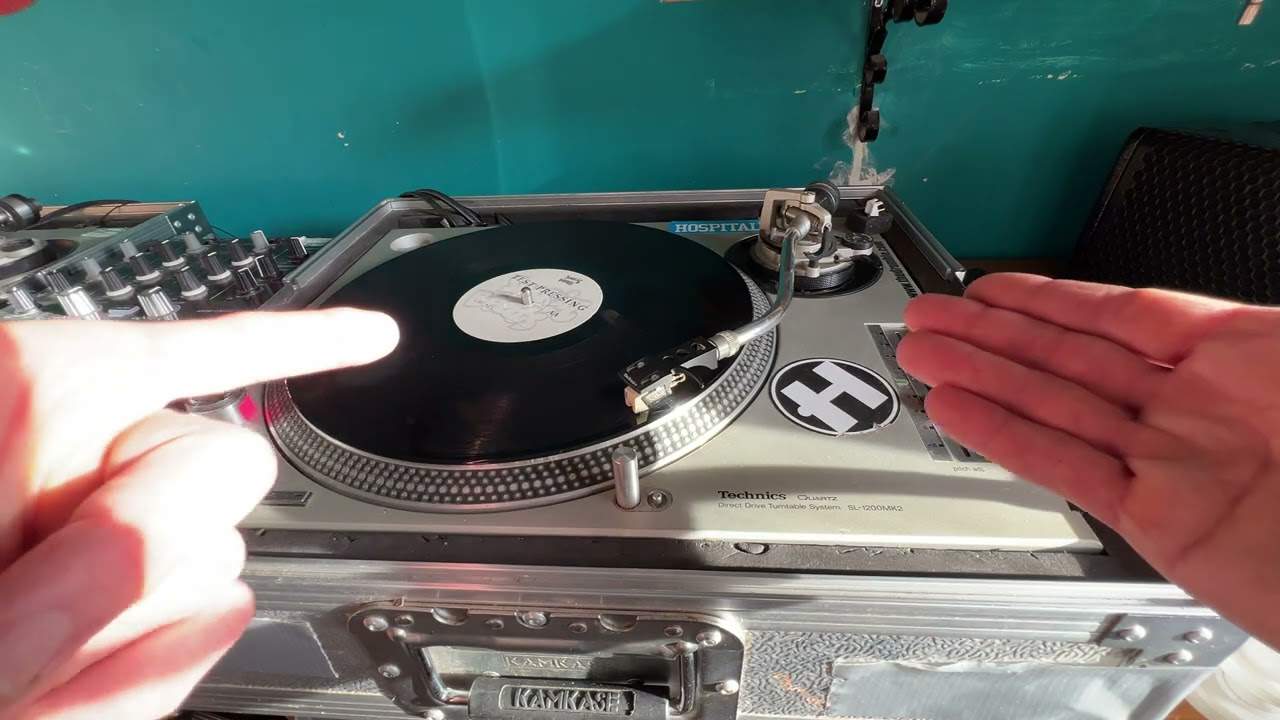
Alright folks, I've had a couple of emails from two separate people on the same subject and that is this, right? What they're saying is they've got some songs that work well together, they mix well together should I say, but the thing is, is one of them could be say at minus 8 and the other one is at plus 8 for them to beatmatch. Now then what they're asking me is can you do this? Can you get away with it? Is it okay to have such a wide gap? In between two songs, when you want to try and beatmatch them or when they're beatmatched. Now then, the answer to that is yes and no, alright? It's a bit bizarre but I'll explain it and I'm sure you'll understand. Leave comments by all means. Right, now in my book it's a no when you're dealing, or it's a no most of the time, when you're dealing with vocals. Again, use your ears, alright? Now then, what I'm going to do, I've got some tracks here to give you a demonstration. One of them, with vocals first of all,
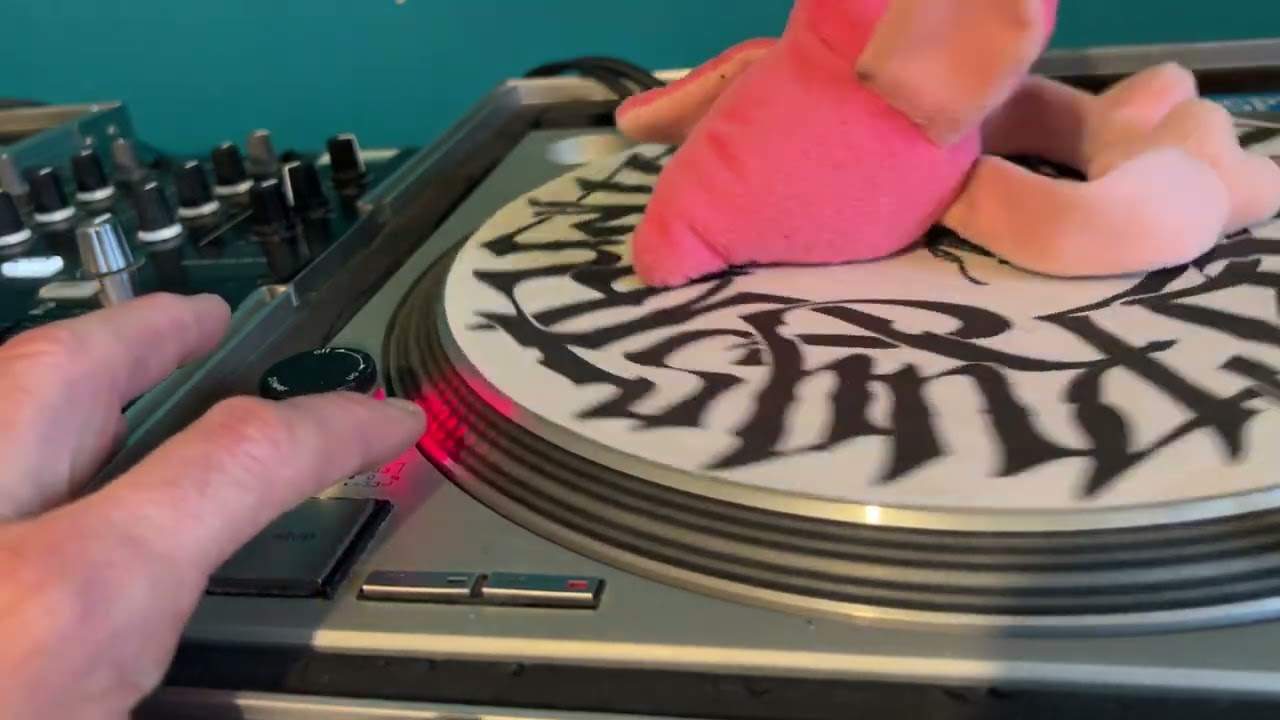
Is Stardust the music sounds better with you? I'm first going to play it at its correct speed. Have a listen, here we go. Right, now I'm going to reduce it to minus 10. Now, if I was dancing on a dance floor and I heard the DJ have that all the way down to minus 10, I'd find that a bit of a problem. It would be too much. It would sound awful. Now we're going to increase it to plus 10. Now then... That doesn't sound so bad. Again, it's very contradictory because if we go back to old school disco and salsa and stuff like that from the 70s, 80s and early 90s, if you did increase and decrease the speed of a lot of vocal music, it would sound exceedingly dodgy. But a lot of modern day music, it doesn't matter so much. But you've got to use your ears. If it sounds off, if it doesn't sound right, then I would say don't do it.
2:10 Oh sorry, if you listen to the mix first of all
Especially where vocals is concerned, because when you start messing around with someone who's sung at a constant like that and they start... You know, sometimes they've just woken up and had four bottles of vodka the night before. It doesn't sound very good. If you listen to a lot of actual dance mixes and you listen to each individual song, if you... Oh sorry, if you listen to the mix first of all... But then if you were able, let's say, to listen to each individual song and count the beats per minute of each individual song before it was mixed, there would be only slight variations. Like, originally when house music was out, it was around about 120 BPM, that's 120 beats per minute. In other words, if you counted 60 seconds and you counted, or you used a stopwatch and you listened and you counted bang, two, three, four, the beats...
You would get 120 beats in one minute. But what we're finding now is things are speeding up a little bit. You know, the normal run-of-the-mill club music is around about sort of 130, 128. It's gone that little bit faster, OK? So where the vocals is concerned, it doesn't matter so much. It's about using your ears. Now then, where in my book it doesn't matter at all is the likes of, say, techno and trance, etc. The reason being is there's no vocals, or there's very, very few vocals. All you've got is a melody and a beat and like a bassline. Now I'll prove it to you. I will play this track and I'll post all of the names of these songs next to the video. I'm going to play this track at its normal speed first. Take a listen. Here we go. Now I'm going to decrease it to minus 10. Now I'm going to increase it to plus 10.
4:11 We're going to have it at normal speed first
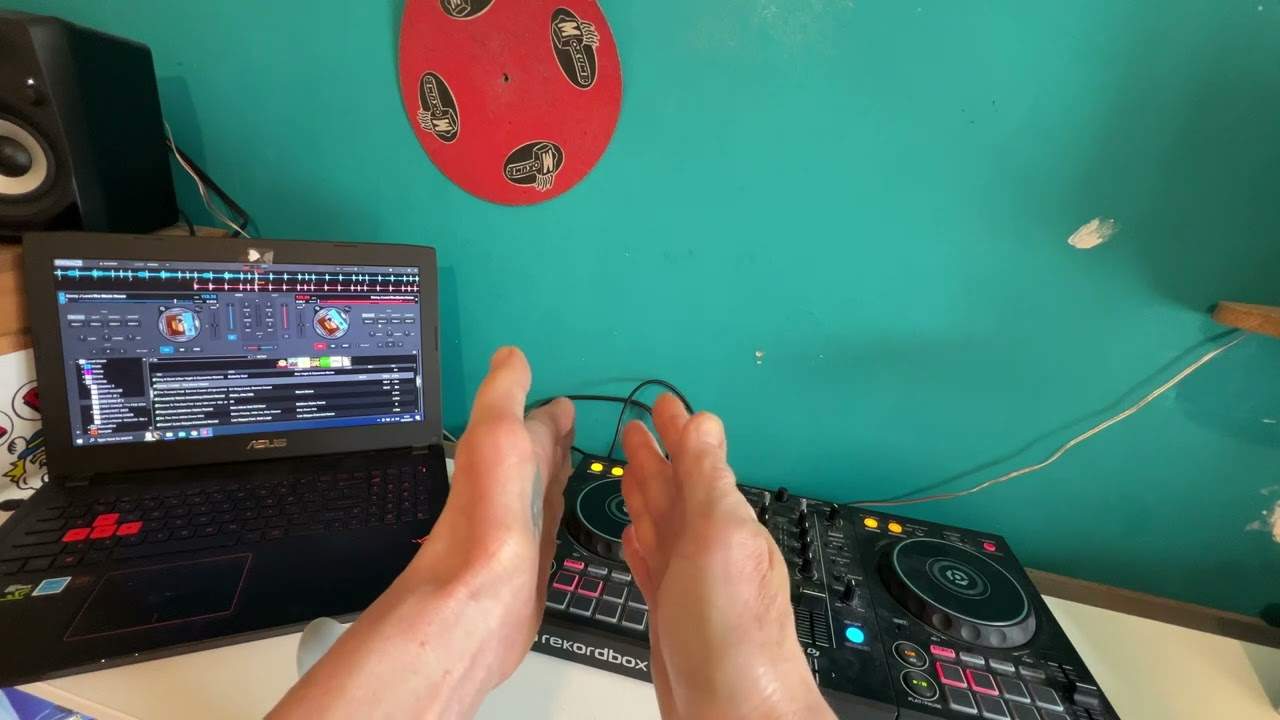
Okay, same with this one, alright? We're going to have it at normal speed first. Now, minus 10. Now, plus 10. In other words, what I'm saying is you can get away with this sort of stuff, it doesn't really matter so much, but when you're dealing with vocals, you've got to listen to the vocals, you've got to actually listen to the sound of the music. That's what it's in a... Not sort of high on the hill with a lowly goat herd and that sort of stuff. We're on about this, sir. Do beg your pardon. I'm digressing. Apologise. Thank you. Right, OK. So, vocals. That is very important, OK? With regards techno... Techno and trance and stuff like that. It doesn't matter so much. You know, you can wang it up and wang it down. I mean, these particular turntables will go very fast or very slow. So we'll check this one out. This is DJ Dan, I think, and Needle Damage. Now listen, I'm going to increase the speed dramatically. Have a listen. That, to me, you can get away with that. An experiment. Let's take that one off and let's put Stardust Music Sounds Better With You on at exactly the same speed. I mean, he does sound like someone...
Who's just had a whole bunch of hot air from a balloon, doesn't he? What's it? Well, that gas. It's helium, helium. That's right. So there you go, alright? Principle basically as follows, alright? Stay clear. Just be wary where vocals is concerned. But anything without vocals, melody, bassline and beat, then it doesn't matter so much. I know I waffle, but I'm trying to explain it as best as I can. Thank you for watching. Practice and enjoy.
This transcript was produced automatically from the audio of the video and may contain mistakes.