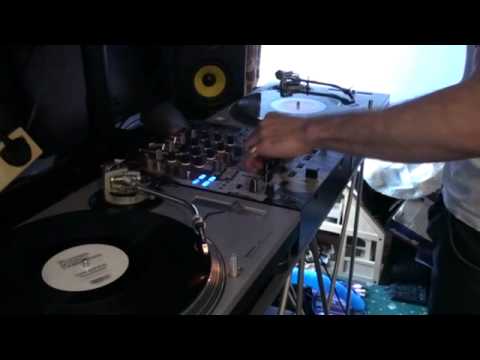
 8:06
Another way to count drum and bass
On YouTube this video is called Mixing Drum and Bass. Excercise on a new way of helping you to count.
What this lesson teaches
A drill with a specific purpose, and the instruction at the centre of it is the single most useful thing anyone can tell you about drum and bass.
Count the snare
His words: concentrate on the snare, the cha rather than the bum.
In drum and bass the bass kick sits on one and three, and the snare lands on two and four. So the pattern is bass, snare, bass, snare - and the snare is the one to count.
The reason is reliability. The kick pattern moves around constantly; producers displace it, double it, drop it out. The snare on two and four is comparatively fixed, because it is what holds the whole thing together.
So in house you count the kick, and in drum and bass you count the snare. Once somebody tells you that, the music stops being chaos.
The exercise
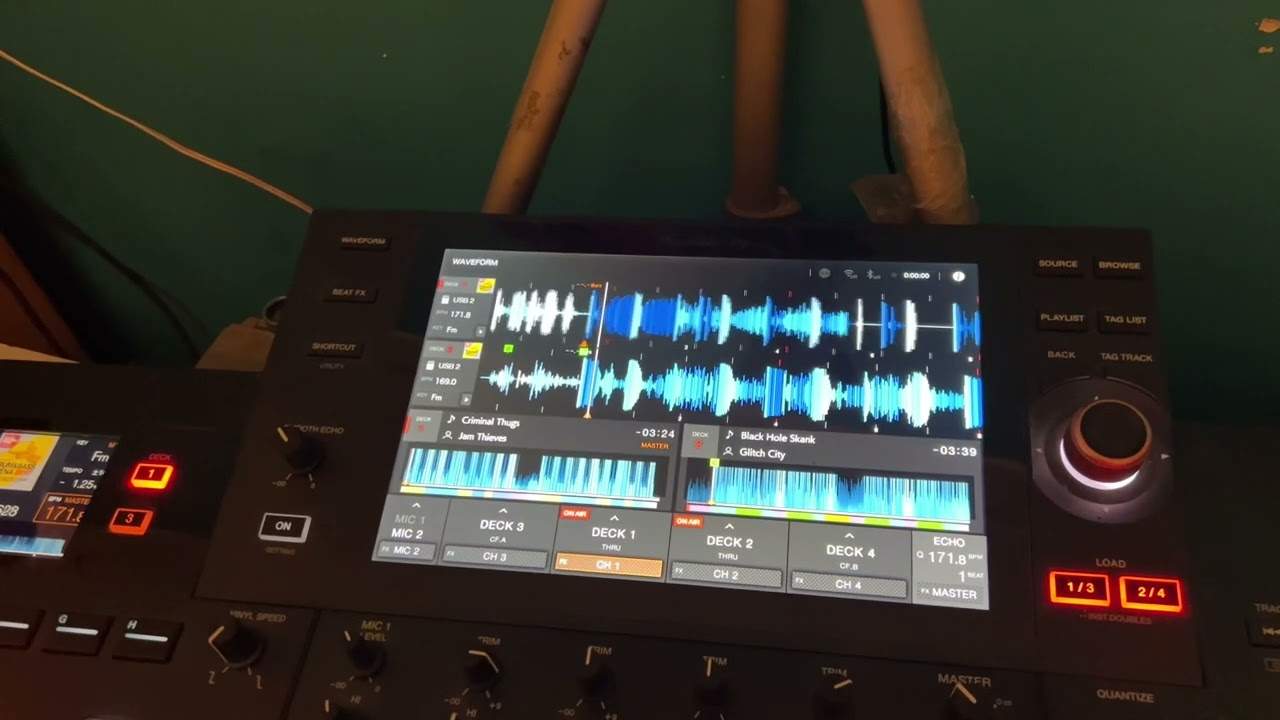
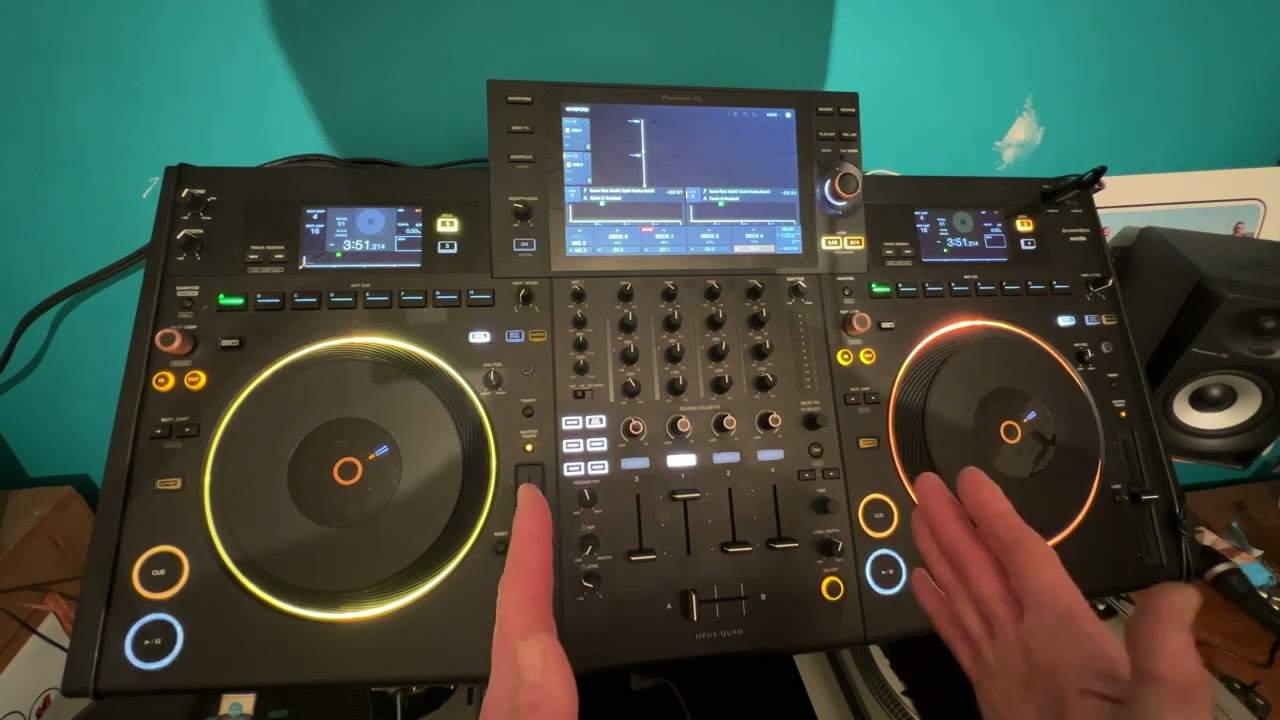
Beatmatch two tracks, then bring the second one in on the offbeat - deliberately, so that its bass kick lands on the first track's snare.
What you get is a double snare and a pattern that is wrong in an interesting way.
Why do something wrong on purpose
Three reasons, and he gives all of them.
It teaches you to tell the two sounds apart. When the bass and the snare are stacked in the wrong order, the difference between them becomes unmissable. You cannot un-hear it afterwards.
It teaches you how the beat is assembled. Hearing the pattern inverted shows you what the pattern was, in the way that removing an EQ band shows you what the band contained.
It is occasionally worth using. An offbeat drop with a double snare is a real effect, and drum and bass DJs do it on purpose.
The general principle
This is the second exercise in the curriculum built on deliberately getting something wrong - the first being the one where he exaggerates an echo so you know what off beat sounds like.
It is a good instinct. Most practice teaches you to recognise success, which leaves you unable to diagnose failure. Doing it wrong on purpose, while you are calm and nobody is listening, means that when it happens by accident you know immediately what you are hearing.
Contents of the video
0:00 I work, I eat, and I get to do demos and tutorials as well

Alright guys, now people always ask me, how do I manage to do all this stuff during the day? Well, I just do. I work, I eat, and I get to do demos and tutorials as well. So in this one, no exception really. Now a lot of people say it's really difficult to count drum and bass. It sort of is and isn't really. It depends if you're easy tuned to it. But now, using this sort of technique, it's not only good, sorry, it's not only good, it's... It's a good way of learning how to count drum and bass, and also it's quite good occasionally to bung into the mix. What we're going to do is go on the offbeat now. First of all, I'm going to just bung the camera there. There you go, I've done that, so I'm going to put the camera there now. See if you get my humour, eventually you'll get it. There's absolutely no logic to it whatsoever. Right, OK, so what I'm going to do, I'm going to play you... Just bang me around there. Right, that's our tune.
And that's that one over there. The reason you can't hear anything is because he's not on. Right, stop that one. Now let's get the beginning of this one. Now first of all, what you need to do is make sure they're beatmatched. No, I've got the headphones in. Right, never mind. Right, I'll just do that. Hold on. Let's get them matched up. Right, what I'm going to do, I'm going to actually bring this one in here on the offbeat. So in other words you've got... Of course with counting drum and bass, ideally what you need to do is concentrate on the snare, which is the cha as opposed to the bum. So you're counting on the 2 and the 4. In other words, the bass kick is the 1, Two, bass kick is the three and the snare is the four. One, two, three, four. One, two, three, four. Bass, snare, bass, snare, like that. What I'm going to do is bring this guy in on the bass beat. So not only then are we having an offbeat, we're also having a double snare and this is where you can A, have a bit of fun while you're mixing the drum and bass.
2:49 I'm going to use the crossfade so you can hear what's going on
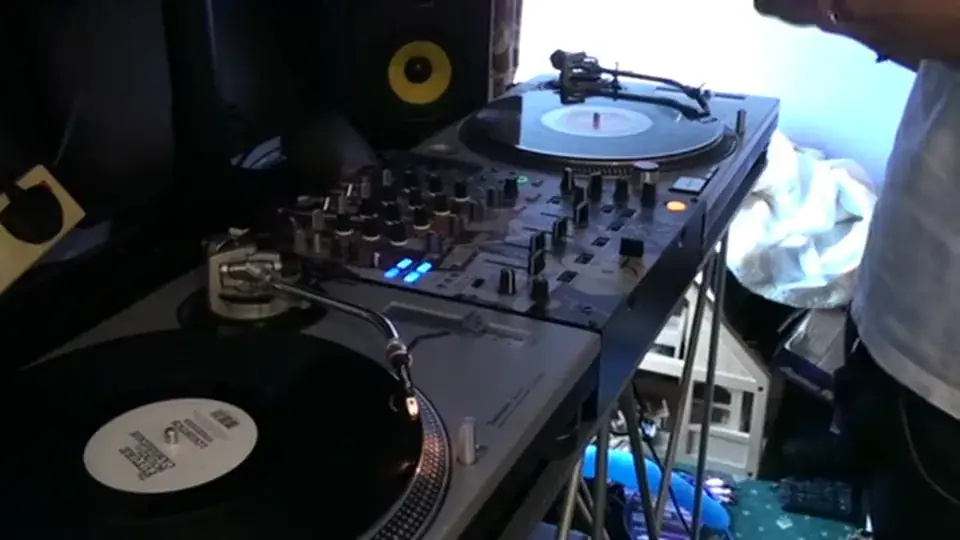
And then B, it's a good way of learning how to count drum and bass, more importantly, how to define between the bass and the snare, and also how to congeal the whole thing together. In other words, what you'll find by practising something like this, it makes you understand the whole philosophy of how the beat actually works. So if I just put that one over there. Now what I'm going to do is get this one ready. I'm going to use the crossfade so you can hear what's going on. So, swang this forward a bit. I'll count as well. From that first beat... By the way, the track you're listening to is The Future Sound of Cambridge. Haha, I like it. Logistics tracking title together, I believe. So, 1-2-3-4, 1-2-3-4, 1-2-3-4, 1-2-3-4, 1-2-3-4,
5:53 The thing is when you're mixing on the 1-2-3-4, 1-2-3-4, to begin with

Now, normally you'd bring it in like this, like that. What I'm going to do is I'm going to bring it in on the offbeat. So in other words, instead of bringing this on the count of one, I'm going to bring this on the count of two. Let's have a listen. Find it? You know what? It's really difficult when you're so used to bringing it in on one. This is why it's difficult, but it's good fun. Now listen. Now logically, it's going to sound slightly... Right, there you are. Right, now logically it's going to sound different depending on which particular tracks you find or you play or you use. But the whole emphasis here is to try and get your ears alright. The thing is when you're mixing on the 1-2-3-4, 1-2-3-4, to begin with...
You will possibly... Let's say, right, start again. All of a sudden, you decide you want to become a DJ and you're thinking, how do I count? Well, of course, it's 1-2-3-4, 1-2-3-4. Quite often people find it really difficult to start counting 1-2-3-4, 1-2-3-4. Eventually when you get to counting 1-2-3-4, 1-2-3-4, and you're counting 1-2-3-4, 1-2-3-4, 1-2-3-4, 1-2-3-4... There comes a point and a stage at which you don't even have to count. It's automatic. You can feel a change in the music, the break, the feel. You can sense something's coming or you, you know, when I say you sense... Ow! Not like that. More like it's coming because of the timing, the bars, the phrases. But what you do find once you reach that point, it's almost, it's not impossible but it's very difficult to start chucking things...
Thanks for watching, and I'll see you soon. See you next time! Vamooshed. Phone. Right, phone's going. Don't forget. Practice and enjoy.
This transcript was produced automatically from the audio of the video and may contain mistakes.