 7:46
Simple DJ Beat Matching Practise for the Vinyl or CDJ DJ
Contents of the video
0:00 Here is a really interesting but great way of learning how to beatmatc
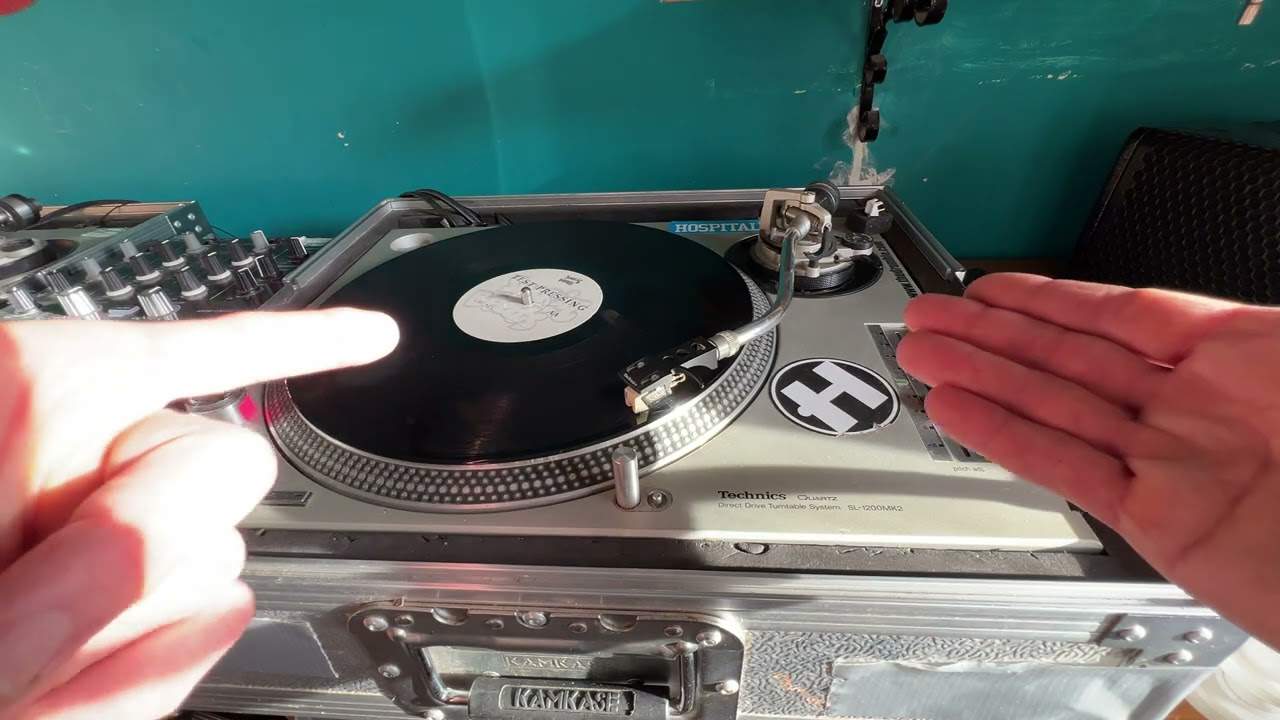
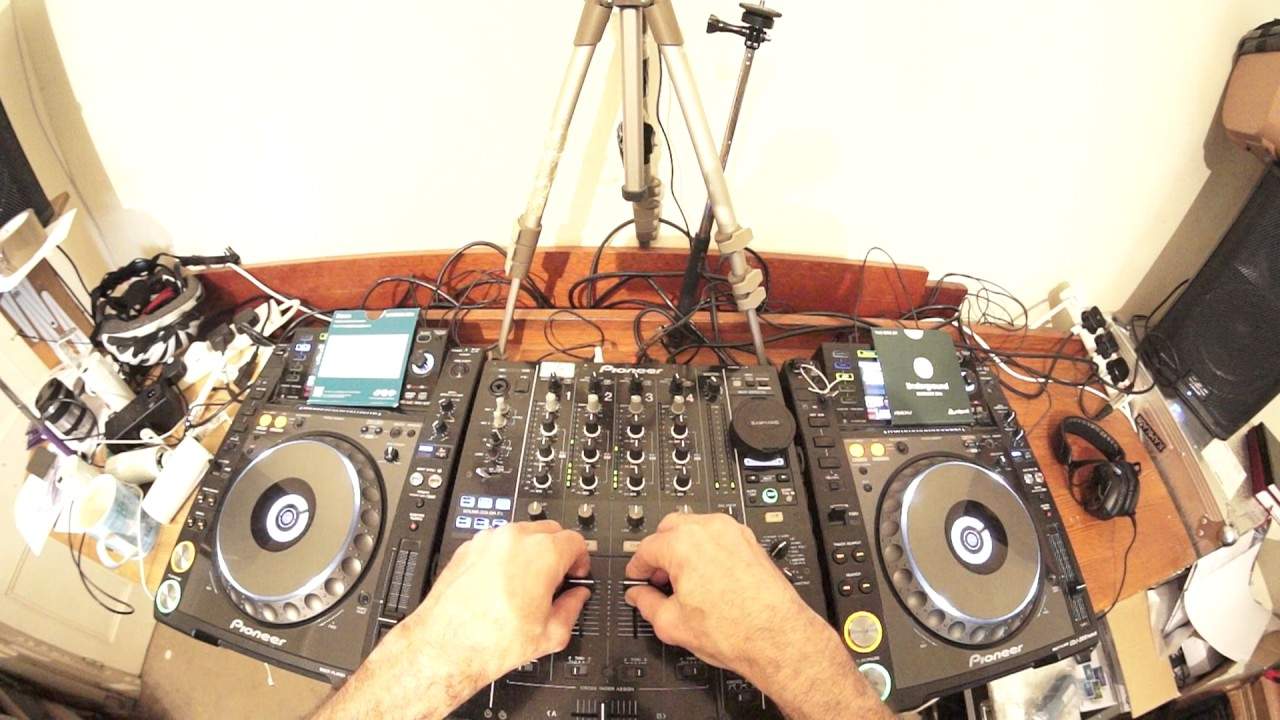
Right guys, here is a really interesting but great way of learning how to beatmatch. Now there are many ways, this is one of them. First of all the track I'm using is KPR-178 from Karmic Power Records. It's a track entitled Filter, the original mix by Alex Alleman. Now what I've done, I have, and very quickly as well, I'm pretty sure that this sort of practice can only be done with CDJs or vinyl because you will need to be able to take one of the RCAs out of each player. So I'm going to explain in great detail. The right hand deck, I have taken out the left hand RCA from the mixer. So when I play a track on the right hand deck, we will only hear the sound through the right speaker. I've done the opposite with the left hand deck. I have taken, unplugged the RCA from the back of the mixer, I've taken out the right RCA from the left hand deck.
Now if you're not sure which one, all you do is put the volume up, not too high, you don't want to destroy your ears. And under that, I'm going to take out the RCA. And unplug one of the RCAs. So again, left hand deck, you want to make sure that you only hear the sound from the left hand speaker. Right hand deck, only sound from right hand speaker. Now this sort of practice is in a couple of levels. The first one is when you have, of course you've got to have the same track, but you make sure that the same track is exactly at the same speed. And the easiest way of doing that is if you're using vinyl. Click it into the centre point. Alternatively, just make sure the readout is 0.00 so they're exactly the same speed.
Now there is logic behind this madness as well. I'm going to press play on both of them. So that is coming through the left hand speaker only. That on the right hand side is coming through the right hand speaker only. Put them both together. What I'm going to do now is I'm going to move the jog wheel on the right hand side clockwise. So I'm going to speed this one up a little bit. So we should get some sort of an echo. We have. Now I need to get the sound back in the centre again. I'm not going to get any phasing because we don't have two sounds overlapping. We only have one sound and one sound from each deck. So really, we're just getting a stereo sound. Now of course that's going too fast. So the jog wheel has to go anti-clockwise.
2:45 I'm pushing it towards the left
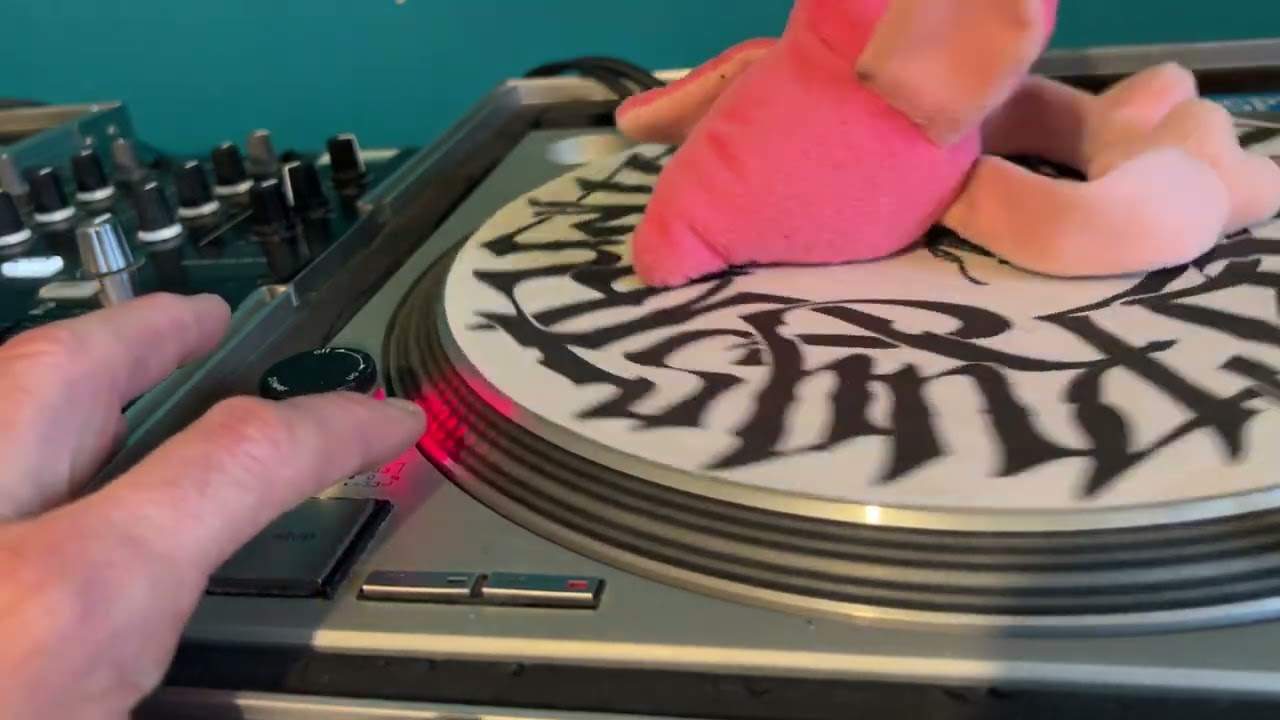
So what's happening if you think about it. If you imagine me moving it anti-clockwise and pushing it towards the left hand side, I will get rid of that echo. So I'm pushing it towards the left. Echo gone. Now let's move it more towards the other side. Left hand side. Now I've got the echo again. To the right. Echo gone. Right. Let's take it to the next level. What I'm going to do now is. I'm going to cover the two screens so I cannot see the BPM. I'm going to press tempo reset on these turntables. And I'm now going to mess around with the pitches as you can see. I'm moving them all shapes and directions. And I'm going to put them sort of about there. So I've moved them towards me around about a centimetre and a half.
But, alright. It's possible they could still be the same BPM. But I would say it's more likely that they are going to be the same. I'm going to cover the screen on the mixer as well. So I cannot see any form of BPM. And let's try that again. And let's see if we can get that sound moving from right to left until eventually it ends up in the centre. Here we go. And I'm going to use the right hand deck. I'm going to use the platter for moving the pitch to begin with. To see what happens. To see what I need to do. Oh sorry, the actual platter. Move it clockwise and anti-clockwise. To see what I need to do if I need to for example move the actual pitch towards me. To speed the right hand deck up. Or away from me to slow it down.
5:02 Even down to the movements on the platter
Okay so press play on both of them. I feel as though it's got an echo that side. Think about it as well. Even down to the movements on the platter. For example. I'm only having to move it a little bit. To keep it in beat. Now that straight away tells me that we're not far off. If I was having to make big adjustments. That would tell me it is a great deal off. Okay, anti-clockwise movements on the right hand deck tells me that this one is slightly too fast. So I'm going to move the pitch down a bit. You can hear it going over there. Anti-clockwise. Slow it down a bit. I'm going to go to the right. More sort of over to the left now. The sound does seem to be greater over there. Now it's moving. I can feel it moving.
Bring that down a little bit.
Right, let's give it a go. Let's take the camera off. Hopefully you can see that. Let me just move that. Okay, that says 129.2. Okay, 129.1. Alright, we're not far off. We're not far. Oh there you go. It has gone to 129.2. Can you believe it? Alright, there you go. Give that a go. And I'll finish up with practice and enjoy.
This transcript was produced automatically from the audio of the video and may contain mistakes.