 7:39
The structure of house and garage
On YouTube this video is called Structure of house (garage)
What this lesson teaches
The structure lesson applied to the genre most likely to be playing.
House against the machines
His comparison is useful. Techno and trance are highly formatted and there is comparatively little going on - the arrangement is mostly rhythm and texture.
House has more in it: female and male vocals, sampled instruments, more variety inside the same four-to-the-floor frame. Which makes it richer to listen to and slightly harder to count, because there is more happening to distract you from the kick.
Counting a real one
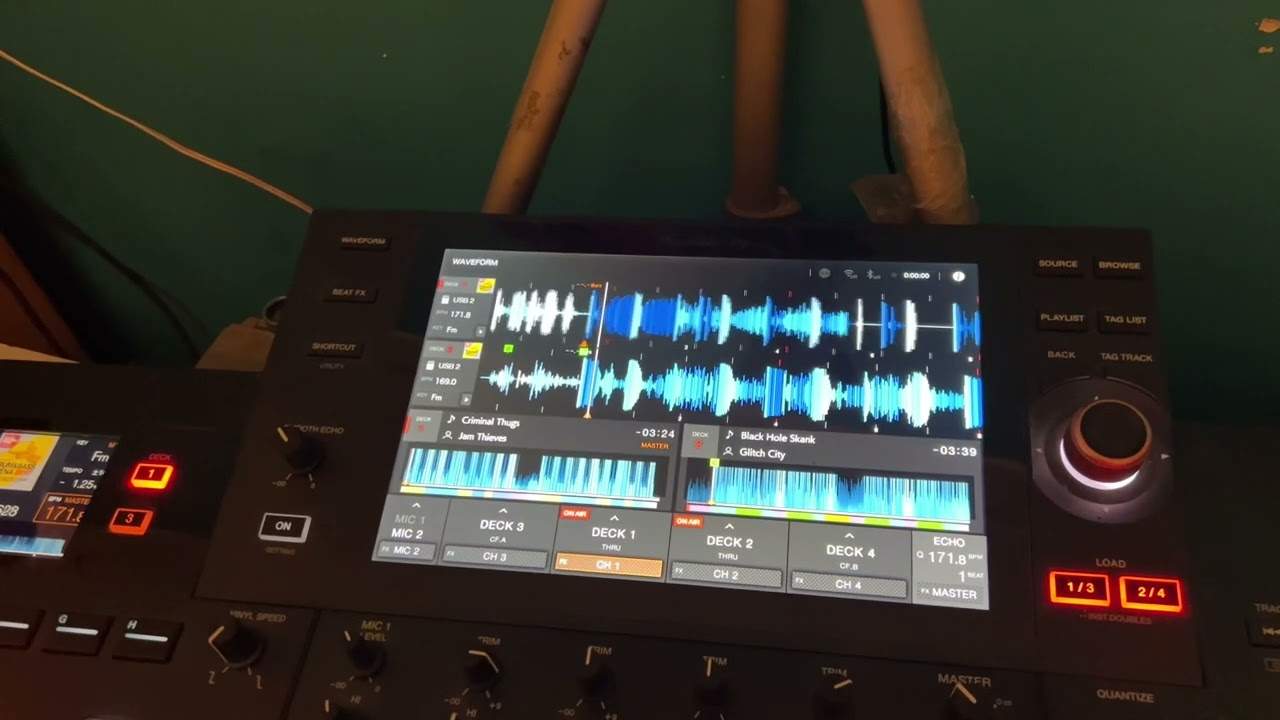
He counts a house record out loud and reports what he finds: a change after one bar, then two bars that are similar, then another change on the fourth. Then he counts the break - two bars - and the bassline arrives.
The point is not those particular numbers. It is that there were numbers, and that they were small and even, and that having counted once he now knows the shape of the record.
The mix plan
And here is the payoff, stated plainly:
You know where the bassline comes in on the incoming record. So bring that record in five or six bars before the moment you want to let the old one go, and then drop the outgoing track out exactly as the new bassline starts.
The effect is that the room never hears two basslines, and the handover happens on a musical event rather than at an arbitrary moment. He describes it as the kind of formatted mix the big names put on compilation CDs, and notes there is no reason you cannot do the same - because there is not.
Sub-genres, and an honest shrug
Hard house, minimal, funky house, soulful house, and garage - which he describes as similar to house and argues about with himself, since the boundary is genuinely contested.
His two favourites and why: soulful house does what it says, full of uplifting vocals; funky house chugs along on a bassline that makes you move.
What the mixes on a release are
A detail worth catching if you are new to buying dance music. One record carries several versions - here a sax mix, a tribal fusion mix, an original vocal, and a vocal dub.
"Dub" means they have taken fragments of the vocal and dropped them into the instrumental rather than using the whole performance. Dubs are often the most mixable version on a release precisely because there is less in them to clash with.
Contents of the video
0:00 Structure of house music
Alright folks, what we're going to do now is we're going to look at the structure of house music. House music is possibly one of the most played types of music today. It's very big in nightclubs and there are different types of genres of house music as well. You haven't just got house, you've got hard house, you've got very minimalistic house, you've got funky house. Soulful House and then you've got Garage. Garage is similar to house music but a little bit slower, more soul orientated etc. In fact some people would say some garage tracks are house, some people would say some house tracks are garage. This is where we get into lots of arguments. But what we're going to do, we're going to look at a sort of a house track. It's one of my favourite tracks. It's on Stickman Recordings.
3:15 Let's just count the bars now, okay?
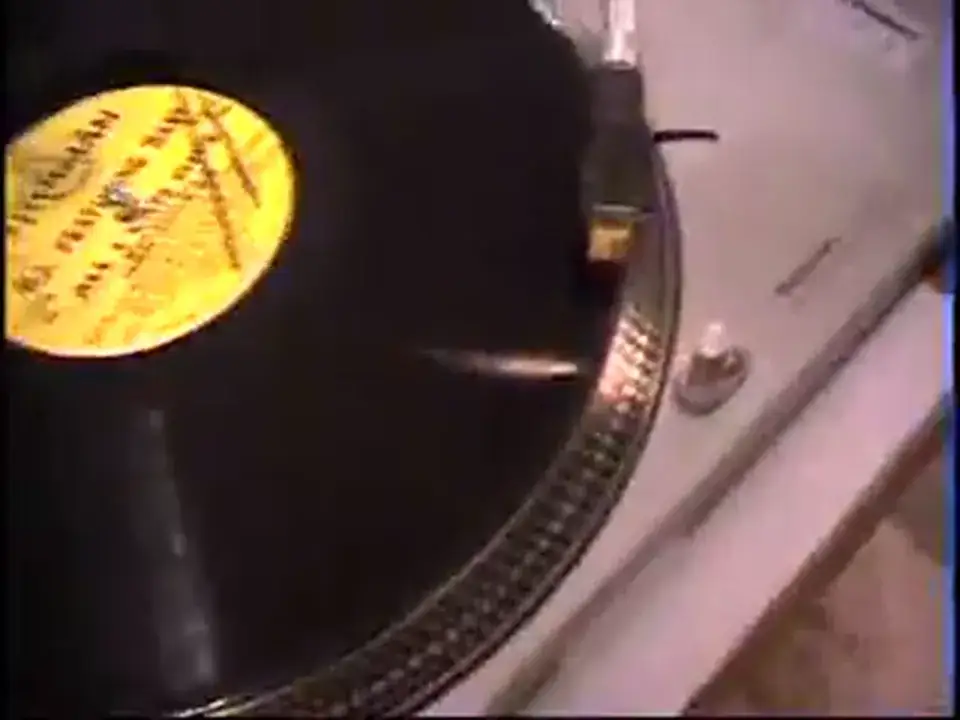
And it's PJ featuring Saxxy, and it's called All I Can Give. We're going to play the Mad Sax Mix, Saxxy Mix, beg your pardon. Now, what I want you to listen to, again, is this, when I say it's basically straightforward, you've got that banging bass line, you've got the straightforward bass kick, boom, boom, boom, boom, like so. But the thing is with house music... As opposed to techno, trance or anything like that. Techno, trance, that sort of modern day electronica music is very formatted, like with house music, but there's not much going on. With house, with garage, with funky house, there's a little bit more going on. You will have vocals, you'll have female, maybe male vocals.
5:25 We'll check out the other side
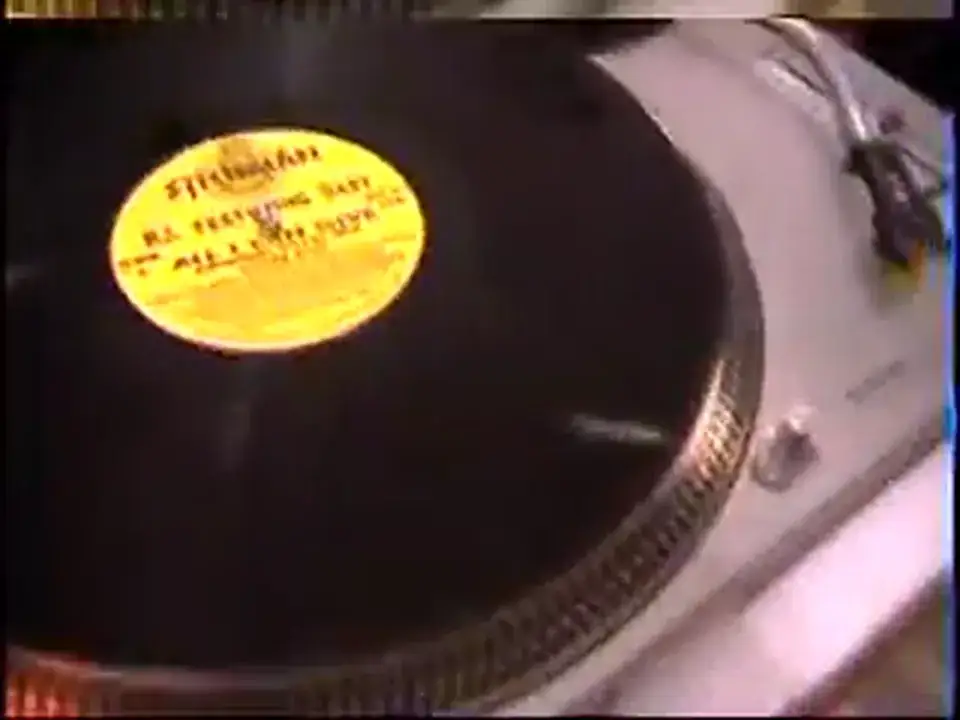
You'll have samples of instruments. It's highly unlikely you'll actually get... And we start it again. Let's just count the bars now, okay? And you'll see what I mean. It's all formatted. So we start off. Okay, we've got it there. 1, 1, 2, 3, 2, 1, 2, 3, 3, 1, 2, 3, 4, 1, 2, 3, 1, 1, 2, 3, 2, 1, 2, 3, 3, 1, 2, 3, 4, 1, 2, 3, 1, 1, 2, 3, 2, 1, 2, 3, 3, 1, 2, 3. Okay, we had a change. We had one bar and then we had two bars that were similar and on the fourth bar then we had another change. Count the breaks. One, one, two, three, two, one, three, three, one, two, three, four, one, two, three. 1, 1, 2, 3, 2, 1, 2, 3, 3, 1, 2, 3, 4, 1, 2, 3. Baseline. So two bars, baseline came in.
So again, think about it. If I wanted to mix this into a certain track, but I wanted this one to start at the baseline and drop the other one out where the baseline on this one starts, all I've got to do, I've got to count the bars, how many I've got, note where the baseline comes in,
Bring this one in, say five or six bars prior to me wanting to drop the other one out. As soon as the bass line starts, drop the other one straight out and there you go, bang. It's a formatted mix exactly like they do on these big superstar DJs do on CDs. And there's no reason at all why you can't do that. So structure of house music. Let's have a look at the other mixes. Well, slightly more simple. I was going to say more tribal and guess what? Tribal fusion mix. Okay, we'll check out the other side. Original vocal mix. And again with house music, again, you know, four or five mixes, you've got different styles to choose from but they're all, you know, near enough around the same type of song. This is the vocal dub. Quite often dub, what that means is they will take certain samples of the vocals
And just incorporate tiny segments of those vocals into certain parts of the music, or this particular mix. I'll try and find a bit. There you go, that... There, just a tiny bit. So there you go, there's the structure of house music. You could perhaps even class that as garage. Or even this is garage. Again, garage, house. Very similar. I would class that as house music, original style house music. It's from, I think it's about 1980, no, 1994, so it's quite an old track actually. But believe me, if you played that in a club full blast, people wouldn't really know if it was 1994 or 2004. So there you go, there's the structure of house music. Again, very formatted, different types of genres. One of my favourite types is soulful house and also funky house. Soulful house, again, does exactly what it says on the tin. Very soulful, full of female vocals and male vocals but very uplifting. Funky house is that sort of stuff that's really chugging along, you know, funky bass line and just makes you want to move your arse. Alright, so keep it locked and I shall speak to you soon. Bye bye.
This transcript was produced automatically from the audio of the video and may contain mistakes.