 5:16
The Master tempo function on a CDJ turntable, Why use it?
Contents of the video
0:00 What is master tempo?
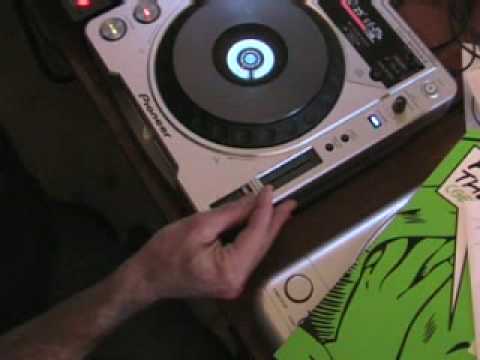
Alright folks, Jonathan here. In this video we're looking at the master tempo on this guy here which is the CDJ-800M2. Right now then, what is master tempo? What does it do? Now then, you listen to a track, you've got a beat, melody, bassline, the whole shebang haven't you? Now if you actually move the pitch control to the minus position all of it will slow down and also the tone, the feel of the track We'll go along with the actual beat. Now then, if you move the actual pitch control to the plus position, then what happens? The beat will speed up but also the track will go like so. Now then, check this out. This is quite cool. I'll give you a demonstration first and then I'll give you a good reason why it's a good idea to have the likes of the master tempo. Right now, first of all let's listen to the track without the use of master tempo.
1:42 We'll do an experiment
Actually have a listen to the sound. That's what we're looking at, the sound. Now we're going to speed it up. Okay, now what I'm going to do, I'm going to press master tempo. Now again, listen to the track. You will notice when I move it to the minus position, you will actually hear the track slow down. But what you'll hear as well is the sound. The actual tone, the key of the track will stay the same as it was in this position here. So off we go again. Now we'll put it back into the centre position and then we'll move it up to the plus position. Now we'll do an experiment. What I'm going to do, we're going to have the master tempo button pressed in. I'm going to slow it down. And then what I'm going to do, I'm going to depress the master tempo button while the pitch has slowed down and let's listen to the difference in the sound of the music. That's important. It's the actual sound of the music that we're listening to, not the speed. Here we go. The speed at 4... Let's get a little bit forward. Right now I'm going to press master tempo. OK, did you notice the drop?
3:32 They're in the same key, same tone, same feel
Why do we need master tempo? When is it a good time to use master tempo? Now let's say, for example, you've got two tracks. That sound absolutely fantastic together. They're brilliant. They're in the same key, same tone, same feel. But one big problem and that is they're not at the right BPM. Maybe one's at 120, one's at 125. Now of course you could do a couple of things. You could speed the one up that's at 120 and you could slow the one down that's at 125. But maybe then they won't sound right. The key, the tone, the feel won't be right. Now they could be perfectly in beat. But it doesn't sound right. Now, this is what you can do, okay? If you have a look here, now then. Right, we'll set that. Now let's say for example, okay, at this particular position, alright, let's say here. Now, let's say for example, right, we've got the pitch here and like I said, now, the two tracks sound perfectly together. They're fantastic, they sound really well, but they're out of beat. So what do you do? You press master tempo.
The same sound. The sounds will not change, or the sound on this track won't change, but as soon as you start to move the pitch control down, the actual speed will start to slow down. In other words, what's happening are the beats are catching up, in other words, we're getting them exactly the same BPM, but because we have set the master tempo, it means the tone, the key, the feel of the music... We'll stay exactly the same as it was before the pitch was moved, okay? Now then, this is a brief idea into why it's a good idea to use master tempo. And as usual, ladies and gentlemen, practice and enjoy. Can I go now?
This transcript was produced automatically from the audio of the video and may contain mistakes.