 2:36
Counting one bar: one, two, three, four
On YouTube this video is called the original video, mistake on the bar it's 1,2,3,4 not as said in video!
What this lesson teaches
The title says the original video had a mistake and that a bar is one, two, three, four - which is him correcting himself rather than taking it down, and worth noting before anything else.
The counting
His method: 1-1-2-3, 2-1-2-3, 3-1-2-3, 4-1-2-3.
The number at the front of each group is the bar you are in; the 1-2-3 that follows are the remaining three beats of it. So you are counting beats and bars simultaneously, in one stream.
Counting backwards, which is the actual lesson
Here is the technique, and it is a real one.
You want the vocal on the incoming record to land exactly when the instrumental break starts on the one that is playing.
So: count how many bars there are on the incoming record before its vocal. Then wind that record back the same number of bars - spin it back, counting as you go - and leave it there.
Now you know precisely when to start it. Begin the incoming track that many bars before the break arrives, and the two events coincide.
Why this is better than feel
Because you are measuring rather than guessing.
The instinctive approach is to start the next record when it feels about right and hope the pieces land together. That works occasionally and fails unpredictably, and when it fails you do not know why.
Counting turns it into arithmetic. The distance from here to the break is four bars; the distance from the start of the incoming track to its vocal is four bars; therefore start it now. There is nothing to feel and nothing to hope for.
It is hard at first
He is honest that spinning a record back accurately takes practice, and it does. The counting is the easy part; doing it while handling vinyl and watching the other deck is what takes time.
Which is why the next lesson does the same thing again, slowly.
Contents of the video
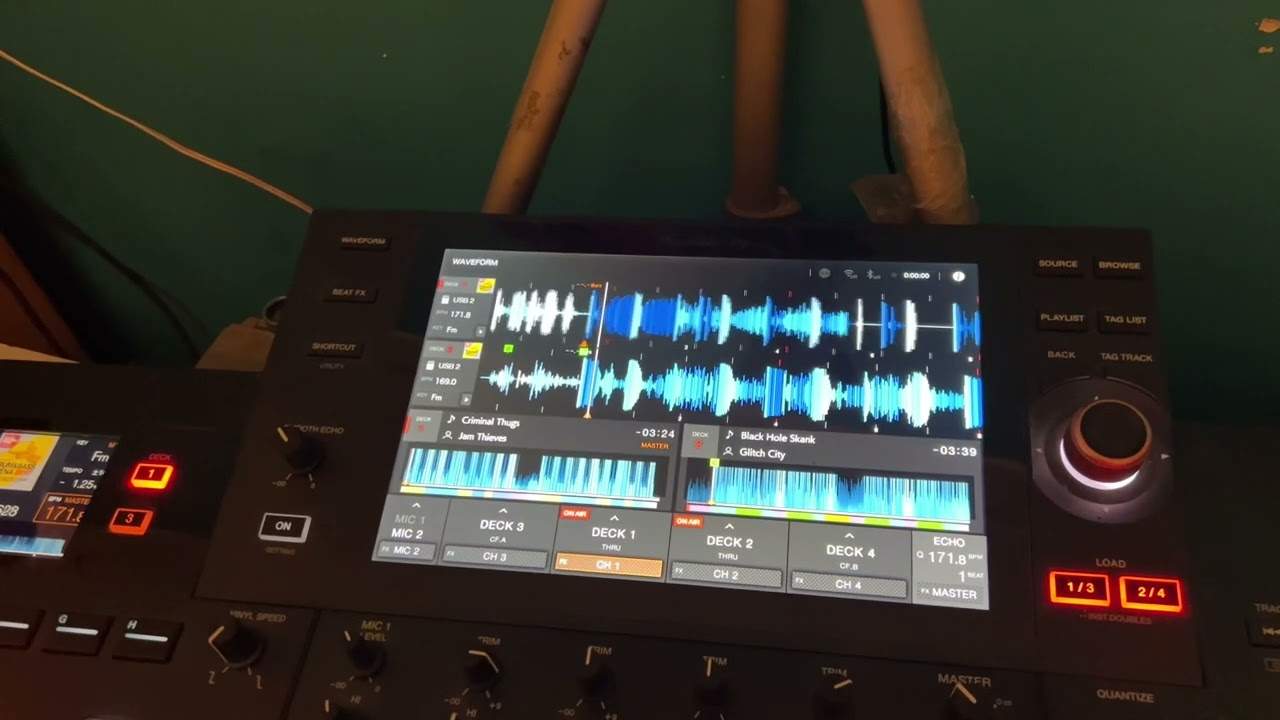
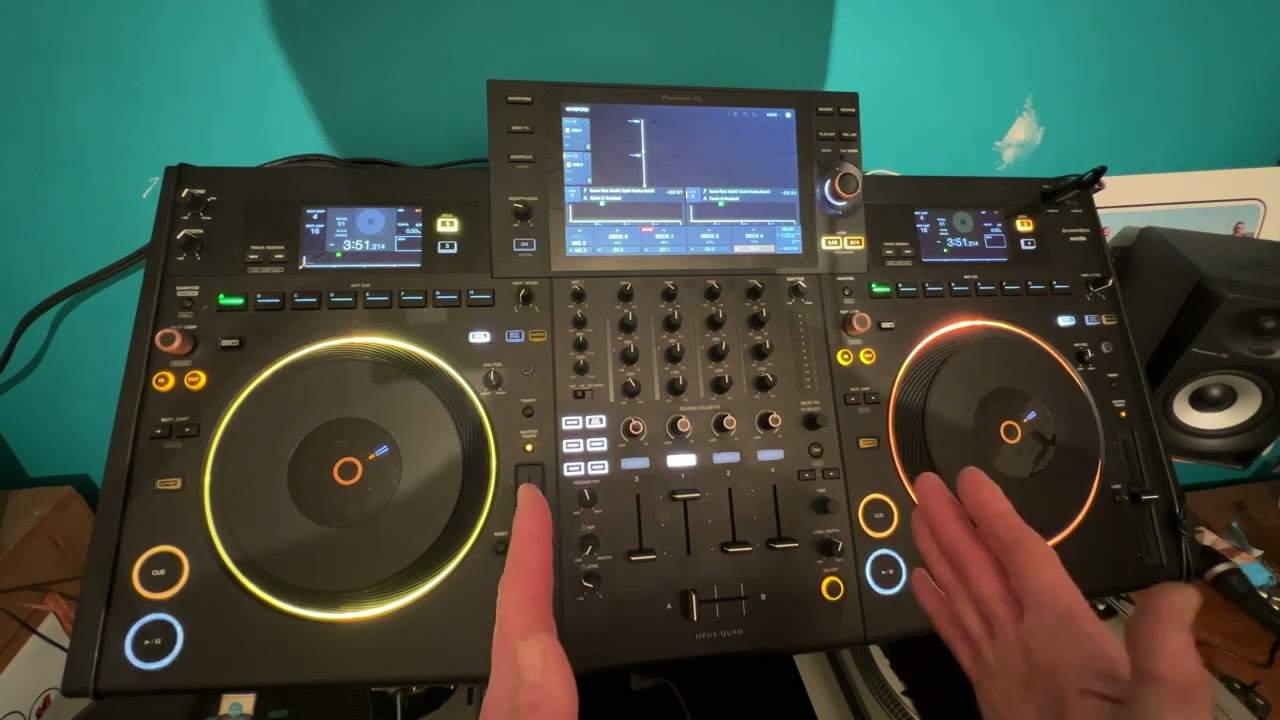
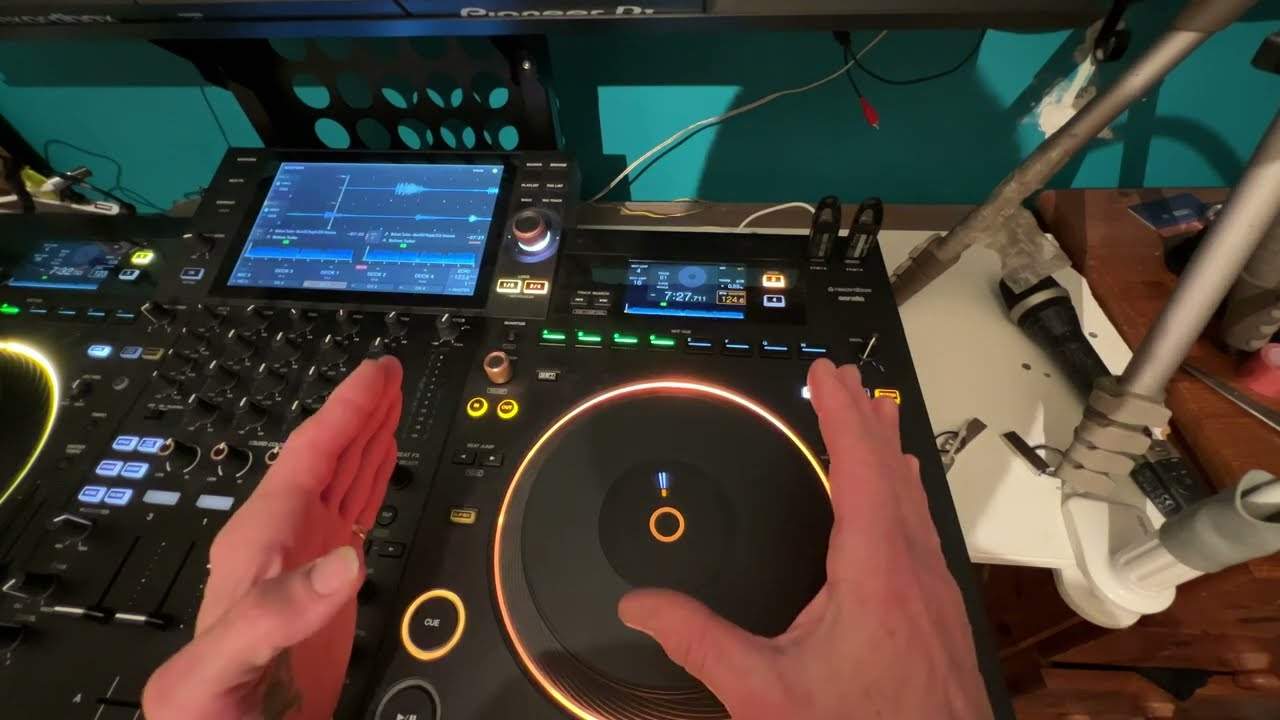
Alright folks, welcome to my first mixing lesson. Bars, not sheep, live in Wales, but this. You can see there, that's a bar. How I count is simply this. 1-1-2-3, 2-1-2-3, 3-1-2-3, 4-1-2-3. Bear that in mind, okay? Start the record, I'll get that there, hopefully you can see it, okay? And on the first beat we'll start to count. 3-4-1 The reason for that is simply this. If I actually counted the bars that I've just counted there, and if for every bar I put a cross, I'm not sure exactly, maybe there was four or six. If let's say there was a record playing now and I wanted to mix this song into the instrumental break, but I wanted the vocals to go in exactly the time that the instrumental break comes in, what do I do? I count how many bars are in this record. I count back
How many bars before the instrumental break, okay? All you do, put the record on and spin back, spin back. It's difficult to begin with but eventually you'll learn how to do it. So I would spin 1-1-2-3-2-1-2-3-3-1-2-3-4-1-2-3. I'd do that four or six times depending on how many are there. And then what I would do, I would make a mental mark knowing that as soon as that time comes in with the record that's playing, I need to start this one off. Therefore, as soon as this one starts, I can slowly mix it in, mess around with bass, EQ, do the snazzy things that everyone thinks fantastic, and as soon as the instrumental break comes in, vocals comes in, and bang, you've got a good spot-on mix. And hopefully, the next one will do it for something cool. See you soon. Bye bye.
This transcript was produced automatically from the audio of the video and may contain mistakes.