 7:33
The philosophy behind touching the platter in the mix.
Contents of the video
0:00 Forward, pitch, slow
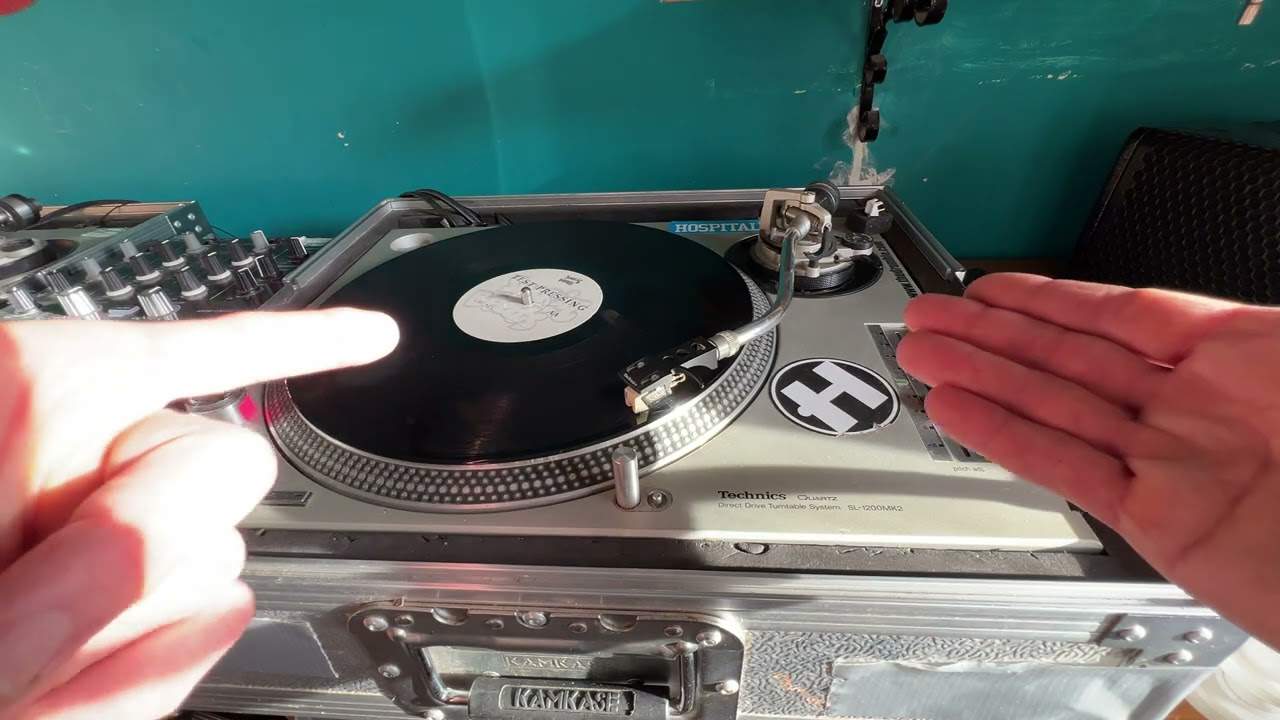
Alright folks, in this video what we're going to be doing is looking at the whole policy and philosophy behind touching the piece of vinyl, moving it forward with your finger or spinning it back or touching the actual platter or maybe pushing that forward, pulling it back. Now again, a lot of DJs do this. There is a reason for this video. I'm going to be doing after this hopefully a similar sort of video but on CDJs as well, the CD turntables. The reason I only use the pitch control 99% of the time is because when I started DJing, we did not have or I couldn't afford decent turntables. The ones I had were very dodgy belt drive decks and like I said in previous videos, you know, if you pushed the record forward it would spin really fast and if you tried to slow it down it would just go... It would just stop. So the only way of actually beatmatching was to just use the pitch control. Now then...
This is why DJs do it. Okay, now then, let's say for example you need to slow the record down, okay? Now as you're reducing the speed of the actual pitch, the record, the turntable is slowing down. So you can hear the record, the beat, like maybe not that drastic but the beat will slow down. Now then, what will happen sometimes is when you get to a certain point on the pitch, let's say about there, okay? What will happen is maybe at that point it might be a little bit too slow. So what you'll see DJs doing then, is they will move this forward. They'll try and turn the record manually. They'll physically move that. Now while they're doing that, what's happening, okay, is you're moving the record forward but the pitch is still at the same speed. So what you'll see them doing then is bringing the pitch up a tiny bit
2:23 Tutor great, great tool, beat
While they're moving it forward. Now while they're moving this forward, they may take the fingers off for a split second and if at that point it's still too slow, then they'll move the pitch up again a tiny bit more and then continue moving that forward with the finger, pushing it forward. Listen again. If it's still too slow, bring the pitch up again another tiny fraction. Not like that. Ridiculous. A tiny, tiny amount. Always. The DJ Tutor is a great tool for you to use when you want to improve your pitch control. The DJ Tutor is a great tool for is this now let's say you're doing a mix and all of a sudden you've got this record here beatmatched with the other one now think about this this is very logical okay now let's say all of a sudden you've got it beat matched and you can play that you know you can play this record for a minute and it will stay in beat now then if all of a sudden you wanted to then say start it all over again and start the record from scratch so you start it up you get it cued in there like so now then
4:11 Backwards a tiny bit, okay?
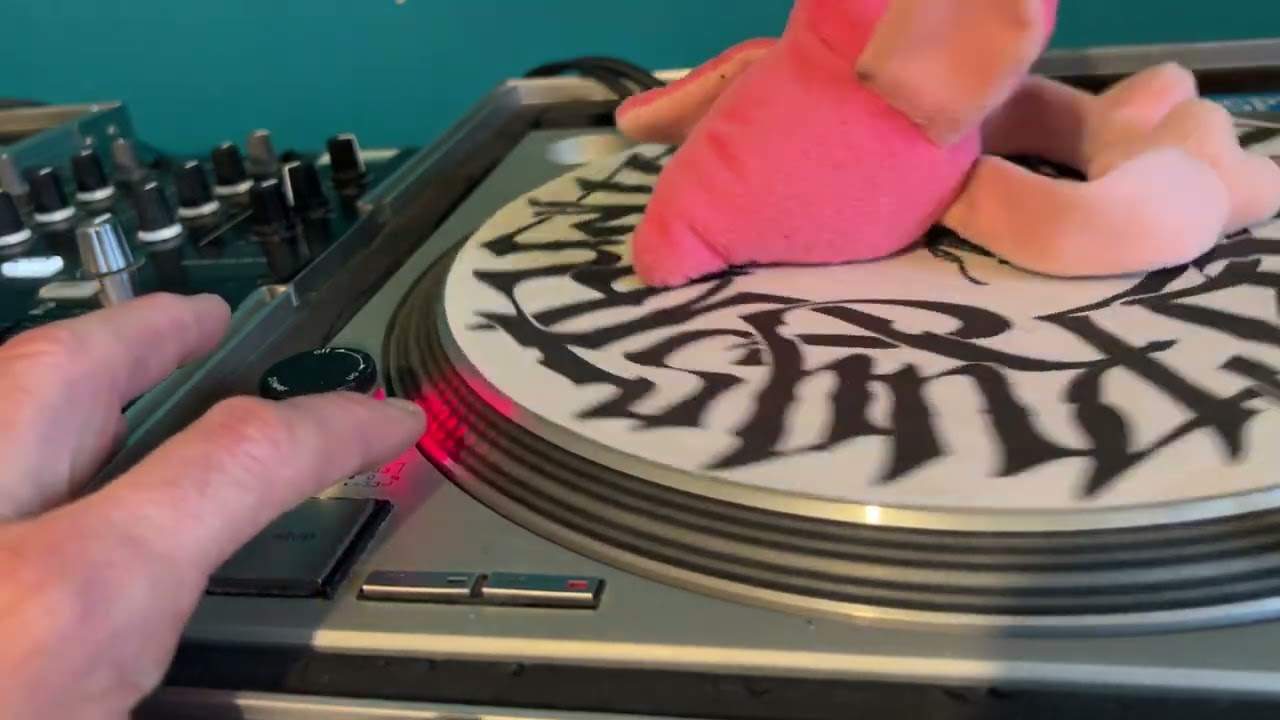
Bring it in, throw it in, okay? Now then, let's say, okay, when you're listening to it on the headphones, the beat is only a tiny amount off, very slightly off. Now then, using my method of moving the pitch control, again, to get it back in beat, that's what I would do. You've almost got to start from stage one again. But if you've got it in beat using the principle I just showed you initially, what it means is that all you've gotta do If you think it's too fast, then just... Backwards a tiny bit, okay? Or you'll see some DJs, they'll put the finger here just a little bit, just to slow it down. Now using this sort of idea, what it means is when you have beatmatched it for the first time, there's no need to mess around with the pitch control if you take it off, like I said, you put it back on, start it up, press start and then of course you know it's beatmatched so all you've got to do is move it forward like so or spin it back a tiny bit
To slow it down or speed it up. Now then, again, when I say put your finger here, there's right ways and wrong ways. This is the wrong way, check it out. Let's put it on, let's imagine we've got a record playing. This is the wrong way. Alright, or... I mean, that is an extreme, okay? But what we're dealing with here is we're dealing with tiny, tiny amounts of increasing and decreasing speed. It's like I said in previous videos, or one especially, if you can imagine two points, if you imagine needle points. Now that is the actual size of the styler, of the needle. It's a very, very fine point. Now for those two points to get beatmatched, they've both got to hit that beat at the same time. Two points, two turntables, two CD players, it doesn't matter. They've got to hit the beats at the same time. Boom!
Boom. If they're off very slightly, even if they're off, which way are you looking at it? Like that. Like sort of, where are we? That's it. Hold on. No, like that much. Then, it's going to be off slightly. So this is why you need to move it very slightly. Watch. Very, very slightly. And sometimes what you'll see DJs doing, they'll almost glide their finger over it, a bit like a skater. You see, even a skater... on an ice skating rink they're gliding smoothly but there's still that tiny amount of friction okay let's face it if you're on skates and you push yourself off eventually you will stop because of friction so gliding along here can you see i'm just gliding but i'm still moving that turn a turntable very slightly like so the other way here we go okay right
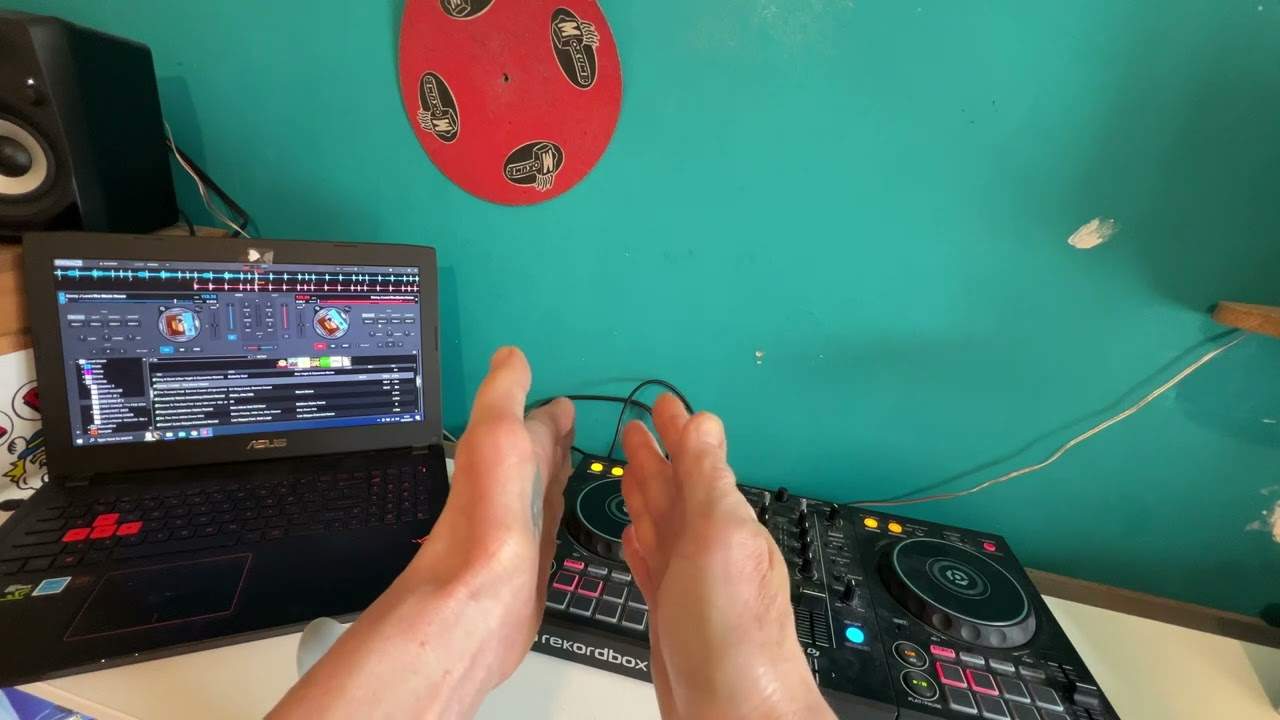
Now there's an idea for you, alright? And this is the policy and philosophy behind touching the platter to move it forward and maybe touching the side of the platter to slow it down. Now I'm not contradicting myself because I did say that really the ideal way of mixing is using the pitch control. That's my way. That's how I like to do it. Now hopefully in the next video after this what we'll be doing is using the CDJs and showing you that big fancy jog wheel in the middle. And what that is there for, well one of the reasons why that's there. Thanks for watching, practice and enjoy. By the way, the tune is Bob Sinclair and QTB, it's entitled The Sound of Freedom and it's a club mix.
This transcript was produced automatically from the audio of the video and may contain mistakes.