 8:38
The structure of hard house and electronica
On YouTube this video is called The structure of hard house,electronica, djtutor.com 20 jan
What this lesson teaches
The first in a run of genre breakdowns, prompted by a viewer asking for exactly this. He starts with what he considers easy and warns that he will end up at hard.
Why these are the easy ones
His reasoning is sound. Euro house, techno and trance are made almost entirely on machines, which means:
- Very few key changes.
- Few real instruments.
- A bassline, a little melody, breaks, hands in the air.
- Everything on a grid, because a drum machine put it there.
So the structure is extremely regular and the counting is straightforward. If you are learning to hear phrases, this is the material to learn on.
The sound of the bassline
A specific detail worth having: in this music the bassline sits between the kick and the hi-hat - the offbeat "wah, wah, wah" that gives the genre its drive.
Knowing where it sits rhythmically is what lets you hear it as a separate element rather than part of a wall of sound, and therefore what lets you decide to EQ it out during a mix.
Counting without the phrase notation
He drops his usual 1-1-2-3 method here and counts plain 1, 2, 3, 4, on the grounds that by now you should be able to hold your place without the scaffolding.
That is a reasonable progression. The leading-number method exists to stop you losing which bar you are in; once that is automatic, the simpler count is less to think about.
Reading a break before it happens
The best observation in the lesson. He points at a break and notes that it is very light - and says that tells him the track is about to stop almost completely.
That is a real piece of listening. A break that thins gradually is building towards near-silence and then a drop; a break that keeps its weight is a dip rather than a departure. The difference is audible several bars before the event, and knowing which one you are in decides whether you have time to do something or whether you are about to be caught out by a hole in the music.
Which is what the whole stage is for: hearing what is coming instead of reacting to what has arrived.
Contents of the video
0:00 We're going to start off with easy and end up with damn hard, okay?
G'day folks, alright, in our first lesson now for discussing what extremist has commented about and he was the actual winner. He said, I think you should do a video on common track structure of each genre. If possible, you should discuss the variations, okay? Right, so the first one we're going to do, and when I say first one, it would be physically impossible in 10 minutes to discuss every single genre and structure. So, we're going to start off with easy and end up with damn hard, okay? In my terminology, in my experience, easy really is the likes of Eurohouse, Techno and Trance because if you... Actually listen to what's going on. There's not much, well when I say there's not much happening, it is quite simple. Bassline, tiny bit of melody, breaks, hands in the air. There's not many key changes, there's not many instruments going on because it's all 99.999% of the time done by a drum machine. Okay so what we've got here, we have a song called Hope and Wait by Orion 2.
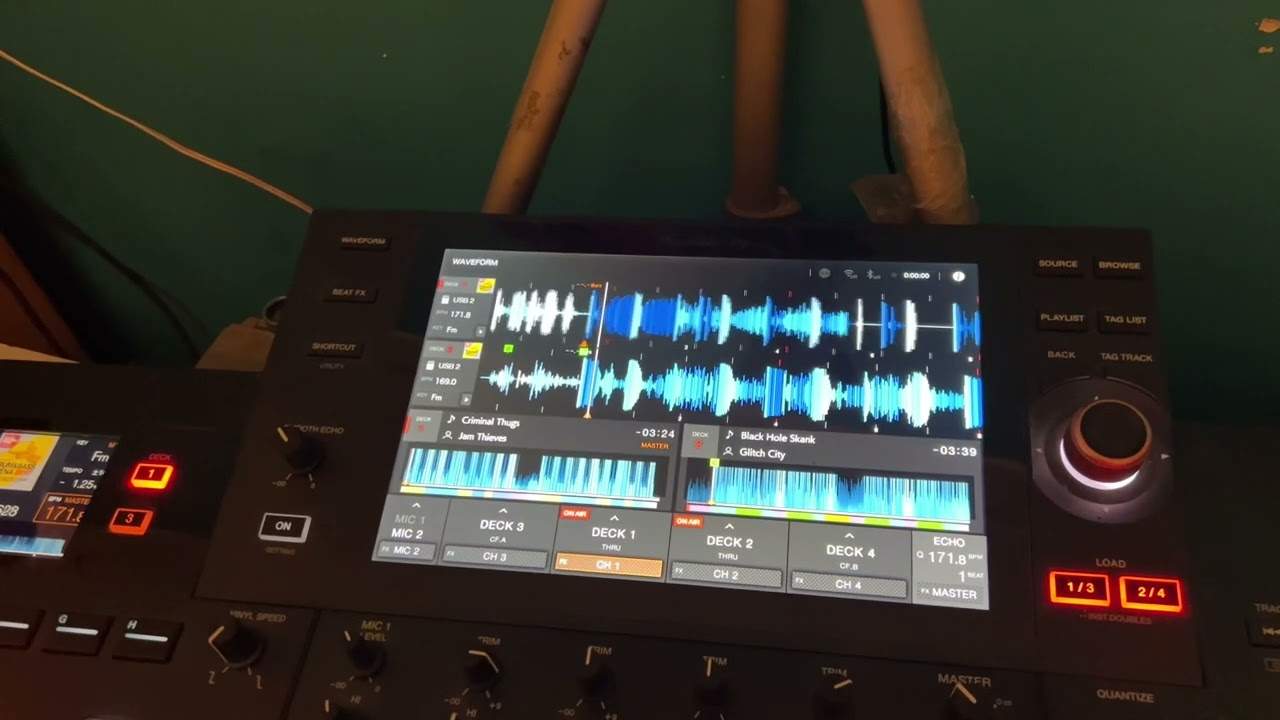
Now then, okay we've got a female vocal. Now then, this stuff here in the UK is more commonly known as hard house or Euro house. Now if you listen, okay, you'll hear that bass line. Now what the bass line is, you will hear it as that wah, wah, wah, wah, wah, wah, wah, wah, okay, which is in between the bass kick and the hi-hat, okay? So we'll start it off at the beginning, we'll count as well, okay? One. Let's count there. We're not going to do 1, 1, 2, 3, 2, 1, 2, 3. We're just going to count 1, 2, 3, 4. Because after a while you should be able to just count 1, 2, 3, 4 for the bars. Sorry, it's jumping. Start again. Right. Right. 1, 2, 3, 4. 1, 2, 3, 4. That's 2. 1. There you go. 2. So there you go, the bass line came in after two. And that's three. One, two, three, four. Now look where my finger is. Break, okay? Okay, bit of dodgy female vocals there, alright? We've got a break, okay? Now where the break is, it's very, very light.
Now that tells me that it's going to almost, the song is going to completely stop and we're going to have an absolute break with virtual silence. Now that bit there tells me that's a bit of a hands in the air where there's silence, everyone's going give me more, more, more. All of a sudden, bang, it starts to come in, it creeps in and gets louder and louder. Right, let's get it to that break.
3:15 We've got a break
OK, so we've got a break. Now the thing is with this kind of music it is very, very structured. When I say structured, what do I mean by that? You have a beginning, a break, a middle, quite often another break and then an end. The end, quite often, is meant for the DJ to mix in the next song. Okay, this is the hands in the air part. Think about it. Close your eyes and imagine all the crowd liking that sound and thinking, yeah, hands in the air. Listen. So there we are. We've had the beginning, which is very straightforward. This is the mixing part where you would mix this into the next song. The break. And then centre part, loads of vocals. Small tiny break. Very shiny part there, you can see not much going on except for that piece of fluff on the styline, there you go. Now with Hard House or Eurohouse quite often what you will have is towards the latter part, the end of the song, you will just have a bass line and beat which is meant, well not meant, but the remixers and producers, the people who actually made this record or this type of music have done this.
5:32 What we learnt on the basis of the likes of this particular track here
Really for one reason, and that is it's very easy to mix in for the DJ. If you listen, not much going on so you can imagine the DJ getting his next record ready about now and ready to mix it in. Have a listen. Soon, hopefully, the vocals will stop and there will be that thumping bass line ready to mix in. There you go. You see, about this time now you would start to bring your other song in. You imagine the other song now, just the beat. And again, using your EQ, your low, okay? You can maybe cut out the low on the one you're bringing in and slowly fade that one in and cut the low out on this song. And your other song is coming in and this one's fading out. And then now, you know, your other song should be full on now. Turn that around. All right, so what we learnt on the basis of the likes of this particular track here.
This sort of music, modern day, Euro house, hard house, whatever you want to call it, is what's known as formatted. It's very formatted. You do totally and utterly, 100%, you have a beginning, middle and an end. You have breaks. It is one of the easiest sorts of music to mix because it's meant for mixing, OK? Oh, there's my cat's come to say hello. Hello, boo. You have a beginning, which is the part that you quite often... We'll mix in to the other song. You have the instrumental break, you have a bit of vocals with that particular one. You've always got that tiny bit of break where it's like hands in the air. Let's go for it and that's where the crowd really enjoy it. It's the vibe, it's the feeling. And then of course the end bit which is very important for a lot of people because that's the part quite often...
What they do with the end of these songs is they break them down. Quite often what you will find is you'll have vocals, bassline, melody etc and then all of a sudden not particularly with this one because the vocals did carry on but what you will find is they will take out the vocals first so you'll have perhaps melody, bassline and beat. Then they will take the melody out so you will have bassline and beat. Then, quite often, they will take the bassline away and you will end up with just the beat. Now again, like I've said in one of my other videos, if you listen and you work back on the one you're bringing in, you count the bars, you can automatically find the place at which is the best place to bring in your new record where the bassline comes in just as the bassline finishes with the track that you're mixing out, okay?
Techno Hardhouse, whatever you want to call it. This is one of the easiest styles of music to mix. So this is the first lesson on the guy who basically said I think you should do a video on the common track structure of each genre if possible. You could discuss the variations. Right, so I hope that's, it's not so much a variation because we're going to vary between each individual genre but this is the common track structure. I hope you've enjoyed that lesson. Thank you very much and we'll have another one very soon. Bye bye.
This transcript was produced automatically from the audio of the video and may contain mistakes.