 4:25
The Wave Format of a Tune Can Help You with Phrase Mixing DJ Advise BY Ellaskins DJ Tutor
Contents of the video
0:00 You'll notice here we have light an
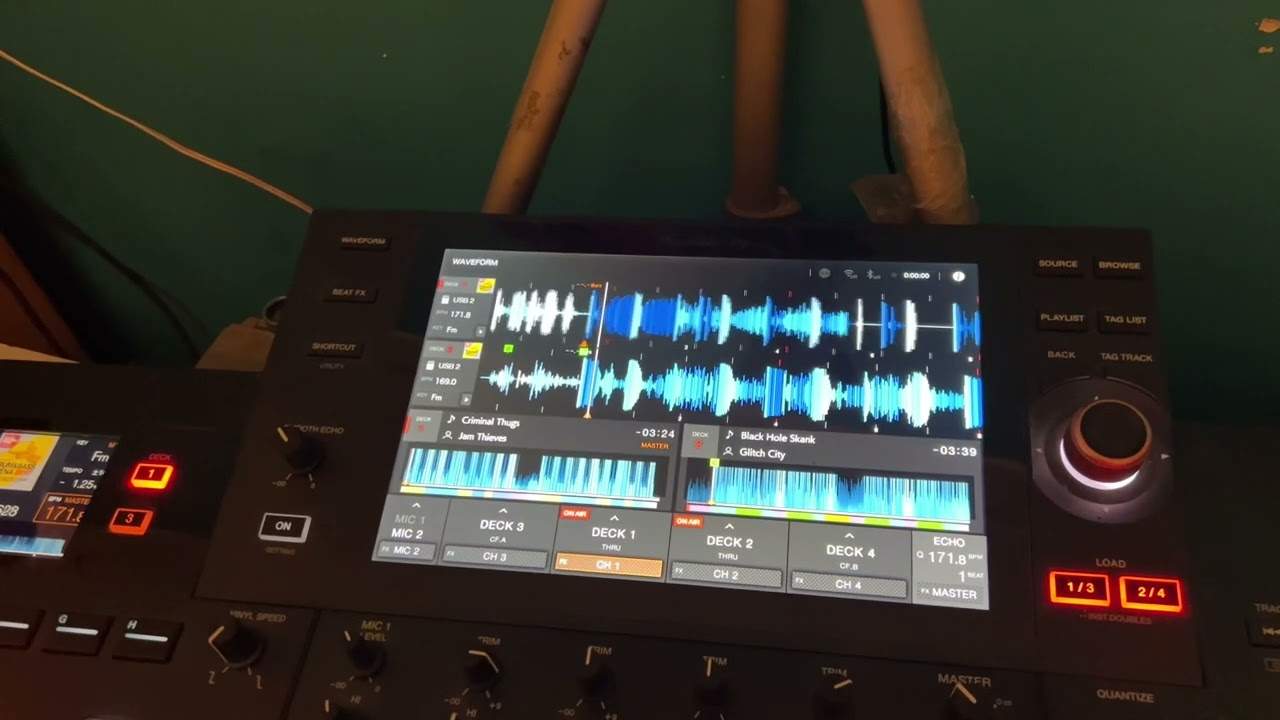
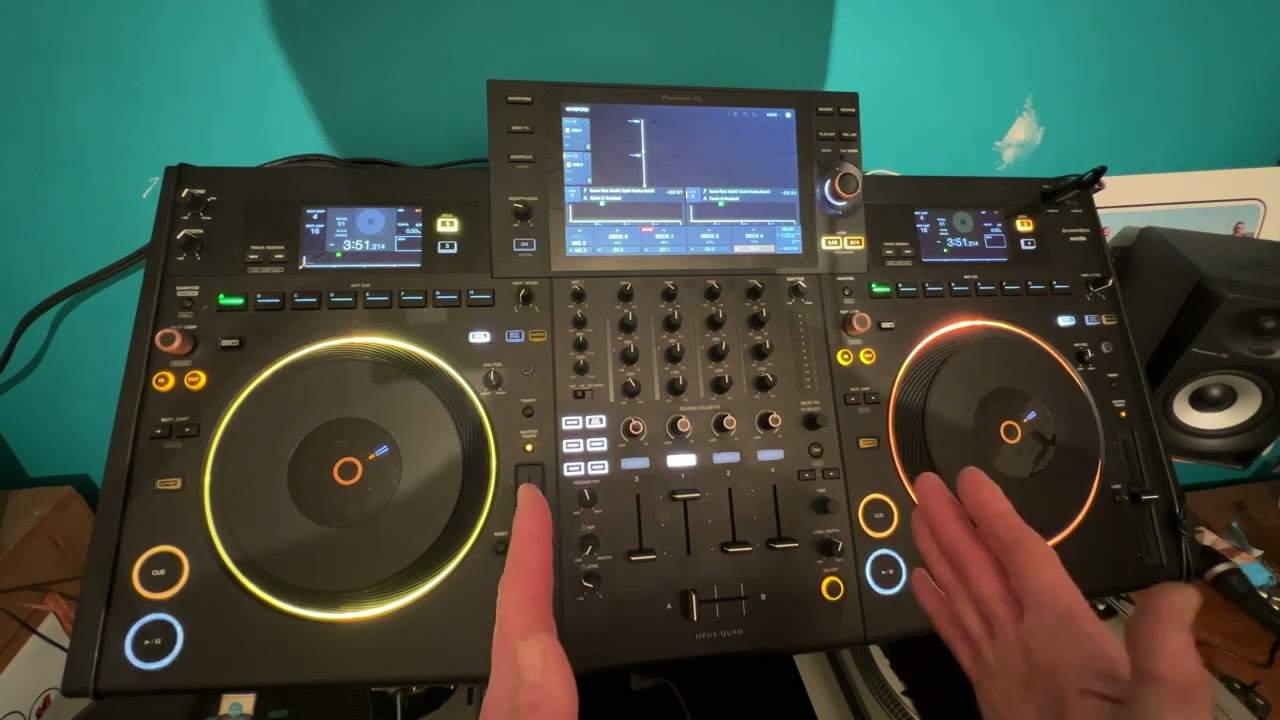
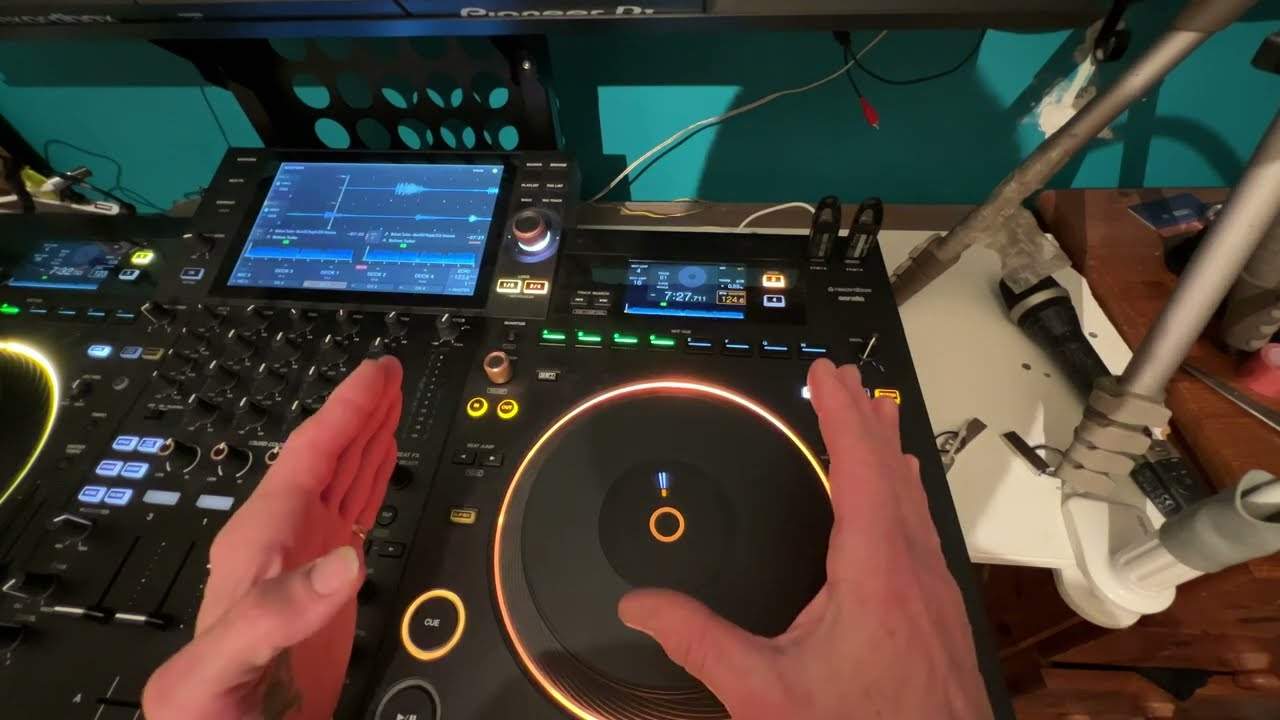
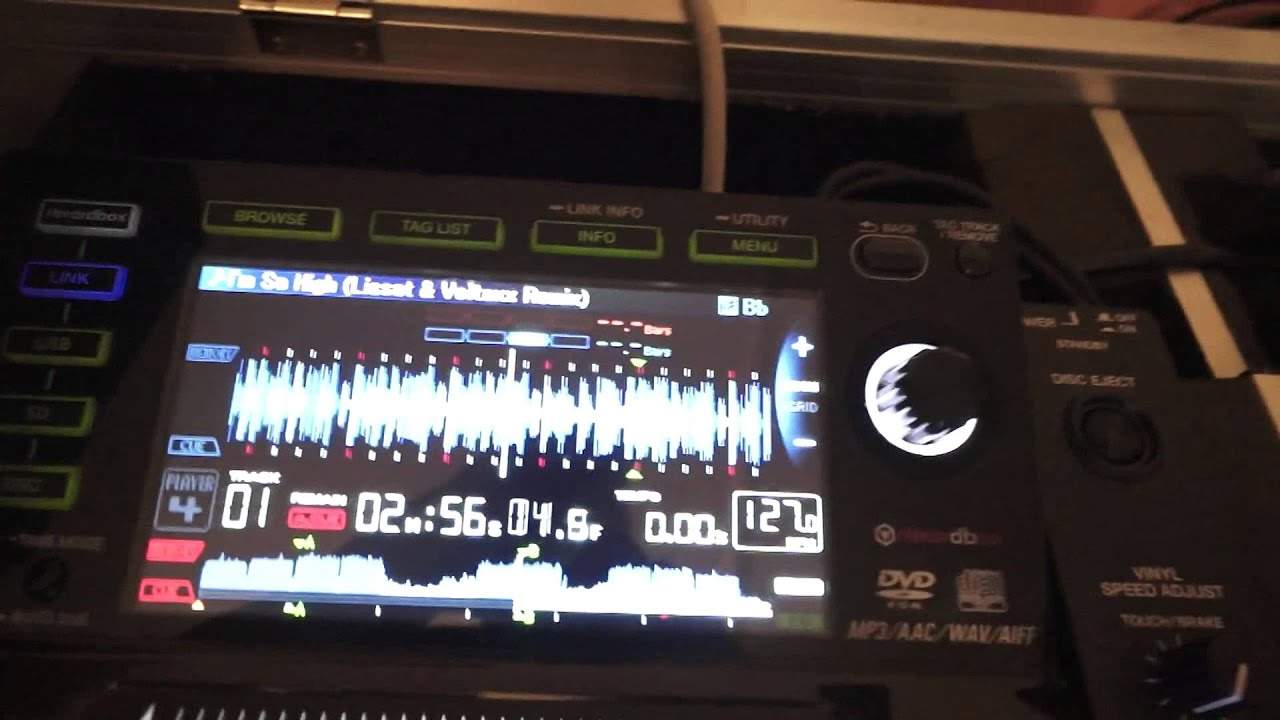
Alright ladies and gentlemen, in this video what we're doing is looking at the wave format to help you work out exactly how many phrases and bars there are in the track that you're playing. Now at the moment of course I'm using a CDJ but using this technique you can pretty much do this with any program out there or any player that's got a readout like this. Not the wave format that you can see moving quite fast, it's the wave format at the bottom. Right, so first of all what you need to do is you need to go to a point where you can see a definite change. Now you'll notice here we have light and dark blue. What I'm going to do, I'm going to go to see that point B there.
Now first of all we need to make sure that we've found a change in the music and when you get a definite change in a track, for example the end of a chorus, the beginning of a verse, the end or beginning of an instrumental break, we class that as the beginning and or end of a phrase. So a phrase in music could be all the vocals, as in maybe just when I say all the vocals, the chorus. Or it could be the verse, or it could be let's say for example you've got a wicked bass line that's just been strumming along for quite a while. That is a phrase in the track so what I'm going to do from that point B, I'm going to start to count how many bars we have up until the point where I've found a definite change.
We get the dark blue finishes and we get light blue. So from B just go back again a little bit so you can hear the intro.
1:41 One, two, three, three
One, two, three, one. One, two, three, two. One, two, three, three. One, two, three, four. One, two, three, five. One, two, three, six. One, two, three, seven. One, two, three, eight. One, two, three, nine. One, two, three, ten. 1, 2, 3, 12, 1, 2, 3, 13, 1, 2, 3, 14, 1, 2, 3, 15, 1, 2, 3, 16. There.
2:40 That size and then we look
Alright, so admittedly there it seems as though it's going a little slightly into the light blue but we definitely heard a change there. Let's go from that point and again luckily because we have HD you should be able to see if I just reduce the light down a tiny peak of blue, darker blue there. So this video is about explaining the sizes of these sections of music. Now if we have a look here from B to that point there if we look at that size and then we look at the size of the break that's roughly the same size so you're pretty much guaranteed that the instrument... the instrumental break area there will be 16 bars and also here if we have a look, we've got a tiny dip there and that part seems to be roughly the same size there
And so on and so on. So what we're looking at is we can visually see that it's highly likely, it's not definite, it's highly likely that these sections are in 16 bars and if we have a look at the whole track by the way the track we're listening to is by Mr Lenny Fontana a track entitled I'm So High it's the Lisat and Voltax remix okay, and you can check that out I'll put a link to the Karmic Power Records website in the description. So from beginning to the first break we've got a section and it looks like we've got pretty much the same size there and there and there but here we have double so 32 bars Now using this technique of visually looking at sections of the track will help you immensely to help you for bringing in
Let's say the next track where and when you need to bring in the next track So not only are we listening, we're looking as well This is a great feature of modern day technology Years ago you couldn't do this Now you can I hope that's been a help Practice and enjoy Thank you very much
This transcript was produced automatically from the audio of the video and may contain mistakes.