 10:03
This Is WHY DJ Mixing Old School Disco Is so Hard and How to Overcome
Contents of the video
0:00 Let's forget the fact that old school disco is difficult to mix
Right, I would say mixing disco music is one of the hardest genres to mix, as well as old school rock, as well as 60s, Tamela Motown, Northern Soul and... Alright, where am I going? Alright, let's forget the fact that old school disco is difficult to mix. What I should be saying is any genre where you have real people playing real instruments is very difficult to mix. Actual beatmix, one track into the other. Now, I say, again, I still do sort of private tuition online and when I say online as in one-to-one, you know, via sort of a private video call. But one of the first things I say to everyone... One of the first things I teach for the very first time is, you know, about mixing one track into the other.
So what I need everyone to understand, and once you get this, you'll realise what a mix is all about. You don't mix track 1 into track 2, you mix track 1 into track 3 because the transition is the second track. The overlapping of the two tracks is actually a new composition. And if you don't get that composition right, sounds shit. On the other hand... On the other hand, what you can do is you can chop. Now, I'm going to keep the pitches dead centre and we're going to do some very basic transitions using old school disco. Now, again, I'm not going to be playing much of the tracks due to copyright issues. The trouble is with today's YouTube and algorithms, it's a bit like modern day Shazam Live as I produce this video.
Well, not as I produce it, but once it's uploaded, the Shazam bots in YouTube go, oh, you're playing a track, sorry, we take it off, or at the best result really, I get adverts on it. I don't mind so long as people make money, the right people, and also so long as you can see the content that does take a little bit of time and effort to make, but let's have a listen to Relight My Fire, Dan Hartman.
2:23 The beginning of the track, first of all
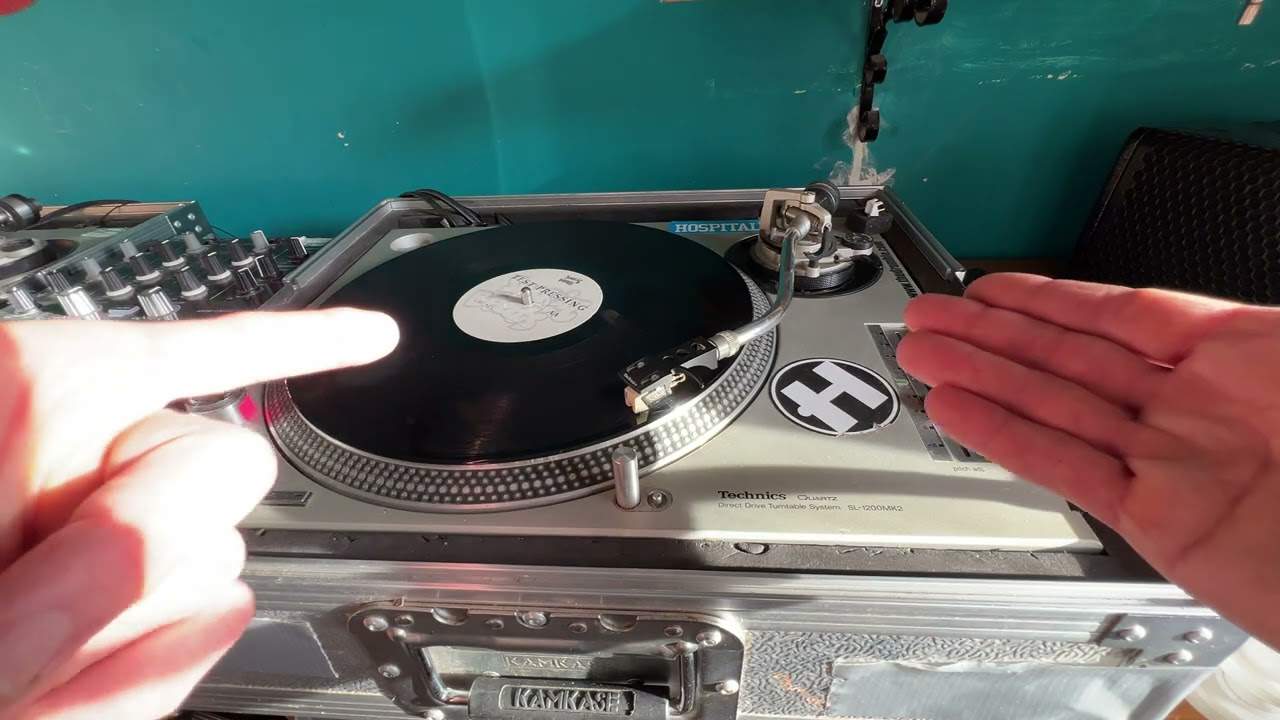
Okay, so what I've done there, I've set a cue point. So let's go to the beginning. The beginning of the track, first of all.
Now, if you were to play this, the people who know what it is, know what it is, but other people may not. So what you want to do, set a cue point like at the drop where that I know what that track is comes in. In other words, look at a crowd of people and some of them are scratching their heads going, I sort of know this, I know this track, I know this track. And then as soon as the hook comes, the drop, that part, like the vocals come in. They're like, I know what it is. So what I want you to do, first of all, is find those positions in the track where it's like, that's what it is. Right. So over here, I've got positive force. We've got funk.
Okay. So for example, playing. All right. Skip it forward. The bridge.
4:07 Straight in to the drop with Relight My Fire
Boom. Straight in to the drop with Relight My Fire. So I'm going to pause that. So let's have a look. Yeah, Boogie Wonderland, Earth, Wind and Fire. So this, the drop here starts very quickly. We've got this kind of drum pattern.
So in a way, we could probably start it right at the beginning or there, maybe there. So three, four, one, two, three, four. Bang, straight in. Okay. Let's have a look. Let's do one more. Okay, just pause that up. Car Wash, Rolls Royce. So again, if you're not familiar with this tune, it starts off, you know.
Oh, not yet.
6:34 These transitions are known as chops
Bridge.
All right. Maybe I could have waited to, you know, to the exact end of that phrase. But what I've done with every single one of these transitions or chops really, is I've waited. I've waited for the one, two, three, four, one, two, three, four, two, three, four, one, two, three, four, two, three, four, one, two, three, four. Okay. So these transitions are known as chops. Now not lamb, not pork music chops. Hi, I'll chop. Sorry. I forgot how much. So with a normal transition, well, actually what is a normal transition? Track? One transition, transition into the other track. So the transition is track two into the next song, which is track three. So you've got this overlapping of two tracks. Whereas when you form a chop, you don't have to have the tracks the same BPM because
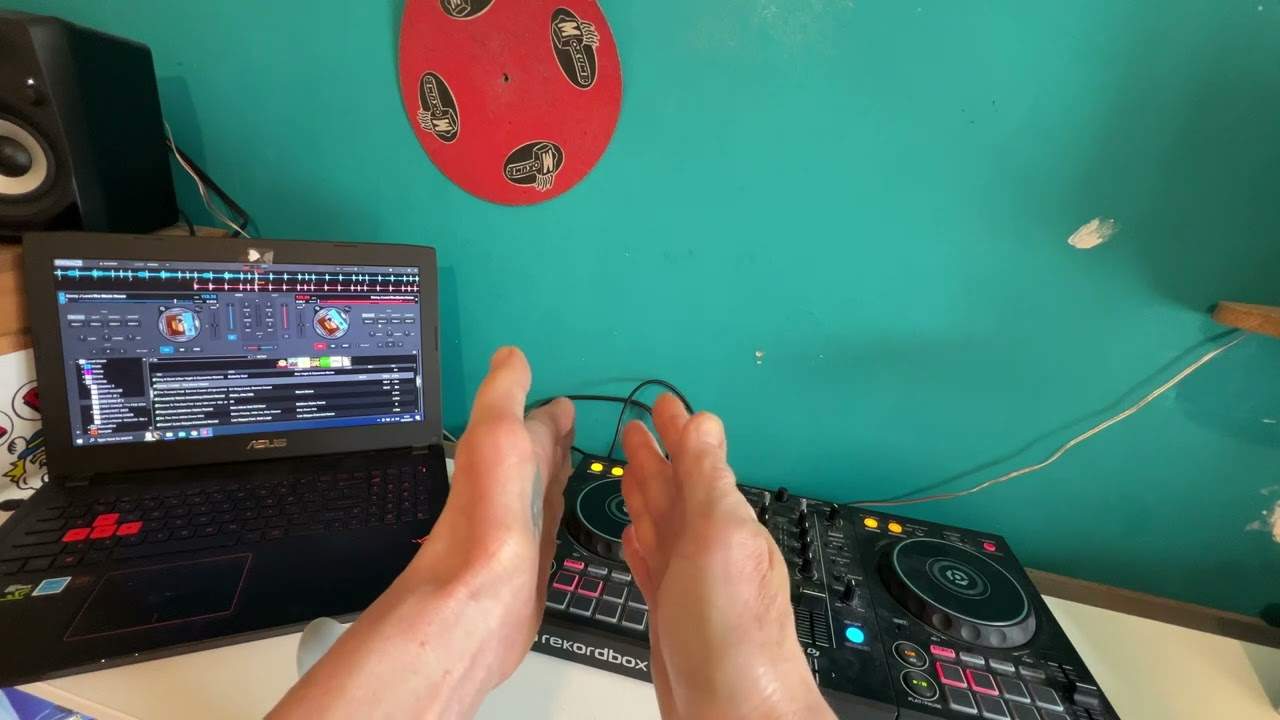
This could be slow. The first song, the second song could be even slower or even faster. So it's one, two, three, four. One, two, three, four. Or one, two, three, four, one, two, three, four, one, two, three, four. Now the reason I'm doing this video is very simple. It's because songs like this, the w we have a drum pattern, we have, you know, one, two, three, four, we have a definite beat, but there's a vast fluctuation in the BPM of the tracks. So if ever you putting tracks like this through record box or the software, and you just can't line up that bloody beat grid it's because the track itself, I mean, earth, wind and fire, my God, there was about 5 million people in the band. So how on earth do you expect?
I mean, you know, if you haven't heard of earth, wind and fire, go and check them out because they are one of the bands from the gods, those guys knew how to produce and make music, go watch them live after this video. Just do some searching on YouTube for earth, wind and fire. And those people rocked. I mean, amazing band, absolutely amazing. And if you look at them, you will probably not see one drum machine in existence. It's people playing real instruments and people aren't machines. Therefore they can't keep an exact. BPM. Okay, so this is why transitions like this with old school disco are great. Alternatively, you can mix genres like this and I'm going to be doing a more of an in-depth video on that subject very soon.
Thank you for watching practice and enjoy. Don't forget to like, and subscribe, hit that notification bell. See you soon. Practice and enjoy. Thank you.
This transcript was produced automatically from the audio of the video and may contain mistakes.