 8:36
Video One for the New DJ WHY You Should Use SYNC Video 2 Soon
Contents of the video
0:00 This is video number one on a selection
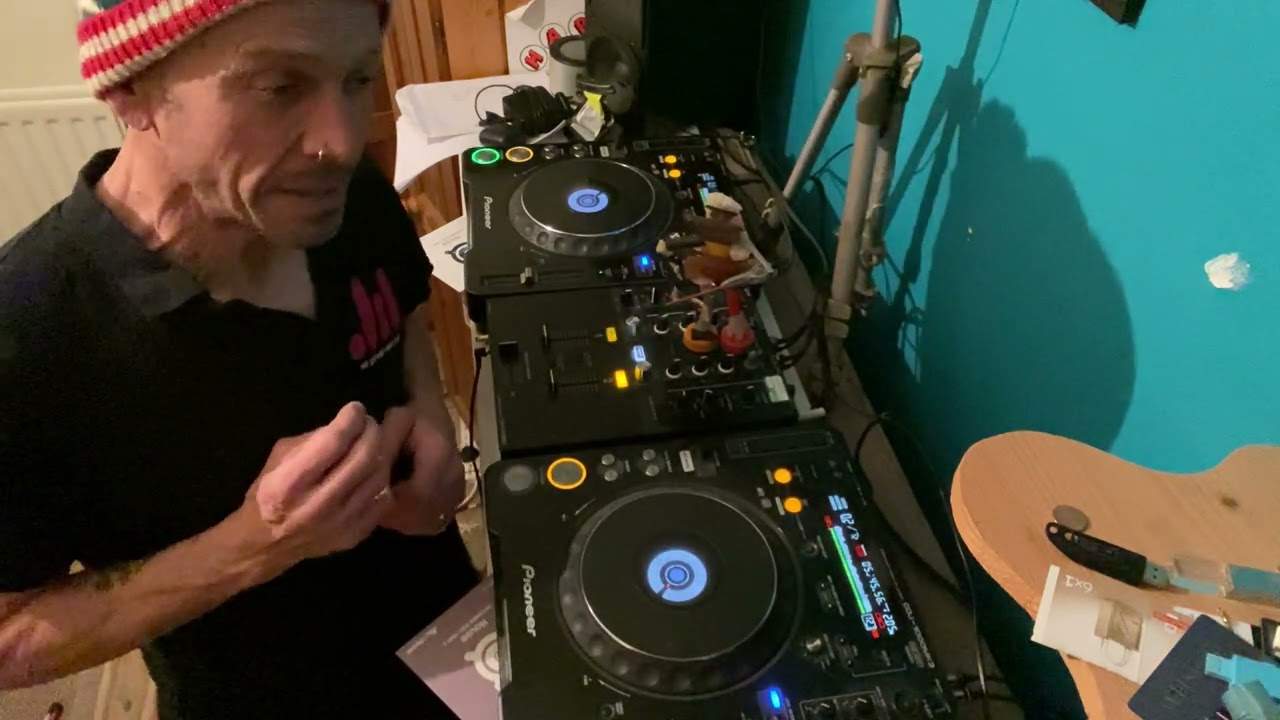
Right ladies and gentlemen, this is video number one on a selection. On two I'm doing on using sync. And video number one is on why you should use sync. Now again there are a lot of variables here in this video and also I'd like to show you the new setup. Again what I've done, I want to say again I've got the decks here, but I've gone more pro because a lot of people say you should go pro. You should have that thumbnail with the wow factor. Like the clickbait, oh a big expression and loads of bombs going off and some guy or girl with something that looks brilliant. And like, I don't know. Anyway, with the green screen and the new thumbnail, it's looking a lot more pro. So this is video number one on using sync. Now in this video it's about why it's so important to use sync.
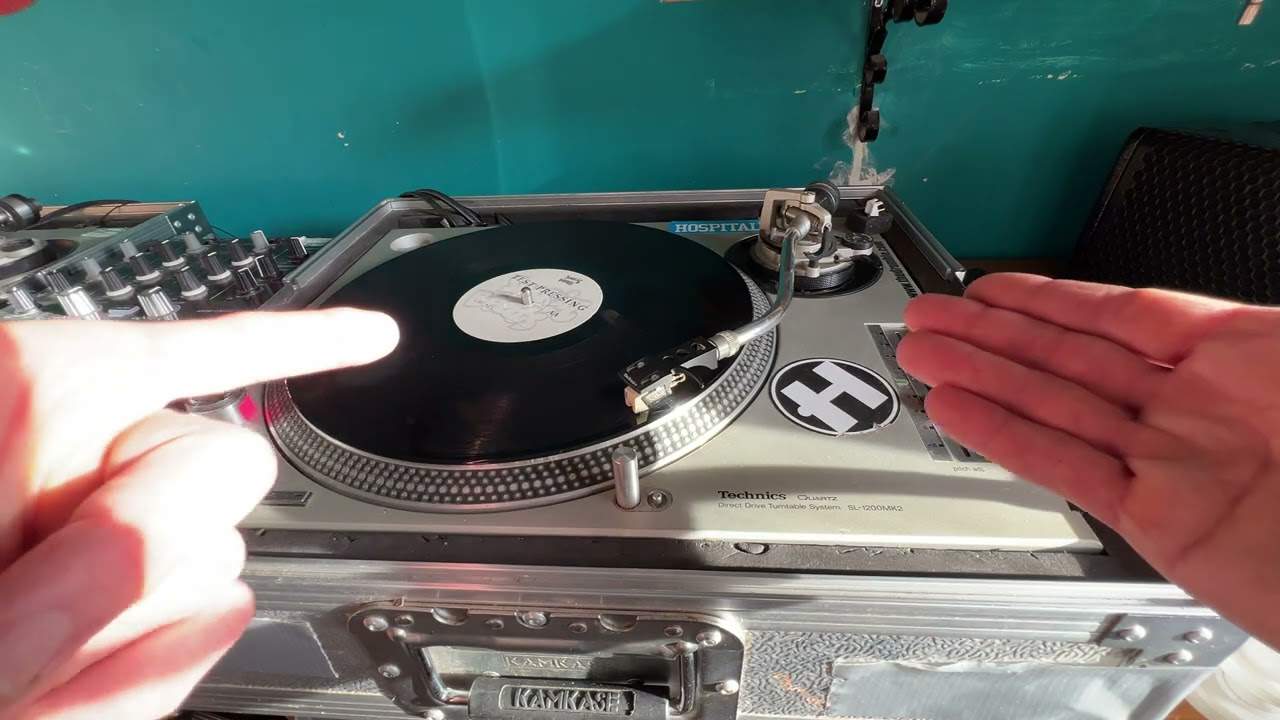
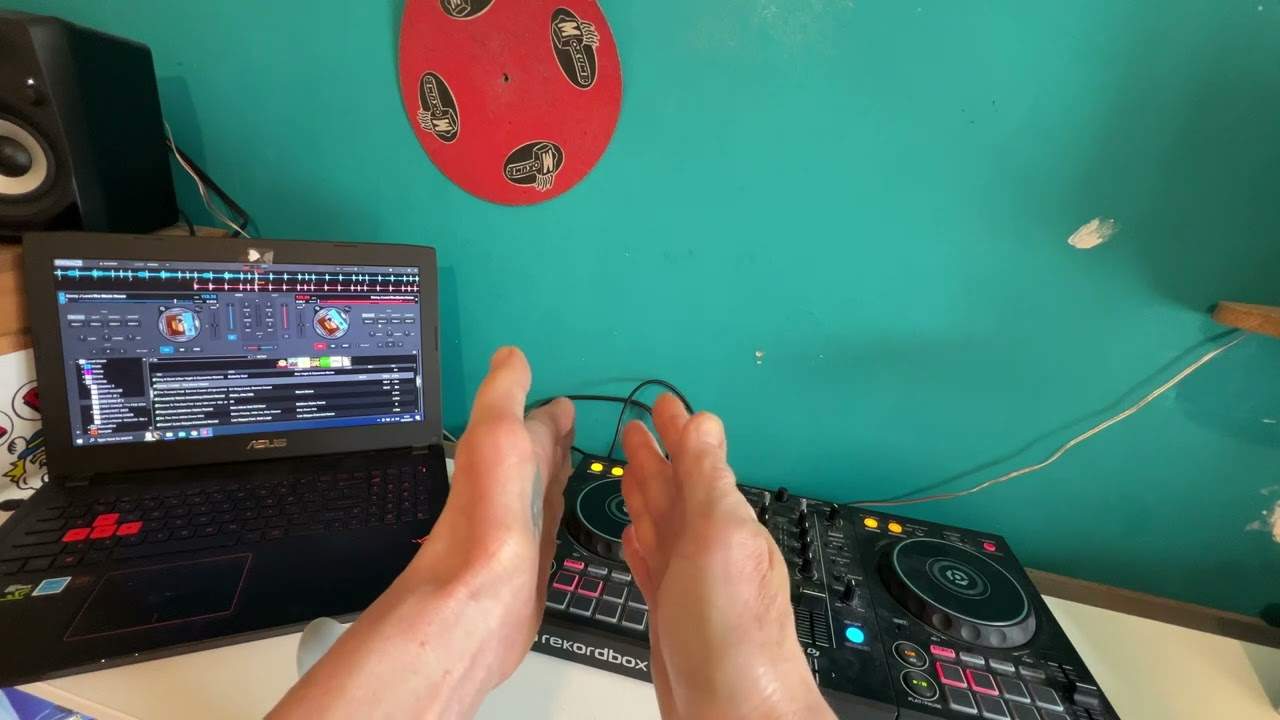
Now there's a lot of variables here. One of course being which, which is the obvious. I'm not using a controller. I'm using the Pioneer CDJ-3000. Pioneer CDJ-1000 Mark III. I've also got here the DJM 250 Mark II. Don't know what here is. Got a bunch of headphones, well set of headphones and a couple of tunes from CDPool, but what I'm going to be doing is just using a loop. Now, what I'm going to try and explain here is why it is vitally important to use sync. Now again, the difference here is I presume most people watching this video, if any will be having or will be using a controller. And if you're using a controller, hopefully you've gone through Serato, Traktor, Rekordbox, Dog & Duck, Custard, I don't know, a big swimming pool full of sick and come out
2:55 My cruise control and set
Smelling fresh the other side. Alternatively, if you're just using MP3s like me, then you'll understand where I'm coming from. But what I'm trying to do is work around the hard way. So sync, first of all, it's not the sort of thing that you use to get clean. No, if you're not familiar with sync and you are a complete beginner and you have no idea what it is, I'm going to give a brief description of sync in an analogy. Let's imagine I'm in a BMW. You're in an Audi and all of a sudden I meet you and you're going 40 miles an hour, but I have no idea. You're going 40 miles an hour and I'm on the throttle because you're in cruise control trying to match your speed. All of a sudden you phone me and say, Jonathan.
Hello. I go. Hello. Actually, you go. I don't really like shit because you're speaking Japanese. I say, excuse me. Could you please speak in English?
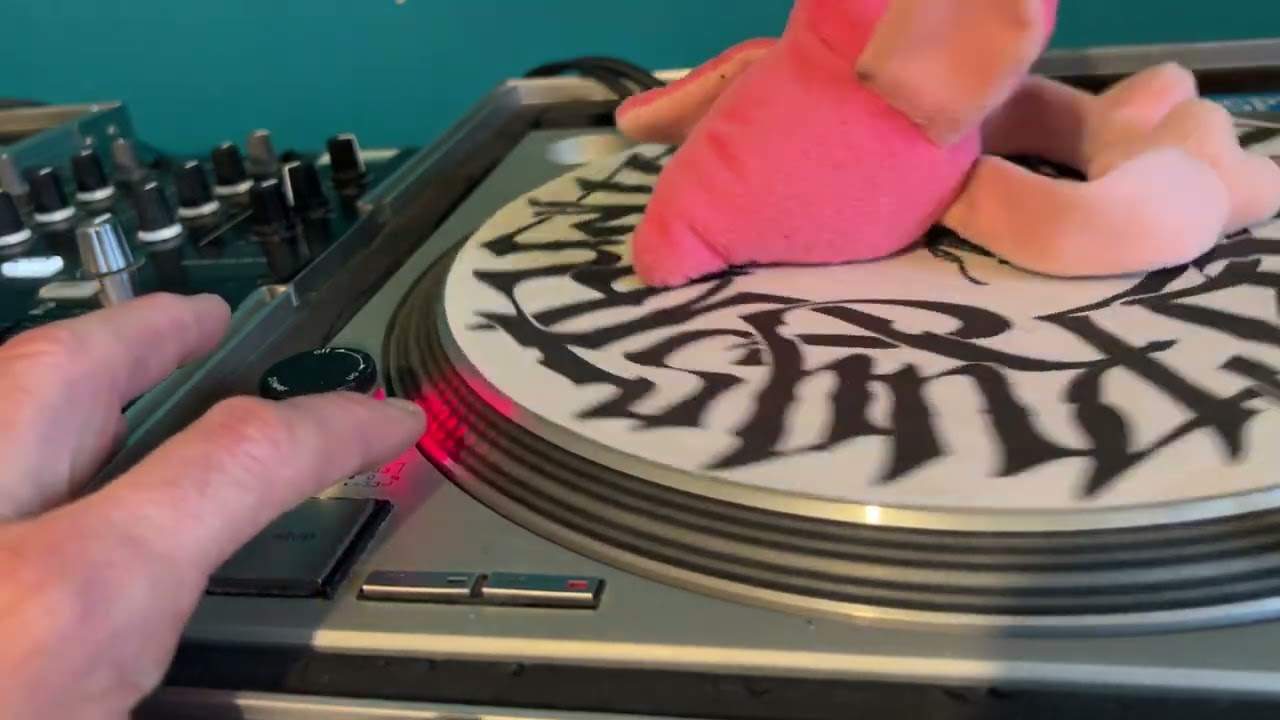
Jonathan. I go. Yes. What do you want? No, speak English, not Japanese. Sorry. I am going 40 miles an hour. So what I do then is I go to my cruise control and set it to 40 miles an hour. Now we are both going at exactly the same speed. And that's what sync will do with your DJ setup. It makes sure that if you're playing one track and you can't beat match it, you put the other one in. It will indeed match it in. Perfect. Time. Now, I'm going to show you the benefits of using sync. In a very strange way because I don't have sync, which is why I'm using this to show you why in a way, I suppose it's a good way or is that bad way? I'm going to do another video anyway. So here we go. So let's play this track here. I'm just going to play a loop.
Here we go. Oh, I better turn it up.
There we go. We have a loop.
I'm going to, I'm just going to play this to begin with and then form a loop.
Okay, what I'm going to do actually, I'm going to listen to it and see how far the loop is out.
It's out quite a bit, which is a good thing really because I want to show why you should use sync so that we can beat. Listen, have a listen.
5:47 Get an A4 piece of paper
I thought that was brilliant.
Actually terrible. That's because... Not only was the two loops out. In other words, if you imagine a piece of paper, so you get try this. I want you to do this right now. Get an A4 piece of paper. If there's one close to you and fold it around and have the edges touching each other. Okay, that is pretty much a perfect loop. But then if you take that A4 piece of paper and you have it overlapped slightly. Now, you've got an extra bit on the top and underneath on top of each other. So if you imagine that as a loop, but do you imagine not the circle as the loop, but the actual paper? You've got an overlap in time. Okay. Alternatively, if you pull it apart, you've got like a gap and that's sort of how a wrong loop works.
That's what I had here and it sounded terrible. You see...
When you use sync. If you need to use... When you use sync, it's great. If let's say you want to form a long extended mix because you don't have to worry about... Excuse me. Keeping the tracks. Why did I say excuse me then? I did an internal burp. It's coming. When I do burp, I won't say excuse me then because I've already said excuse me. Hold on.
No. No. Hold on. Come on.
No, it's not going to happen now is it? Anyway. So when you're forming a long mix of two tracks together, the last thing you want to do is try and beat match them. So, of course, what do you do? You use sync so they'll work together. That's the whole idea of using sync. Now in the next video, I'm going to talk a little bit more about the reasons why you should not use sync. Why it's a bad thing. Why it just sounds absolutely terrible. Why it's the worst thing since this video. Me not burping. No, ouch! The green screen? I don't know.
Brecon Carrig water. Anyway, I hope this video has been a help. There will be a lot more on sync in the future. And by the way, if you have any questions, please leave them in a comment. Don't forget to like and subscribe and do all that sort of stuff. And I don't know. Fill a bath full of custard and jump in it and have a nice day. Practice and enjoy. Thank you very much.
This transcript was produced automatically from the audio of the video and may contain mistakes.