 5:45
WHY It's Always Best to Stick to a Low Percentage % Pitch on Your DJ Controller CDJ Turntable
Contents of the video
0:01 Beginning on I suppose in a way an intermediate DJ lesson
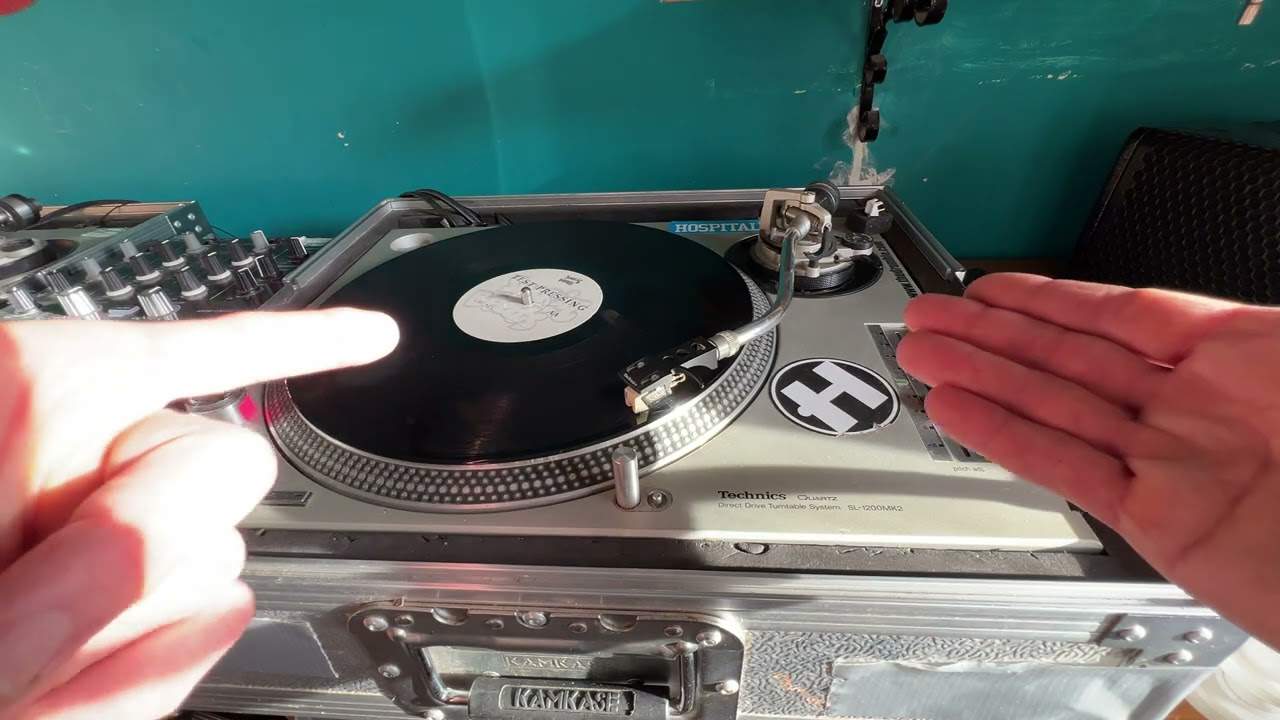
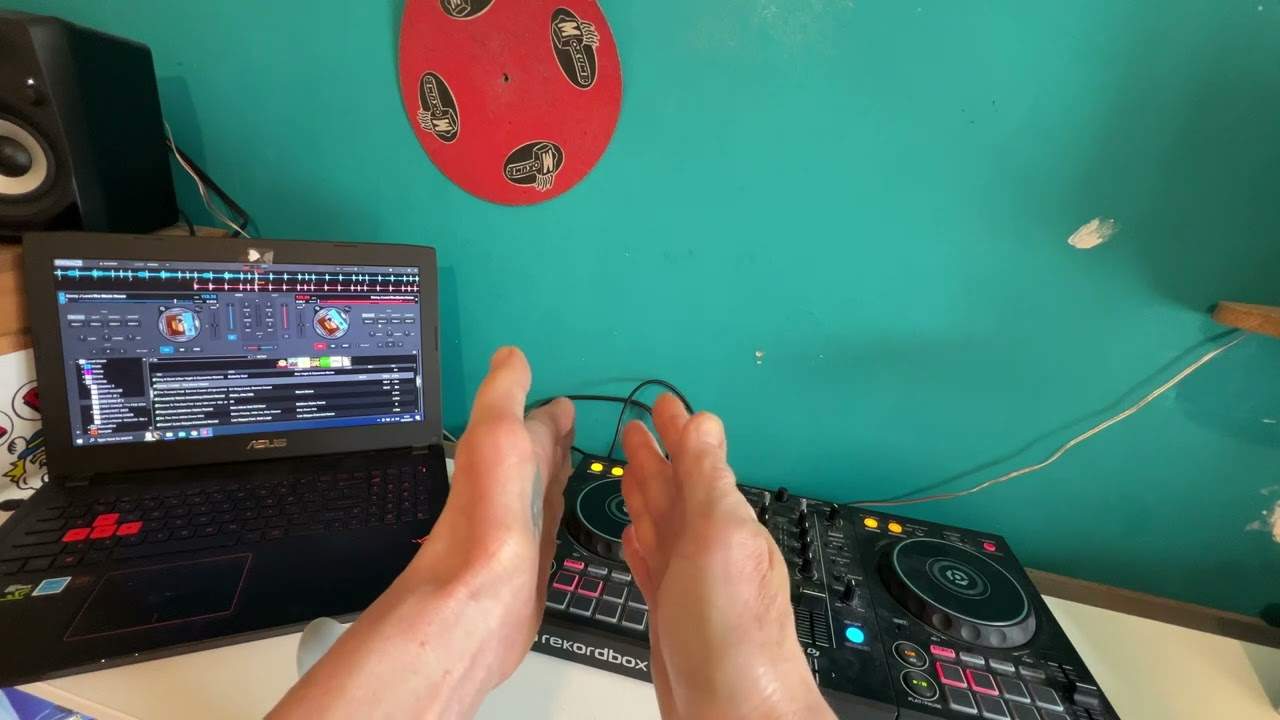
Right ladies and gentlemen, beginning on I suppose in a way an intermediate DJ lesson. A bit of advice here for you. I've been asked by someone via email, of course I don't like giving people's names or information, on why it's a good idea to have your pitch set at say plus and minus six or plus and minus ten percent. Now this is really important if you have a controller, any form of controller with a small pitch. All right, this one's pretty big. This is sort of box standard size, same as sort of Technics turntable, the CDJs and so on. But the smaller the pitch or the less movement you've got on your pitch itself means it's more difficult to beatmatch with the higher percentage of BPM. So at the moment now we can see that's at plus and minus six.
1:55 16, I'm able to increase
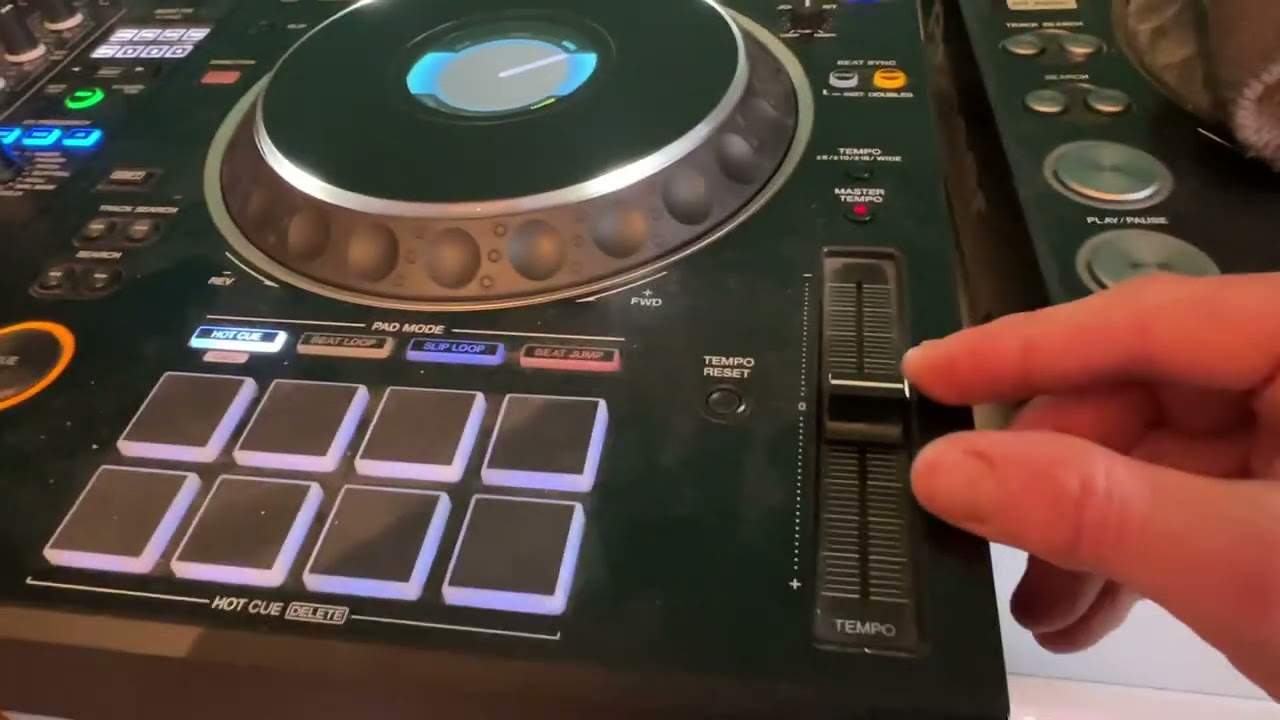
I've just got a bit of a loop going on here. So I'm just going to slow it down, speed it up. There. I don't want to use too much audio, of course for copyright reasons. So this track, if I go, hold on, yeah, I'm holding the phone as well so it's a bit difficult. So I'm just going to get that so it's exactly at zero zero. So of course we're on the correct speed the track would have been when it was made in the studio. Now, 128 BPM. So what I'm going to do, I'm going to put this to 10% now, 10%. So basically what first of all the percentage means is that when you're at a certain percentage, you'll be able to increase the BPM by that percentage of the overall original BPM of the track. So 128. Will be 12.8 BPM. So I can actually slow this track down or speed it up 12.8 BPM.
Now if we go to 16, I'm able to increase or decrease 16% wide, I can increase or decrease 100%. So I can basically stop it or make it go double speed. So really, why is that important with a pitch control? Because I mean, you're just going to slow it, speed it, slow it down. Speed it up, aren't you? Well, again, if you think about it and I have said this before, but this is really, really important. And once you grasp this, it'll be like, yeah, get it. Okay. No problems at all. When you're at plus and minus 6%, let's say I move down that much. I may only be moving down about say 2 BPM plus and minus 10%. I could have moved down, say three and a half. BPM at plus and minus 16, I could have moved down seven BPM and wide.
3:56 I'd only be able to slow
I could have moved down 30 BPM. So the higher the percentage, the less control you have over your BPM. Now let's go back to the smaller pitch. Okay. When you have an even smaller pitch, that means there are even smaller moves you have to make. So it's vitally important to stick to a lower percentage. On your pitch. Okay. So plus and minus 6%. Now this means that let's say I've got a hip hop tune of 100 BPM and another hip hop tune of say, I don't know, 108 BPM. Well, I could quite happily mix those two together because the one that said a hundred, I could bring it up, say to 104 BPM. The one that's faster, slow that down to 104. And there you go. But. If I've got say a track of, say for example, a house track and hip hop tune, and I'm at plus and minus six, the hip hop tune is 100 BPM.
The house track is a hundred and say 20 BPM at plus and minus six. I wouldn't be able to beat match them because I would only be able to increase the hip hop tune to 106 BPM and 6% of 120 is going to be what about six point something. So I'd only be able to slow. That one down to about 114. So I would indeed then have to go to 16% because again, 126, 12. No. Yeah, that's right. Actually 120. No, I'm sure. All right. I can't work out the math here while I'm holding the camera and thinking this out. I'm no genius, but 10% possibly put in a comments if you can. And probably after I've done this video, I'll work it out anyway. So I'll know, but do it anyway. Okay. Definitely at plus or minus 16 now again, very quickly digressing slightly.
We have master tempo. So what you may find is when you're at a lower percentage, you don't necessarily have to have the master tempo on because you won't hear a defined change in key when you're at a low percentage. But when you're at a high percentage, you will indeed hear a difference. Just check this out. Let's go to 100%. Okay. Go to wide Mickey mouse.
Ooh, there you go. All right. Hope that's a help. Thank you very much for watching practice and enjoy.
This transcript was produced automatically from the audio of the video and may contain mistakes.