 3:23
Challenging yourself on pitch position
On YouTube this video is called Complete and Utter Beginner DJ Lessons 25 Challenging Yourself Pitch Position Practise Mixing
What this lesson teaches
A short lesson adding a single rule, and the rule fixes a flaw you would otherwise take weeks to notice.
The flaw
In the wax-on-wax-off cycle you get two copies of one track matched, and then you go round again.
But the second time round, they are already matched. You did the work on the first pass and the pitch has not moved since, so repetitions two, three and four are free. You are practising the fader moves and not the listening.
The fix
After each mix, change the pitch on one side before you repeat.
Then you have to find it again. And after the next one, change it again. Every repetition starts from a different, unknown offset.
Why this matters
His reasoning is exactly right: when you mix two different records, the tempos will never match to begin with. Every single mix starts with a gap you have to close.
So a drill where the gap is already closed is not rehearsing the thing you will actually do. Moving the pitch between attempts turns a repetitive fader exercise back into a listening exercise, which is the one that is hard.
And slow down
His other note is worth taking. In the demonstration he works quickly, with two bars between transitions, and he says that is not what he wants from you.
Give yourself four or eight bars. The point is not to be fast. The point is to have enough time to hear what is happening, make a decision, and act on it - and at two bars you are rushing all three.
He is honest that this can be very frustrating to begin with. It can. The frustration is the exercise working: you are now practising the part you cannot already do.
Contents of the video
0:01 This is where you are challenging your mind, brain and everything
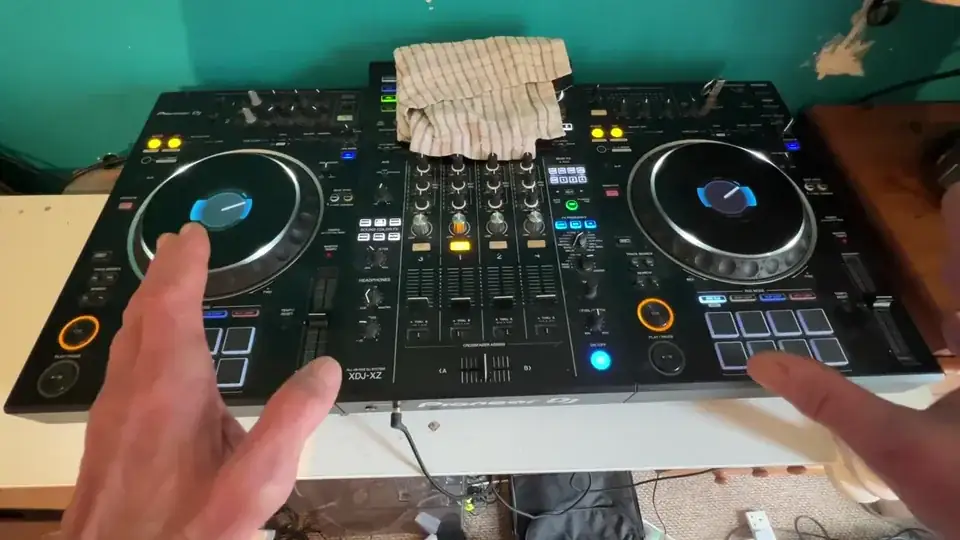
Right guys, video 25. Now it's really important that you do check out the last video so you understand the premise behind this one. So what I'm going to do, very similar to video 24, but take it to the next level. Now this is where you are challenging your mind, brain and everything. So this video, if practiced correctly, can to begin with be very frustrating. But again, wax on, wax off, wax on, wax off. Let's get that muscle memory pumping. So demonstration first, then an explanation. So here we go. Okay, so what I was doing there, again, I wasn't using headphones. Highly recommend you use headphones. And again, I was trying to do this relatively quickly. But I would like to show you how to do it.
2:20 I'm changing the position of the pitch
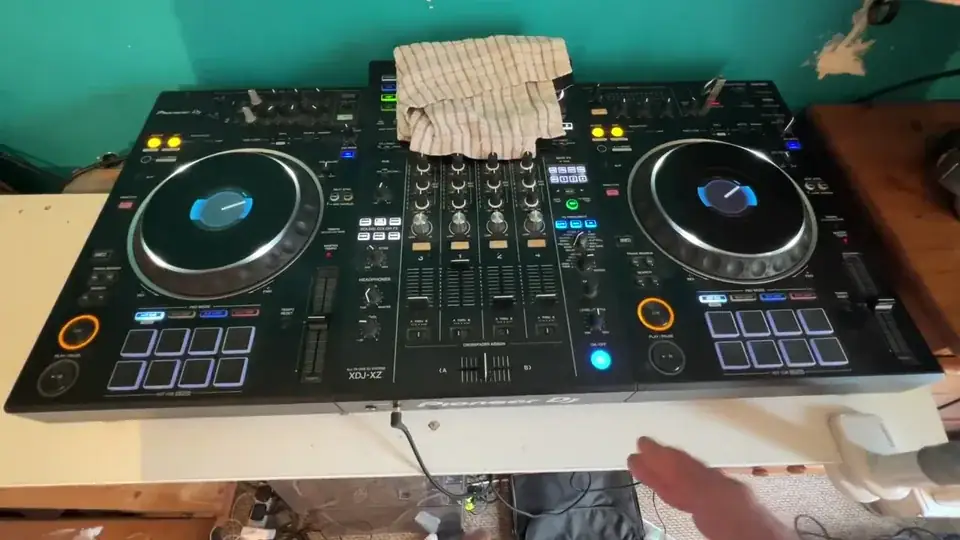
But I would like you to spend more time doing this. So in between my transitions, let's say instead of me counting two bars, maybe you should count four or eight bars, give yourself more time. So similar to my last video in this one, what I'm doing is once I've got one track in, I'm then bringing the next track in. But what I'm doing every time I finish. I'm changing the position of the pitch. Because if let's say after the first mix, I get it in beat, then the second, third, fourth time I do it, it's going to be in beat because it's the same track. But again, if you think about it, when you're mixing different tracks at different BPMs, you're going to always have to change the BPM. So using this technique of this.
The second time you form a mix, change the pitch on one side or change the pitch on the original side and then beat match it again. And then the third time change the pitch again. What you're doing is you're challenging yourself all the time. Hope that's to help practice and enjoy. Thank you.
This transcript was produced automatically from the audio of the video and may contain mistakes.